
Every year, U.S. transit systems lose an estimated $3 billion due to fare evasion. This pervasive issue, which involves passengers intentionally avoiding payment for transit services, has become a significant financial burden for public transportation agencies nationwide. Fare evasion is not merely a minor inconvenience; it's a crime that undermines the financial stability of transit systems and impacts the quality of service for all riders.
Fare evasion crime occurs when individuals board public transportation without paying the required fare or presenting a valid ticket or pass. This can include sneaking past fare gates, using invalid or altered tickets, or simply refusing to pay. The consequences of fare evasion extend beyond financial losses. It can lead to overcrowding, longer wait times, and reduced service reliability. Understanding what is fare evasion crime and its impact is crucial for all transit users, as collective awareness and cooperation can help mitigate this growing problem.
Understanding fare evasion basics
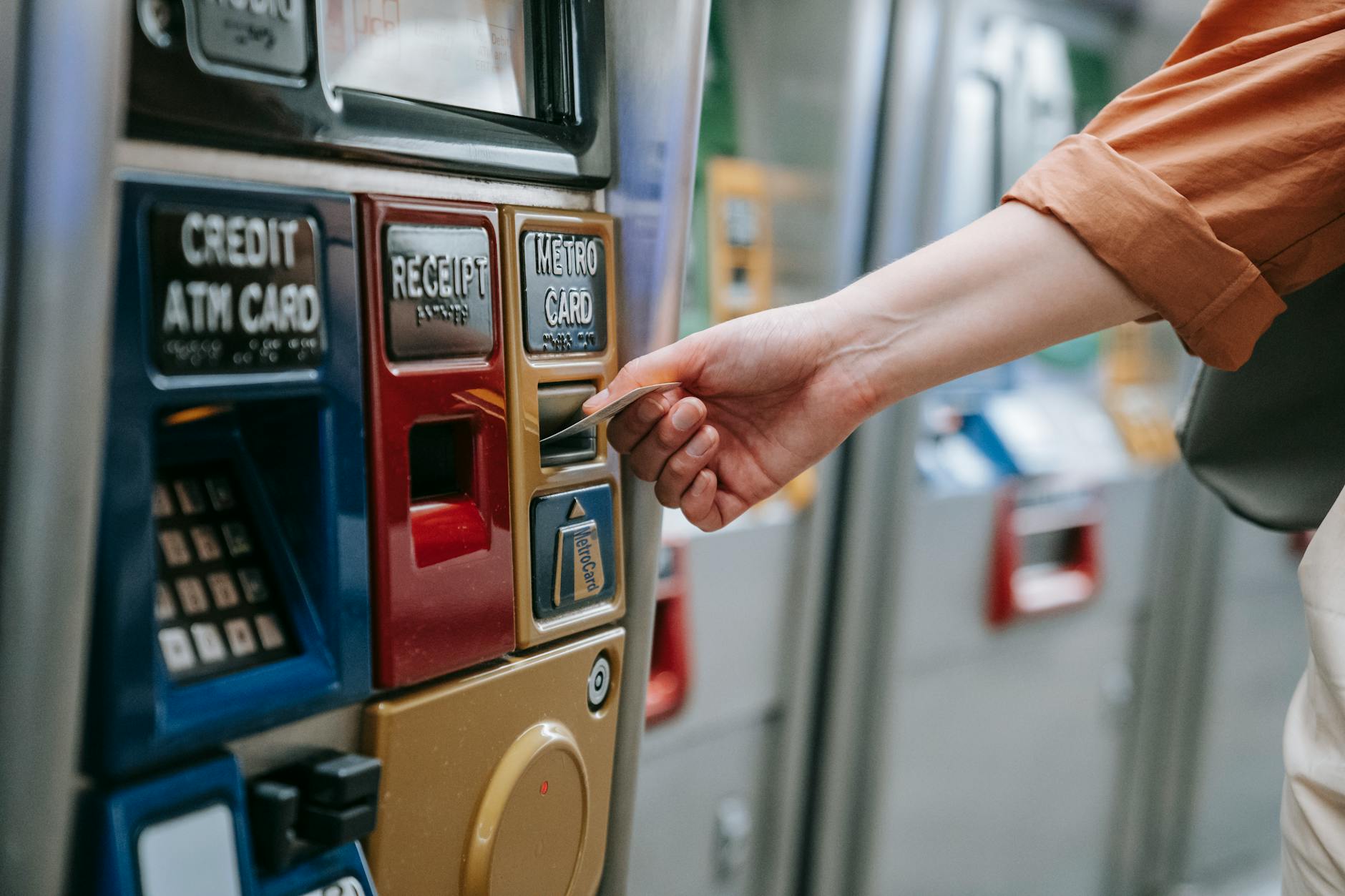
Fare evasion occurs when individuals board public transportation without paying the required fare. This can involve sneaking past fare gates, using invalid tickets, or exploiting system loopholes. Transit authorities consider it a serious offense, as it directly impacts their revenue and operational efficiency.
According to a recent study, fare evasion costs U.S. transit systems approximately $3 billion annually. This financial strain forces agencies to divert funds from essential services, such as maintenance and route expansions. The problem is particularly acute in urban areas with high ridership and complex transit networks.
Experts argue that fare evasion is not merely a financial issue but also a matter of public safety. When individuals evade fares, they often bypass security checks, potentially introducing safety risks to other passengers. Transit agencies must balance enforcement with public perception, ensuring that penalties are fair and deterrents are effective.
Penalties for fare evasion vary by location but typically include fines, community service, or even criminal charges for repeat offenders. Transit authorities employ various strategies to combat the issue, including increased surveillance, random inspections, and public awareness campaigns. Despite these efforts, fare evasion remains a persistent challenge for transit systems nationwide.
How transit systems detect fare evasion
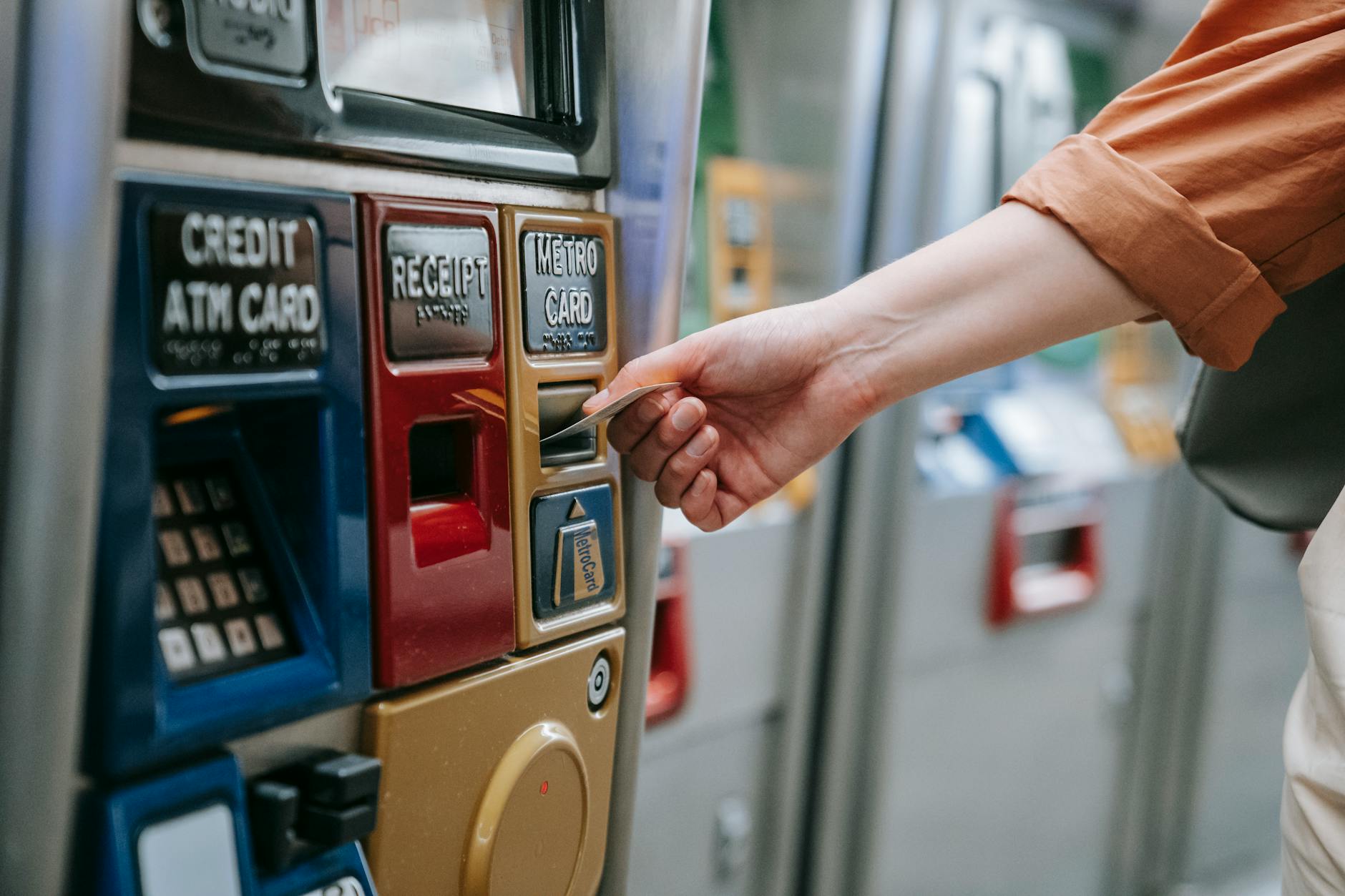
Fare evasion occurs when individuals board public transit vehicles or enter facilities without paying the required fare. This can involve sneaking past fare gates, using invalid tickets, or exploiting system vulnerabilities. The crime extends beyond mere ticket hopping; it encompasses fraudulent activities that undermine transit system integrity.
Transit agencies employ various technologies to combat fare evasion. Automated fare gates, equipped with sensors and cameras, detect unauthorized entries. Some systems use artificial intelligence to analyze patterns and identify potential evaders. These tools help agencies monitor and address fare evasion more effectively.
According to a recent study, fare evasion costs U.S. transit systems approximately $3 billion annually. This financial burden strains budgets and diverts resources from essential services. Experts emphasize the need for robust detection systems to mitigate these losses.
Beyond financial implications, fare evasion can lead to safety concerns. Overcrowding and congestion may result from evaders avoiding fare payment points. Transit agencies must balance enforcement with passenger convenience to maintain a secure and efficient system.
Consequences for caught evaders

Fare evasion, the act of boarding public transportation without paying the required fare, is considered a criminal offense in many jurisdictions across the United States. Transit authorities take this issue seriously, as it directly impacts their revenue and ability to provide quality service. Those caught evading fares face a range of consequences, which can vary depending on local laws and the specific circumstances of the incident.
First-time offenders often receive a warning or a fine, which can range from $25 to several hundred dollars. Repeat offenders, however, may face more severe penalties, including higher fines, community service, or even jail time in some cases. For instance, in New York City, repeat offenders can be charged with a misdemeanor, which carries a penalty of up to 30 days in jail and a fine of up to $1,000.
A study by the American Public Transportation Association found that fare evasion costs U.S. transit systems approximately $3 billion annually. This significant financial impact underscores the importance of enforcing fare policies. Transit agencies often employ various strategies to deter fare evasion, including increased fare inspections, surveillance cameras, and public awareness campaigns.
Beyond the immediate penalties, a fare evasion conviction can have long-term consequences. It may appear on an individual's criminal record, potentially affecting employment opportunities or other aspects of their life. Moreover, repeat offenders may be subject to increased scrutiny and penalties, making it increasingly difficult to use public transportation legally in the future.
Impact on public transportation funding

Fare evasion, the act of boarding public transportation without paying the required fare, constitutes a form of theft of services. This crime directly impacts transit agencies' revenue, which in turn affects their ability to maintain and improve services. The financial strain is significant, with estimates suggesting that fare evasion costs U.S. transit systems up to $3 billion annually. This lost revenue could otherwise fund critical infrastructure upgrades, expanded services, or reduced fares for compliant passengers.
Transit agencies often rely on fare revenue to cover a substantial portion of their operating costs. When riders evade fares, agencies must either cut services or seek alternative funding sources. This can lead to higher taxes or reduced quality of service, ultimately affecting all passengers. A transit expert notes that fare evasion disproportionately impacts lower-income communities, as they often rely more heavily on public transportation.
Law enforcement and transit authorities employ various strategies to combat fare evasion, including increased inspections and penalties. However, these measures can be costly and may not always deter evaders. Some agencies have turned to technology, such as automated fare collection systems, to reduce opportunities for evasion. Despite these efforts, fare evasion remains a persistent challenge for transit systems across the country.
Addressing fare evasion requires a multi-faceted approach, involving not only enforcement but also public education and system improvements. Transit agencies must balance the need for revenue with the importance of providing accessible and affordable transportation options. By tackling fare evasion head-on, agencies can ensure that funds are available for much-needed improvements and services.
Potential solutions to curb evasion

Addressing fare evasion requires a multifaceted approach that combines technology, policy, and public engagement. Transit agencies are increasingly turning to automated fare collection systems, which can significantly reduce evasion rates. These systems, often using contactless payment methods, minimize human error and provide real-time data on usage patterns. For instance, some cities have seen evasion rates drop by up to 50% after implementing such technologies.
Enhancing enforcement strategies is another critical step. Transit police and fare inspectors play a vital role in deterring evasion. However, their presence must be balanced with public trust. A study by a prominent urban transit research institute found that visible but respectful enforcement, coupled with clear communication about penalties, can foster compliance without alienating riders.
Community engagement and education also hold promise. Many riders evade fares due to financial hardship or lack of awareness about affordable payment options. Transit agencies can partner with local organizations to offer fare assistance programs and educate the public on the importance of paying fares. This approach not only reduces evasion but also builds a sense of shared responsibility among riders.
Finally, policy changes can address systemic issues. Some cities have experimented with fare capping, where riders pay a maximum amount per month regardless of trips taken. This can make transit more affordable and reduce the incentive to evade fares. While no single solution is foolproof, a combination of these strategies can help transit systems recoup lost revenue and improve service quality.
Fare evasion is a serious crime that costs U.S. transit systems billions annually, undermining public transportation's financial health and fairness. It's not just about the fare; it's about safety, equity, and the future of public transit. To combat this issue, transit agencies must invest in better technology, like automated fare gates and real-time monitoring, while also addressing root causes through community engagement and affordable fare programs. Looking ahead, the fight against fare evasion will require a balance of enforcement, innovation, and empathy to ensure transit remains accessible and sustainable for all.
Need this answered for your specific case?
Get a flat-fee consultation with a verified U.S. immigration attorney. Engagement letter on every paid consult.
Related guides
This guide provides general legal information and does not create an attorney–client relationship. Information accurate as of July 2026. Always verify current USCIS guidance before acting.