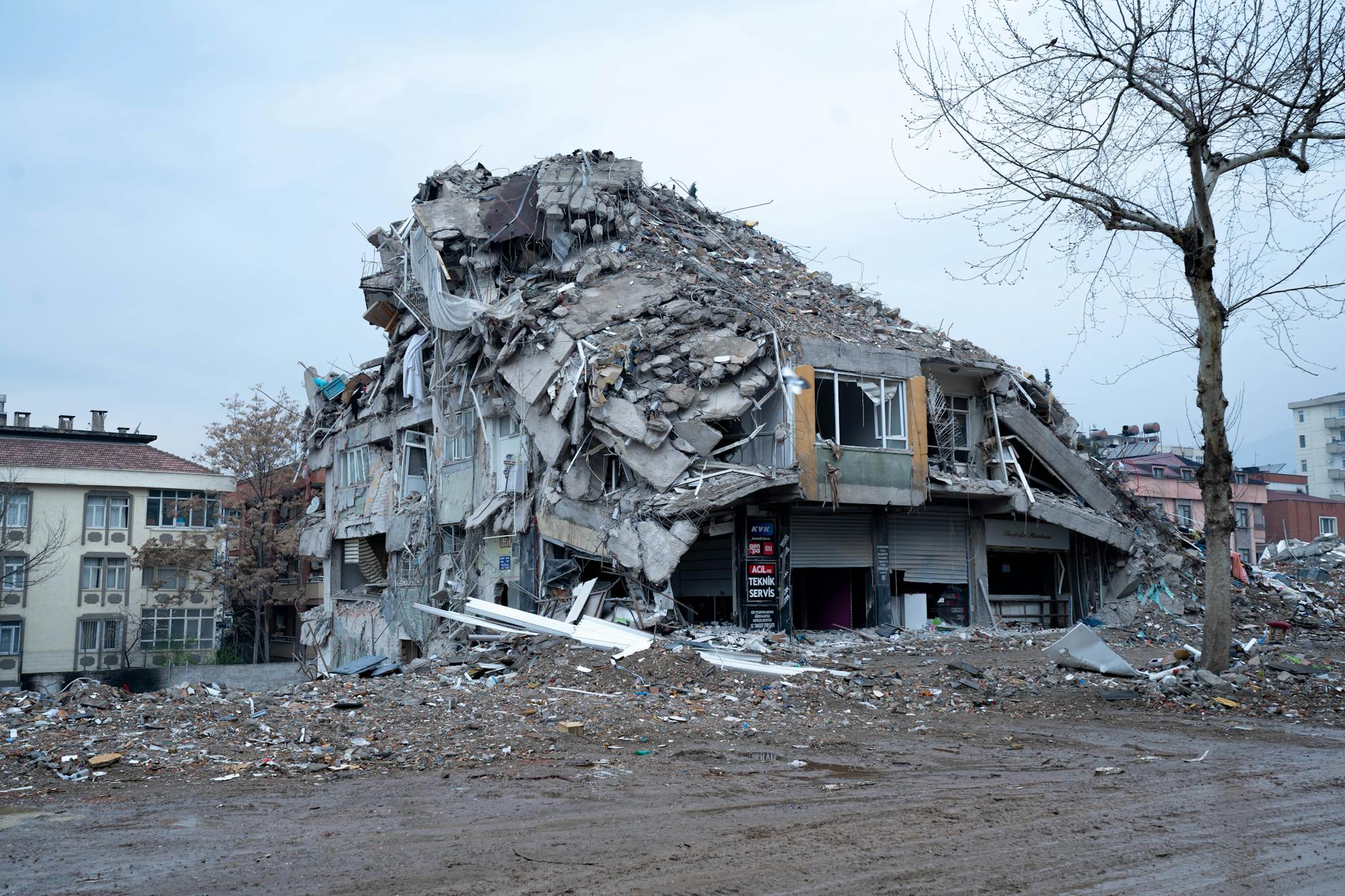
Every year, the FBI estimates that disaster relief fraud siphons away $100 million from funds desperately needed to rebuild communities and save lives. This criminal activity exploits the most vulnerable moments in a community's history, diverting resources from those who need them most. Disaster relief fraud is a serious crime that undermines the effectiveness of emergency response efforts and delays recovery.
Disaster relief fraud occurs when individuals or organizations falsely claim eligibility for disaster assistance, manipulate damage reports, or create fake charities to exploit public generosity. This fraudulent activity can take many forms, from submitting inflated repair estimates to outright fabrication of disaster-related expenses. Understanding what is disaster relief fraud is crucial for both the public and authorities to recognize and prevent such deceptive practices. By staying vigilant, communities can better protect their resources and ensure that aid reaches those who truly need it.
Understanding disaster relief fraud
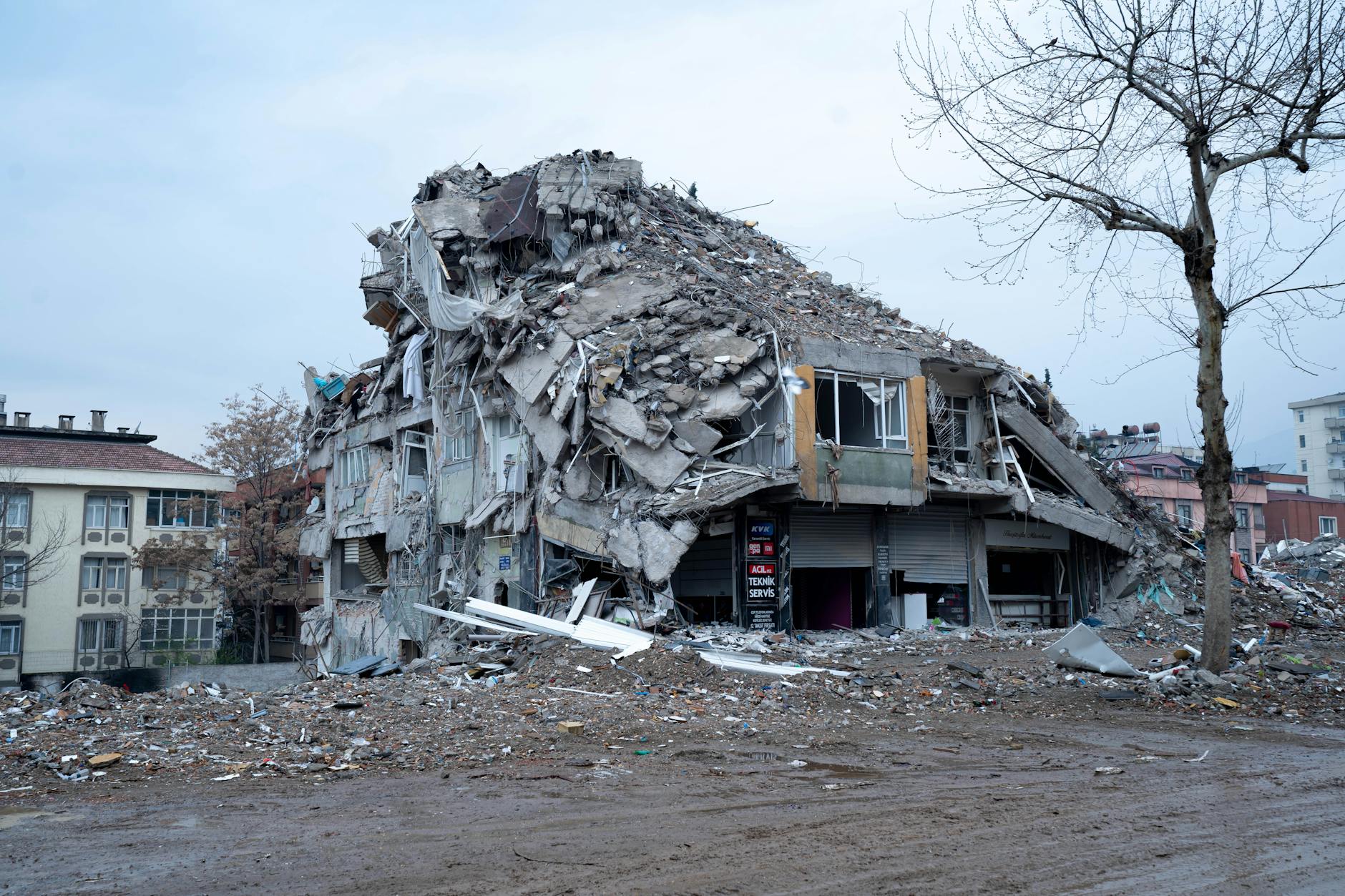
Disaster relief fraud represents a grave misuse of funds intended to aid communities struck by natural disasters. This criminal activity involves individuals or organizations falsely claiming damages, exaggerating losses, or outright fabricating emergencies to siphon relief funds. The FBI estimates that such fraudulent activities cost the U.S. government over $100 million annually, diverting critical resources from genuine victims.
Perpetrators of disaster relief fraud employ various tactics. Some submit fraudulent insurance claims, while others create fake charities to solicit donations. A 2021 report by the National Center for Disaster Fraud highlighted that social media platforms have become hotspots for these schemes, with scammers exploiting public empathy to deceive well-meaning donors.
Law enforcement agencies emphasize the need for vigilance. The FBI and other organizations work to educate the public on recognizing and reporting suspicious activities. Despite these efforts, the complexity and scale of disaster relief operations make it challenging to eradicate fraud entirely. Communities must remain proactive in verifying claims and supporting legitimate relief efforts.
Common schemes targeting aid programs

Disaster relief fraud takes many forms, with criminals exploiting the urgency and chaos of crises to siphon funds meant for victims. One common scheme involves fake charities that solicit donations but divert the money to personal use. These fraudulent organizations often mimic legitimate charities, making it difficult for donors to distinguish between the two. According to the Federal Trade Commission, Americans lost over $74 million to charity fraud in 2022 alone.
Another prevalent tactic is the manipulation of aid applications. Fraudsters submit false claims for disaster assistance, using stolen identities or fabricated documents to receive funds. This type of fraud not only drains resources but also delays genuine victims from receiving timely help. Experts warn that these schemes often go undetected due to the overwhelming volume of applications during crises.
Contractor fraud is also a significant issue. Dishonest contractors may inflate costs, use substandard materials, or fail to complete projects altogether. Homeowners and communities, already vulnerable after a disaster, can suffer further financial and emotional strain. The FBI reports that contractor fraud accounts for a substantial portion of disaster relief fraud cases annually.
Identity theft is another concern, as fraudsters may use stolen personal information to apply for aid or open fraudulent accounts. Victims may not realize their information has been compromised until they are denied legitimate assistance. This highlights the importance of vigilance and secure data management in disaster relief operations.
How fraudsters exploit emergency systems

Disaster relief fraud occurs when individuals or groups exploit emergency aid programs for personal gain. Fraudsters may impersonate victims, create fake charities, or manipulate documentation to receive funds intended for legitimate relief efforts. These schemes divert critical resources away from those genuinely in need, exacerbating the impact of disasters.
One common tactic involves filing false claims for disaster assistance. Fraudsters submit applications using stolen identities or fabricated information, claiming damages that never occurred. According to the Federal Emergency Management Agency (FEMA), such fraudulent claims can account for up to 5% of total disaster relief payouts, amounting to millions of dollars annually.
Another method is the creation of phony charities. These organizations often mimic legitimate relief efforts, appealing to the public's generosity during crises. Victims of this fraud donate money that never reaches those in need, instead lining the pockets of scammers. Law enforcement agencies frequently warn the public to verify the legitimacy of charities before donating.
Fraudsters also exploit emergency systems by manipulating contracts for disaster recovery projects. They may inflate costs, deliver substandard materials, or fail to complete work altogether. These schemes not only waste taxpayer dollars but also delay critical recovery efforts, leaving communities vulnerable.
Real-world consequences of relief fraud

Disaster relief fraud isn't just a financial issue—it diverts critical resources away from those who need them most. When fraudsters exploit relief funds, they delay recovery efforts and deepen the impact of disasters on communities. For instance, after Hurricane Katrina, fraudulent activity slowed down legitimate claims processing, leaving many victims without aid for months. This kind of fraud erodes public trust in government assistance programs, making it harder for officials to respond effectively in future crises.
Fraud also has ripple effects on local economies. When relief funds are misused, businesses that rely on quick recovery—like contractors and suppliers—suffer. A report by the National Disaster Fraud Task Force found that fraud can reduce local economic activity by up to 15% in affected areas. This loss of revenue trickles down, affecting jobs and long-term stability.
The psychological toll on disaster victims is often overlooked. Survivors already grappling with trauma face additional stress when they encounter fraudulent schemes. Scammers prey on vulnerability, offering fake assistance or exploiting emotional distress. Experts warn that this compounded stress can worsen mental health outcomes, prolonging recovery beyond physical rebuilding.
Beyond immediate consequences, disaster relief fraud sets a dangerous precedent. It encourages more fraudulent behavior, as perpetrators see gaps in oversight and enforcement. Without strict penalties and vigilant monitoring, fraudsters continue to exploit disasters, making it harder for legitimate victims to access the help they need.
Preventing future disaster aid scams

Disaster relief fraud occurs when individuals or organizations exploit the generosity of donors and the vulnerabilities of disaster-stricken communities. Scammers may pose as legitimate charities, create fake websites, or manipulate social media to solicit donations that never reach victims. These fraudulent activities divert crucial funds away from those in genuine need, exacerbating the impact of disasters.
According to the Federal Trade Commission, disaster-related scams have surged in recent years, with reports indicating a significant increase in fraudulent activities following major natural disasters. Experts emphasize that raising awareness about these scams is vital in preventing further exploitation. Education campaigns and community outreach programs can help individuals recognize the red flags of disaster relief fraud.
Preventing future disaster aid scams requires a multi-faceted approach. Law enforcement agencies must enhance their monitoring and investigation capabilities to quickly identify and dismantle fraudulent operations. Additionally, technology companies can play a crucial role by implementing stricter verification processes for charitable organizations on their platforms. By fostering collaboration between government agencies, non-profits, and tech companies, a more robust defense against disaster relief fraud can be established.
Public vigilance is equally important. Donors should verify the legitimacy of charities before contributing, checking for accreditation and transparency in financial reporting. By taking these precautions, individuals can ensure their donations reach those who need them most, thereby mitigating the impact of disaster relief fraud.
Disaster relief fraud is a serious crime that diverts critical funds from those who need it most, with the FBI reporting annual losses of $100 million. It encompasses a range of deceptive practices, from fake charities to fraudulent claims for aid, all of which exploit vulnerable communities during times of crisis. To combat this issue, individuals should verify charities before donating and report any suspicious activity to authorities. As awareness grows and technology advances, there is hope that these fraudulent schemes will be detected and prevented more effectively in the future.
Need this answered for your specific case?
Get a flat-fee consultation with a verified U.S. immigration attorney. Engagement letter on every paid consult.
Related guides
This guide provides general legal information and does not create an attorney–client relationship. Information accurate as of July 2026. Always verify current USCIS guidance before acting.