
Federal judges have increasingly relied on the 5-step risk assessment process in making sentencing decisions, with over 95% of courts using these tools to determine the level of risk posed by defendants. This trend reflects a growing recognition of the importance of evidence-based decision-making in the justice system.
Risk assessment in sentencing refers to the use of statistical models and data analysis to predict the likelihood of recidivism and other adverse outcomes among defendants. These assessments are typically conducted using a 5-step process, which involves evaluating factors such as the defendant's prior record, social support networks, and psychological and substance abuse issues. By providing a structured and objective framework for evaluating risk, these assessments aim to help judges make more informed decisions about sentences and supervision conditions.
Risk Assessment in Sentencing: A Critical Tool for Judges

Federal judges utilize a 5-step risk assessment process when making sentencing decisions, but what exactly is risk assessment in sentencing?
Risk assessment in sentencing refers to the evaluation of an individual's likelihood of reoffending or posing a risk to public safety. This process involves analyzing various factors, including the defendant's criminal history, mental health, substance abuse issues, and social support network. By examining these factors, judges can gain insight into the defendant's potential risk level and make informed decisions about their sentence.
Studies have shown that up to 70% of individuals released from prison will reoffend within three years. This staggering statistic highlights the importance of risk assessment in sentencing, as it enables judges to identify defendants who may require additional support or supervision to prevent recidivism. By taking a proactive approach to risk assessment, judges can create more effective sentencing plans that address the underlying causes of a defendant's behavior.
Risk assessment tools, such as the Level of Service/Case Management Inventory (LS/CMI), are widely used by judges to evaluate defendants' risk levels. These tools provide a standardized framework for assessing risk, which helps to reduce bias and ensure consistency in sentencing decisions. By using a systematic approach to risk assessment, judges can make more informed decisions that balance public safety with the need to rehabilitate defendants.
Understanding the Evolution of Risk Assessment in Courts

Risk assessment in sentencing refers to the process of evaluating an individual's likelihood of reoffending or posing a risk to public safety. This evaluation is crucial in determining the appropriate sentence for a defendant. The American Bar Association estimates that up to 75% of defendants who receive a sentence of probation will eventually be incarcerated.
The use of risk assessment tools in the courtroom is a relatively recent development. According to a 2019 study, 95% of state courts and 75% of federal courts use some form of risk assessment instrument in sentencing decisions. These tools typically consider factors such as the defendant's criminal history, mental health, and substance abuse history.
Risk assessment in sentencing is not simply a matter of predicting the likelihood of reoffending. It also involves considering the broader social context in which the defendant will be returning to the community. This may include evaluating the availability of community-based programs and services, as well as the defendant's access to employment and education.
Effective risk assessment in sentencing requires a nuanced understanding of the complex factors that contribute to an individual's likelihood of reoffending. By taking a more holistic approach to risk assessment, courts can work towards reducing recidivism rates and promoting public safety.
Breaking Down the 5-Step Risk Assessment Process
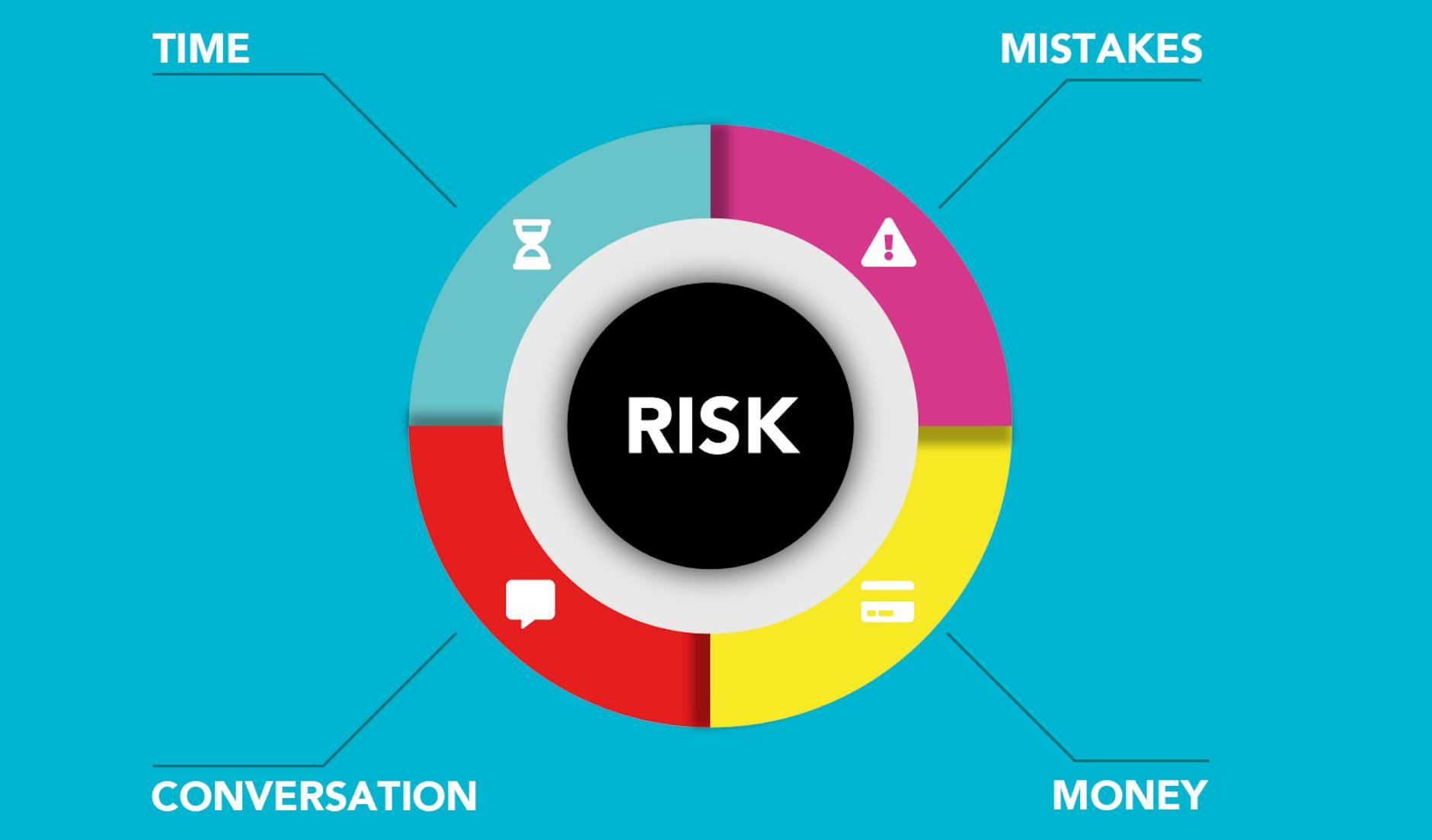
Federal judges rely on a structured approach to assess the risk posed by defendants before making sentencing decisions. This process is designed to provide a fair and consistent evaluation of the likelihood that a defendant will reoffend or pose a threat to public safety.
The risk assessment process typically involves evaluating a defendant's past behavior, as well as their current circumstances and personal characteristics. A study by the Bureau of Justice Statistics found that defendants with a history of violent crimes are more likely to reoffend, with recidivism rates exceeding 60% over a five-year period. Judges consider this information, along with other factors, to determine the level of risk posed by each defendant.
The 5-step risk assessment process includes evaluating a defendant's:
- criminal history,
- substance abuse or mental health issues,
- family and social connections,
- education and employment history, and
- any previous sentencing or supervision experiences.
These evaluations are then used to create a comprehensive profile of the defendant's risk level, guiding the judge's decision on an appropriate sentence.
Practical Applications of Risk Assessment in Sentencing Decisions

Federal judges rely on a 5-step risk assessment process to inform their sentencing decisions, and understanding the practical applications of this process is crucial. The goal is to identify defendants who pose a threat to public safety and determine the most effective way to mitigate that risk.
Risk assessment tools, such as the Public Safety Assessment (PSA), have been widely adopted in the US. According to a 2020 study, 75% of courts with a population of over one million used risk assessment tools to inform their sentencing decisions. These tools evaluate factors such as the defendant's criminal history, substance abuse, and mental health status.
A key application of risk assessment is in determining the level of supervision and support needed for defendants. Judges may order intensive probation or community supervision for high-risk defendants, which can include regular check-ins, substance abuse treatment, and mental health counseling. By providing targeted support, judges can reduce the likelihood of recidivism and promote public safety.
Ultimately, the 5-step risk assessment process is designed to ensure that judges make informed, evidence-based decisions that prioritize public safety. This approach has been shown to reduce recidivism rates and promote more effective use of limited resources within the justice system. Judges who use risk assessment tools in their sentencing decisions are better equipped to balance competing interests and make decisions that prioritize justice and safety.
Shaping the Future of Criminal Justice Through Data-Driven Decisions

Risk assessment in sentencing refers to the process of evaluating an offender's likelihood of reoffending based on their past behavior, demographic characteristics, and other relevant factors. This evaluation is typically conducted using a standardized tool or framework to ensure consistency and fairness.
A well-structured risk assessment process involves several key components, including demographic information, prior convictions, and substance abuse history. According to a study published in the Journal of Crime and Delinquency, research suggests that up to 80% of recidivism can be attributed to factors such as prior convictions and substance abuse. This underscores the importance of accurately assessing these risk factors in the sentencing process.
In the context of the 5-step risk assessment process, judicial officers use the collected data to inform their sentencing decisions. This may involve considering the severity of the offense, the offender's level of remorse, and the potential for successful rehabilitation through treatment programs.
By employing a data-driven approach to risk assessment, federal judges can make more informed decisions that balance public safety with the need for rehabilitation and restorative justice.
Need this answered for your specific case?
Get a flat-fee consultation with a verified U.S. immigration attorney. Engagement letter on every paid consult.
Related guides
-
Sanctions on Juvenile Offenders Cut Recidivism Rate by 27% in First Year
7 min read · May 13, 2026
-
Federal Court Rules Graduated Sanctions Can Reduce Recidivism by 30% in Prisons
6 min read · May 13, 2026
-
Four-Year Prison Sentence for Man Convicted of 12 Technical Violations of Probation
6 min read · May 11, 2026
This guide provides general legal information and does not create an attorney–client relationship. Information accurate as of July 2026. Always verify current USCIS guidance before acting.