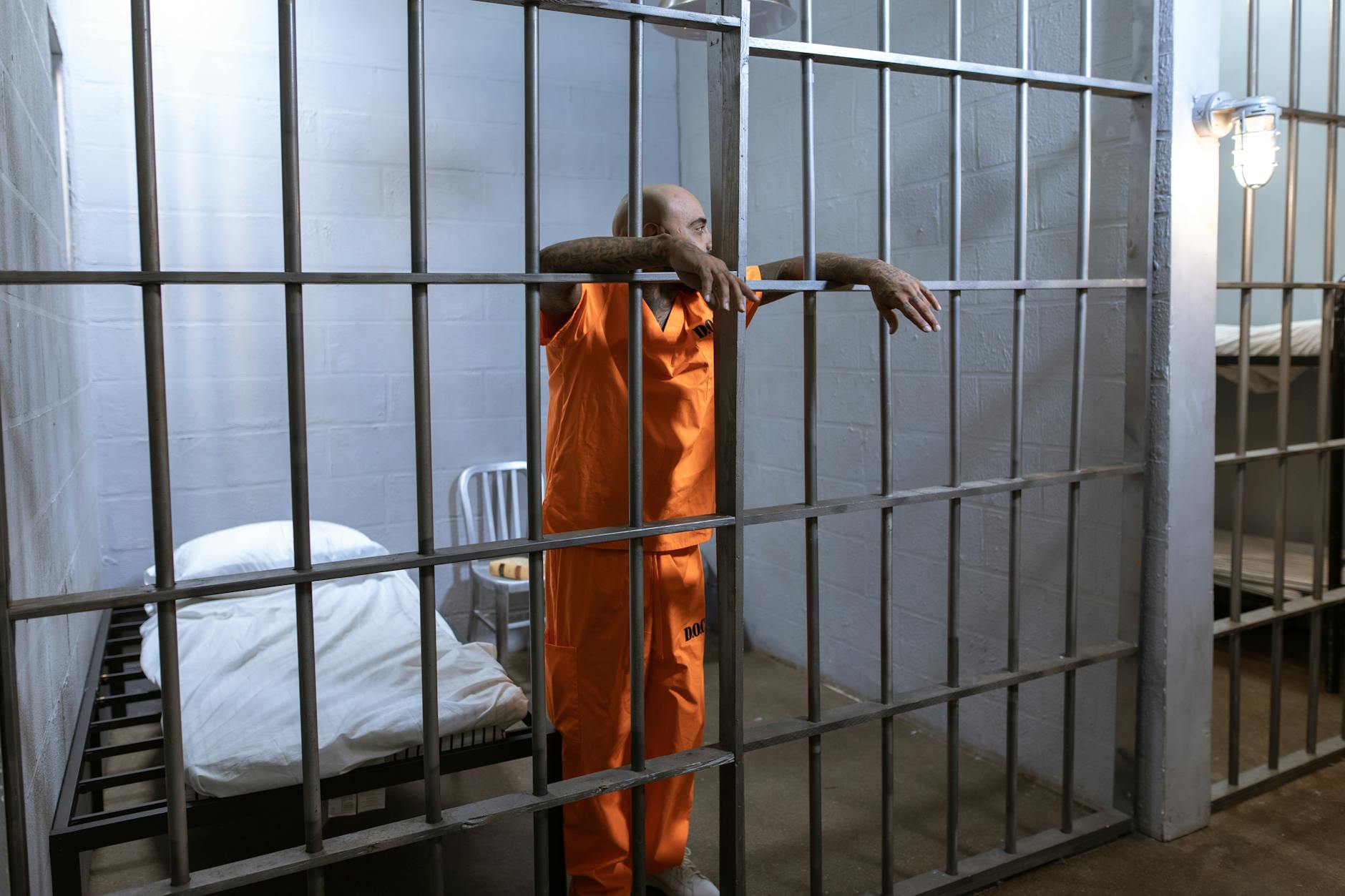
The United States has one of the highest incarceration rates in the world, with over 2 million people behind bars. Mandatory minimum sentences have been a significant factor in this trend, with certain felony convictions carrying a minimum sentence of 10 years under federal law. This policy has led to a disproportionate number of non-violent offenders serving lengthy prison terms, sparking controversy and debate about the effectiveness of such measures.
Mandatory minimum sentences are a type of sentencing guideline that requires judges to impose a minimum punishment for specific crimes. What Is a Mandatory Minimum Sentence essentially means that the court has no discretion to impose a lighter sentence, even if the defendant shows remorse or has no prior convictions. This approach has been criticized for prioritizing punishment over rehabilitation and disproportionately affecting minority communities.
Understanding Mandatory Minimum Sentences in US Law

A mandatory minimum sentence refers to the minimum amount of time a person must spend in prison for a specific crime, as designated by law. The U.S. federal government has implemented mandatory minimum sentences for certain felony convictions, which are enforced by the courts.
The purpose of mandatory minimum sentences is to ensure that serious crimes are punished consistently and harshly. For example, a person convicted of trafficking large quantities of illegal drugs, such as heroin or cocaine, must serve a minimum of 10 years in prison. This is intended to deter individuals and organizations from engaging in such activities.
Research has shown that mandatory minimum sentences can have unintended consequences, such as overcrowding prisons and disproportionately affecting certain communities. According to the Sentencing Project, the number of people serving life without parole in the United States has increased by over 50% since 2000. This highlights the need for a more nuanced approach to sentencing.
How Mandatory Minimums Are Imposed and Enforced

Federal law requires a 10-year minimum sentence for certain felony convictions, but how are these mandatory minimums imposed and enforced?
The process begins with sentencing guidelines established by Congress. These guidelines set a minimum sentence range for specific crimes, such as those involving drugs or firearms. Judges are required to follow these guidelines unless there are exceptional circumstances. For example, a judge may impose a more severe sentence if the defendant has a prior conviction or if the crime resulted in significant harm.
According to the Bureau of Justice Statistics, in 2020, approximately 27% of federal prisoners were serving mandatory minimum sentences. This statistic highlights the significant impact of mandatory minimums on the federal prison population.
When a defendant is convicted of a felony that carries a mandatory minimum sentence, the court will calculate the sentence based on the guidelines. The court will then impose the mandatory minimum sentence, unless the defendant is eligible for a reduced sentence under a plea agreement or through a motion for downward departure.
Breaking Down the Factors That Determine Minimum Sentences

A mandatory minimum sentence is a fixed prison term that must be served by a defendant who has been convicted of a serious crime, such as a felony. Federal law mandates a 10-year minimum sentence for certain felony convictions, which have been deemed particularly egregious.
Under the federal sentencing guidelines, the length of a mandatory minimum sentence is determined by the severity of the crime and the defendant's prior record. For example, a defendant who has been convicted of a non-violent felony, such as a white-collar crime, might receive a 5-year minimum sentence, while a defendant who has been convicted of a violent felony, such as a hate crime, might receive a 20-year minimum sentence.
Studies have shown that mandatory minimum sentences are often disproportionately applied to minority communities. According to a report by the American Civil Liberties Union, black defendants are more than 20% more likely to receive a mandatory minimum sentence than white defendants.
Federal judges have some flexibility in determining whether to impose a mandatory minimum sentence, but they must follow strict guidelines and consider factors such as the defendant's potential for rehabilitation and the severity of the crime.
Applying Mandatory Minimums in Real-Life Felony Cases

A mandatory minimum sentence is a predetermined length of time that a convicted felon must serve in prison, regardless of the specific circumstances of the case. This law is designed to prevent judges from handing down lenient sentences to serious offenders.
Federal law mandates a 10-year minimum sentence for certain felony convictions, including violent crimes such as murder and assault. The goal is to ensure that those who commit serious crimes face severe penalties.
Research has shown that mandatory minimum sentences can be effective in reducing crime rates, particularly in cities with high violent crime rates. A study by the National Institute of Justice found that cities with strict mandatory minimum sentencing laws experienced a 20% decrease in violent crime rates over a five-year period.
This approach, however, has been criticized by some who argue that it allows for no judicial discretion, potentially leading to unjust outcomes in cases where the defendant's circumstances warrant a more lenient sentence.
The Impact on Justice and Rehabilitation in the US

Mandatory minimum sentences have long been a contentious issue in the US criminal justice system. For decades, lawmakers have debated the effectiveness of these laws, which require judges to impose a minimum sentence for certain felony convictions. The most recent federal law, for example, mandates a 10-year minimum sentence for certain drug trafficking offenses.
Research suggests that mandatory minimum sentences have not significantly reduced crime rates, but have instead led to increased incarceration rates and strained prison systems. According to the American Civil Liberties Union, the federal prison population has grown by over 700% since the 1980s, with many of these individuals serving lengthy sentences for non-violent crimes. This has resulted in a significant financial burden on taxpayers and created a culture of mass incarceration.
Critics argue that mandatory minimum sentences are often overly broad and fail to account for individual circumstances. For instance, a first-time offender convicted of a non-violent drug offense may receive the same sentence as a repeat offender convicted of a violent crime. This one-size-fits-all approach to sentencing can be particularly problematic in cases where rehabilitation is the primary goal.
Need this answered for your specific case?
Get a flat-fee consultation with a verified U.S. immigration attorney. Engagement letter on every paid consult.
Related guides
-
Sanctions on Juvenile Offenders Cut Recidivism Rate by 27% in First Year
7 min read · May 13, 2026
-
Federal Court Rules Graduated Sanctions Can Reduce Recidivism by 30% in Prisons
6 min read · May 13, 2026
-
Four-Year Prison Sentence for Man Convicted of 12 Technical Violations of Probation
6 min read · May 11, 2026
This guide provides general legal information and does not create an attorney–client relationship. Information accurate as of July 2026. Always verify current USCIS guidance before acting.