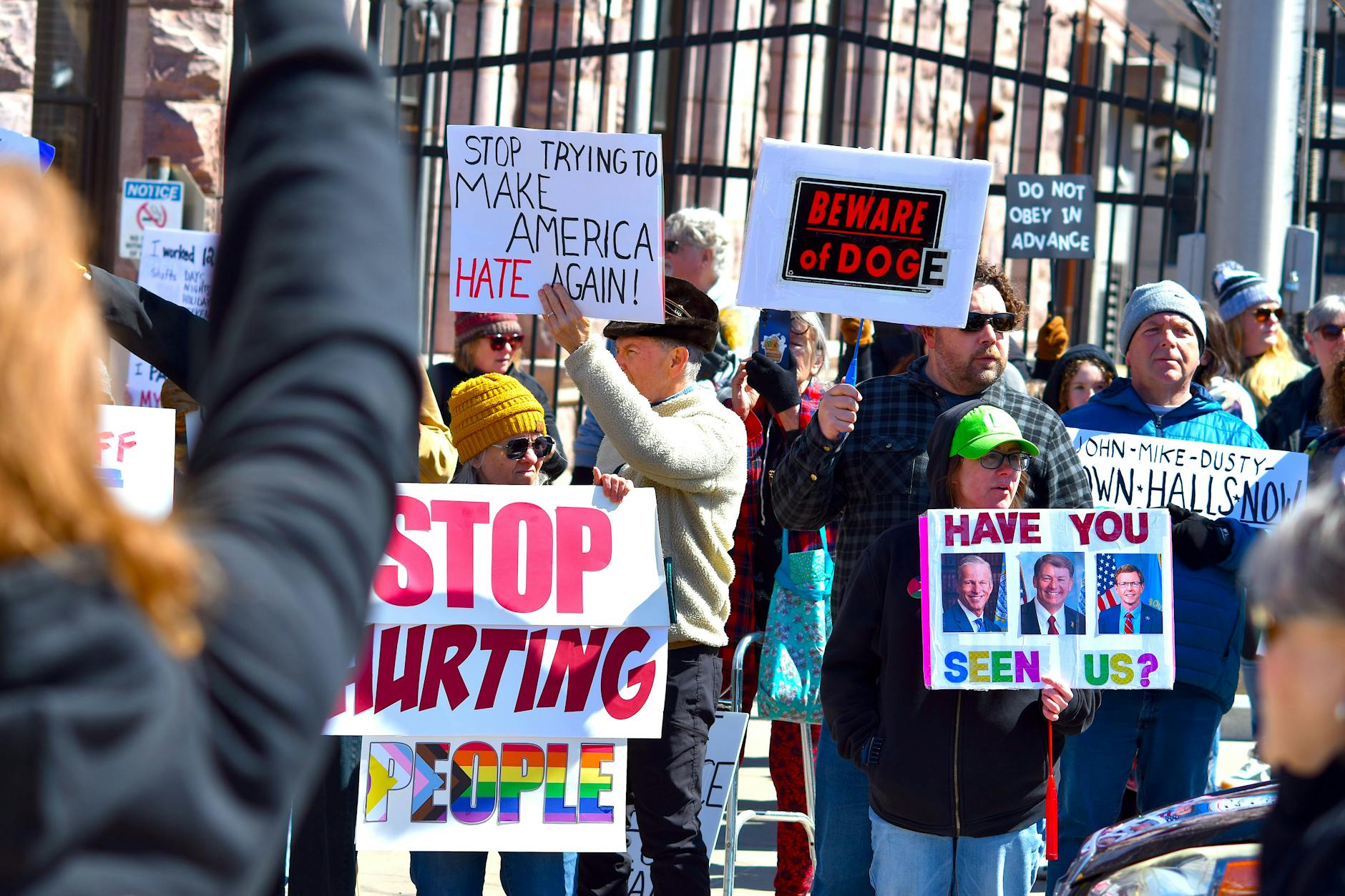
Hate speech is a pervasive issue in the United States, with a staggering 64% of Americans personally experiencing or witnessing hate speech in 2020, according to a Pew Research Center survey. This disturbing trend is a stark reminder of the complex and often conflicting landscape surrounding hate speech in America.
The question of whether hate speech is a crime in the US is a pressing concern for many citizens, policymakers, and law enforcement agencies. The debate is deeply rooted in the country's First Amendment, which guarantees freedom of speech. As a result, the issue of hate speech is often shrouded in ambiguity, with different states and jurisdictions having varying interpretations of what constitutes hate speech. The inquiry into whether hate speech is a crime in the US is not just a theoretical exercise, but a practical concern that has real-world consequences for individuals, communities, and society as a whole.
Freedom of Speech vs Hate Speech in the US
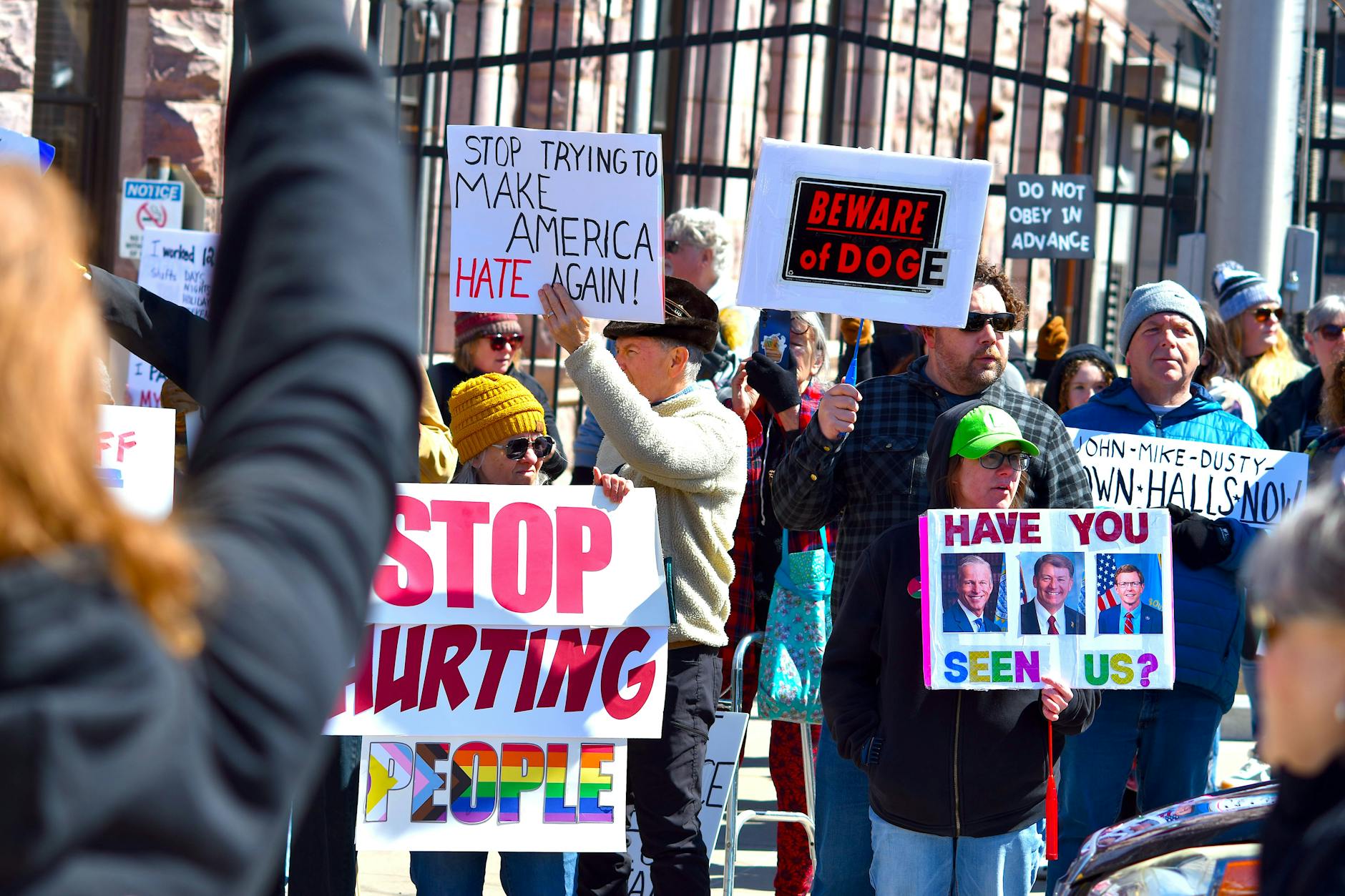
The First Amendment to the US Constitution protects freedom of speech, but it also raises questions about the limits of hate speech. The US Supreme Court has established that hate speech, while protected, is not absolute. In 1949, the court ruled in Terminiello v. Chicago that hate speech can be restricted if it incites violence.
The line between freedom of speech and hate speech can be blurry. According to the Southern Poverty Law Center, there were over 1,000 hate groups in the US in 2020, a 55% increase from 2015. These groups often use social media to spread hate speech and recruit new members. While platforms have implemented policies to limit hate speech, its spread remains a concern.
Courts have also struggled to define hate speech. In 2019, the US Supreme Court declined to hear a case involving a white nationalist who was convicted under a state law for inciting violence. The decision left the issue to the states, allowing each to develop its own laws and policies regarding hate speech.
Defining Hate Speech: A Fuzzy Line in American Law

Hate speech is a pervasive issue in the United States, with varying definitions and consequences across different states. The First Amendment protects freedom of speech, but it also allows for laws that regulate speech deemed harmful or threatening. The line between protected speech and hate speech is often blurred, leaving many to wonder where the boundaries lie.
The Supreme Court has established that speech cannot be banned simply because it is unpopular or offends certain groups. However, speech that incites violence or imminent lawless action can be restricted. The key is determining whether the speech is intended to provoke or intimidate, which can be difficult to discern.
According to the Southern Poverty Law Center, there were over 1,000 hate groups operating in the US as of 2020. While this number may not necessarily reflect the prevalence of hate speech, it highlights the need for clear and consistent laws regulating such speech. The lack of a federal definition of hate speech has led to inconsistent state laws and enforcement, creating a complex landscape for those seeking to navigate this issue.
The absence of a unified federal standard has allowed some states to enact laws that are more restrictive than others. For instance, California has laws that specifically prohibit hate speech and intimidation, while other states have more limited protections. This patchwork of laws can be confusing and may inadvertently infringe upon protected speech.
Inciting Violence: When Speech Turns to Crime
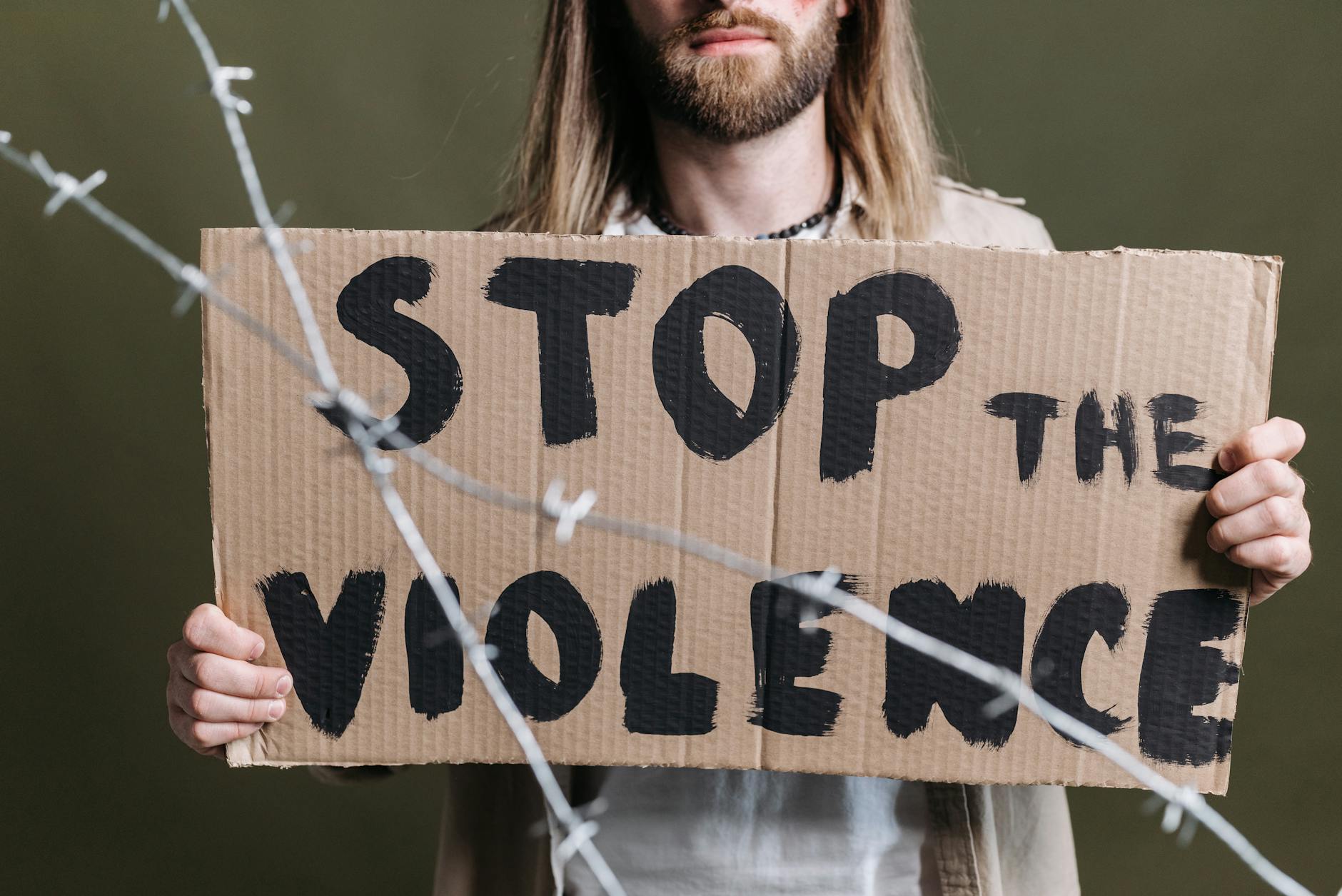
Hate speech, a contentious issue in the United States, has long been a subject of debate among lawmakers and the public. The Supreme Court's 1992 decision in R.A.V. v. St. Paul established that hate speech is protected by the First Amendment, but this protection is not absolute.
Federal laws against inciting violence, such as the Hobbs Act, allow prosecutors to charge individuals with crimes if their speech leads to harm. In 2020, a report by the Anti-Defamation League found that hate crimes increased by 12% in the US. According to the report, "words can be a catalyst for violence."
The line between free speech and incitement can be blurry, and courts often struggle to determine when speech crosses the threshold into crime. For example, in the 1974 case Brandenburg v. Ohio, the Supreme Court ruled that speech can be prohibited if it is intended to incite imminent lawless action.
Enforcing Hate Speech Laws: Challenges and Conundrums

Hate speech laws in the US are often debated and challenged, with many questioning their effectiveness in preventing online harassment and offline violence. According to a recent study, nearly 70% of Americans think that social media companies are not doing enough to prevent online hate speech.
Enforcing hate speech laws poses significant challenges for law enforcement agencies. The First Amendment protects freedom of speech, making it difficult to distinguish between protected speech and hate speech. The Department of Justice has prosecuted several high-profile cases involving hate crimes, but these efforts have been met with criticism from civil liberties groups who argue that such prosecutions undermine free speech.
The lack of clear guidelines on hate speech has led to inconsistent application of the law. For instance, a 2019 Supreme Court ruling clarified that cross-burning is a form of hate speech that can be prosecuted under federal law, but the decision left many questions unanswered. As a result, law enforcement agencies and courts continue to grapple with the complexities of hate speech laws.
Efforts to strengthen hate speech laws have been hampered by concerns about censorship and the potential for abuse of power. Critics argue that overly broad laws could be used to silence marginalized groups or stifle dissenting voices. The delicate balance between protecting free speech and preventing harm remains a major conundrum for lawmakers and law enforcement officials.
Hate Speech and the First Amendment: A Delicate Balance
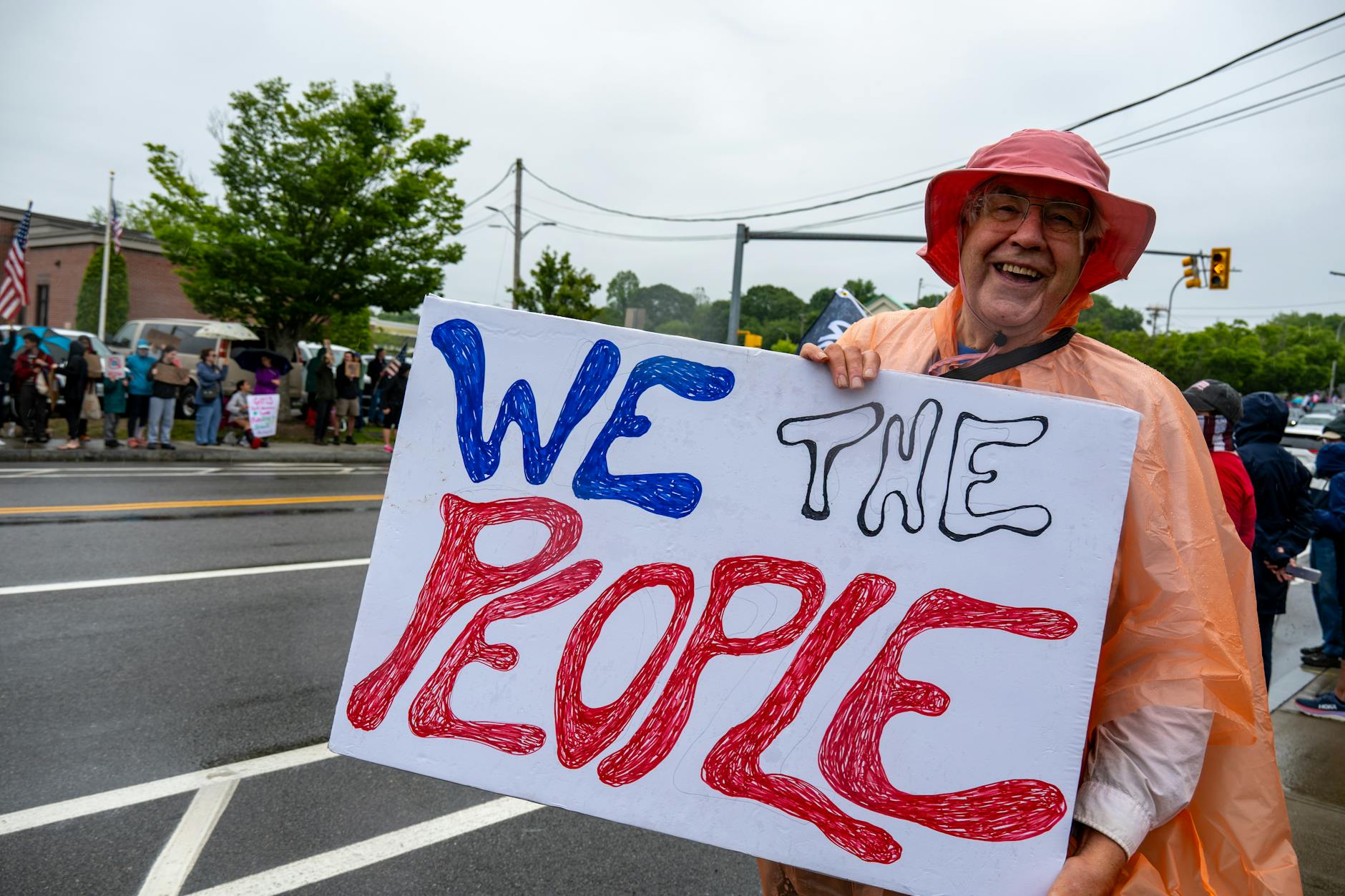
Hate speech has long been a contentious issue in the United States, with many arguing that it should be regulated as a form of incitement to violence or harassment. However, the First Amendment protects freedom of speech, making it a complex and delicate balance to strike.
The Supreme Court has consistently ruled that hate speech is protected under the First Amendment, with the landmark case of Brandenburg v. Ohio (1969) establishing that speech can only be restricted if it is directed towards inciting imminent lawless action. This has led to a thriving online ecosystem where hate groups and individuals can freely express their views.
Recent studies have shown that 60% of Americans believe that social media companies have too much power in regulating hate speech, highlighting the need for a more nuanced approach to addressing online harassment. While some argue that stricter regulations are necessary to protect vulnerable communities, others fear that such measures could infringe upon the fundamental right to free speech.
Given the complexity of this issue, many lawmakers have opted for a more measured approach, introducing legislation that aims to address the root causes of hate speech rather than simply regulating its expression.
As the United States grapples with the complex landscape of hate speech, it's clear that the answer to whether it's a crime is far from straightforward. Currently, federal laws impose limited restrictions on hate speech, while individual states have enacted their own legislation, resulting in a patchwork of protections and loopholes.
To navigate this treacherous terrain, it's essential for individuals and organizations to educate themselves on the specific laws in their state and to report incidents of hate speech to the relevant authorities. Furthermore, ongoing advocacy efforts are necessary to push for more comprehensive federal legislation that protects marginalized communities from hate speech.
As the nation continues to evolve and grapple with issues of social justice, the need for a unified and robust response to hate speech will only continue to grow, requiring continued activism, education, and legislative action to create a safer and more inclusive environment for all.
Need this answered for your specific case?
Get a flat-fee consultation with a verified U.S. immigration attorney. Engagement letter on every paid consult.
Related guides
-
Crime Statistics Debunked: Separating Fact from Fiction in 10 Common Misconceptions
6 min read · Apr 12, 2026
-
One in Five Small Businesses Hit with Cybercrime Every Year, Statistics Reveal
5 min read · Apr 12, 2026
-
More Than 2 Million Americans Fall Victim to Fraud Every Year
6 min read · Apr 12, 2026
This guide provides general legal information and does not create an attorney–client relationship. Information accurate as of July 2026. Always verify current USCIS guidance before acting.