
Shoplifting might seem like a minor offense, but in some states, even a first-time conviction can land individuals behind bars. According to the National Association for Shoplifting Prevention, more than $13 billion worth of goods are stolen from retailers annually, and roughly 10 million Americans are caught shoplifting each year. The consequences can be severe, with some states imposing jail time for first-time offenders.
Understanding the potential penalties is crucial for anyone facing shoplifting charges. The question, "Can you go to jail for shoplifting once?" is a pressing concern for many. Laws vary significantly by state, with some imposing mandatory minimum sentences for even minor thefts. For instance, in Texas, first-time shoplifting offenses can result in up to a year in jail, while in California, the penalties depend on the value of the stolen items. Knowing the local laws and seeking legal advice can make a significant difference in the outcome of a case.
Understanding Shoplifting Laws Across States
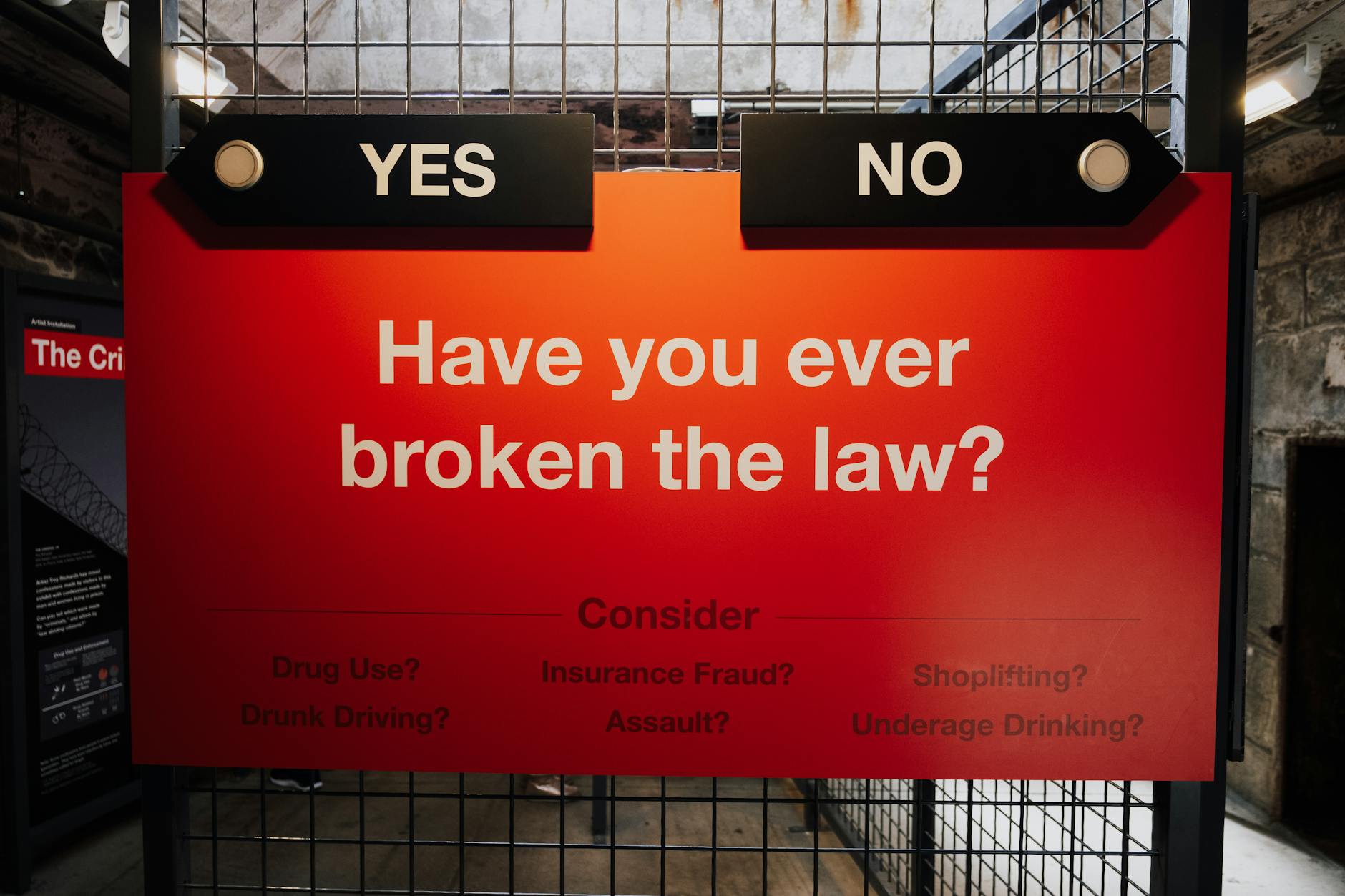
Shoplifting laws vary significantly across the United States, with penalties ranging from minor fines to felony charges. In some states, even a first-time offense can lead to jail time. For instance, Texas classifies shoplifting as a felony when the stolen items exceed $2,500 in value, potentially resulting in up to 10 years in prison. Meanwhile, states like California consider shoplifting a misdemeanor for first offenses, with penalties typically involving fines or community service.
According to the National Association for Shoplifting Prevention, approximately 1 in 11 Americans have shoplifted at some point in their lives. This statistic underscores the widespread nature of the issue and the importance of understanding local laws. Many states have implemented graduated penalties, where the severity of the punishment increases with the value of the stolen items or the number of prior offenses.
Some states have adopted civil recovery laws, allowing businesses to sue shoplifters for damages. These laws can result in hefty fines, even for first-time offenders. For example, in Florida, businesses can seek up to $500 in damages plus attorney's fees. Understanding these variations is crucial for anyone facing shoplifting charges, as the consequences can differ dramatically depending on the state.
Legal experts often advise individuals to consult with a local attorney to navigate the complexities of shoplifting laws. Each state's legal system has unique nuances that can significantly impact the outcome of a case. By seeking professional legal counsel, individuals can better understand their rights and the potential consequences they may face.
Penalties for First-Time Offenders

First-time shoplifting offenders may face a range of penalties, depending on the state and the value of the stolen items. In many jurisdictions, petty theft—typically involving items valued under $500—is classified as a misdemeanor. For such cases, penalties might include fines, community service, or short jail sentences. However, the specifics can vary widely.
Some states implement diversion programs for first-time offenders. These programs often involve attending theft prevention classes or performing community service in lieu of jail time. For instance, a study by the National Association for Shoplifting Prevention found that over 75% of first-time offenders who completed such programs did not reoffend.
In more severe cases, where the value of stolen goods exceeds a certain threshold, first-time offenders may still face felony charges. This can result in more substantial fines and longer jail sentences. The exact threshold varies by state, with some setting it as low as $500 and others as high as $1,000 or more.
Legal experts emphasize the importance of understanding local laws. A defense attorney can provide crucial guidance on potential penalties and available defenses. Seeking legal counsel early in the process can significantly impact the outcome for first-time offenders.
Ultimately, the consequences of shoplifting extend beyond legal penalties. A criminal record can affect employment opportunities and personal reputation. First-time offenders should take the charges seriously and explore all available options to mitigate the impact.
Factors Influencing Jail Time

Several factors determine whether a first-time shoplifting offense results in jail time. The value of stolen items plays a significant role. In many states, petty theft—typically involving items worth less than $500—may lead to misdemeanor charges, while higher-value thefts can escalate to felonies with potential incarceration. A criminal justice expert notes that prosecutors often consider the offender's intent and prior record, even for first-time offenders.
Location matters. Some states treat shoplifting more leniently, offering diversion programs or fines instead of jail time. Others, particularly those with stricter retail theft laws, may impose harsher penalties. For instance, Texas classifies shoplifting as a felony when the value exceeds $750, increasing the likelihood of jail time.
Circumstances surrounding the offense can also influence outcomes. Shoplifting in progress or involving violence typically results in more severe penalties. Conversely, first-time offenders caught with low-value items might receive probation or community service. The judge's discretion ultimately shapes the sentence, making each case unique.
According to the National Association of Shoplifting Prevention, approximately 10 million people are caught shoplifting annually in the U.S. While many avoid jail, the consequences can still be life-altering. Understanding these factors helps individuals recognize the seriousness of shoplifting and its potential legal repercussions.
Alternatives to Incarceration

For first-time shoplifting offenders, incarceration isn't always the inevitable outcome. Many jurisdictions prioritize rehabilitation and restorative justice, offering alternatives that address the root causes of the behavior. These alternatives can include community service, where offenders make amends by contributing to their communities, or restitution programs that require offenders to repay the value of stolen goods.
Education-based programs also play a significant role. According to the National Association of Shoplifting Prevention, cognitive behavioral therapy has shown a 75% success rate in reducing recidivism among shoplifters. These programs help offenders understand the consequences of their actions and develop strategies to avoid future offenses.
Some states implement diversion programs, allowing first-time offenders to avoid formal prosecution by completing specific conditions. These conditions might involve attending counseling sessions, participating in anti-theft workshops, or undergoing regular check-ins with a probation officer. Such programs aim to prevent minor offenses from escalating into more serious criminal records.
Restorative justice practices, such as victim-offender mediation, provide another alternative. These sessions bring together the offender and the victim to discuss the impact of the crime and agree on a resolution. This approach fosters accountability and healing, often leading to more positive outcomes than traditional punishment methods.
Long-Term Consequences of a Shoplifting Conviction

A shoplifting conviction can cast a long shadow over a person's life, extending far beyond the initial legal consequences. The stigma of a criminal record can make finding employment challenging, as many employers conduct background checks and may hesitate to hire someone with a theft conviction. This barrier can persist for years, affecting career advancement and financial stability.
Beyond employment, a shoplifting conviction can impact housing opportunities. Landlords often screen potential tenants, and a criminal record can lead to rejection or higher security deposits. This can create a cycle of instability, making it difficult to secure stable housing and break free from the consequences of the initial offense.
According to the National Association of Professional Background Screeners, a criminal record can also affect personal relationships and social standing. Friends, family, and community members may view the individual differently, leading to social isolation. The long-term psychological impact of these changes can be significant, contributing to stress, anxiety, and other mental health issues.
Moreover, a shoplifting conviction can have lasting financial repercussions. Fines, restitution, and legal fees can add up quickly, creating a financial burden that can take years to overcome. For some, this debt can lead to a cycle of financial instability, making it difficult to move forward.
Legal experts emphasize the importance of understanding these long-term consequences. Seeking legal advice and exploring diversion programs or other alternatives to conviction can help mitigate the lasting impacts of a shoplifting charge. Taking proactive steps can make a significant difference in the long-term outcomes for individuals facing shoplifting allegations.
Shoplifting, even for a first offense, can result in jail time depending on state laws and the value of stolen items. Understanding the potential consequences is crucial for anyone facing such charges. If you or someone you know is dealing with a shoplifting accusation, consulting with a legal professional is a wise step to navigate the complexities of the law. As retail theft continues to evolve with changing shopping behaviors, so too will the legal landscape, making it essential to stay informed about local regulations.
Need this answered for your specific case?
Get a flat-fee consultation with a verified U.S. immigration attorney. Engagement letter on every paid consult.
Related guides
This guide provides general legal information and does not create an attorney–client relationship. Information accurate as of July 2026. Always verify current USCIS guidance before acting.