
Every year, over 10 million Americans are arrested, and with each arrest comes the potential for Miranda rights to be invoked. These rights, established in 1966, serve as a cornerstone of criminal procedure in the United States. Yet, despite their prevalence, many people remain unclear about what Miranda rights entail and why they matter. Understanding these rights is crucial for anyone navigating the legal system, whether as a defendant, a legal professional, or an informed citizen.
What Is Miranda Rights Explained? They are the rights to remain silent and to have an attorney present during questioning, as outlined in the landmark Supreme Court case Miranda v. Arizona. What Is Miranda Rights Explained in practical terms? They ensure that individuals in police custody are aware of their constitutional protections against self-incrimination and coercion. Knowing these rights can significantly impact the outcome of a legal case, making it essential for everyone to grasp their fundamentals.
Origins of Miranda Rights

The origins of Miranda Rights trace back to a pivotal 1966 Supreme Court case, Miranda v. Arizona. This landmark decision emerged from the arrest of Ernesto Miranda, whose conviction was overturned due to concerns about coerced confessions. The Court ruled that criminal suspects must be informed of their rights before interrogation, establishing a foundation for modern police procedures.
Before this ruling, law enforcement often relied on aggressive interrogation tactics that sometimes led to false confessions. The Supreme Court recognized the need for safeguards to protect individuals' Fifth and Sixth Amendment rights. These amendments guarantee the right against self-incrimination and the right to legal counsel, respectively. The Miranda decision aimed to balance law enforcement's needs with the constitutional rights of the accused.
A study by the Innocence Project found that false confessions contribute to roughly 25% of wrongful convictions later overturned by DNA evidence. This statistic underscores the critical role of Miranda Rights in preventing miscarriages of justice. Legal experts emphasize that these rights serve as a vital check on police power, ensuring fair treatment for all individuals in custody.
The Miranda warning became a standard practice, though its application has evolved over time. Courts have clarified its requirements, emphasizing that the rights must be communicated clearly to suspects. This evolution reflects ongoing efforts to adapt legal protections to changing societal and legal landscapes. The origins of Miranda Rights remain a testament to the justice system's commitment to fairness and due process.
The Five Essential Components

The Fifth Amendment of the U.S. Constitution serves as the foundation for Miranda rights. This constitutional amendment protects individuals from self-incrimination. The Supreme Court established the specific requirements for Miranda rights in the landmark 1966 case Miranda v. Arizona. These rights ensure that suspects understand their legal protections during police interrogations.
A suspect must be informed of their right to remain silent. This is the first essential component of Miranda rights. The warning explicitly states that anything said can be used against the individual in court. This component is crucial as it prevents coerced confessions. According to legal experts, this right is fundamental to a fair trial.
The second component informs the suspect of their right to an attorney. This includes the right to have an attorney present during questioning. If the suspect cannot afford a lawyer, one will be provided. This ensures that individuals receive legal counsel regardless of their financial situation. Studies show that having legal representation significantly improves case outcomes.
The final components involve the waiver of these rights. The suspect must voluntarily, knowingly, and intelligently waive their Miranda rights. This means the waiver must be made without coercion or duress. Law enforcement must confirm that the suspect understands the implications of waiving these rights. Failure to do so can lead to the exclusion of any statements made during interrogation.
When Miranda Rights Apply

Miranda rights, a cornerstone of U.S. criminal procedure, apply in specific circumstances. Law enforcement must inform individuals of their rights when they are in custody and subject to interrogation. This requirement stems from the landmark 1966 Supreme Court case Miranda v. Arizona, which established that self-incrimination protections under the Fifth Amendment necessitate clear communication of rights.
Custody, a key factor, means the individual feels free to leave is not the primary consideration. Instead, the focus is on whether a reasonable person would feel deprived of their freedom. Interrogation, the other critical element, involves any direct questioning or actions likely to elicit an incriminating response. Even indirect questioning can trigger Miranda rights, according to legal experts.
A study by the National Registry of Exonerations found that 12% of wrongful convictions involved cases where Miranda rights were not properly administered. This underscores the importance of adhering to these guidelines. However, exceptions exist, such as when public safety is at risk, allowing for brief, non-custodial questioning without Miranda warnings.
Challenges in Miranda Rights Application
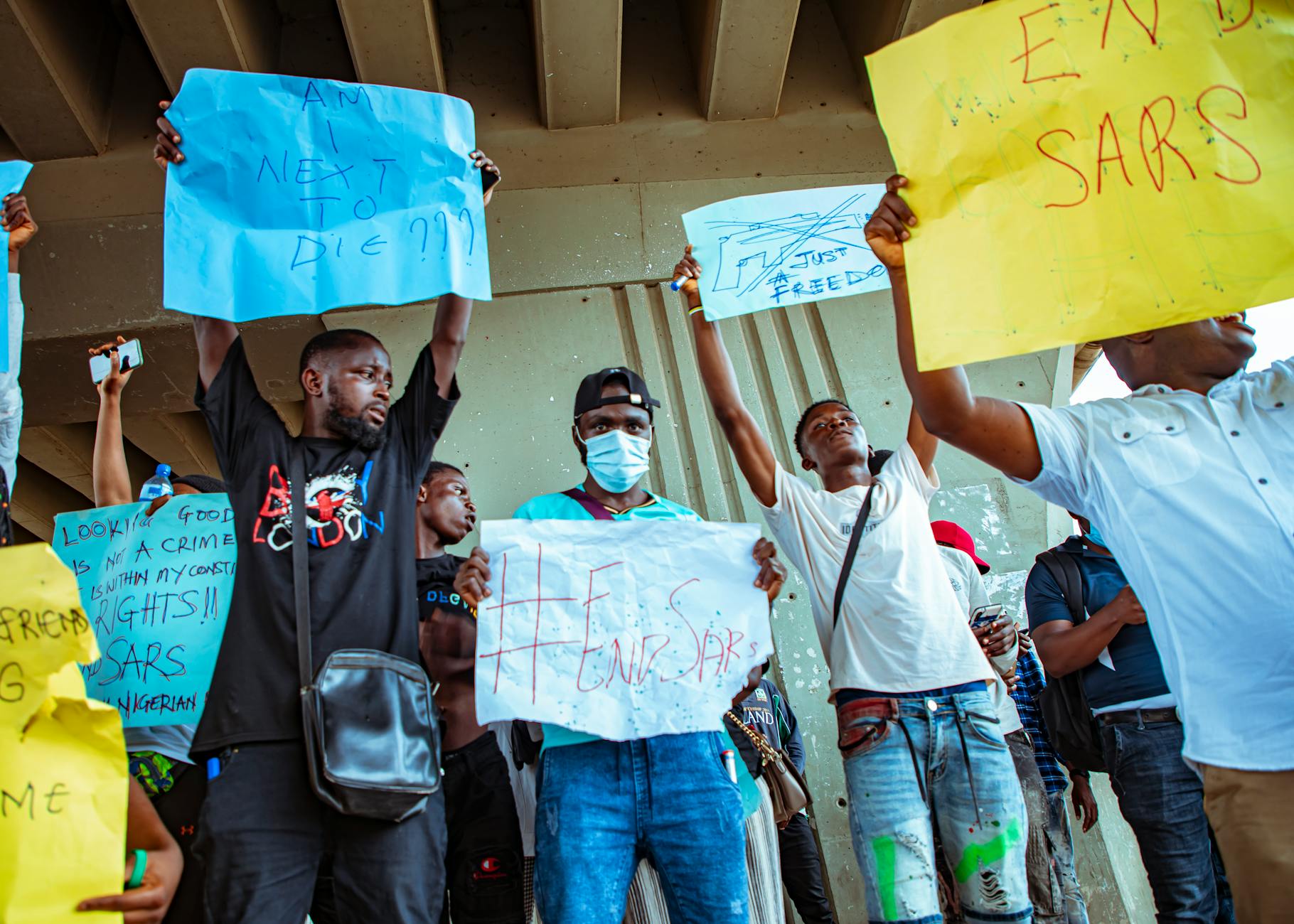
Miranda rights, a cornerstone of criminal procedure, face significant challenges in their practical application. Law enforcement officers often operate in high-pressure situations where time constraints and complex circumstances can lead to oversight. A study by the National Institute of Justice found that in 40% of cases, officers failed to administer Miranda rights correctly, highlighting the need for continuous training and vigilance.
One major hurdle is the interpretation of custodial interrogation. Determining when an individual is in custody can be ambiguous, leading to disputes over whether Miranda warnings were necessary. This gray area has resulted in numerous legal battles, with courts grappling to establish clear guidelines. The Supreme Court has weighed in on several cases, but the nuances of each situation continue to pose challenges for law enforcement and legal professionals alike.
Another critical issue is the understanding of the rights themselves. Suspects, particularly those under extreme stress or with cognitive impairments, may not fully comprehend their rights. This lack of understanding can undermine the effectiveness of Miranda warnings, raising ethical and legal concerns. Experts emphasize the importance of clear, concise communication to ensure suspects are truly informed of their rights.
Language barriers further complicate the application of Miranda rights. In a diverse society, officers must navigate linguistic differences to ensure suspects understand their rights. Miscommunication can lead to violations of due process, underscoring the need for culturally competent law enforcement practices. Training programs that address these challenges are essential to uphold the integrity of the justice system.
Evolving Legal Landscape

The legal landscape surrounding Miranda rights continues to evolve, shaped by judicial interpretations and societal changes. Courts regularly revisit these rulings, adapting them to new scenarios that weren't anticipated when the landmark 1966 decision was made. For instance, the rise of digital communication has prompted discussions on whether Miranda warnings should be updated to address electronic interactions during interrogations.
Recent years have seen a push for broader protections, with some legal scholars advocating for expanded Miranda rights to cover more situations. A 2022 study by the National Institute of Justice found that 68% of Americans support extending these rights to include non-custodial interrogations. This reflects a growing public awareness of constitutional protections and their importance in maintaining fair legal processes.
Another area of evolution involves the language used in Miranda warnings. Courts have begun to recognize the need for clearer, more accessible wording to ensure individuals fully understand their rights. This shift aims to bridge communication gaps, particularly for non-native English speakers or individuals with cognitive impairments. The goal is to make the warnings more effective in practice, not just in theory.
Understanding Miranda rights is crucial for anyone navigating the legal system, as they serve as a vital safeguard against self-incrimination. These five key components—silence, legal representation, understanding of rights, waiver, and revocation—form the backbone of this constitutional protection. To ensure your rights are upheld, always invoke your Miranda rights if arrested and consult with a legal professional promptly. As legal landscapes evolve, staying informed about these rights will remain essential for protecting individual freedoms.
Need this answered for your specific case?
Get a flat-fee consultation with a verified U.S. immigration attorney. Engagement letter on every paid consult.
Related guides
This guide provides general legal information and does not create an attorney–client relationship. Information accurate as of July 2026. Always verify current USCIS guidance before acting.