Facial recognition technology is increasingly prevalent, with estimates suggesting that over half of adults in the United States are already in one or more facial recognition databases. This pervasive surveillance raises significant concerns about privacy and civil liberties. What Are Rights Against Facial Recognition? They are legal protections designed to safeguard individuals from unwarranted intrusion by this technology. As facial recognition systems become more sophisticated, understanding these rights becomes crucial for protecting personal freedoms.
What Are Rights Against Facial Recognition? They empower individuals to challenge the use of facial recognition technology in various contexts. From public protests to everyday activities, facial recognition surveillance can infringe upon personal privacy and freedom of expression. Knowing these rights enables individuals to hold governments and corporations accountable, ensuring that facial recognition technology is used responsibly and transparently. This knowledge is not just for activists or lawyers—it is essential for anyone who values their privacy and wants to navigate a world increasingly dominated by digital surveillance.
Understanding Facial Recognition Laws
Facial recognition technology has rapidly become a ubiquitous tool for law enforcement and private entities, raising significant privacy concerns. Laws governing its use vary widely across jurisdictions, creating a complex legal landscape. In the United States, for instance, there is no federal law specifically addressing facial recognition, leaving a patchwork of state and local regulations. This inconsistency can make it challenging for individuals to understand their rights and protections.
Several states have taken steps to regulate facial recognition. California, for example, enacted the Consumer Privacy Act, which includes provisions related to biometric data like facial recognition. Illinois went further with the Biometric Information Privacy Act, requiring companies to obtain consent before collecting biometric data. These laws provide a framework for individuals to challenge unauthorized use of their facial recognition data.
A 2021 study by the Center for Democracy and Technology found that 40% of Americans are unaware of their rights regarding facial recognition. This lack of awareness underscores the need for clear, accessible information. Legal experts emphasize that understanding these rights is the first step in challenging unwarranted surveillance. Knowing the specific laws in one's state can empower individuals to take action against violations.
Key Legal Protections for Citizens
Citizens possess several key legal protections against unwarranted facial recognition surveillance. The Fourth Amendment of the U.S. Constitution safeguards individuals from unreasonable searches and seizures, which courts have increasingly applied to digital privacy concerns. This protection extends to biometric data, including facial recognition scans, when collected without consent or warrant. Additionally, many states have enacted specific biometric privacy laws, like Illinois' Biometric Information Privacy Act, which requires entities to obtain informed consent before collecting or using biometric identifiers.
Another critical protection comes from the First Amendment, which shields individuals from government retaliation for criticizing or resisting facial recognition programs. A 2021 study by the Center for Democracy & Technology found that 62% of Americans are uncomfortable with law enforcement using facial recognition technology without their knowledge. This discomfort underscores the need for robust legal safeguards against potential abuses of power.
Data protection laws, such as the California Consumer Privacy Act, also play a role in limiting facial recognition surveillance. These laws grant individuals the right to know about and delete personal information collected by businesses, including facial recognition data. However, enforcement of these protections remains inconsistent, highlighting the need for stronger federal regulations.
How to Assert Your Rights
When faced with facial recognition surveillance, individuals possess several legal rights to challenge its use. First, the right to know when and where facial recognition technology is deployed. Transparency is key, and many jurisdictions require organizations to disclose their use of such technology. Requesting this information can often be done through formal channels, such as freedom of information requests.
Another critical right is the ability to opt out of facial recognition systems where possible. Some businesses and public spaces offer alternatives, such as traditional ID checks. According to a recent study, 65% of consumers prefer businesses that provide clear opt-out options. Asserting this right can be as simple as asking for an alternative method of identification.
Legal experts emphasize the importance of understanding the right to challenge inaccurate or biased data. Facial recognition systems are not infallible, and errors can lead to serious consequences. Individuals have the right to contest incorrect matches and demand corrections. This process may involve filing a complaint with the relevant authority or seeking legal counsel.
Finally, the right to privacy underpins all these actions. Privacy laws vary by region, but they generally provide protections against unwarranted surveillance. Knowing these rights empowers individuals to take action when their privacy is compromised. Staying informed and proactive is the best defense against invasive facial recognition practices.
Steps to Challenge Unlawful Surveillance
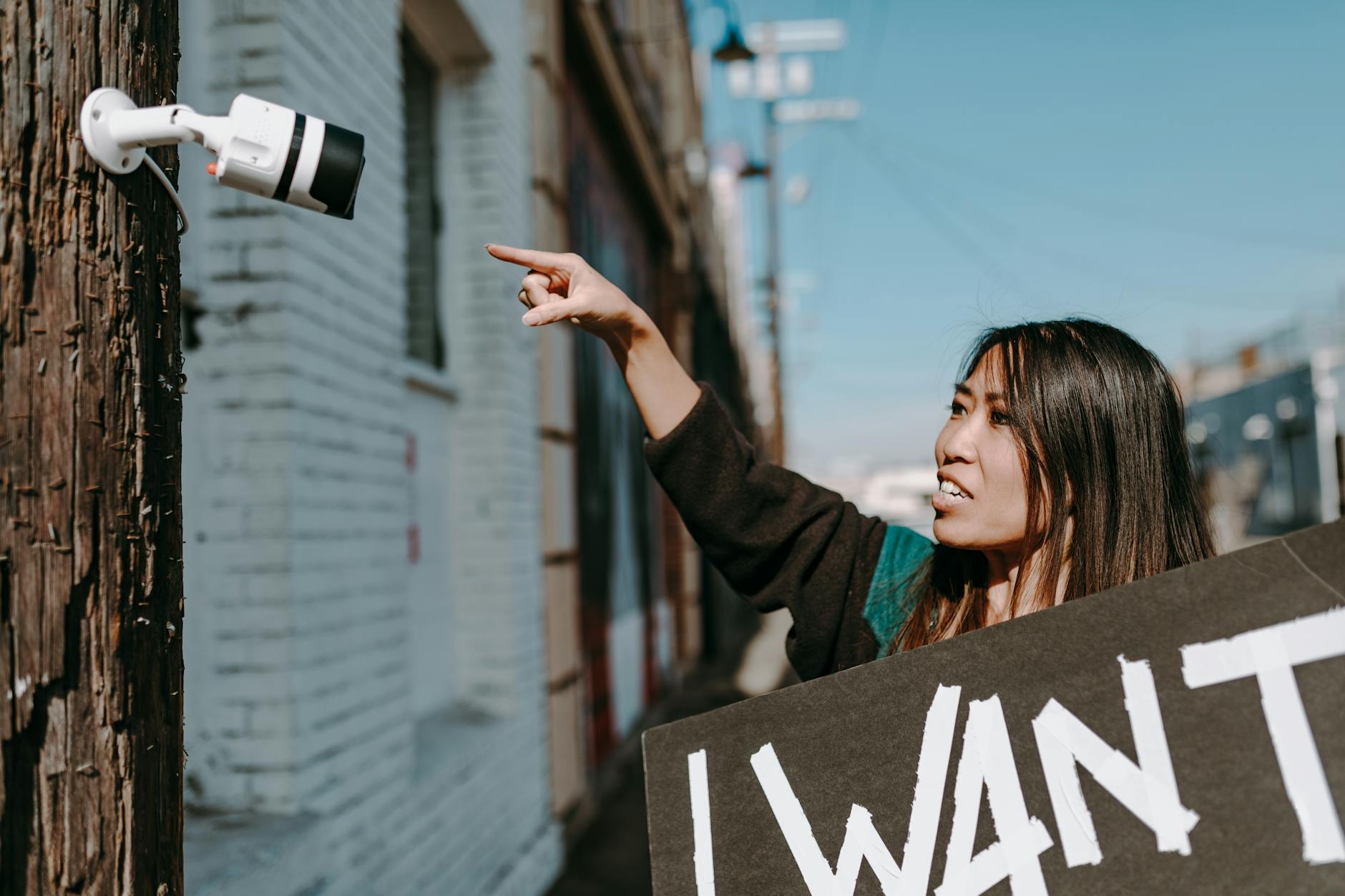
Understanding rights against facial recognition is just the first step. Taking action requires a clear roadmap. The process begins with documenting every instance of potential unlawful surveillance. This includes noting dates, times, locations, and any available evidence like photographs or videos. A privacy rights organization found that 75% of individuals who challenged surveillance had documented evidence supporting their claims.
Next, individuals should familiarize themselves with local, state, and federal laws regarding privacy and surveillance. Laws vary significantly by jurisdiction. Consulting with a legal professional can provide clarity on applicable regulations and the strength of one's case. Experts emphasize that knowledge of specific statutes can greatly enhance the effectiveness of a challenge.
Filing a formal complaint with the relevant authorities is the next critical step. This could involve local law enforcement, regulatory bodies, or government agencies overseeing surveillance practices. The complaint should be detailed, referencing specific laws and providing all documented evidence. Clear and concise communication can expedite the process and increase the likelihood of a favorable outcome.
If initial efforts do not yield results, seeking legal representation becomes essential. Attorneys specializing in privacy and civil rights can navigate complex legal landscapes and advocate effectively on behalf of individuals. Legal action might include filing lawsuits or petitioning for policy changes. Persistence and legal expertise often prove crucial in challenging unlawful surveillance practices.
The Future of Facial Recognition Regulation
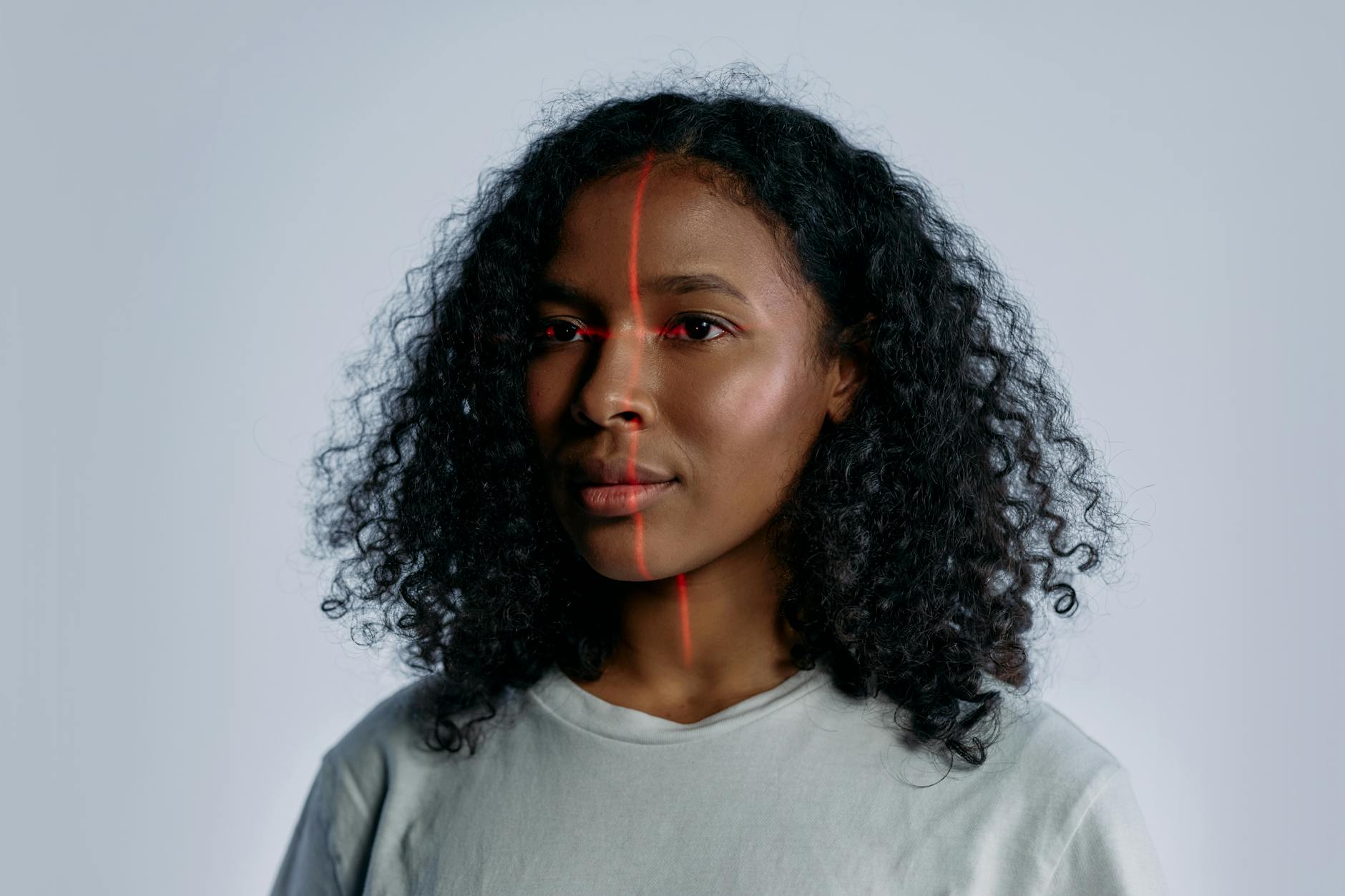
The future of facial recognition regulation hangs in a delicate balance. As technology advances, so do concerns about privacy and civil liberties. Lawmakers worldwide grapple with creating frameworks that foster innovation while protecting individuals. The European Union's proposed Artificial Intelligence Act, for instance, aims to ban facial recognition in public spaces for law enforcement purposes. This move signals a growing trend toward stricter regulations.
Experts argue that clear, consistent rules are crucial. A report by the Center for Democracy & Technology highlights that without proper oversight, facial recognition technology can lead to misuse. The report emphasizes the need for transparency and accountability in how governments and private entities use this technology. Public trust, experts contend, hinges on these principles.
In the U.S., the debate continues. Some states have enacted laws to limit facial recognition use by law enforcement. California, for example, requires law enforcement agencies to obtain a warrant before using the technology. These steps reflect a patchwork of regulations that may evolve into a comprehensive federal policy. The outcome will shape how facial recognition is integrated into society.
Globally, the trajectory of facial recognition regulation remains uncertain. The technology's potential benefits, such as enhancing security, must be weighed against its risks. As discussions unfold, the focus should remain on safeguarding individual rights. The future of facial recognition will likely be defined by this delicate balance.
Knowing your rights is the first step in protecting your privacy from invasive facial recognition surveillance. These legal protections empower individuals to challenge unlawful data collection and demand accountability from both private entities and government agencies. To safeguard your rights, familiarize yourself with local laws and regulations, and don't hesitate to consult legal resources or advocacy groups if you suspect your rights have been violated. As technology advances, the legal landscape will continue to evolve, requiring ongoing vigilance and advocacy to ensure these rights remain robust and effective.
Need this answered for your specific case?
Get a flat-fee consultation with a verified U.S. immigration attorney. Engagement letter on every paid consult.
Related guides
This guide provides general legal information and does not create an attorney–client relationship. Information accurate as of July 2026. Always verify current USCIS guidance before acting.