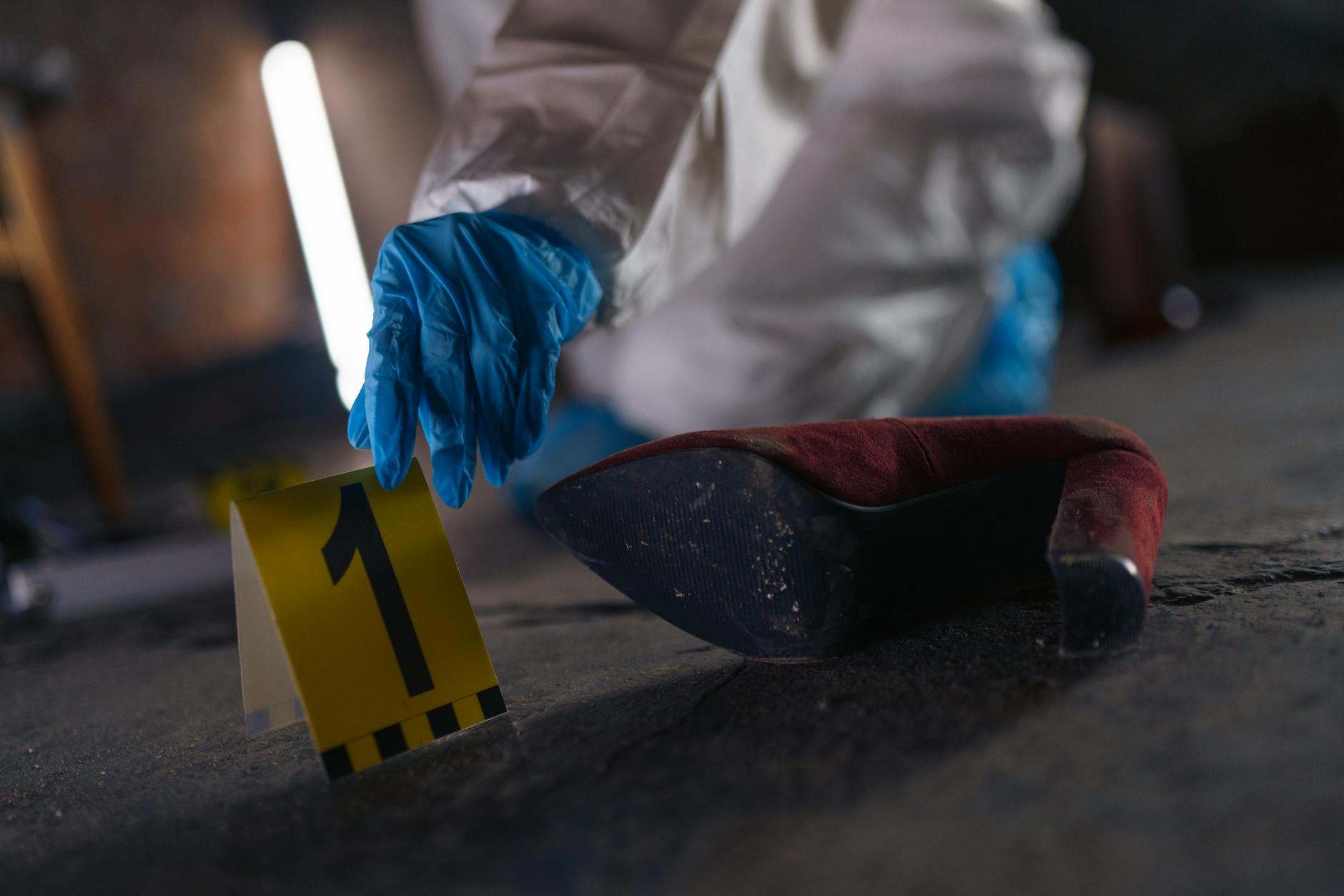
Forensic evidence plays a pivotal role in modern criminal investigations, with studies showing it contributes to case resolution in over 90% of serious crimes. This evidence serves as the silent witness, offering objective insights that can sway jury decisions and shape legal outcomes. From DNA traces to digital footprints, forensic evidence provides a scientific foundation for justice, bridging the gap between suspicion and proof.
Understanding forensic evidence begins with grasping its fundamental nature. What is forensic evidence, explained simply, is any scientific data presented as proof in legal proceedings. It encompasses a broad spectrum of information, from physical traces at crime scenes to digital records. What is forensic evidence, explained in legal terms, is the cornerstone of modern trials, offering impartial, fact-based support for arguments. For lawyers, judges, and jurors, this evidence serves as a critical tool in the pursuit of truth and justice.
Understanding forensic evidence basics
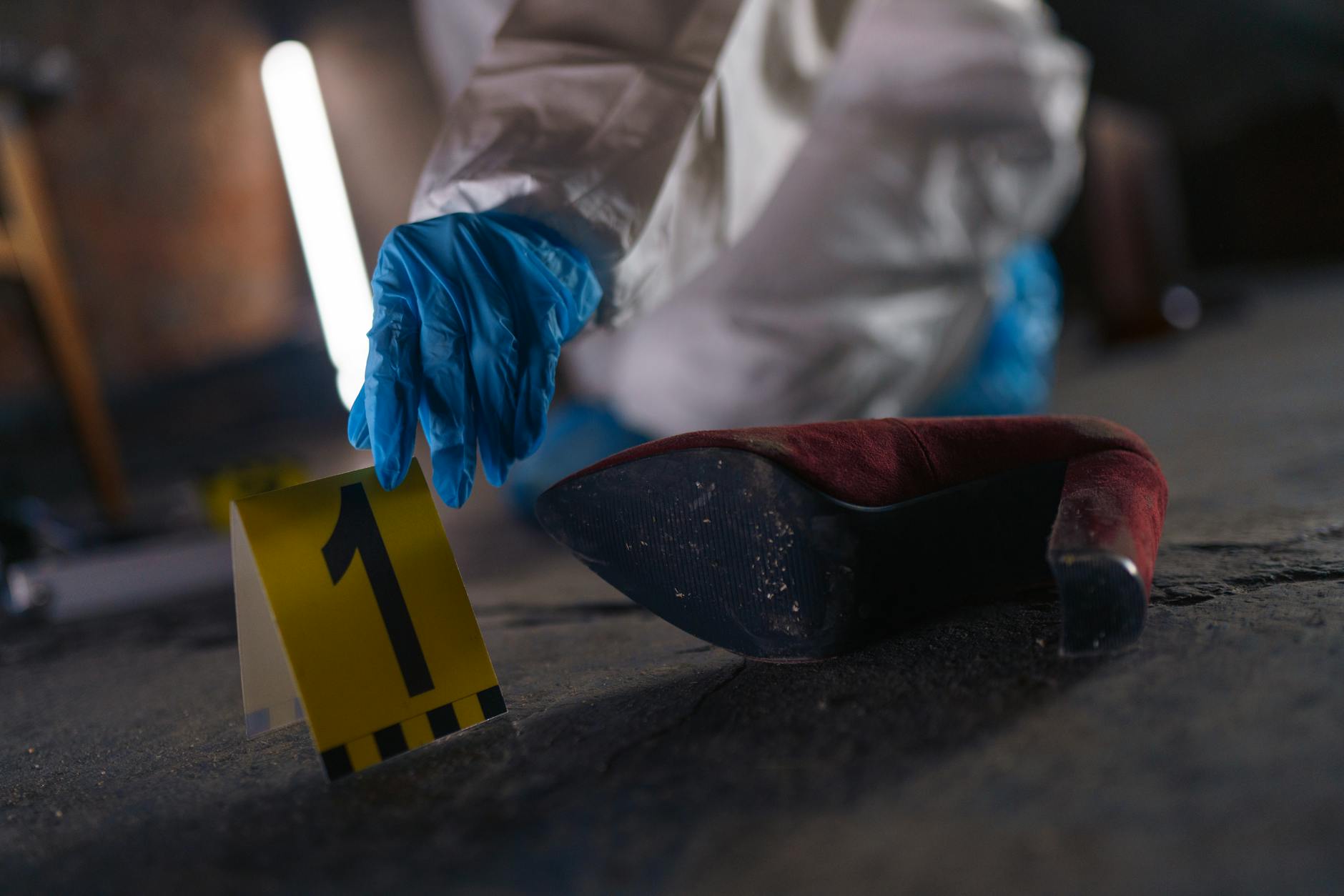
Forensic evidence represents any scientific proof presented in court to establish facts in criminal or civil cases. This evidence can include physical objects, test results, or expert testimony. Its primary purpose is to reconstruct past events accurately, providing clarity in legal proceedings. The reliability of forensic evidence often hinges on the meticulous collection and analysis of data.
According to the National Institute of Justice, forensic evidence plays a crucial role in approximately 40% of criminal cases. It helps investigators piece together the sequence of events, identify suspects, and corroborate witness testimonies. The precision of forensic science has made it indispensable in modern legal systems. Experts emphasize the importance of maintaining chain of custody to ensure the integrity of evidence.
Forensic evidence encompasses various disciplines, including DNA analysis, fingerprint examination, and ballistics. Each type of evidence requires specialized techniques and knowledge. For instance, DNA profiling can link suspects to crime scenes with remarkable accuracy. Similarly, fingerprint analysis relies on unique ridge patterns to identify individuals. The interplay of these disciplines strengthens the overall reliability of forensic findings.
Legal professionals and forensic scientists collaborate closely to interpret and present evidence effectively. The admissibility of forensic evidence in court depends on its relevance, reliability, and the expertise of the presenting witness. Judges and juries must understand the scientific principles behind the evidence to make informed decisions. This collaboration ensures that justice is served based on solid, verifiable facts.
Types of forensic evidence in detail
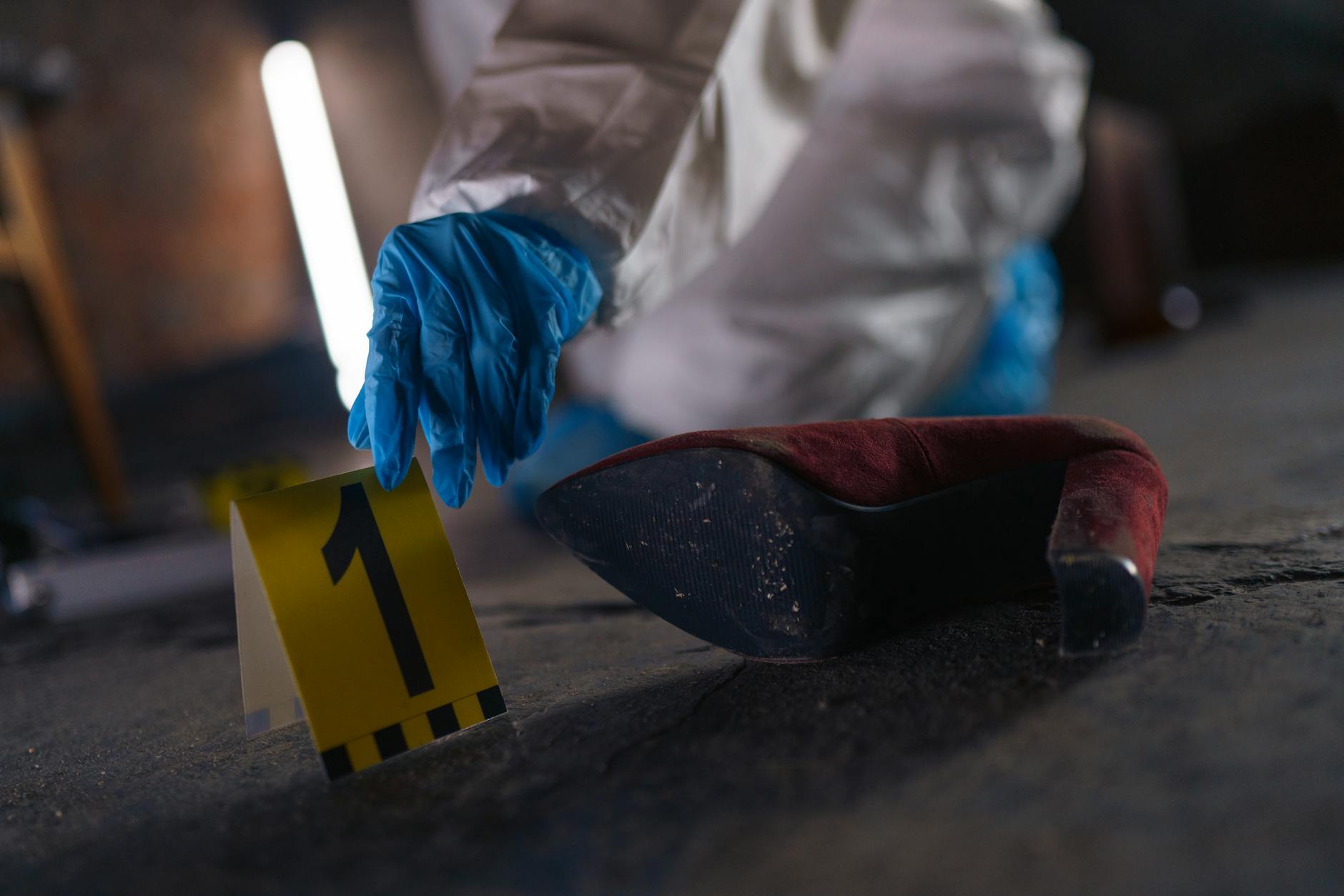
Forensic evidence serves as the cornerstone of modern criminal investigations, providing tangible links between suspects and crimes. Physical evidence, such as fingerprints, DNA, and trace materials, offers concrete proof that can withstand legal scrutiny. Forensic scientists meticulously collect and analyze these materials, ensuring their integrity throughout the process. According to the National Institute of Justice, properly handled physical evidence can significantly increase the likelihood of a successful prosecution.
Biological evidence, including blood, saliva, and hair, holds immense potential for identifying individuals through DNA analysis. This type of evidence has revolutionized forensic science, enabling investigators to connect suspects to crime scenes with remarkable accuracy. The advent of advanced DNA profiling techniques has made it possible to extract genetic information from even the smallest samples. As a result, biological evidence has become a critical tool in solving cold cases and exonerating the innocent.
Digital evidence encompasses data stored on electronic devices, such as computers, smartphones, and tablets. With the proliferation of technology, digital forensics has emerged as a vital discipline within the field. Investigators can recover deleted files, trace online activities, and analyze metadata to build a comprehensive picture of a suspect's actions. The Association of Certified Fraud Examiners reports that digital evidence plays a pivotal role in over 70% of fraud investigations.
Trace evidence consists of minute particles that can transfer between individuals, objects, and environments. Examples include fibers, paint chips, and soil samples. These tiny fragments often provide crucial insights into the circumstances surrounding a crime. Forensic experts use sophisticated techniques to identify and compare trace evidence, helping to establish connections between suspects and crime scenes. The meticulous analysis of trace evidence can often make the difference between a conviction and an acquittal.
Documentary evidence includes written or printed materials that can support or refute allegations in a legal proceeding. This category encompasses a wide range of items, from handwritten notes to digital communications. Forensic document examiners analyze handwriting, ink, and paper to determine authenticity and detect forgeries. The careful examination of documentary evidence can reveal critical information that may influence the outcome of a case.
How forensic evidence shapes court cases
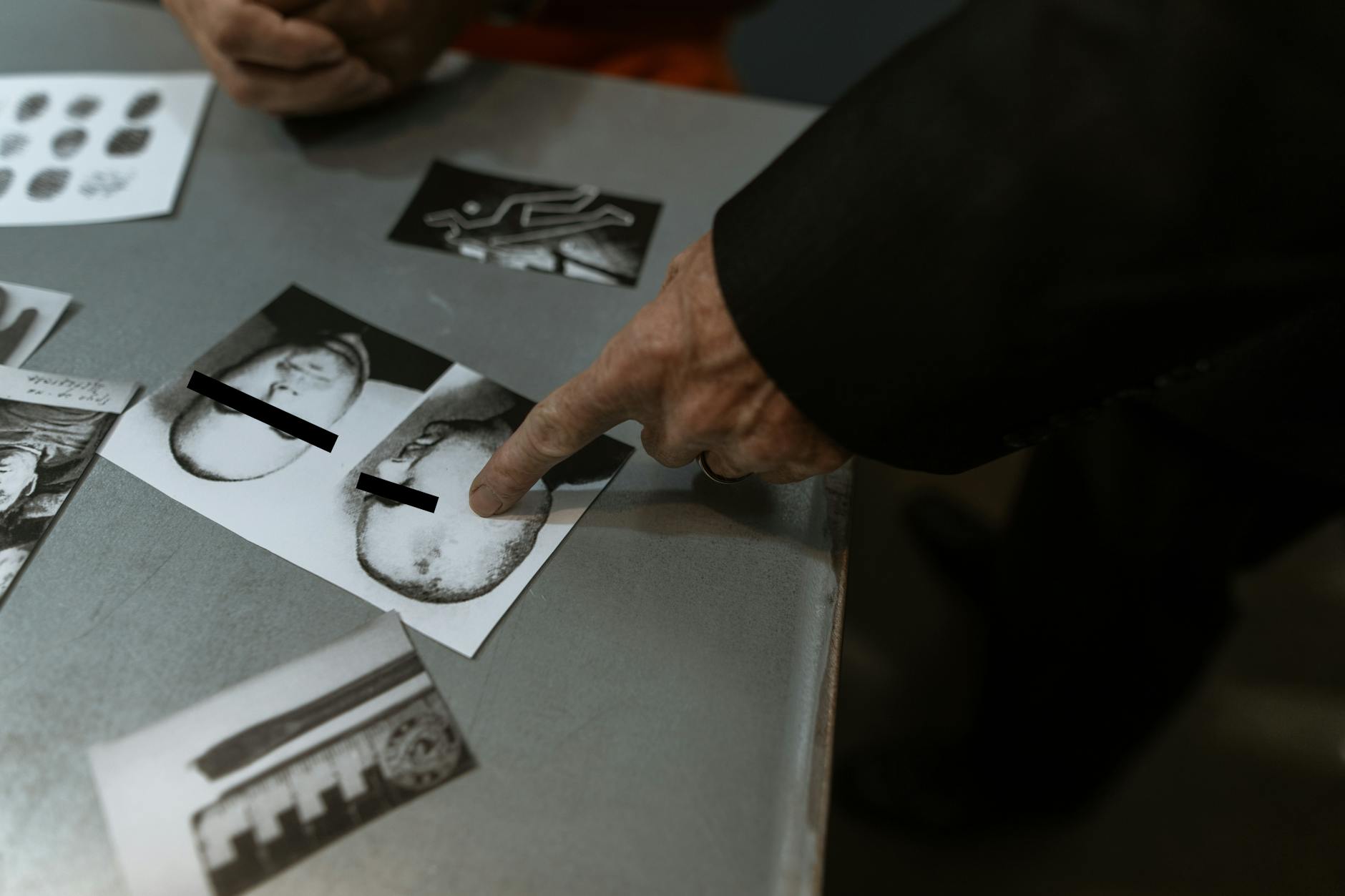
Forensic evidence plays a pivotal role in modern legal proceedings, often serving as the cornerstone of criminal investigations and court cases. This type of evidence encompasses physical traces, digital data, and biological samples that can be analyzed to establish facts and support or refute claims. Forensic scientists meticulously collect and examine these elements, ensuring their integrity and relevance to the case at hand. Their findings can sway jury decisions, influence plea bargains, and even exonerate the innocent.
One of the most compelling aspects of forensic evidence is its ability to reconstruct events with precision. For instance, DNA analysis can link a suspect to a crime scene or exclude them entirely. According to the Innocence Project, DNA evidence has contributed to the exoneration of over 375 wrongfully convicted individuals in the United States alone. This underscores the profound impact forensic science can have on justice.
Beyond DNA, forensic evidence includes fingerprints, ballistics, and digital forensics. Each type of evidence requires specialized techniques and expertise. Forensic experts must adhere to strict protocols to maintain the chain of custody and ensure the evidence's admissibility in court. A single misstep can compromise the entire case, highlighting the critical nature of their work.
In civil cases, forensic evidence can also be instrumental. Accident reconstruction, for example, relies on forensic analysis to determine liability in personal injury or property damage claims. The detailed and objective nature of forensic evidence provides a solid foundation for legal arguments, often leading to fairer outcomes. Its role in the legal system continues to evolve, driven by advancements in technology and scientific methodologies.
Challenges in forensic evidence collection
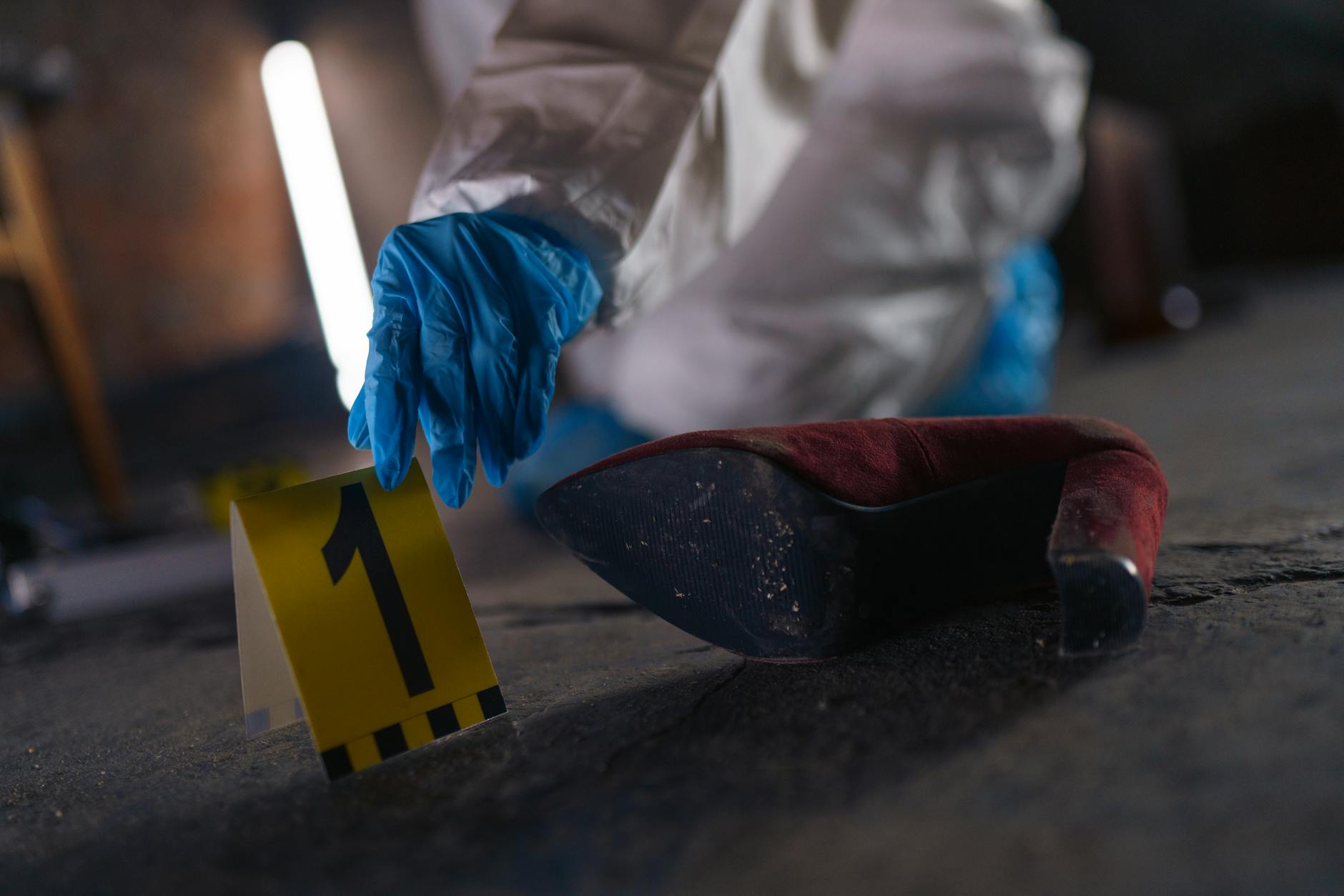
Forensic evidence collection faces numerous challenges that can significantly impact its reliability and admissibility in court. One major hurdle is contamination. Even minor mishandling can compromise DNA, fingerprints, or other trace evidence. Forensic experts emphasize that proper collection protocols are critical to maintaining evidence integrity. A study by the National Institute of Justice found that improper handling leads to case dismissals in 15% of forensic evidence-related trials.
Environmental factors also pose significant threats. Weather conditions, time elapsed, and improper storage can degrade evidence. Blood samples left in heat may break down, while fingerprints can disappear in humid conditions. These factors necessitate swift and meticulous collection procedures. Forensic teams must often work under pressure, balancing speed with precision.
Legal and procedural challenges further complicate evidence collection. Chain of custody documentation must be meticulous to prevent challenges in court. Any gap or irregularity can lead to evidence being deemed inadmissible. Courts scrutinize every step, from collection to presentation, ensuring forensic evidence meets strict legal standards. This rigorous process underscores the importance of trained professionals in forensic science.
The future of forensic science technology
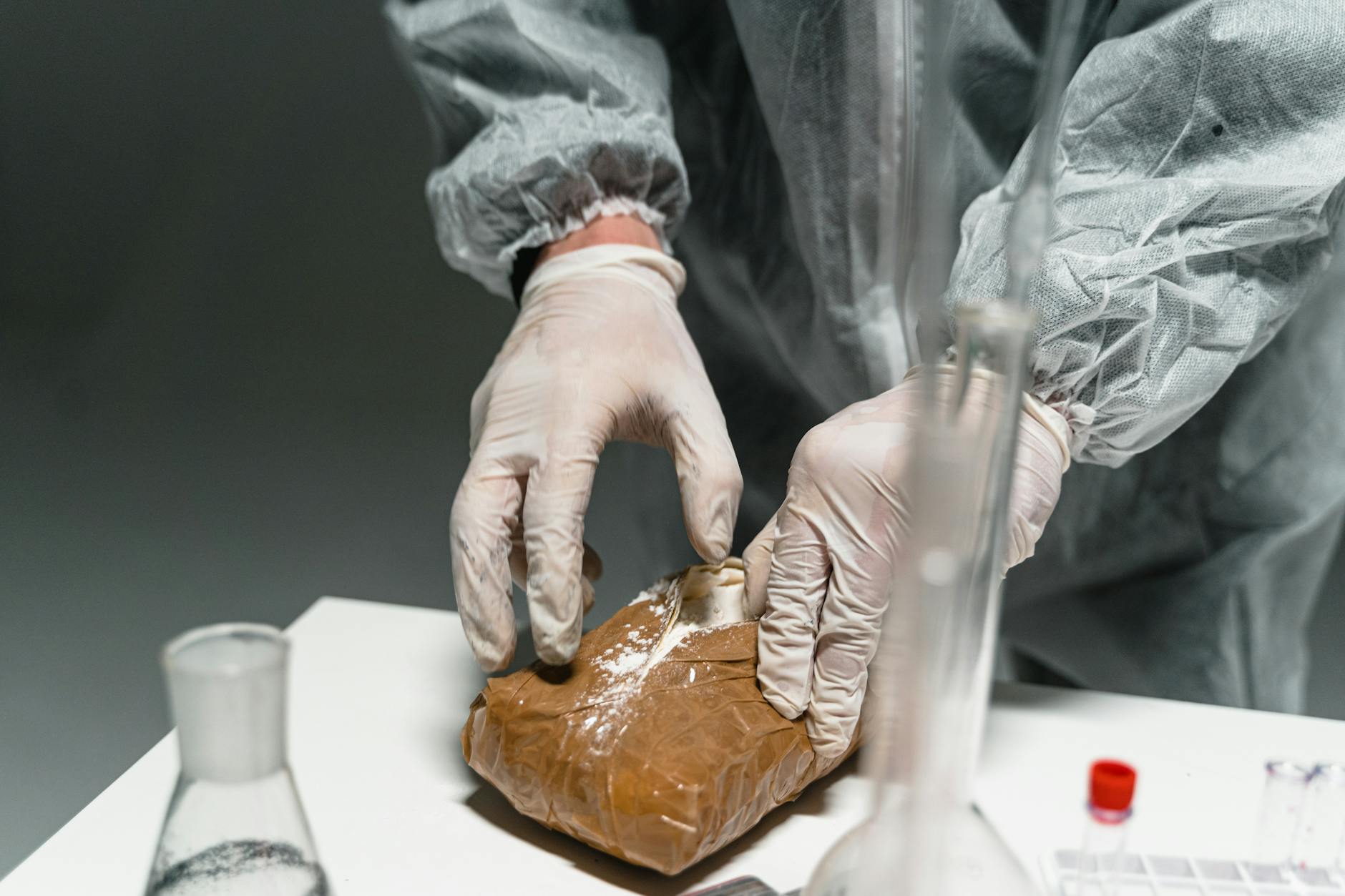
Forensic science technology stands on the brink of a revolution. Advances in artificial intelligence and machine learning promise to transform evidence analysis. These technologies can quickly sift through vast amounts of data, identifying patterns and connections that might elude human investigators. The National Institute of Justice reports that AI could reduce backlogs in forensic labs by up to 30%. This efficiency could significantly speed up criminal investigations and court proceedings.
Genetic genealogy has emerged as a powerful tool in solving cold cases. By comparing DNA samples to genetic databases, investigators can trace familial relationships and identify suspects. This method gained prominence in high-profile cases, such as the Golden State Killer investigation. However, it raises ethical questions about privacy and consent that the legal system must address.
Portable and rapid DNA analysis devices are changing the landscape of forensic science. These tools allow investigators to process DNA samples in the field, providing results in hours rather than days. This immediacy can be crucial in time-sensitive investigations. Experts anticipate that these devices will become standard equipment for law enforcement agencies in the near future.
Virtual reality (VR) and augmented reality (AR) technologies are also making inroads into forensic science. These tools can recreate crime scenes with unprecedented accuracy, allowing investigators to explore and analyze evidence in a virtual environment. This immersive approach can enhance understanding and collaboration among forensic experts, prosecutors, and defense attorneys. As these technologies evolve, they will likely become integral to forensic investigations and courtroom presentations.
Forensic evidence stands as a cornerstone of modern criminal investigations, offering objective insights that can make or break a case. From DNA analysis to digital forensics, these key types of evidence provide a scientific foundation for legal proceedings, ensuring justice is served with precision. For legal professionals and law enforcement, staying updated on the latest forensic techniques and their admissibility in court is crucial. As technology advances, the field of forensic science will continue to evolve, promising even more sophisticated tools to uncover the truth and uphold the integrity of the legal system.
Need this answered for your specific case?
Get a flat-fee consultation with a verified U.S. immigration attorney. Engagement letter on every paid consult.
Related guides
This guide provides general legal information and does not create an attorney–client relationship. Information accurate as of July 2026. Always verify current USCIS guidance before acting.