
Every day, law enforcement officers across the United States conduct searches and seizures, actions that can significantly impact individuals' lives. The Fourth Amendment to the U.S. Constitution serves as a critical safeguard against unreasonable intrusions by the government. What is Fourth Amendment protection? It is the constitutional right that shields people from arbitrary searches and seizures by requiring law enforcement to obtain warrants supported by probable cause.
Understanding what is Fourth Amendment protection is vital for every citizen. It ensures that individuals can live their lives without the constant threat of government overreach. The Fourth Amendment protection applies to homes, vehicles, and personal belongings, requiring law enforcement to adhere to strict procedures. This protection is not just a legal formality; it is a cornerstone of personal freedom and privacy in America.
Origins of the Fourth Amendment
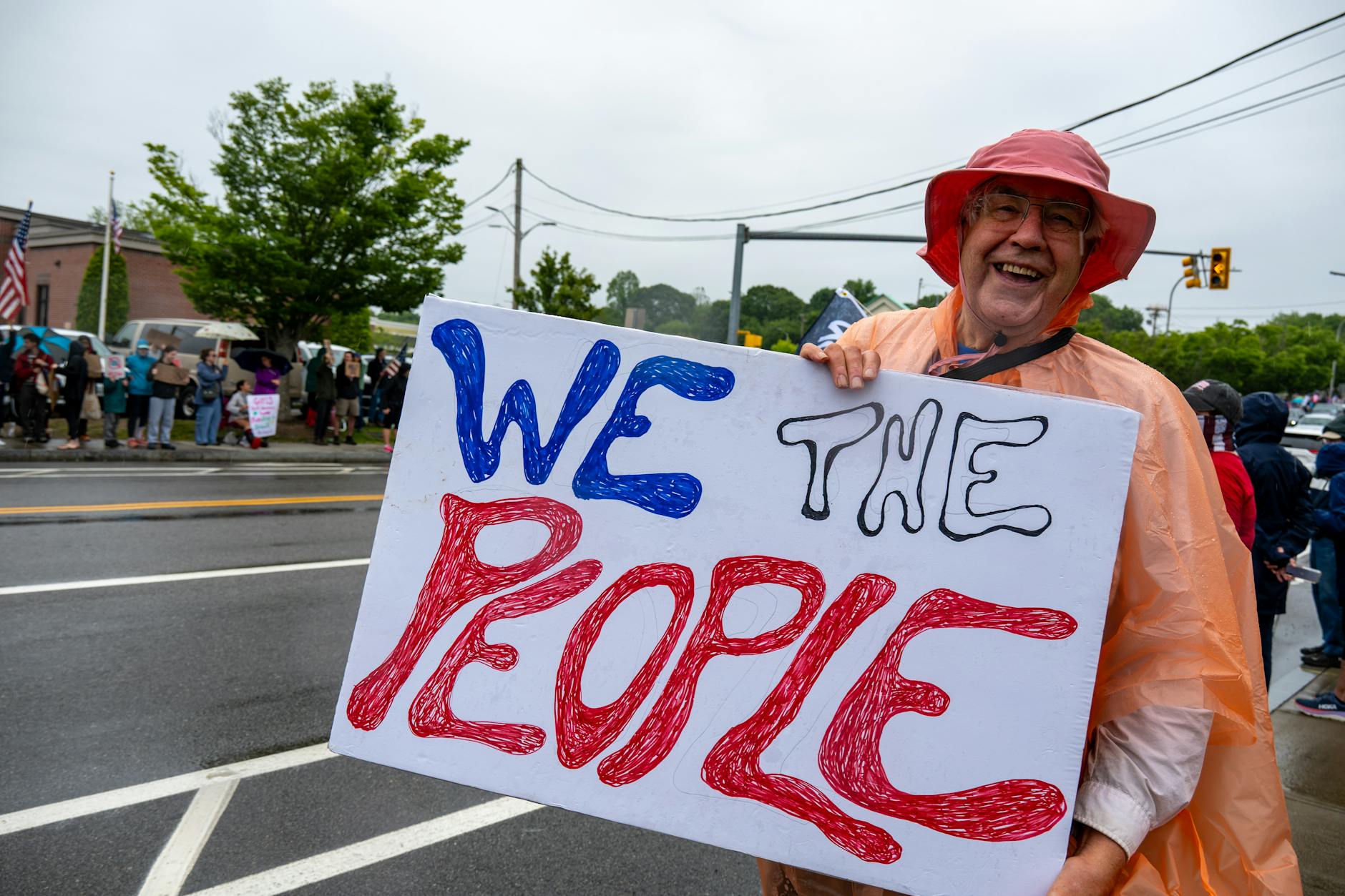
The Fourth Amendment emerged from a deep-seated distrust of British authorities' abusive search practices during colonial times. Colonists resented the use of general warrants, which allowed officials to search homes and seize property without clear justification. These intrusive tactics fueled revolutionary fervor and became a driving force behind the American independence movement.
After gaining independence, the framers of the U.S. Constitution sought to protect citizens from similar abuses by law enforcement. The Fourth Amendment was ratified in 1791 as part of the Bill of Rights, explicitly prohibiting unreasonable searches and seizures. It requires that warrants be supported by probable cause and describe the place to be searched or the person or thing to be seized.
According to legal scholars, the Fourth Amendment reflects a balance between individual privacy rights and the government's need to maintain order. Over time, courts have interpreted and applied these protections in various contexts, shaping modern understandings of search and seizure laws. Today, the amendment serves as a cornerstone of American civil liberties.
Core principles of search and seizure

The Fourth Amendment establishes core principles that govern search and seizure practices. At its heart lies the requirement of reasonableness, ensuring government actions do not infringe upon individual privacy rights. This principle balances law enforcement needs with constitutional protections, creating a framework for judicial review of search and seizure cases.
Warrants play a crucial role in this framework. Generally, searches and seizures require a warrant issued by a judge, based on probable cause. This safeguard prevents arbitrary actions by law enforcement. Exceptions exist, such as exigent circumstances, but these must meet strict constitutional standards. According to legal experts, about 90% of search warrants are approved by judges, reflecting the balance between security and privacy.
Another key principle is particularity. Warrants must specify the place to be searched and the items to be seized. This prevents overly broad searches that could violate privacy rights. The Supreme Court has consistently upheld this requirement, reinforcing the amendment's protections. Additionally, the amendment prohibits unreasonable seizures of persons, further extending its scope beyond property searches.
These principles work together to create a robust system of protections. By requiring warrants, emphasizing particularity, and prohibiting unreasonable actions, the Fourth Amendment safeguards individual rights. This framework has evolved through judicial interpretation, adapting to new challenges while maintaining its core principles. The amendment's protections remain vital in contemporary society, ensuring a balance between security and liberty.
Real-world applications of Fourth Amendment
The Fourth Amendment plays a crucial role in everyday law enforcement, shaping how police interact with citizens. For instance, it requires officers to obtain a warrant based on probable cause before conducting searches or seizures. This protection extends to homes, vehicles, and personal belongings, ensuring individuals' privacy rights are respected. Without these safeguards, police could conduct arbitrary searches, leading to potential abuses of power.
In the digital age, the Fourth Amendment has evolved to address new challenges. Courts have grappled with issues like cell phone searches and GPS tracking, applying the amendment's principles to modern technology. A study by the Pew Research Center found that 74% of Americans believe their privacy is compromised by digital surveillance. These cases highlight the amendment's adaptability in protecting individuals from unreasonable intrusions in an increasingly connected world.
Traffic stops provide another real-world example of Fourth Amendment protections. Police must have reasonable suspicion to pull over a vehicle. During these stops, officers can only search the car if they have probable cause or the driver consents. This balance between public safety and individual rights underscores the amendment's practical significance in daily life.
Legal experts emphasize the amendment's role in maintaining public trust in law enforcement. According to a senior legal analyst, "The Fourth Amendment serves as a critical check on police power, ensuring that investigations are conducted fairly and respectfully." This trust is essential for effective policing and a just society.
Challenges in the digital age

In the digital age, the Fourth Amendment faces formidable challenges. Technology has outpaced legal frameworks, creating gray areas where privacy rights become blurred. Law enforcement agencies now possess sophisticated tools capable of collecting vast amounts of data. A 2021 study by the Pew Research Center revealed that 79% of Americans worry about how companies and the government use their data. This concern underscores the need for robust Fourth Amendment protections in the digital sphere.
One significant challenge is the interpretation of what constitutes a "search" in the digital context. Traditional notions of physical intrusion no longer apply. Courts grapple with defining reasonable expectations of privacy in an era of cloud computing and ubiquitous surveillance. The Supreme Court's rulings, such as in Carpenter v. United States, have begun to address these issues. However, the legal landscape remains fragmented and evolving.
Another hurdle is the balance between national security and individual privacy. Governments argue for expansive surveillance powers to combat terrorism and cybercrime. Critics contend that such measures infringe upon Fourth Amendment rights. The debate intensifies as technology advances, making it easier to monitor communications and track movements. Striking the right balance requires careful consideration of both security needs and constitutional protections.
Legal experts emphasize the importance of adapting the Fourth Amendment to the digital age. They advocate for clear guidelines and updated legislation. Without these, the risk of unreasonable searches and seizures grows. The challenge lies in crafting laws that protect privacy without hindering technological progress. The Fourth Amendment must evolve to safeguard individuals in an increasingly connected world.
Evolving interpretations of privacy rights

The Fourth Amendment's protection against unreasonable searches and seizures has evolved significantly since its ratification in 1791. Initially, the amendment primarily addressed physical intrusions into homes and personal property. However, as technology advanced, so did interpretations of what constitutes an unreasonable search. Courts now grapple with issues like digital privacy, warrantless surveillance, and the extent to which law enforcement can access personal data stored on electronic devices.
One pivotal moment in this evolution was the Supreme Court's 2012 decision in United States v. Jones, which ruled that attaching a GPS tracking device to a vehicle without a warrant constituted a search under the Fourth Amendment. This case marked a shift towards recognizing that privacy rights extend beyond physical spaces into the digital realm. The ruling underscored the need for law enforcement to obtain warrants for electronic surveillance, reflecting the growing importance of digital privacy in modern society.
According to a recent study by the Pew Research Center, 91% of Americans believe that their personal data should be protected from government surveillance. This widespread concern highlights the public's growing awareness of privacy rights in the digital age. As technology continues to advance, courts will likely face new challenges in defining the boundaries of Fourth Amendment protection, ensuring that it remains relevant in an ever-changing landscape.
Legal scholars argue that the Fourth Amendment's flexibility allows it to adapt to new technological challenges. For instance, the rise of social media and cloud computing has raised questions about the extent to which law enforcement can access personal information shared online. Courts will need to balance the need for law enforcement to investigate crimes with the right of individuals to maintain their privacy. This ongoing dialogue ensures that the Fourth Amendment continues to evolve, protecting citizens' rights in an increasingly digital world.
The Fourth Amendment stands as a vital safeguard against government overreach, ensuring individuals' rights to privacy and security in their homes, persons, and property. Its protections against unreasonable searches and seizures form the bedrock of American civil liberties, requiring law enforcement to obtain warrants based on probable cause. To navigate these rights effectively, citizens should familiarize themselves with the specifics of Fourth Amendment protections and know when to assert them. As technology and law enforcement tactics evolve, the interpretation and application of these protections will continue to shape the balance between public safety and individual freedoms.
Need this answered for your specific case?
Get a flat-fee consultation with a verified U.S. immigration attorney. Engagement letter on every paid consult.
Related guides
This guide provides general legal information and does not create an attorney–client relationship. Information accurate as of July 2026. Always verify current USCIS guidance before acting.