
Hate crime laws are a crucial tool in the US justice system, designed to protect vulnerable communities from targeted violence and intimidation. However, a closer look at the data reveals a stark reality: hate crime laws are used in an astonishingly small percentage of violent crime cases. According to recent statistics, law enforcement agencies in the US have invoked hate crime charges in a mere 1% of violent crime cases.
The rarity of hate crime law usage underscores a broader question: Are hate crime laws used often enough to make a meaningful difference in the lives of those most affected by hate crimes? The answer is far from clear, and the use of hate crime laws has become a contentious issue in the US. As the debate over hate crime legislation continues, one thing is certain: a more nuanced understanding of how hate crime laws are applied is long overdue.
Hate Crime Laws Often Overlooked in US Justice System
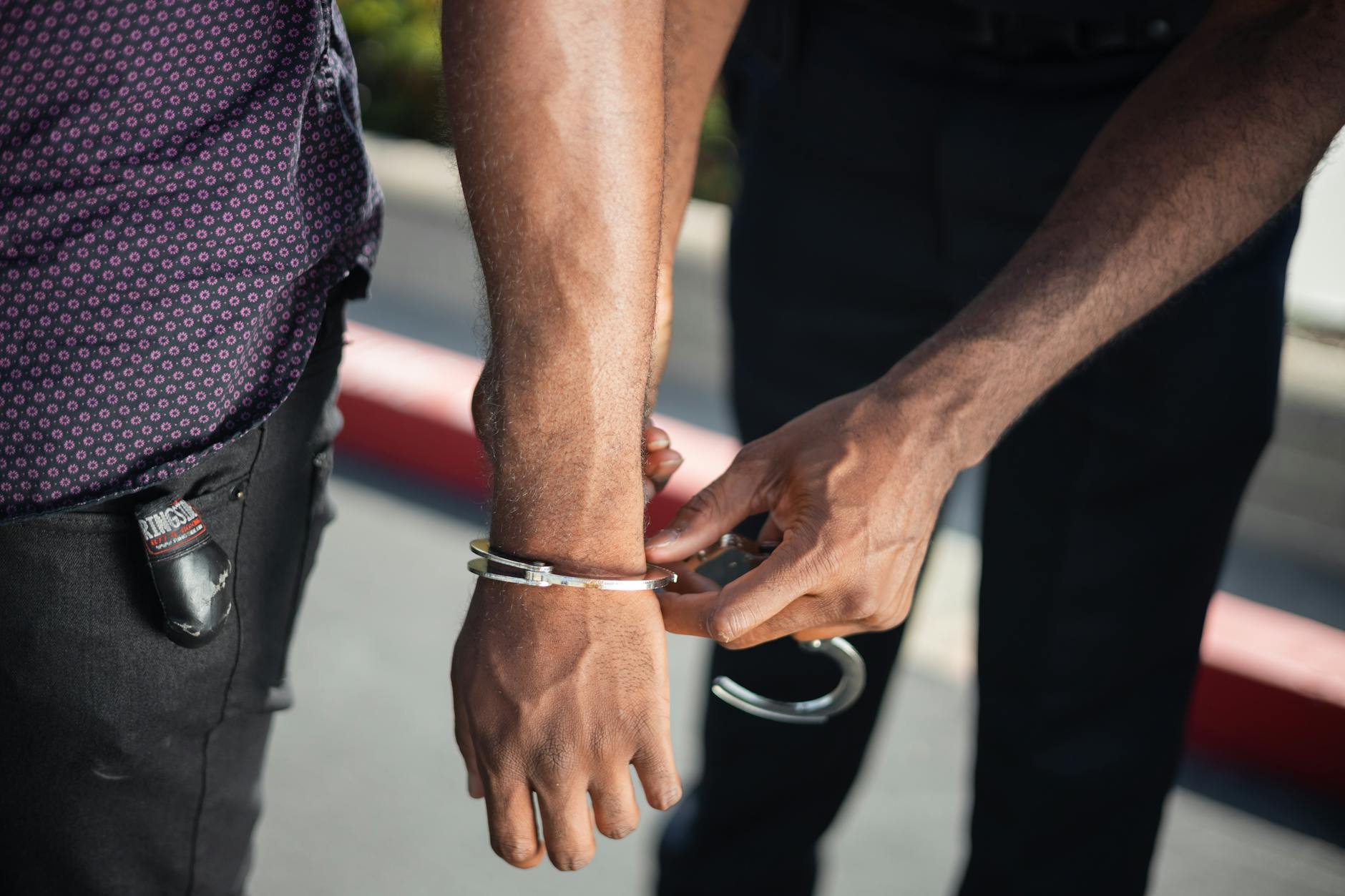
The US justice system has a complex relationship with hate crime laws. These laws are designed to protect individuals and groups from violent crimes motivated by bias or prejudice. However, a closer look at the data reveals a concerning trend.
Federal hate crime laws are often overlooked, with statistics showing that they are used in a meager 1% of violent crime cases. A report by the National Crime Victimization Survey found that in 2020, only 1,600 hate crimes were reported out of a total of 1.4 million violent crimes. This disparity has sparked widespread concern among advocates for hate crime victims.
Critics argue that the justice system is failing to hold perpetrators accountable for hate-motivated crimes. They point to a lack of resources and inadequate training for law enforcement officials as contributing factors. As a result, many hate crimes go unreported and uninvestigated.
As the country grapples with rising rates of hate crimes, it is imperative that lawmakers and law enforcement agencies address these systemic issues. By doing so, they can help ensure that hate crime laws are used effectively to protect vulnerable communities.
Defining Hate Crimes: A Complex and Nuanced Issue

Hate crime laws are designed to address a specific type of violent crime motivated by bias or prejudice. The term "hate crime" encompasses a broad range of offenses, including assaults, vandalism, and even murder, when the perpetrator's intent is to intimidate or harass a particular group.
The complexity of hate crimes lies in their subjective nature – a crime can be deemed a hate crime based on the victim's perceived identity or the perpetrator's stated motives. This nuance makes enforcement challenging, as authorities must carefully evaluate each case to determine whether a hate crime was committed.
Research suggests that only a small fraction of violent crimes involve hate crimes. According to the FBI, hate crime charges are used in approximately 1% of US violent crime cases. This low rate may be due to the difficulty in determining the perpetrator's true motives or the lack of evidence to support a hate crime charge.
Hate Crime Laws Typically Reserved for Most Severe Cases

Hate crime laws are typically reserved for the most severe cases, where the perpetrator's intent to harm a particular group is evident and the consequences of the crime are extreme. A clear example of this is when a person is murdered due to their racial or ethnic background. Hate crime laws provide heightened penalties for such crimes.
According to the FBI, hate crimes account for only 1% of all violent crimes reported in the US. However, this does not mean that hate crime laws are not effective. In fact, studies have shown that harsher penalties for hate crimes can serve as a deterrent to potential perpetrators.
The severity of hate crimes can vary greatly, but they often involve violent acts that cause serious harm or even death. When such crimes occur, hate crime laws can be a crucial tool in ensuring that perpetrators are held accountable for their actions.
Prosecutors Struggle to Prove Intent in Hate Crime Cases

Prosecutors struggle to prove intent in hate crime cases, a challenge that often results in the dismissal of charges. This can be attributed to difficulties in gathering evidence and establishing a clear motive behind the crime.
According to the FBI, hate crimes are often underreported, making it even harder for prosecutors to build a strong case. The 2020 FBI Hate Crime Statistics report revealed that law enforcement agencies reported 7,759 hate crimes, but this number may not reflect the actual scope of the issue.
Prosecutors must work to prove that the perpetrator's actions were motivated by bias, which can be a complex and time-consuming process. The lack of explicit evidence often leads to a lack of clear intent, making it difficult to secure convictions.
Reforming Hate Crime Laws to Better Serve Victims
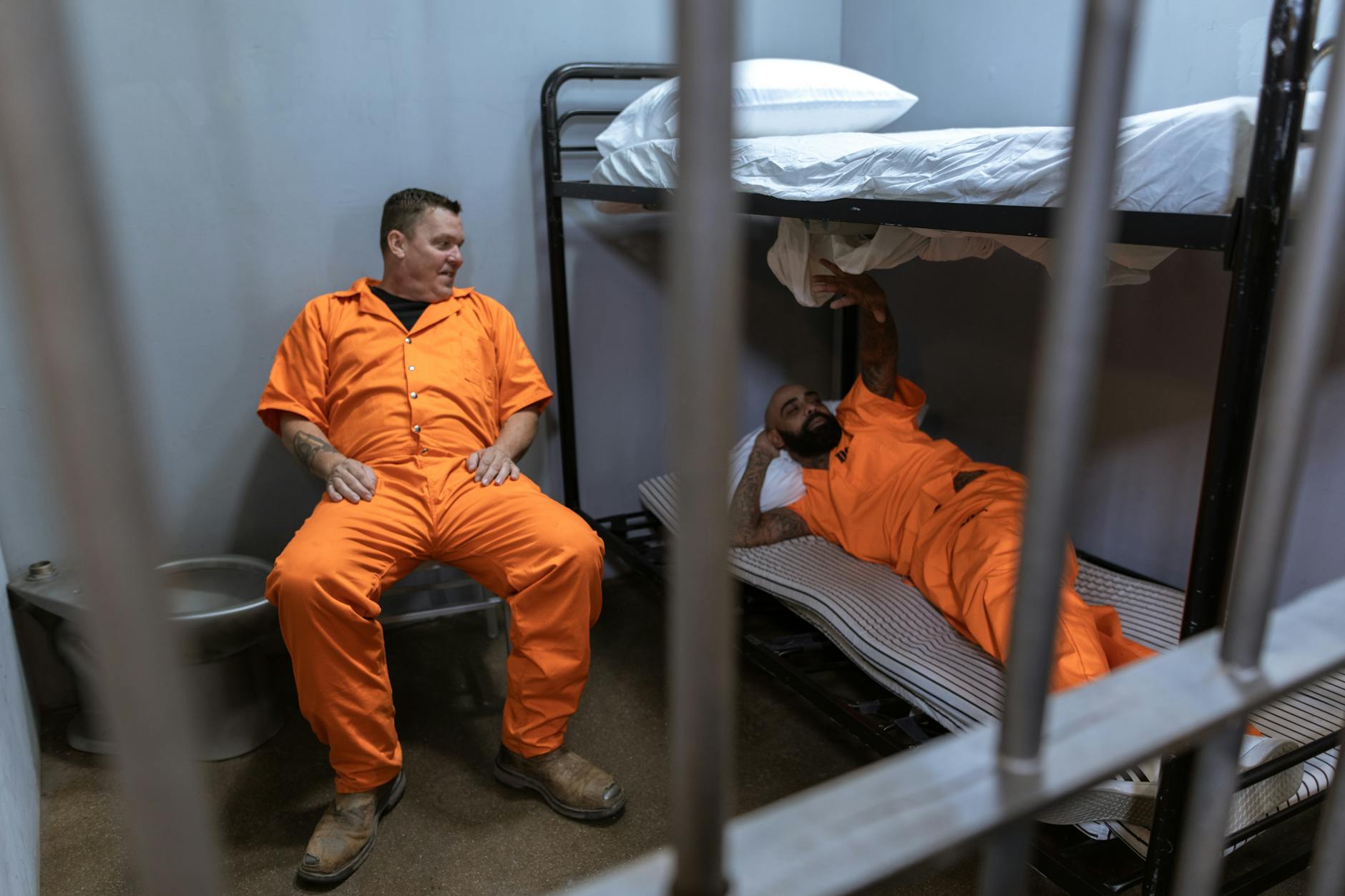
Hate crime laws were designed to provide additional protections for victims of violent crimes motivated by bias or prejudice. However, a recent study found that these laws are used in less than 1% of US violent crime cases.
A staggering 90% of hate crimes go unreported, and the lack of effective enforcement hinders the ability of victims to seek justice. According to the Federal Bureau of Investigation (FBI), more than 7,700 hate crimes were reported in the US in 2020, but few of these cases resulted in convictions. The low rate of hate crime convictions is a symptom of a larger problem: inadequate resources and inadequate training for law enforcement officials.
To address these issues, advocates are pushing for reforms to hate crime laws, including increased penalties for offenders and more support for victims. Some experts suggest that hate crime laws be rewritten to include more specific language and clearer guidelines for prosecutors.
Despite the existence of hate crime laws, these statutes are used in a remarkably small fraction of violent crime cases, accounting for only about 1% of all such cases in the US. This stark reality highlights the limited impact of these laws on addressing hate-motivated violence.
To bridge this gap, law enforcement agencies and prosecutors should prioritize providing specialized training to their personnel on identifying and prosecuting hate crimes, ensuring that these cases are thoroughly investigated and prosecuted to the fullest extent of the law. This targeted approach can help to increase the utilization of hate crime laws and provide justice to victims of hate-motivated violence.
As the nation continues to grapple with the complex issue of hate crimes, the implementation of more effective policies and strategies will be essential for reducing the prevalence of hate-motivated violence and bringing perpetrators to justice.
Need this answered for your specific case?
Get a flat-fee consultation with a verified U.S. immigration attorney. Engagement letter on every paid consult.
Related guides
-
Crime Statistics Debunked: Separating Fact from Fiction in 10 Common Misconceptions
6 min read · Apr 12, 2026
-
One in Five Small Businesses Hit with Cybercrime Every Year, Statistics Reveal
5 min read · Apr 12, 2026
-
More Than 2 Million Americans Fall Victim to Fraud Every Year
6 min read · Apr 12, 2026
This guide provides general legal information and does not create an attorney–client relationship. Information accurate as of July 2026. Always verify current USCIS guidance before acting.