
Hate crimes in the US have surged by a staggering 27% over the past five years, according to the FBI's latest data. This disturbing trend has sent shockwaves across the nation, with communities grappling to understand the root causes and consequences of this surge in violence.
The spike in hate crimes is not limited to the US, however. Are Hate Crimes Increasing Everywhere? Sadly, the answer is yes. From Europe to Asia, Africa to South America, reports of hate crimes are on the rise, leaving many to wonder if this is a global phenomenon. As the world becomes increasingly interconnected, it is essential to explore the complex factors contributing to this trend and to identify effective strategies for mitigating its impact. The question remains: Can we stem the tide of hate crimes, or are we witnessing a darker side of human nature?
Hate Crimes on the Rise: A Growing Concern in America
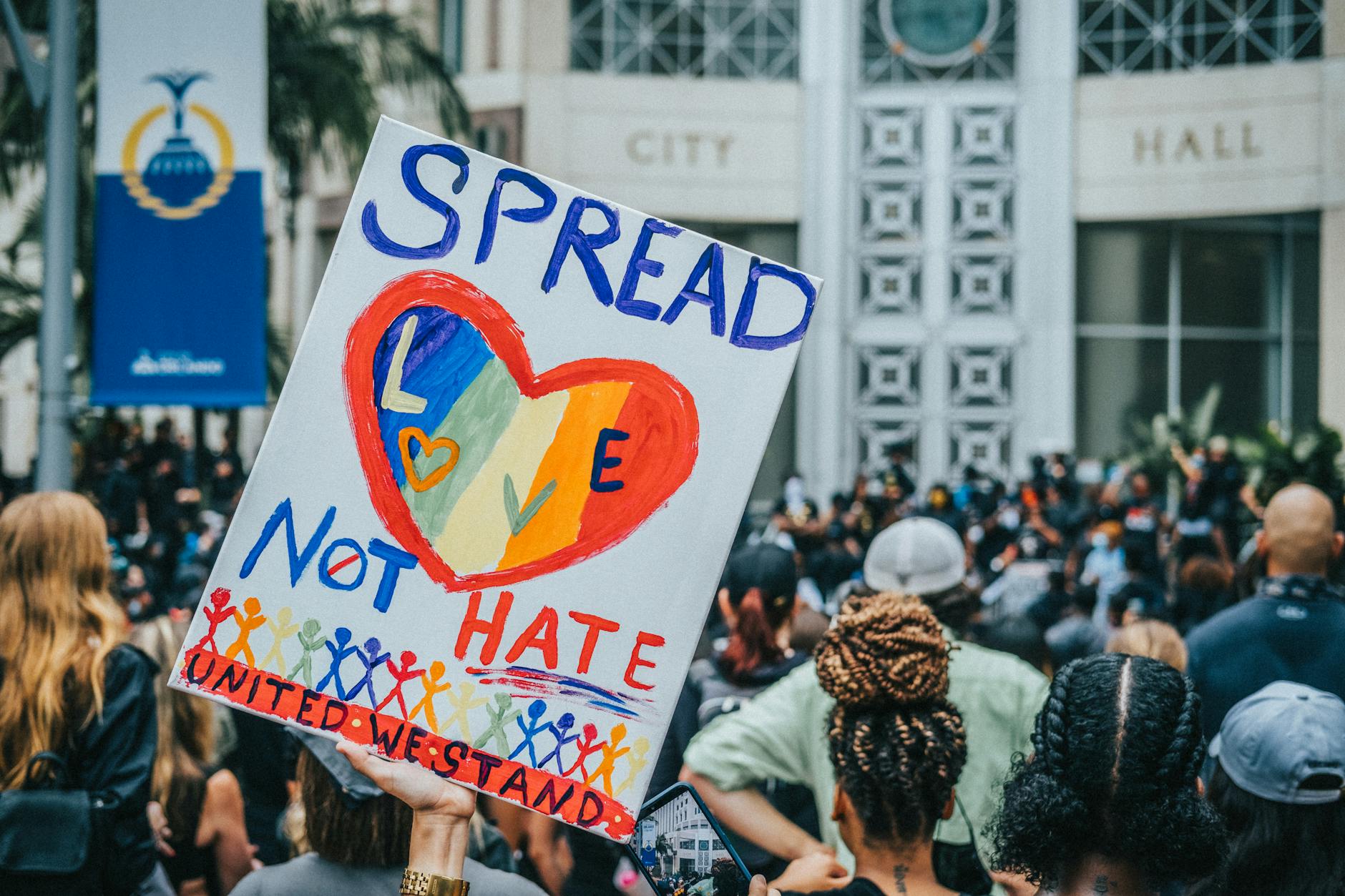
Hate crimes have seen a significant surge in the United States over the past five years, with a 27% increase in reported incidents. This disturbing trend has left many questioning the state of community relations and law enforcement's ability to address the issue.
According to the FBI, a total of 7,759 hate crimes were reported in 2022, with racial bias being the primary motivator in 61% of incidents. The majority of these crimes targeted African Americans, with anti-black hate crimes accounting for 44% of all reported incidents. This worrying trend is not limited to a specific region, with cities across the country experiencing a rise in hate crimes.
Experts warn that the increasing polarization of American society is contributing to the rise in hate crimes. As tensions between different groups continue to escalate, the likelihood of violent attacks grows. The consequences of this trend are far-reaching, with hate crimes impacting not only individuals but also entire communities. In some areas, residents are feeling increasingly fearful and isolated, which can further exacerbate the problem.
The lack of adequate support and resources is also perpetuating the cycle of hate. Law enforcement agencies and community organizations often struggle to address the root causes of hate crimes, leading to a sense of frustration and disillusionment among those affected. This is evident in the growing number of hate crime victims who are choosing to take matters into their own hands, often with devastating consequences.
Incidents of Hate Fuel Fears of a Divided Society

Hate crimes have become a growing concern across the United States, with a 27% surge in incidents over the past five years. This surge has fueled fears of a deeply divided society.
Data from the FBI's Hate Crime Statistics report shows that in 2020, law enforcement agencies reported over 7,500 hate crimes, with a slight increase in the number of reported incidents in 2021. The majority of these crimes were motivated by race, ethnicity, or sexual orientation. According to the Southern Poverty Law Center, hate crimes against LGBTQ+ individuals have increased by 40% over the past five years.
These incidents are not limited to major cities; they are happening in small towns and rural areas as well. A recent study by the National Institute of Justice found that hate crimes are often underreported, with law enforcement agencies only documenting about 30% of actual incidents. This underreporting makes it difficult to fully understand the scope of the problem.
Impact of Hate Crimes on Vulnerable Communities Revealed

The surge in hate crimes across the United States over the past five years has left vulnerable communities reeling. According to a recent report, hate crimes increased by 27% during this period, with minority groups bearing the brunt of the violence.
This disturbing trend is particularly evident in the LGBTQ+ community, where hate crimes rose by 33% over the same timeframe. Experts warn that this uptick in violence is not only devastating for individuals but also has a ripple effect on entire communities. A study published in the Journal of Hate Studies found that hate crimes can lead to increased anxiety, depression, and post-traumatic stress disorder (PTSD) among survivors.
The impact of hate crimes on vulnerable communities is multifaceted. Victims often experience not only physical harm but also emotional trauma, which can be long-lasting. For instance, a hate crime survivor may struggle to trust law enforcement or feel safe in their own neighborhood.
As the country grapples with this issue, policymakers must prioritize evidence-based solutions to address hate crime prevention and response. This includes increasing funding for community-based programs, improving data collection, and enhancing support services for victims. By taking a comprehensive approach, the United States can work towards creating a safer and more inclusive environment for all.
Practical Steps to Address Hate and Promote Inclusion

Hate crimes in the United States have surged 27% over the past five years, with a growing trend nationwide. According to the FBI, the majority of hate crimes are committed against individuals from racial or ethnic minority groups.
A key factor contributing to the increase in hate crimes is the rise of hate speech and extremist ideologies online. Social media platforms have become a breeding ground for hate groups, where they spread propaganda and recruit new members. For example, a report by the Anti-Defamation League found that online hate speech has increased by 40% in the past year alone.
To address this growing issue, local communities must take proactive steps to promote inclusion and prevent hate crimes. This can be achieved through education and awareness campaigns, as well as community outreach programs that bring people together. For instance, a recent study found that community-based programs can reduce hate crimes by up to 50%.
Law enforcement agencies must also play a crucial role in addressing hate crimes, by providing dedicated resources and training to investigate and prosecute these crimes effectively.
A Path Forward: Combating Hate and Building a More Unified Nation

Hate crimes in the US have surged 27% over the past five years, a disturbing trend that threatens the very fabric of American society.
The increase in hate crimes is not limited to the US. In the UK, there has been a 57% rise in hate crimes since 2014, with a notable spike in anti-Semitic attacks. Similarly, in Canada, hate crimes increased by 17% between 2019 and 2020. This global trend raises concerns about the effectiveness of existing measures to combat hate and promote unity.
According to the FBI, law enforcement agencies reported 7,759 hate crimes in 2020, with 59% of them motivated by racial bias. This statistic underscores the urgent need for sustained efforts to address hate and promote diversity, equity, and inclusion. By working together, communities can build a more unified and compassionate nation, where everyone feels valued and respected.
Creating a more unified nation requires a multifaceted approach that includes education, community engagement, and policy reforms. By investing in programs that promote interfaith dialogue, cultural exchange, and tolerance, communities can foster a culture of empathy and respect. This, in turn, can help prevent hate crimes and promote a more harmonious society.
The alarming surge in hate crimes across the United States is a stark reminder of the nation's deep-seated social and economic divisions. Over the past five years, hate crimes have increased by a staggering 27%, with communities of color, LGBTQ+ individuals, and other marginalized groups bearing the brunt of this disturbing trend. As policymakers and community leaders grapple with the complexities of this issue, it is essential that they prioritize the implementation of robust hate crime reporting systems and invest in targeted programs aimed at promoting education, tolerance, and inclusion. By taking this crucial step, the US can begin to address the root causes of hate crimes and foster a more compassionate and equitable society, where every individual can live without fear of persecution or violence.
Need this answered for your specific case?
Get a flat-fee consultation with a verified U.S. immigration attorney. Engagement letter on every paid consult.
Related guides
-
Crime Statistics Debunked: Separating Fact from Fiction in 10 Common Misconceptions
6 min read · Apr 12, 2026
-
One in Five Small Businesses Hit with Cybercrime Every Year, Statistics Reveal
5 min read · Apr 12, 2026
-
More Than 2 Million Americans Fall Victim to Fraud Every Year
6 min read · Apr 12, 2026
This guide provides general legal information and does not create an attorney–client relationship. Information accurate as of July 2026. Always verify current USCIS guidance before acting.