
In the United States, a grand jury of 23 citizens plays a crucial role in the criminal justice system, deciding whether there is enough evidence to indict a suspect and proceed to trial. This group of ordinary people, summoned from the community, holds significant power in shaping the course of legal proceedings. Their decisions can mean the difference between a case moving forward or being dismissed, making their role both vital and fascinating.
Understanding what a grand jury is and how it operates is essential for any citizen. What Is Grand Jury Explained simply, it is a legal body that reviews evidence presented by prosecutors to determine if there is probable cause to believe a crime has been committed. This process ensures a level of oversight and fairness, acting as a check on the power of the prosecution. What Is Grand Jury Explained further, it operates in secret, with deliberations kept confidential to protect the integrity of the investigation and the privacy of those involved. This secrecy can sometimes lead to misunderstandings, but it serves a critical purpose in the legal system.
The role of grand juries in the legal system

Grand juries play a crucial role in the legal system, particularly in the United States. Unlike trial juries, which determine guilt or innocence, grand juries decide whether there is enough evidence to indict a suspect and proceed to trial. This preliminary examination ensures that only cases with substantial evidence move forward, protecting defendants from unjust prosecutions and saving judicial resources.
Composed of 16 to 23 citizens, grand juries operate in secrecy, which fosters an environment of open discussion and honest deliberation. Prosecutors present evidence, and witnesses may testify, but the process lacks the adversarial dynamics of a trial. This structure allows jurors to focus solely on whether probable cause exists for an indictment. According to legal experts, this system helps maintain fairness and balance in the justice process.
A grand jury's decision, known as a "true bill," indicates sufficient evidence for trial. If the jury finds insufficient evidence, it returns a "no bill," and the case is dismissed. This process, while often overlooked, is a cornerstone of the legal system, ensuring that only meritorious cases proceed to trial. The grand jury's role underscores the principle that justice should be thorough, deliberate, and fair.
How grand juries operate and make decisions
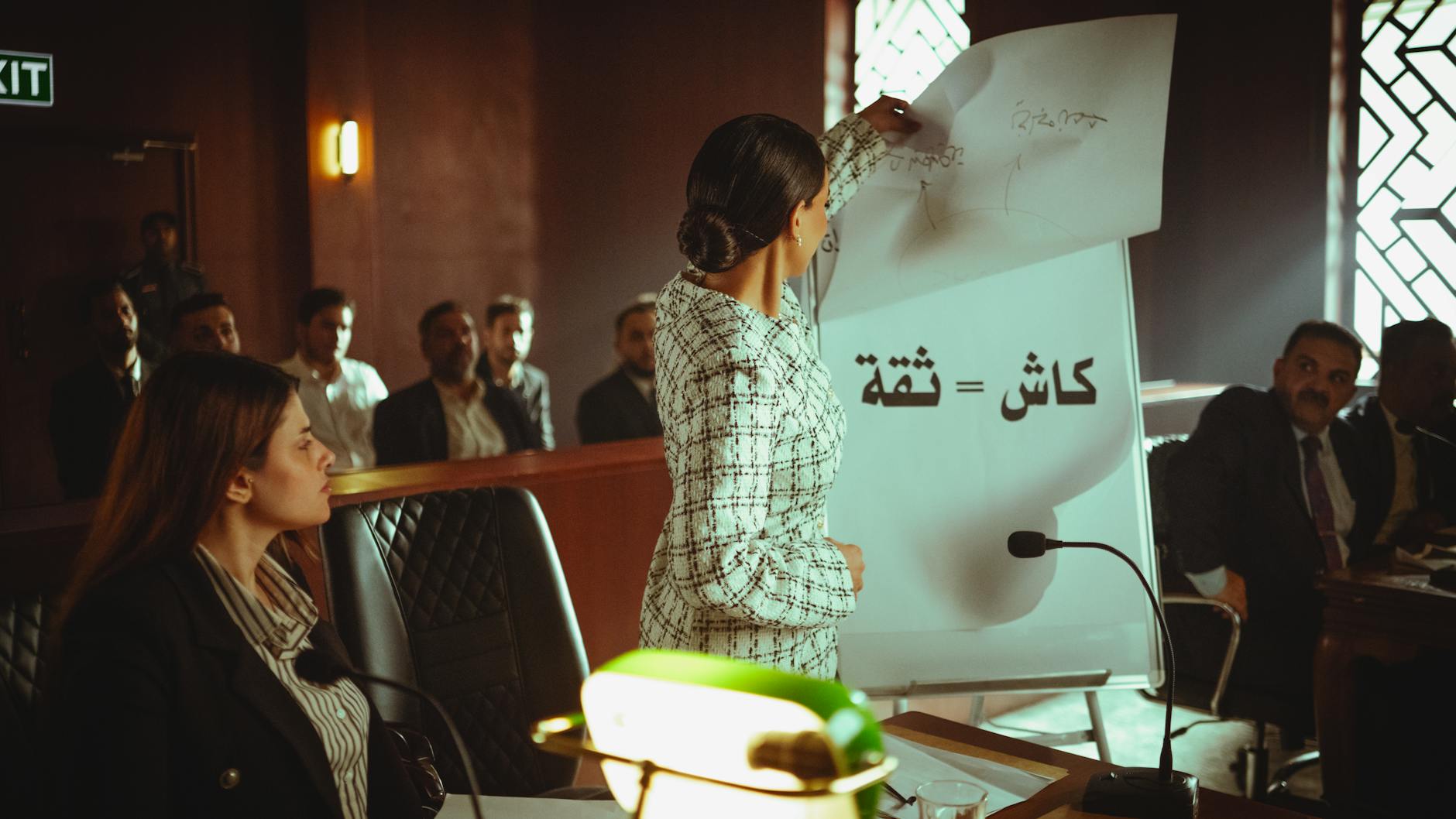
Grand juries operate differently from trial juries. They meet in secret, with only the prosecutor, witnesses, and jurors present. This secrecy aims to protect the integrity of the investigation and prevent witnesses from being intimidated. The prosecutor presents evidence and calls witnesses to testify, but there is no judge or defense attorney present to challenge the evidence.
Decisions in a grand jury are made through a voting process. A simple majority vote typically suffices, though some jurisdictions require a higher threshold. The jurors must determine whether there is probable cause to believe a crime has been committed and that the suspect is likely responsible. This standard is lower than the "beyond a reasonable doubt" requirement in a trial.
A study by the National Association of Criminal Defense Lawyers found that about 99.9% of federal cases presented to grand juries result in indictments. This high rate has sparked debates about the fairness of the grand jury system. Critics argue it can be influenced by prosecutorial power, while supporters contend it serves as an essential check on law enforcement.
Once the grand jury reaches a decision, the foreperson signs the indictment. If the jury finds probable cause, the case moves to trial. If not, the suspect is released, and the case may be dismissed or reopened with new evidence. The grand jury's role is crucial in ensuring that only cases with sufficient evidence proceed to trial.
The selection and composition of grand jury members
Grand juries comprise 16 to 23 citizens, a number designed to balance thorough deliberation with practicality. Federal law mandates this size, though states may adjust it slightly. Members come from diverse backgrounds, reflecting the community's demographics. The selection process, known as "voir dire," involves questioning potential jurors to ensure impartiality. This step is crucial for maintaining the grand jury's integrity and fairness.
Courts summon citizens randomly from voter registration lists or driver's license records. This random selection aims to create a representative cross-section of the community. Once summoned, individuals undergo scrutiny to identify any biases or conflicts of interest. The process ensures that the grand jury can make decisions without external influences. According to legal experts, this method helps uphold the principle of justice for all.
Grand jury members serve for a specific term, typically lasting several months. During this period, they review multiple cases, often handling a heavy caseload. Their role is to determine whether sufficient evidence exists to proceed to trial. This responsibility requires careful consideration and attention to detail. The composition of the grand jury plays a vital role in ensuring fair and unbiased decisions.
Studies show that grand juries with diverse memberships tend to make more balanced decisions. This diversity includes variations in age, gender, ethnicity, and occupation. The goal is to minimize any potential biases that could affect the outcome. By including a wide range of perspectives, the grand jury can better represent the community it serves. This approach helps maintain public trust in the legal system.
The impact of grand jury decisions on legal cases
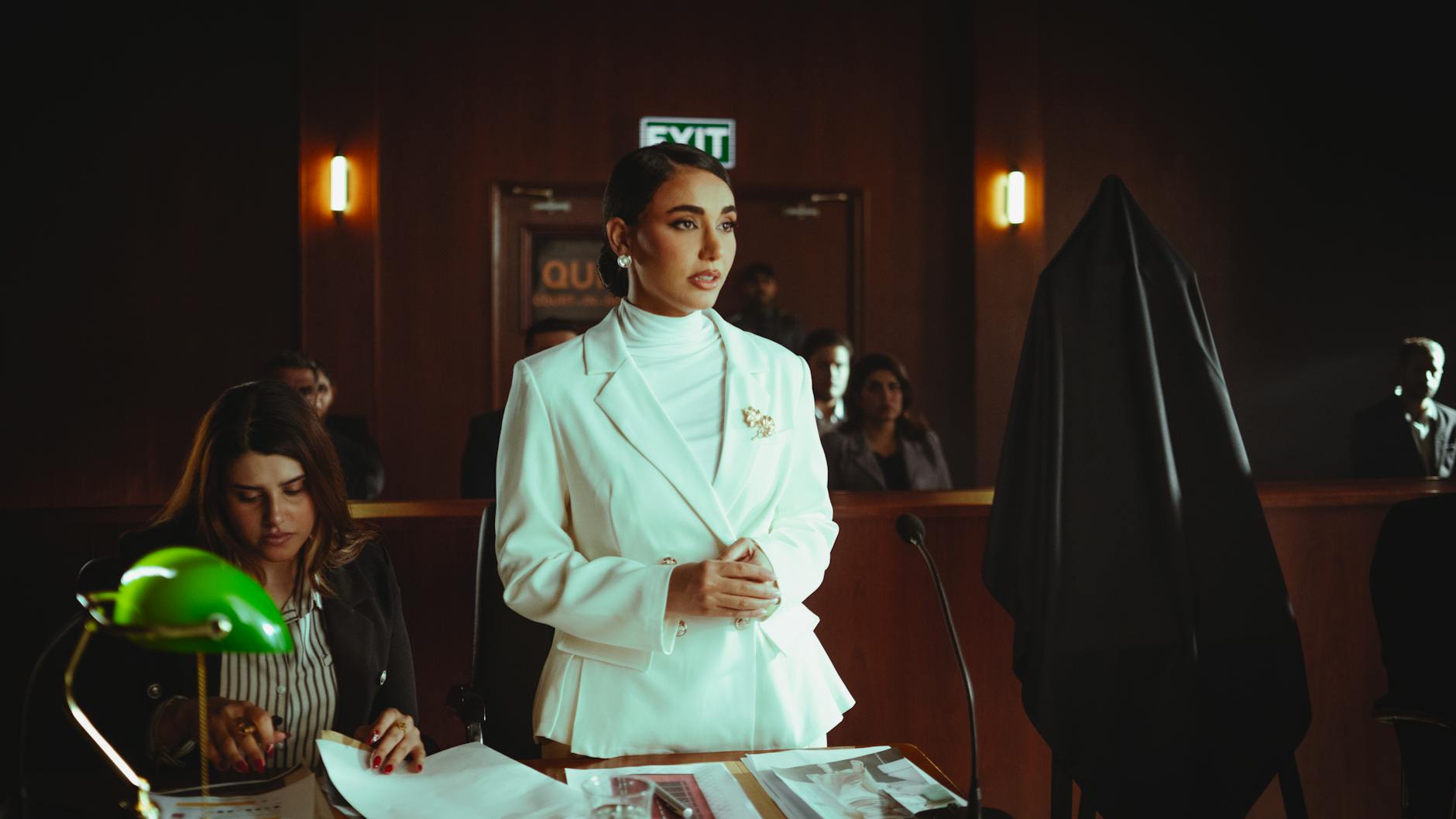
Grand jury decisions carry significant weight in the legal system, often determining whether a case proceeds to trial. When a grand jury indicts, it means they found sufficient evidence to proceed, setting the stage for a trial. Conversely, a no-bill decision means the jury found insufficient evidence, effectively ending the case. These decisions can shape the trajectory of legal proceedings, influencing both public perception and the course of justice.
A study by the National Association of Criminal Defense Lawyers found that grand jury decisions can lead to a 30% increase in case dismissal rates when no indictment is returned. This underscores the pivotal role these citizen panels play in filtering cases before they reach trial. Their decisions can also impact the strategies of prosecutors and defense attorneys, shaping the legal landscape in profound ways.
Legal experts emphasize that grand jury decisions are not just about evidence but also about public trust. When a grand jury's decision aligns with public sentiment, it can bolster confidence in the legal system. However, when decisions seem controversial, they can spark public outcry and scrutiny. This dynamic highlights the delicate balance grand juries must maintain between legal rigor and public perception.
The impact of grand jury decisions extends beyond individual cases. They set precedents that influence future legal strategies and public policy. For instance, a series of no-bill decisions in similar cases might prompt lawmakers to reconsider existing laws or procedures. Thus, the ripple effects of grand jury decisions can be far-reaching, affecting not just the parties involved but the broader legal and social fabric.
The future of grand juries in modern justice systems

Grand juries, a centuries-old institution, face significant scrutiny and adaptation in modern justice systems. Critics argue their secrecy and lack of defendant representation undermine fairness. Yet, proponents contend they serve as a vital check against unfounded prosecutions. With 75% of federal cases involving grand juries, their role remains substantial despite declining use in many states.
Technology presents both challenges and opportunities for grand juries. Digital evidence and complex cybercrimes demand new expertise from jurors. Some jurisdictions experiment with virtual proceedings, though concerns about security and fairness persist. Legal scholars emphasize the need for updated training to equip jurors with necessary technical literacy.
Reform efforts focus on increasing transparency and diversity. Some states have reduced jury sizes or required recordings of proceedings. Advocates push for more demographic representation to better reflect communities. The future of grand juries hinges on balancing tradition with the evolving demands of justice.
The grand jury system, a cornerstone of the American legal process, empowers ordinary citizens to scrutinize evidence and determine whether charges should proceed to trial. This secretive yet crucial process ensures a fair and thorough examination of cases, balancing the rights of the accused with the interests of justice. For those curious about the inner workings of the legal system, understanding the grand jury process offers valuable insights into how justice is administered. As legal landscapes evolve, the grand jury's role continues to adapt, maintaining its relevance in the pursuit of fair and impartial justice.
Need this answered for your specific case?
Get a flat-fee consultation with a verified U.S. immigration attorney. Engagement letter on every paid consult.
Related guides
This guide provides general legal information and does not create an attorney–client relationship. Information accurate as of July 2026. Always verify current USCIS guidance before acting.