
The United States Immigration and Customs Enforcement (ICE) holds approximately 21,000 detainees in US jails, sparking intense debate over the country's immigration reform policies. This staggering number has far-reaching implications, not only for the individuals affected but also for the nation as a whole. The sheer scale of ICE's operations has become a contentious issue, with many questioning the fairness and efficacy of the current system.
The detention of thousands of individuals in US jails is a complex phenomenon that warrants a closer examination. What Is ICE Hold in US Jails, and how does it impact the lives of those detained? The answer lies in the agency's ability to apprehend and retain undocumented immigrants, often indefinitely, pending deportation proceedings. As the US grapples with its immigration reform debate, the fate of these detainees hangs in the balance, with many advocates calling for greater transparency and accountability in ICE's operations.
ICE's Role in Immigration Enforcement: A Growing Presence

ICE holds approximately 21,000 detainees in US jails, sparking a heated debate about immigration reform. These individuals are being held in facilities operated by US Immigration and Customs Enforcement (ICE), a federal agency responsible for enforcing immigration laws.
Critics argue that ICE's role in immigration enforcement has grown significantly in recent years, with many detainees being held for extended periods without charges. According to the American Civil Liberties Union (ACLU), immigration detainees are more likely to be subjected to harsh conditions and denied due process rights compared to other prisoners. ICE's enforcement efforts have led to a sharp increase in deportations, with over 400,000 people being removed from the US in 2020.
The majority of detainees are being held for immigration violations, such as entering the country without authorization or overstaying a visa. Many are also being held pending deportation proceedings. ICE's policies and procedures have been criticized by human rights groups and lawmakers, who argue that they prioritize enforcement over humane treatment and due process.
Detainees in US Jails: ICE Holds Thousands Without Trial

ICE Holds Thousands Without Trial in US Jails, Raising Concerns Over Due Process.
The Immigration and Customs Enforcement (ICE) holds thousands of detainees in US jails, sparking controversy over the treatment of immigrants within the US justice system. Detainees in ICE custody often face prolonged periods of detention, sometimes exceeding 2 years, without being granted a trial or opportunity to be released on bail. This practice has raised serious concerns among legal experts, who argue that it undermines the principles of due process.
According to the American Civil Liberties Union (ACLU), the number of individuals in ICE detention has increased significantly in recent years, with over 21,000 people currently held in facilities across the country. The majority of these detainees are not entitled to a hearing, and many are being held in solitary confinement or subjected to other forms of isolation.
Detainees are often held without a trial due to a provision known as an ICE hold, which allows law enforcement agencies to detain an individual beyond their scheduled release date. This can occur when a person is arrested for a minor offense, such as a traffic infraction, and ICE decides to place an immigration detainer on them, effectively holding them in jail until their immigration status can be resolved.
ICE Holds: A Complex Process of Identification and Detention
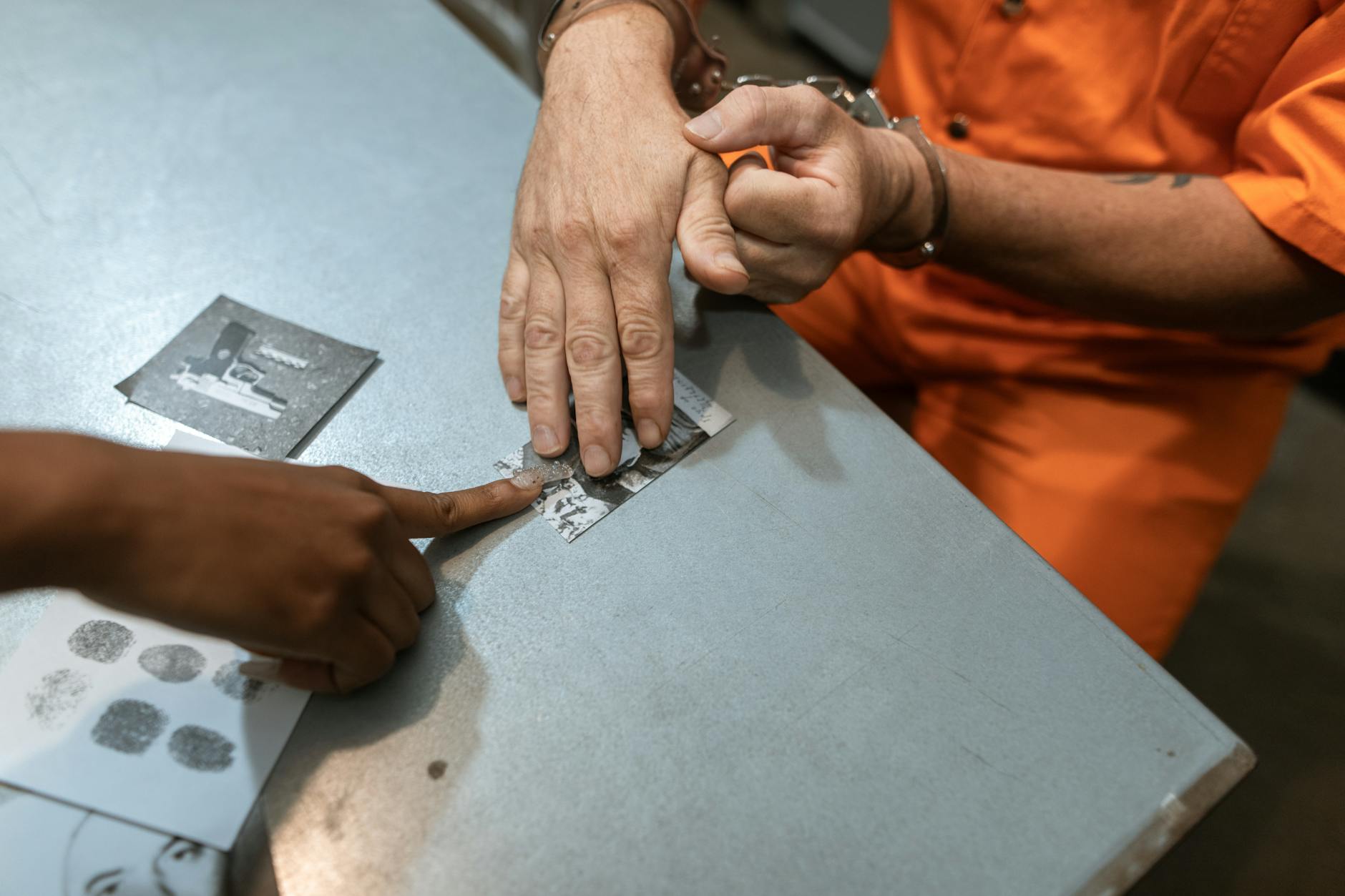
ICE holds are a crucial aspect of the US immigration system, allowing federal authorities to detain individuals who are suspected of being undocumented immigrants. Once an ICE hold is placed on an individual, they are detained and not released on bail until the immigration authorities have completed their proceedings.
The ICE hold process typically begins when local law enforcement agencies arrest an individual on a criminal charge and discover that they are in the US without proper documentation. According to the US Department of Homeland Security, over 75% of individuals in ICE custody have prior convictions. Once notified of the ICE hold, immigration authorities will verify the individual's immigration status and determine whether they are eligible for release or deportation.
ICE holds can be placed on individuals who are suspected of being in the US without a valid visa, have overstayed a visa, or have committed a serious crime. The process is designed to ensure that individuals who are a threat to national security or public safety are detained until their immigration status is resolved.
Detention Without Due Process: ICE's Power to Hold
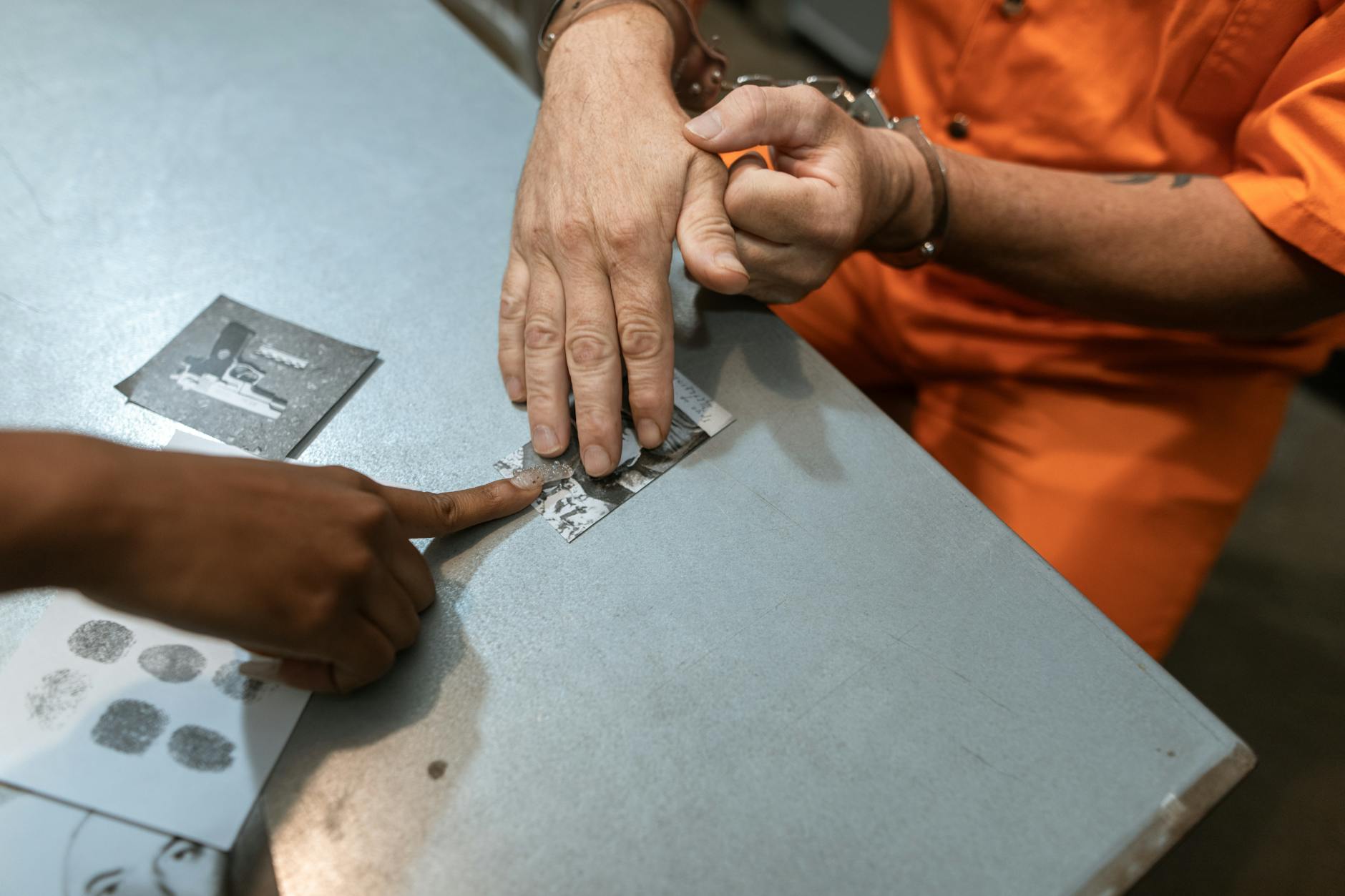
ICE Holds 21,000 Detainees in US Jails Amid Immigration Reform Debate
ICE's power to hold individuals in US jails has become a contentious issue in the immigration reform debate. The agency's ability to detain people without due process has sparked concerns about human rights and the fairness of the immigration system.
In the US, ICE holds detainees in local and federal jails, often at the request of immigration authorities. This practice is known as an "ICE hold." Detainees are typically held for extended periods, sometimes for months or years, while their immigration cases are processed. According to recent data, the average length of detention is around 35 days.
ICE holds are often placed on individuals who have committed minor offenses or are merely suspected of immigration violations. The use of ICE holds has expanded in recent years, with some critics arguing that it allows for the arbitrary detention of immigrants. The American Civil Liberties Union estimates that ICE holds affect over 12,000 people annually.
The use of ICE holds has significant consequences for detainees, who may face prolonged separation from their families and communities. Detainees may also experience poor living conditions and limited access to medical care. As the immigration reform debate continues, the issue of ICE holds remains a contentious topic, with some arguing that they are necessary for national security and others that they are an infringement on human rights.
Immigration Reform Debate: ICE's Future in US Jails Uncertain

ICE holds approximately 21,000 detainees in US jails, sparking heated debate about the agency's role in the country's immigration system.
The majority of these detainees are being held pending deportation proceedings, with many awaiting trial or serving sentences for various immigration-related offenses. Detainees are typically housed in county jails or private facilities under contract with ICE.
Critics argue that ICE's reliance on local and private facilities has created inadequate conditions and raised concerns about detainee safety and human rights. Some facilities have been cited for substandard living conditions, inadequate medical care, and excessive use of solitary confinement. Detainees often lack access to lawyers, mental health services, and other necessities.
Need this answered for your specific case?
Get a flat-fee consultation with a verified U.S. immigration attorney. Engagement letter on every paid consult.
Related guides
-
Sanctions on Juvenile Offenders Cut Recidivism Rate by 27% in First Year
7 min read · May 13, 2026
-
Federal Court Rules Graduated Sanctions Can Reduce Recidivism by 30% in Prisons
6 min read · May 13, 2026
-
Four-Year Prison Sentence for Man Convicted of 12 Technical Violations of Probation
6 min read · May 11, 2026
This guide provides general legal information and does not create an attorney–client relationship. Information accurate as of July 2026. Always verify current USCIS guidance before acting.