
Every year, the United States grapples with over 500 million tons of waste improperly disposed of, a significant portion of which qualifies as illegal dumping. This environmental crime, often overlooked, carries severe consequences for both the ecosystem and public health. Illegal dumping is not merely littering; it is a deliberate act of disposing of waste in unauthorized locations, evading proper waste management regulations.
Understanding what is illegal dumping crime is crucial for every citizen. It encompasses a range of activities, from abandoning old appliances in a forest to dumping hazardous chemicals in a vacant lot. The repercussions extend beyond immediate environmental damage, affecting local economies and community well-being. Recognizing the signs and reporting such activities can help mitigate these impacts, making awareness of what is illegal dumping crime a vital public service.
Understanding Illegal Dumping Crimes

Illegal dumping is a serious environmental crime that involves the improper disposal of waste materials. This act bypasses legal waste management processes, often resulting in significant harm to ecosystems and public health. Perpetrators may abandon waste in unauthorized locations, such as vacant lots, forests, or water bodies, to avoid disposal fees or legal consequences. The Environmental Protection Agency (EPA) reports that illegal dumping costs U.S. taxpayers over $750 million annually in cleanup efforts.
This criminal activity encompasses various types of waste, including household trash, construction debris, and hazardous materials. Hazardous waste dumping poses severe risks, as it can contaminate soil and water sources, leading to long-term environmental damage. According to environmental experts, improper disposal of chemicals, oils, and other toxic substances can cause irreversible harm to wildlife and human health.
Law enforcement agencies and environmental regulators actively combat illegal dumping through surveillance, penalties, and public awareness campaigns. Violators face hefty fines, community service, and even imprisonment, depending on the severity of the offense. Understanding the consequences of illegal dumping is crucial for fostering a culture of responsible waste management and environmental stewardship.
Common Forms of Criminal Waste Disposal
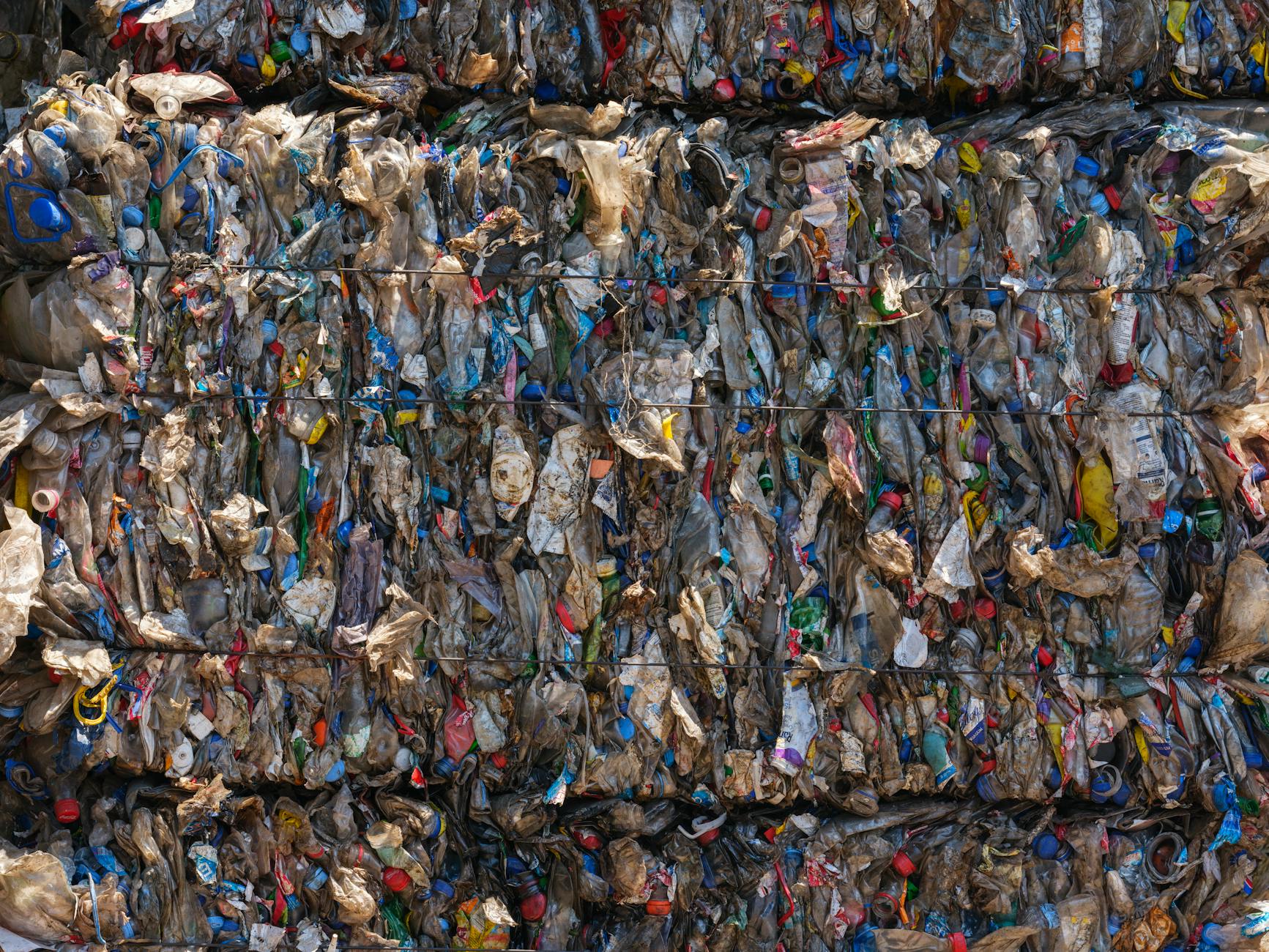
Illegal dumping encompasses various forms of criminal waste disposal, each posing significant environmental and public health risks. One of the most common types is littering, where individuals discard trash in public spaces such as parks, streets, or waterways. This seemingly minor act contributes to pollution and habitat destruction. According to the Environmental Protection Agency, littering costs the U.S. economy billions of dollars annually in cleanup and environmental damage.
Dumpster diving, while sometimes perceived as harmless, can also be a form of illegal dumping when individuals leave behind discarded items that become environmental hazards. This practice often leads to the accumulation of waste in unauthorized areas, creating unsightly and potentially dangerous conditions. Experts warn that improper disposal of certain materials, such as electronics or chemicals, can contaminate soil and water sources.
Construction and demolition debris dumping is another prevalent issue. Contractors and homeowners sometimes dispose of building materials, concrete, and other debris in unauthorized locations. This not only violates waste management regulations but also poses risks to public safety. Proper disposal methods are crucial to prevent accidents and environmental degradation.
Illegal dumping of hazardous waste, including chemicals, batteries, and medical waste, is particularly dangerous. These materials can leak toxic substances into the environment, causing long-term damage to ecosystems and human health. Authorities emphasize the importance of adhering to strict disposal guidelines to mitigate these risks.
Finally, dumping in natural areas such as forests, rivers, and lakes is a severe offense. This practice disrupts wildlife habitats and contaminates natural resources. Conservationists urge the public to report such activities to help protect the environment. Legal consequences for these actions can be severe, including fines and imprisonment.
Impact on Environment and Communities
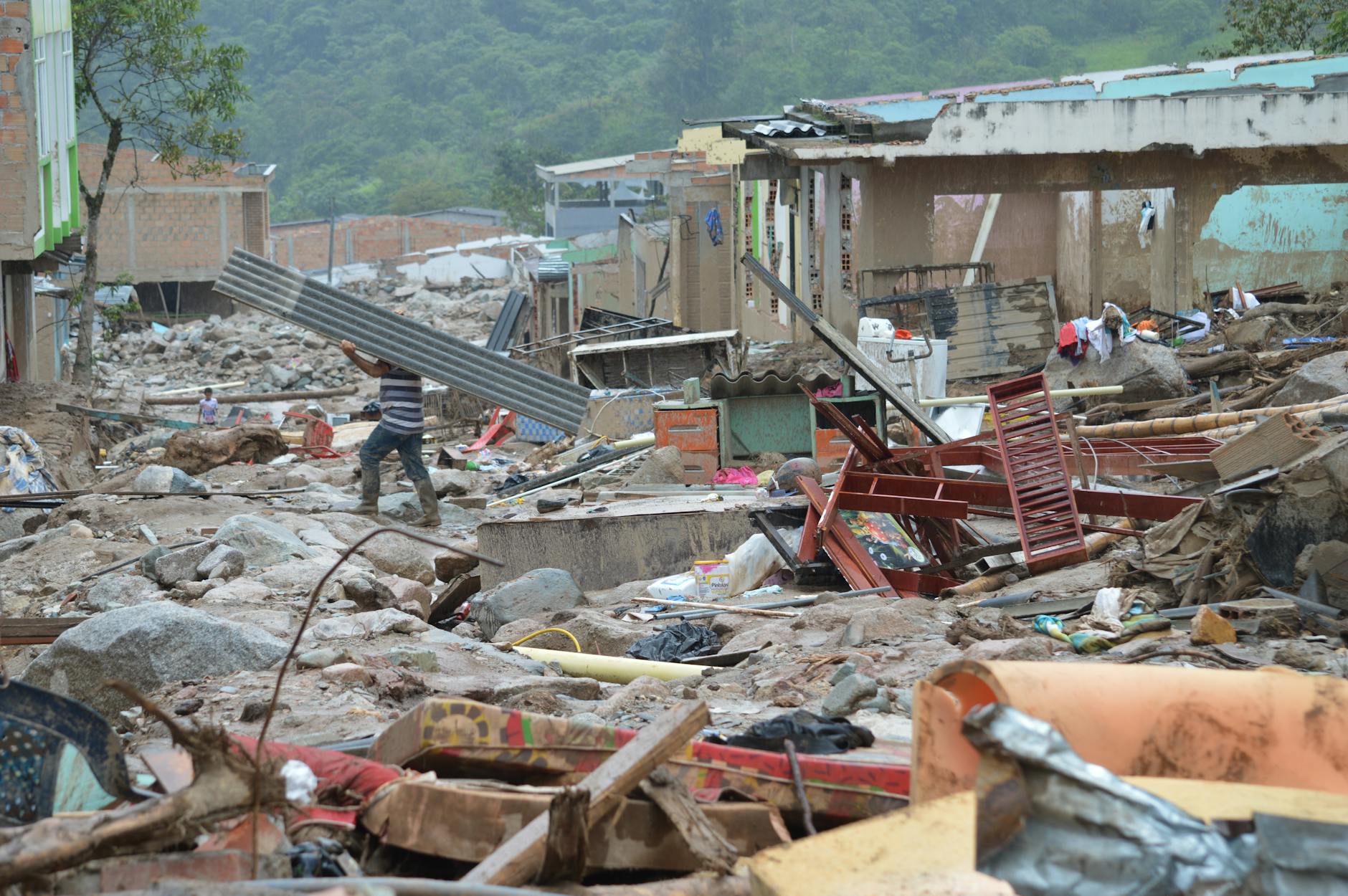
The consequences of illegal dumping extend far beyond the immediate eyesore it creates. It poses significant threats to both the environment and local communities. Toxic chemicals from improperly discarded waste can seep into soil and water sources, contaminating them and endangering wildlife. According to the Environmental Protection Agency, illegal dumping is one of the primary causes of water pollution in the United States.
Communities near illegal dumping sites often suffer from health issues. Residents may experience respiratory problems, skin irritations, and other ailments due to exposure to hazardous materials. Children and elderly individuals are particularly vulnerable. The psychological impact is also considerable, as the presence of illegal dumps can lower property values and diminish the quality of life.
Illegal dumping also disrupts local ecosystems. Non-native species introduced through dumped materials can outcompete local flora and fauna, leading to a loss of biodiversity. The visual blight of illegal dumps can also deter tourists and outdoor enthusiasts, impacting local economies that rely on recreation and tourism.
Efforts to combat illegal dumping require a multi-faceted approach. Law enforcement agencies, community groups, and environmental organizations must work together to address this issue. Public awareness campaigns can educate residents about the dangers of illegal dumping and encourage proper waste disposal practices. By fostering a sense of shared responsibility, communities can protect their environment and health.
Legal Consequences and Penalties

Illegal dumping represents a serious environmental and public health concern, with perpetrators facing significant legal repercussions. The penalties vary depending on jurisdiction, but they often include hefty fines and even imprisonment. In the United States, for instance, fines can range from $500 to $50,000 per violation, with repeat offenders facing stiffer penalties. According to the Environmental Protection Agency, illegal dumping costs taxpayers billions annually in cleanup efforts.
Criminal charges for illegal dumping typically hinge on the type and volume of waste disposed of improperly. Hazardous waste violations, for example, often result in felony charges, carrying potential prison sentences. The severity of the penalty usually correlates with the environmental damage caused. Courts may also order restitution, requiring offenders to cover cleanup and remediation costs.
Beyond financial and criminal penalties, illegal dumping can lead to civil lawsuits. Property owners or local governments may sue offenders for damages, including loss of property value and cleanup expenses. Legal experts emphasize the importance of understanding local regulations to avoid unintentional violations. Proactive compliance with waste disposal laws can prevent costly legal battles and environmental harm.
Preventing and Reporting Illegal Dumping
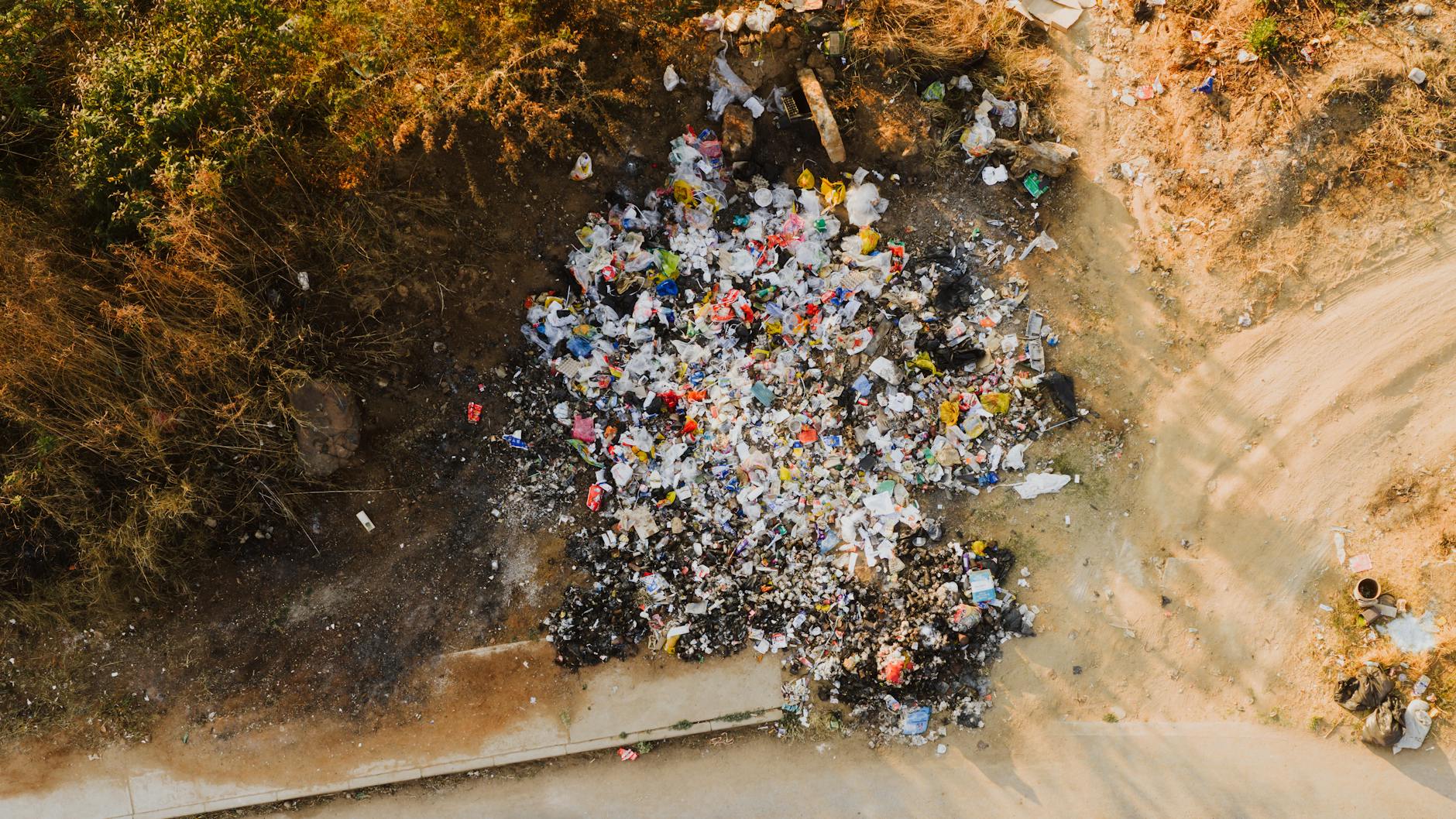
Illegal dumping poses significant environmental and public health risks. It involves the improper disposal of waste materials on public or private property without permission. This criminal act can lead to soil and water contamination, habitat destruction, and the spread of diseases. According to the Environmental Protection Agency, illegal dumping costs the United States billions of dollars annually in cleanup efforts and lost productivity.
Preventing illegal dumping requires a multi-faceted approach. Communities can implement stricter waste management regulations and increase penalties for offenders. Regular monitoring of high-risk areas, such as remote locations and water bodies, can also deter potential dumpers. Public awareness campaigns play a crucial role in educating residents about the consequences of illegal dumping and the importance of proper waste disposal.
Reporting illegal dumping is equally vital. Citizens should promptly report any suspicious activities to local authorities or environmental agencies. Many regions have hotlines or online platforms dedicated to receiving such reports. Swift action by law enforcement can prevent further damage and hold perpetrators accountable. Environmental experts emphasize that community involvement is key to effectively combating illegal dumping.
Illegal dumping is a serious crime with significant environmental and health consequences, encompassing a range of criminal activities from abandoning appliances to dumping hazardous materials. Understanding the different types of illegal dumping is crucial for recognizing and reporting these offenses. To combat this issue, individuals should familiarize themselves with local waste disposal regulations and report suspected illegal dumping to authorities. As awareness grows and communities take action, the fight against illegal dumping will continue to gain momentum, ultimately leading to cleaner, safer environments for all.
Need this answered for your specific case?
Get a flat-fee consultation with a verified U.S. immigration attorney. Engagement letter on every paid consult.
Related guides
This guide provides general legal information and does not create an attorney–client relationship. Information accurate as of July 2026. Always verify current USCIS guidance before acting.