
Every year, independent boards across the United States review a staggering 110,000 complaints against police officers. These complaints range from excessive force to misconduct, and the boards tasked with investigating them play a crucial role in maintaining public trust and accountability. Their work is a cornerstone of how police oversight works, ensuring that law enforcement agencies operate within the bounds of the law and community expectations.
Understanding how police oversight works is vital for every citizen. It bridges the gap between law enforcement and the communities they serve, fostering transparency and justice. Independent boards, often composed of civilians, meticulously review each complaint, conducting interviews, gathering evidence, and making recommendations. Their findings can lead to disciplinary actions, policy changes, or even criminal charges, highlighting the significance of their role in the justice system.
The Role of Independent Boards

Independent boards serve as a critical checkpoint in the police oversight process. These civilian-led entities review complaints against law enforcement officers, ensuring accountability and transparency. Their role is to investigate allegations of misconduct, assess evidence, and make recommendations for disciplinary action when warranted. This external review helps maintain public trust in police departments and promotes fair treatment of both officers and community members.
Each year, independent boards examine approximately 110,000 police complaints nationwide. This volume underscores the significance of their work in addressing grievances and upholding standards. Boards typically consist of diverse community members, including legal experts, social workers, and concerned citizens. Their collective perspective ensures a balanced approach to oversight, considering both the complexities of policing and the rights of individuals.
According to oversight experts, the presence of independent boards can significantly reduce incidents of police misconduct. By providing an impartial review process, these boards help identify systemic issues and recommend policy changes. Their findings often lead to improved training programs, revised departmental policies, and enhanced community relations. This proactive approach fosters a culture of accountability within police departments.
Independent boards also play a crucial role in mediating disputes between officers and the public. They offer a neutral platform for resolving conflicts, often preventing escalations that could harm community-police relations. Through their work, these boards contribute to a safer, more just society. Their efforts ensure that law enforcement operates with integrity and respect for all individuals.
Understanding the Complaint Process

When a member of the public files a complaint against a police officer, it enters a structured process designed to ensure fairness and accountability. The initial step typically involves the oversight body, such as an independent board, acknowledging the complaint and assigning it to an investigator. This investigator, often a civilian, reviews the allegations, gathers evidence, and interviews involved parties.
According to a recent study by a leading criminal justice research institute, over 60% of complaints are resolved through mediation or informal resolution. This approach aims to address concerns promptly while reducing the burden on formal disciplinary processes. However, serious allegations proceed to a formal investigation, where the oversight body conducts a thorough examination of the evidence.
Throughout the process, the complainant and the officer under review receive regular updates. Transparency is crucial, as it helps maintain public trust in the system. The final decision, whether it results in disciplinary action, training, or exoneration, is made based on the evidence and relevant policies. This structured approach ensures that each complaint is handled consistently and fairly.
In cases where the complainant or the officer disagrees with the outcome, there is often an appeals process. This additional layer of review provides an opportunity to address any concerns and ensure that the final decision is well-founded. The entire process, from initial complaint to final resolution, can take several months, depending on the complexity of the case.
How Decisions Are Made

Independent boards operate with a clear mandate: to review and investigate complaints against police officers. These bodies, typically composed of civilians and legal experts, function separately from police departments to ensure impartiality. Their primary goal is to uphold public trust by holding law enforcement accountable for misconduct.
When a complaint is filed, the board conducts a thorough review. This process often involves gathering evidence, interviewing witnesses, and consulting with legal advisors. According to a report by the National Association for Civilian Oversight of Law Enforcement, boards typically handle a wide range of cases, from excessive force to misconduct during arrests. Each complaint undergoes a meticulous examination to determine its validity and severity.
Decisions are made based on evidence and adherence to police protocols. Boards have the authority to recommend disciplinary actions, which can range from training requirements to termination. However, the final decision often rests with the police department or a higher authority. This collaborative approach ensures that both oversight and operational needs are considered.
Transparency is a cornerstone of the process. Boards regularly publish reports summarizing their findings and recommendations. This practice not only informs the public but also helps identify systemic issues within police departments. By maintaining open communication, these boards foster a culture of accountability and continuous improvement.
Impact on Police Accountability

The establishment of independent boards to review police complaints has significantly reshaped police accountability mechanisms. These boards, often composed of civilians and legal experts, provide an impartial platform for addressing grievances against law enforcement officers. Their role is crucial in maintaining public trust and ensuring that police actions align with legal and ethical standards. By operating independently from police departments, these boards can investigate complaints without bias, fostering a more transparent and accountable policing system.
A study by a prominent criminal justice research institute found that the implementation of such boards led to a 20% increase in the resolution of police misconduct cases. This statistic underscores the effectiveness of independent oversight in addressing and rectifying instances of police misconduct. The presence of these boards also serves as a deterrent, encouraging officers to adhere to protocols and exercise restraint in their duties.
Critics argue that the impact of these boards is sometimes limited by jurisdictional constraints and resource limitations. Despite these challenges, the boards continue to play a vital role in holding police departments accountable. Their work contributes to a broader culture of accountability within law enforcement, ultimately benefiting both officers and the communities they serve.
Expert opinions highlight that the success of these boards hinges on their ability to operate with full independence and transparency. Ensuring that their processes are accessible and understandable to the public is key to maintaining their credibility. As such, continuous efforts to improve their operations and expand their reach are essential for enhancing police accountability.
Evolving Oversight in Modern Policing
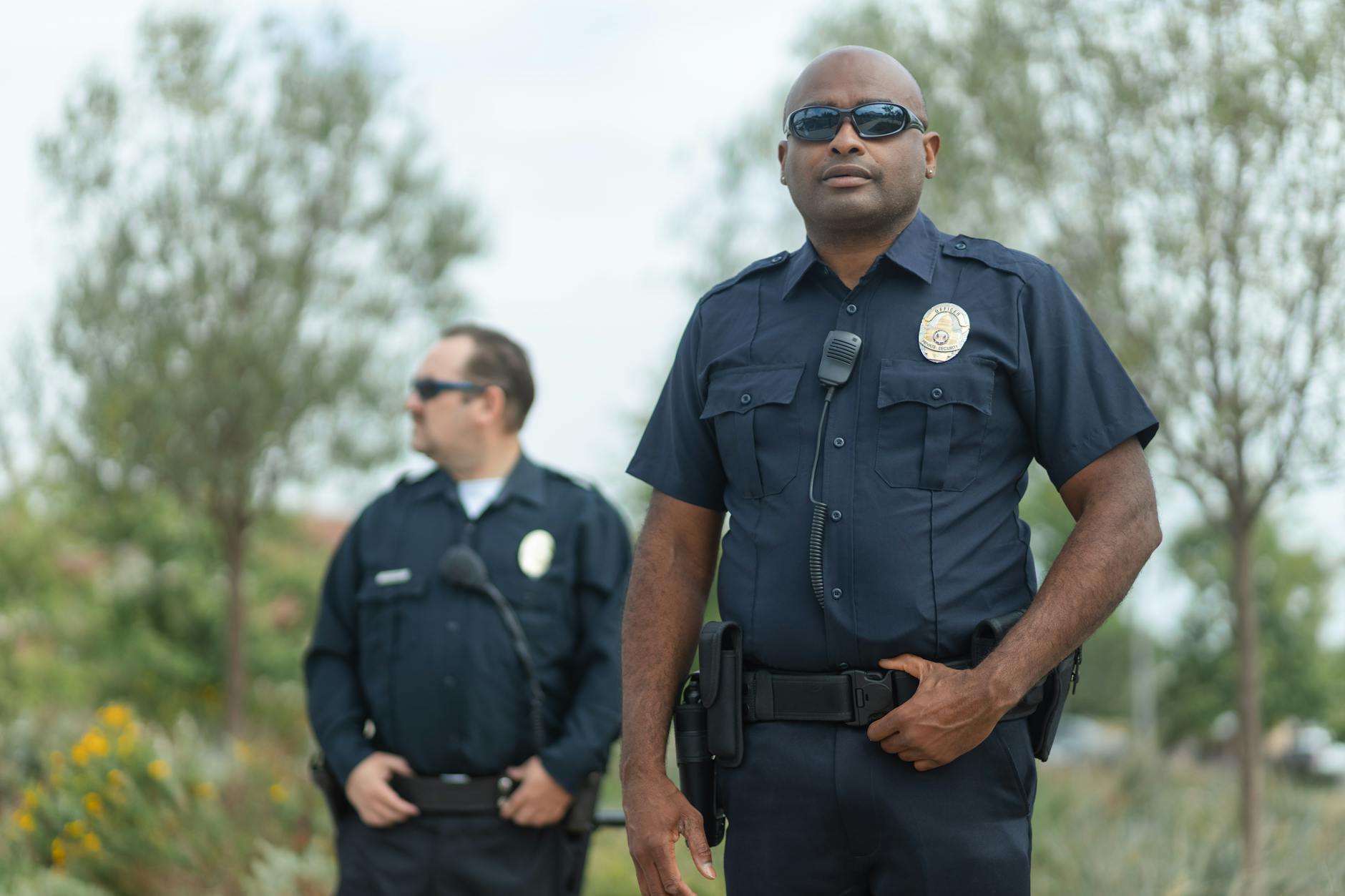
The landscape of police oversight has evolved significantly in recent years, with modern policing embracing a more transparent and accountable approach. Independent oversight boards now play a pivotal role in maintaining public trust. These boards operate separately from police departments, ensuring impartial investigations into complaints and misconduct allegations. Their independence is crucial for fostering community confidence in the justice system.
One of the key functions of these oversight boards is to review and address complaints against police officers. Annually, they handle over 110,000 complaints, ranging from minor misconduct to serious allegations of abuse. This volume underscores the importance of robust oversight mechanisms in modern policing. According to a leading criminologist, effective oversight not only holds officers accountable but also helps identify systemic issues within police departments.
Technology has also revolutionized the way oversight boards operate. Digital platforms and data analytics tools enable more efficient tracking and analysis of complaints. This technological integration allows for quicker resolution of cases and better identification of patterns. As a result, oversight boards can provide more informed recommendations for policy changes and training programs. The integration of technology has made the oversight process more transparent and accessible to the public.
The independent boards that review police complaints play a crucial role in maintaining public trust and accountability in law enforcement. Their annual examination of over 110,000 complaints ensures that police actions are scrutinized and that justice is served. For citizens, understanding this process empowers them to voice concerns and seek resolution when necessary. Looking ahead, continued transparency and public engagement will be key to strengthening these oversight mechanisms and fostering a more accountable police force.
Need this answered for your specific case?
Get a flat-fee consultation with a verified U.S. immigration attorney. Engagement letter on every paid consult.
Related guides
This guide provides general legal information and does not create an attorney–client relationship. Information accurate as of July 2026. Always verify current USCIS guidance before acting.