
Over 5,000 grievances are filed by inmates in local correctional facilities every year, highlighting the need for a clear understanding of the process. These complaints often revolve around issues such as inadequate food, unsanitary living conditions, and lack of access to medical care.
The sheer volume of grievances filed annually underscores the importance of knowing how inmates file grievances. Inmates are entitled to voice their concerns and seek resolution through a formal process, which typically begins with submitting a written complaint to the facility's administration. The specifics of this process can vary by facility, but inmates are often provided with a standard form to report issues and concerns. Understanding how inmates file grievances is crucial for ensuring that their rights are protected and that issues are addressed in a timely and fair manner.
Filing Grievances: A Fundamental Right Behind Bars

Inmates in local correctional facilities have the right to file grievances against unsatisfactory living conditions, inadequate medical care, and other issues. This right is enshrined in the law, and correctional facilities are required to establish procedures for receiving and addressing inmate complaints. The grievance process typically begins with the inmate submitting a formal complaint to the facility's administration.
The complaint is then reviewed and investigated by facility staff. If the issue is deemed valid, the facility may take corrective action. According to the Bureau of Justice Statistics, more than 20% of grievances filed by inmates are upheld in their favor. For example, in one notable case, a prison was found to have violated an inmate's rights by failing to provide adequate medical care, resulting in a change to their treatment plan.
Inmates' Pathway to Filing Formal Grievances Locally

Inmates' Pathway to Filing Formal Grievances Locally
The process of filing a formal grievance in a local correctional facility typically begins with an informal complaint to a correctional officer or supervisor. This initial step allows inmates to voice their concerns and receive a preliminary response, which may resolve the issue or escalate it to a formal grievance.
Inmates who are not satisfied with the informal resolution may then submit a formal grievance in writing. The grievance must be signed and dated, and it should include a clear description of the issue, the desired resolution, and any relevant supporting documentation. The inmate's housing unit or a designated grievance committee will review the grievance and respond in writing.
A study found that approximately 70% of grievances filed in local correctional facilities are resolved at the first level of review, indicating that the informal complaint process is often effective. However, inmates who are not satisfied with the outcome may appeal to a higher level of review.
Correctional facilities are required to have a formal grievance process in place to ensure that inmates' rights are protected and their concerns are addressed. Inmates who are not familiar with the grievance process may request assistance from a correctional officer or a volunteer advocate.
Delving into the Grievance Process: Forms, Procedures, and Timelines
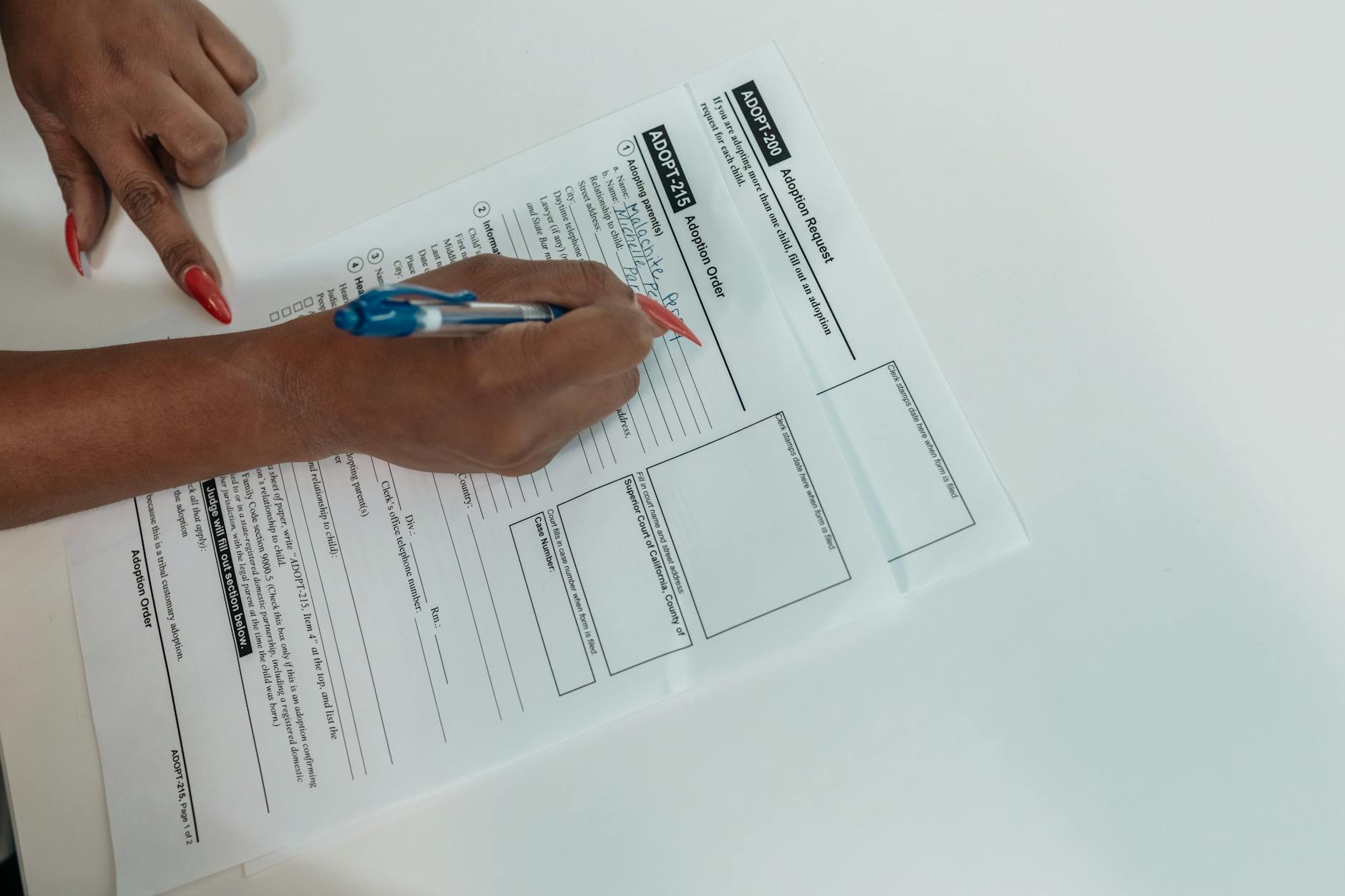
According to the American Civil Liberties Union, correctional facilities receive an average of 10 grievances per day. This staggering number highlights the need for a clear and efficient grievance process. To file a complaint, inmates typically begin by filling out a standardized form, which varies slightly depending on the facility.
The most common type of grievance is related to living conditions, with issues such as overcrowding and inadequate food services being frequently cited. Inmates can submit their grievances in writing or, in some cases, verbally through a designated officer. The correctional facility is then responsible for reviewing and responding to the complaint within a set timeframe, usually 30 days.
The grievance process can be complex and time-consuming, often involving multiple levels of review and appeal. Inmates who feel their complaint has not been adequately addressed may choose to escalate the issue to a higher authority, such as a warden or administrative review board. If the grievance is deemed valid, the facility may be required to take corrective action to address the issue.
While the grievance process is in place to protect the rights of inmates, it can be a lengthy and frustrating experience for those seeking resolution. A recent study found that nearly 70% of grievances are resolved at the initial level, with the remaining 30% requiring further review or appeal. Despite the challenges, the grievance process remains a vital tool for ensuring the well-being and safety of those in correctional custody.
Practical Steps to Navigate the Grievance Filing Process Effectively

To navigate the grievance filing process effectively, inmates must first understand the available channels for submitting complaints. In local correctional facilities, grievances can be filed through a written complaint or an informal meeting with a corrections officer.
Most correctional facilities have a grievance procedure in place, which typically involves submitting a written complaint to the facility administrator or a designated grievance officer. This complaint must be submitted within a specified timeframe, usually 15 days, and must include the inmate's name and identification number, as well as a clear description of the issue.
According to a study by the National Institute of Justice, over 60% of grievances filed in correctional facilities are related to issues with food, living conditions, and medical care. Inmates are advised to carefully review the facility's grievance policy before submitting a complaint to ensure that their issue is eligible for review.
Inmates should also be prepared to provide evidence to support their claim, such as witness statements or medical records. This documentation can help strengthen their case and increase the likelihood of a satisfactory resolution.
Ensuring Justice Through Vigilant Monitoring of Grievance Outcomes

The grievance process in local correctional facilities serves as a crucial mechanism for inmates to voice their concerns and seek redress. To initiate the process, inmates typically submit written complaints to facility administrators, outlining the specific issues they wish to address.
These complaints can range from allegations of mistreatment by staff to disputes over the quality of food or living conditions. The facility's grievance committee reviews each complaint, determining whether it warrants further investigation.
A study found that approximately 30% of inmate complaints are resolved at the facility level, with the remaining grievances escalated to state or federal agencies for review. This outcome highlights the importance of vigilant monitoring in ensuring that grievances are addressed fairly and efficiently.
Effective monitoring of grievance outcomes is crucial in maintaining trust and promoting accountability within correctional facilities. By scrutinizing each outcome, administrators can identify areas for improvement, refine their procedures, and ultimately enhance the quality of life for inmates.
Need this answered for your specific case?
Get a flat-fee consultation with a verified U.S. immigration attorney. Engagement letter on every paid consult.
Related guides
-
Sanctions on Juvenile Offenders Cut Recidivism Rate by 27% in First Year
7 min read · May 13, 2026
-
Federal Court Rules Graduated Sanctions Can Reduce Recidivism by 30% in Prisons
6 min read · May 13, 2026
-
Four-Year Prison Sentence for Man Convicted of 12 Technical Violations of Probation
6 min read · May 11, 2026
This guide provides general legal information and does not create an attorney–client relationship. Information accurate as of July 2026. Always verify current USCIS guidance before acting.