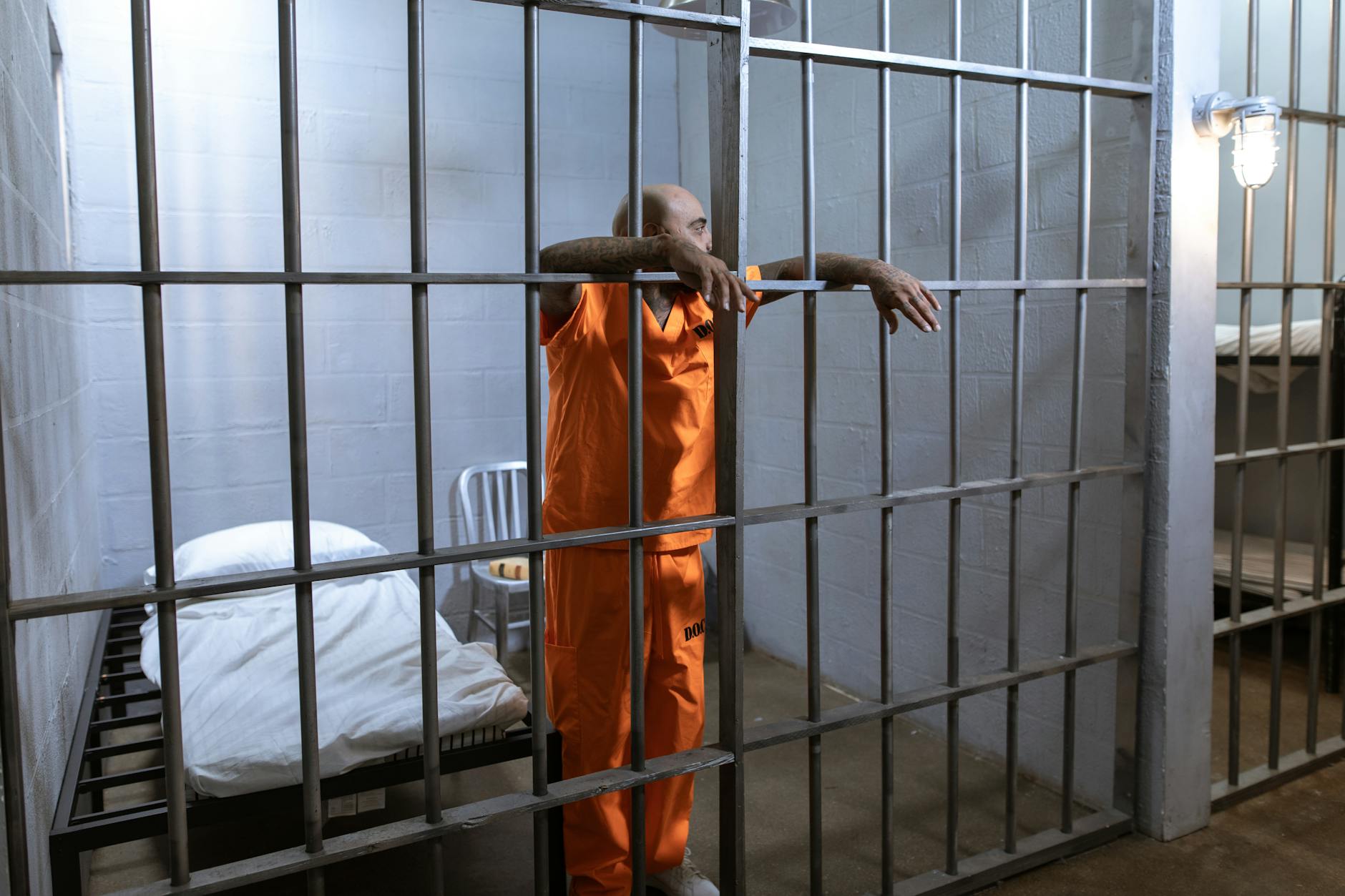
Inside a Typically Overcrowded Prison Facility,
Medium security prisons in the United States are designed to hold approximately 500 inmates, providing a controlled environment for individuals serving sentences ranging from a few years to decades. Despite these regulations, many facilities face overcrowding issues, posing significant challenges to the rehabilitation process and the well-being of both inmates and correctional officers.
For those unfamiliar with the inner workings of medium security prisons, understanding daily life within these institutions is essential in grasping the complexities of the American corrections system. What Is Medium Security Prison Like? It's a facility where inmates are given more privileges than minimum-security prisons but less than maximum-security ones. They engage in structured activities, work programs, and counseling sessions, all aimed at preparing them for reintegration into society upon release.
Inside the Walls of a Medium Security Prison Facility
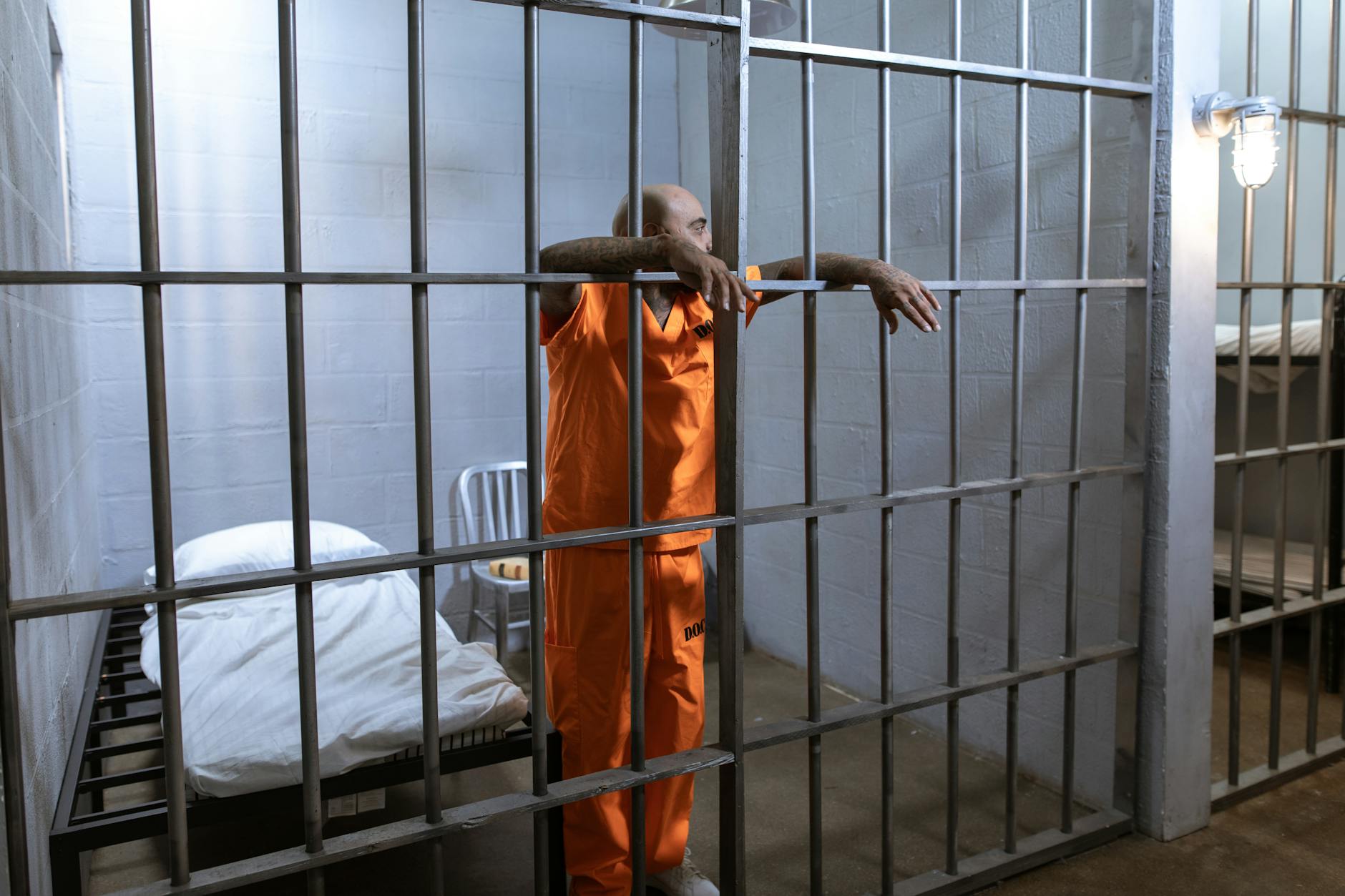
The day begins at 5:00 AM with a loud, ear-piercing whistle signaling the start of morning routines. Inmates are required to be out of their cells and in the common area within minutes of the whistle. The harsh wake-up call is a stark contrast to the peaceful atmosphere that exists outside the prison walls.
The medium security prison facility operates with a strict schedule, where every inmate is assigned specific tasks and duties. A study by the Bureau of Justice Statistics shows that inmates who participate in work programs have a lower recidivism rate compared to those who do not. The daily routine includes work assignments, meals, and recreation time. Inmates are allowed to eat in the dining hall, where they are served three meals a day.
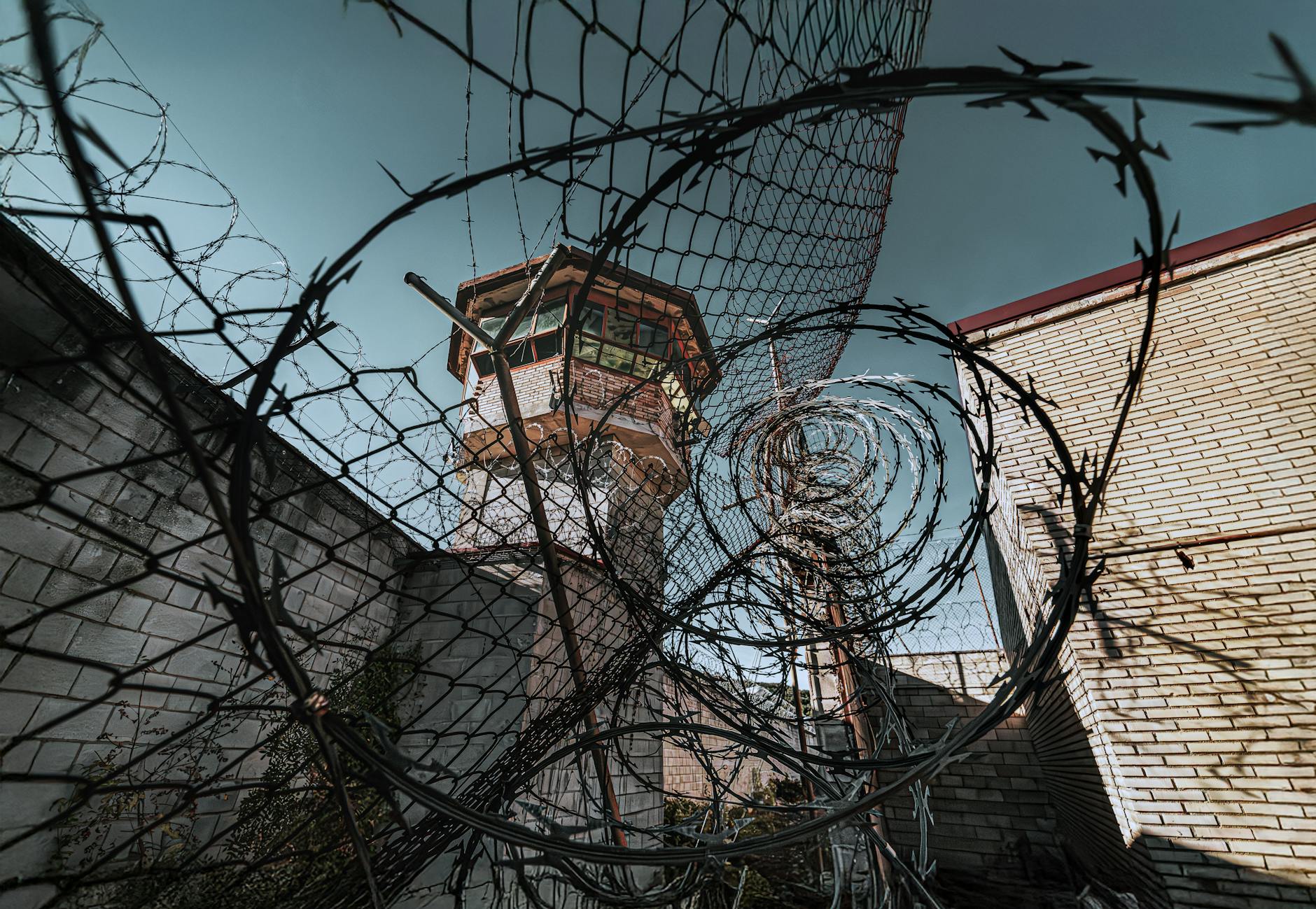
The prison's security measures are designed to prevent escape attempts and maintain order. The facility is equipped with state-of-the-art surveillance cameras, alarms, and iron bars to ensure the security of both inmates and staff. The medium security prison is a place where rehabilitation and reintegration into society are the ultimate goals, rather than just punishment.
The living conditions in a medium security prison are cramped and austere, with inmates sharing cells with up to three others. Bunks, toilets, and sinks are all crammed into a small space, making personal hygiene and privacy a challenge. Despite these difficulties, many inmates view the medium security prison as a step up from maximum security facilities, where conditions are often harsher and more restrictive.
A Day in the Life of Inmates Behind Bars
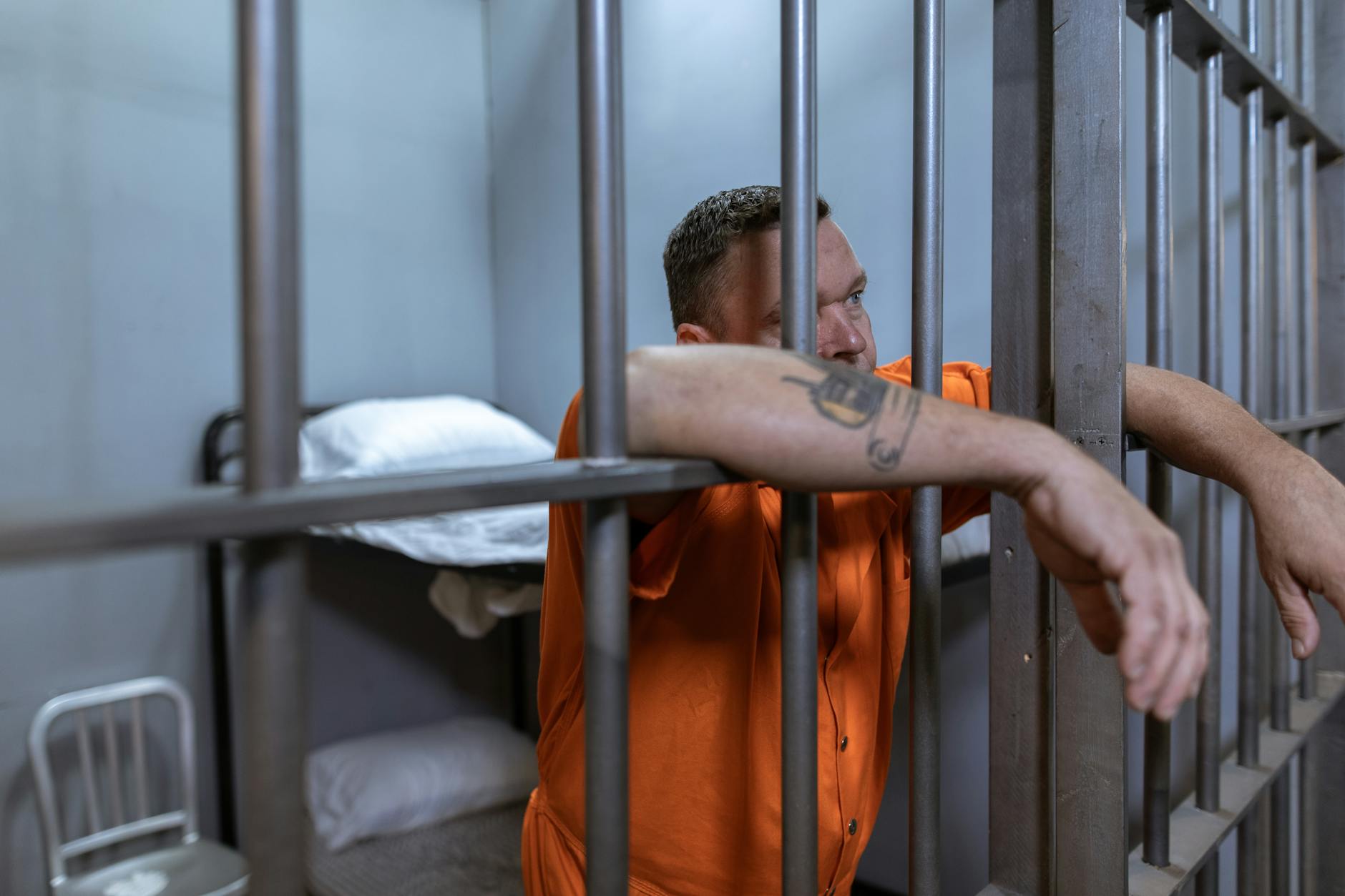
Inside a typical 500-inmate medium security prison facility, daily life is marked by a strict routine that aims to balance discipline with rehabilitation. The day begins at 6:00 AM with a mandatory headcount, followed by breakfast in the communal dining hall. Inmates are then free to use the exercise yard, which is supervised by corrections officers.
The medium security prison is designed to house inmates who pose a moderate risk to themselves and others. According to the Bureau of Justice Statistics, about 40% of state prisons in the United States operate at medium security levels. Inmates in medium security facilities are generally allowed more freedom and privileges than those in maximum security prisons, but are still subject to strict rules and regulations.
A typical day for an inmate in a medium security prison is filled with a mix of work, education, and leisure activities. In addition to their assigned work duties, inmates can participate in vocational training programs, such as carpentry or culinary arts, to develop new skills and prepare for life after release. Many inmates also take advantage of the prison's educational programs, which offer courses in subjects like math, science, and literature.
Life Behind the Confining Barriers of Medium Security
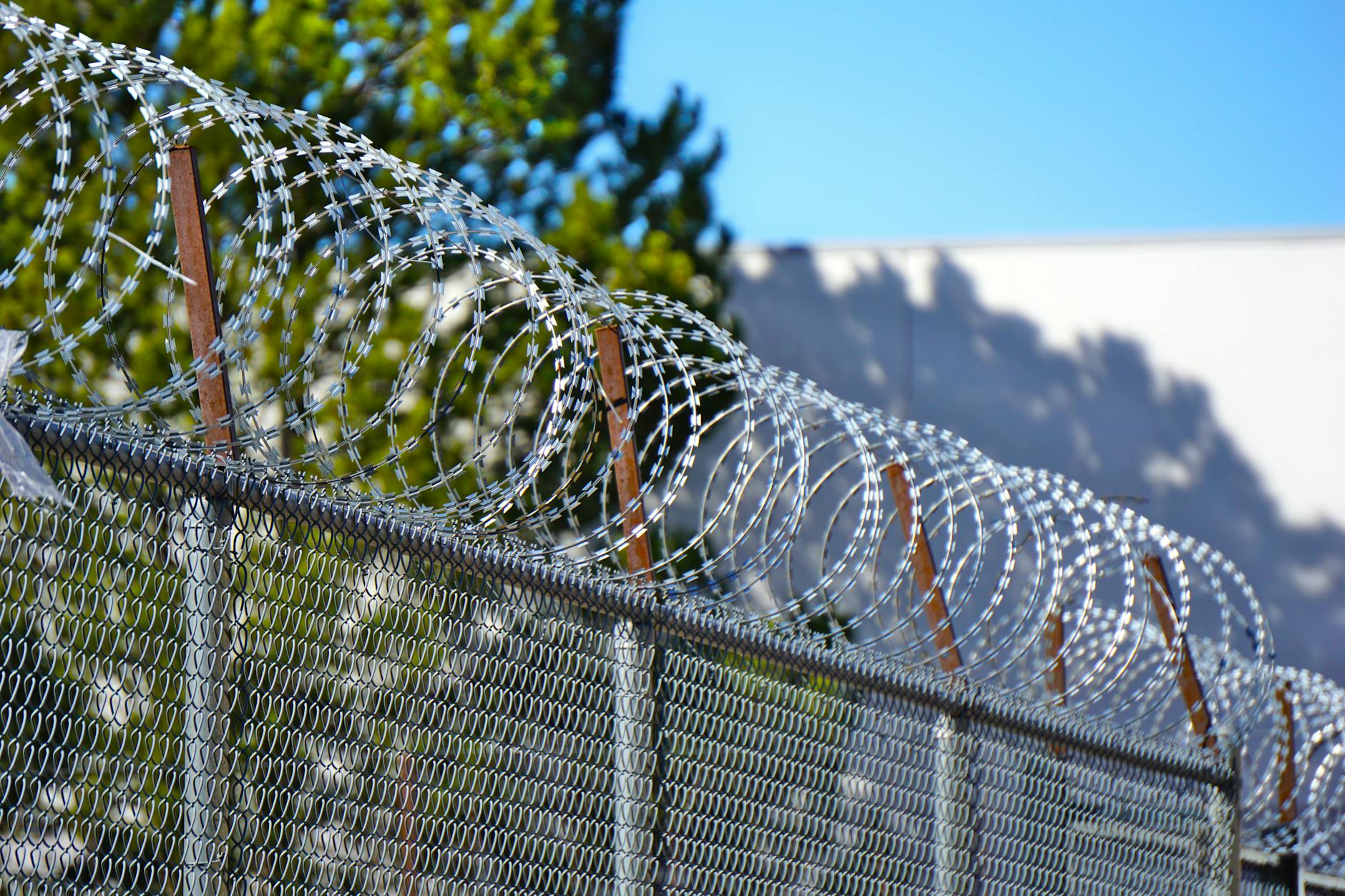
Prisoners living in medium security facilities are subject to more privileges than those in maximum security, but stricter rules than those in minimum security. They have access to more recreational activities, including sports and educational programs.
A typical day for a medium security inmate begins with wake-up calls and roll call. According to the Bureau of Justice Statistics, approximately 70% of prisoners in medium security facilities participate in some form of work or education program. This can include job training, vocational classes, or GED preparation.
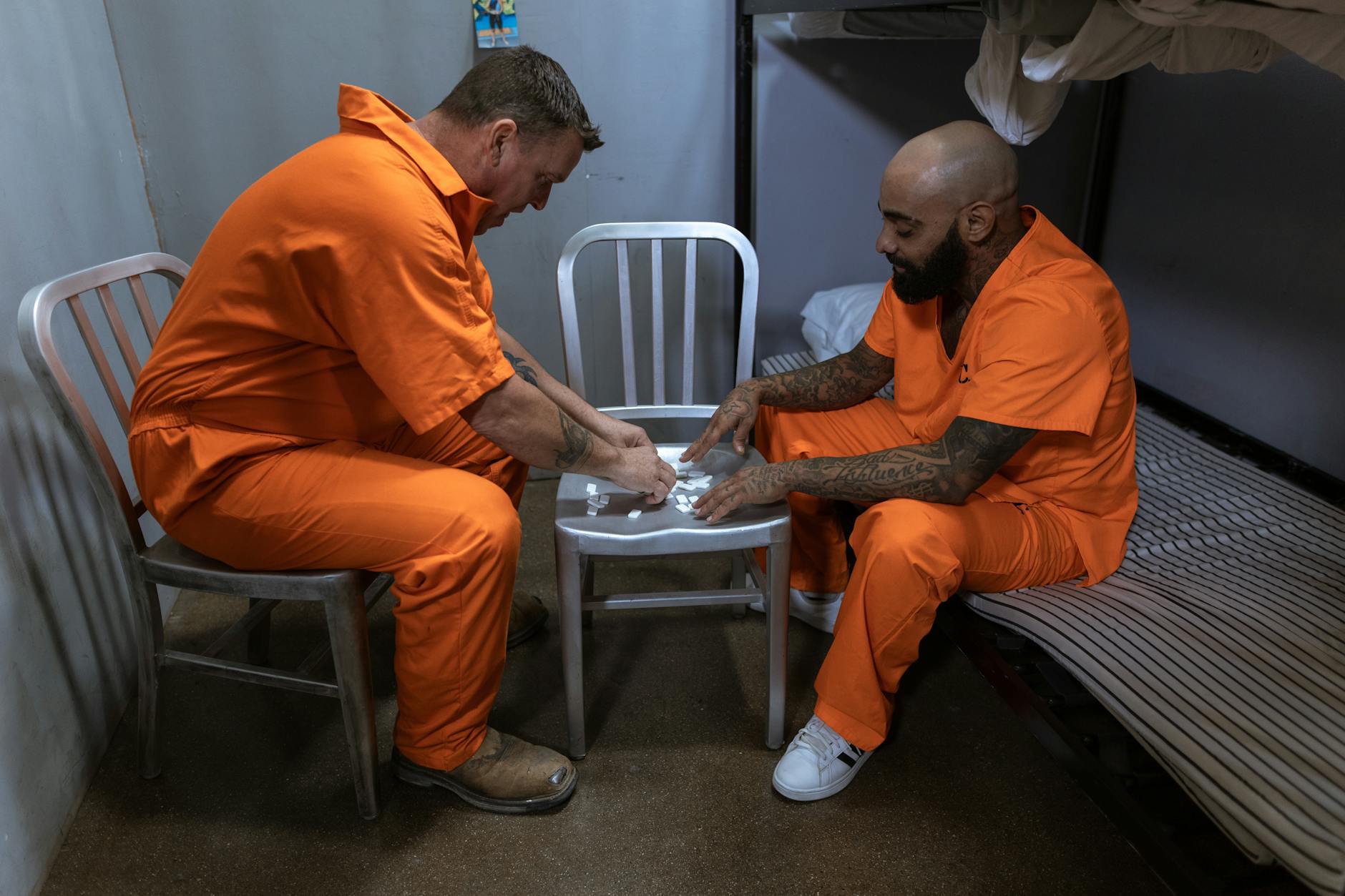
Cells in medium security prisons are usually shared with one or two roommates, with individual lockers for personal belongings. Inmates have set times for meals, exercise, and recreation. Some prisons may offer counseling services or peer support groups for inmates struggling with addiction or mental health issues.
Balancing Control and Rehabilitation in Medium Security Prisons
Daily life within a medium security prison is a delicate balance of control and rehabilitation.
The prison's administration ensures that inmates are provided with a structured environment that promotes accountability. Inmates are required to adhere to a strict schedule, which includes regular meals, work assignments, and recreational activities. This structured routine helps to prevent idleness and promote a sense of purpose, which is essential for rehabilitation.
Research indicates that structured environments can lead to a 30% reduction in recidivism rates among medium security prisoners. The prison's approach to rehabilitation is multifaceted, incorporating programs such as counseling, education, and job training. These programs equip inmates with the skills and knowledge necessary to reintegrate into society upon release.
Daily interactions between inmates and correctional officers are closely monitored to maintain order and prevent conflicts. Inmates are encouraged to participate in counseling sessions and engage in activities that promote self-improvement and personal growth. The goal is to create an environment that fosters respect, accountability, and a sense of responsibility among inmates.
Preparing Inmates for Reentry into Society Successfully
Preparing Inmates for Reentry into Society Successfully
Prison programs focus on rehabilitation, aiming to equip inmates with skills for a successful transition back into society. One key area is education, with many facilities offering GED and vocational training. According to the Bureau of Justice Statistics, about 60% of state and federal prisoners have less than a high school diploma.
Recreation and counseling programs are also crucial in promoting mental well-being and preparing inmates for life outside the prison walls. Regular exercise, group therapy, and individual counseling help inmates cope with stress and anxiety, reducing the likelihood of recidivism.
While programs vary, many facilities offer job training, life skills classes, and substance abuse treatment. These programs not only improve inmates' chances of finding employment upon release but also enhance their overall quality of life. Effective reintegration programs can significantly reduce recidivism rates, supporting a safer and more just society.
By providing inmates with the tools and support they need, correctional facilities can empower individuals to become productive members of society upon release, reducing the risk of further incarceration and promoting a more positive outcome for all.
As revealed through the daily life inside a typical 500-inmate medium security prison facility, the reality is that these institutions are complex systems where rehabilitation and security coexist. While the harsh conditions and strict rules may seem daunting, a medium security prison is not just a place of confinement, but also a site of personal growth and transformation. By gaining insight into the daily routines, living conditions, and programs offered within these facilities, visitors and policymakers can develop a more nuanced understanding of the challenges and opportunities that exist in medium security prisons. This newfound understanding can inform more effective rehabilitation strategies and ultimately contribute to safer communities upon release. As the prison system continues to evolve, prioritizing rehabilitation and restorative justice will be crucial in shaping a more compassionate and effective approach to incarceration.
Need this answered for your specific case?
Get a flat-fee consultation with a verified U.S. immigration attorney. Engagement letter on every paid consult.
Related guides
-
Sanctions on Juvenile Offenders Cut Recidivism Rate by 27% in First Year
7 min read · May 13, 2026
-
Federal Court Rules Graduated Sanctions Can Reduce Recidivism by 30% in Prisons
6 min read · May 13, 2026
-
Four-Year Prison Sentence for Man Convicted of 12 Technical Violations of Probation
6 min read · May 11, 2026
This guide provides general legal information and does not create an attorney–client relationship. Information accurate as of July 2026. Always verify current USCIS guidance before acting.