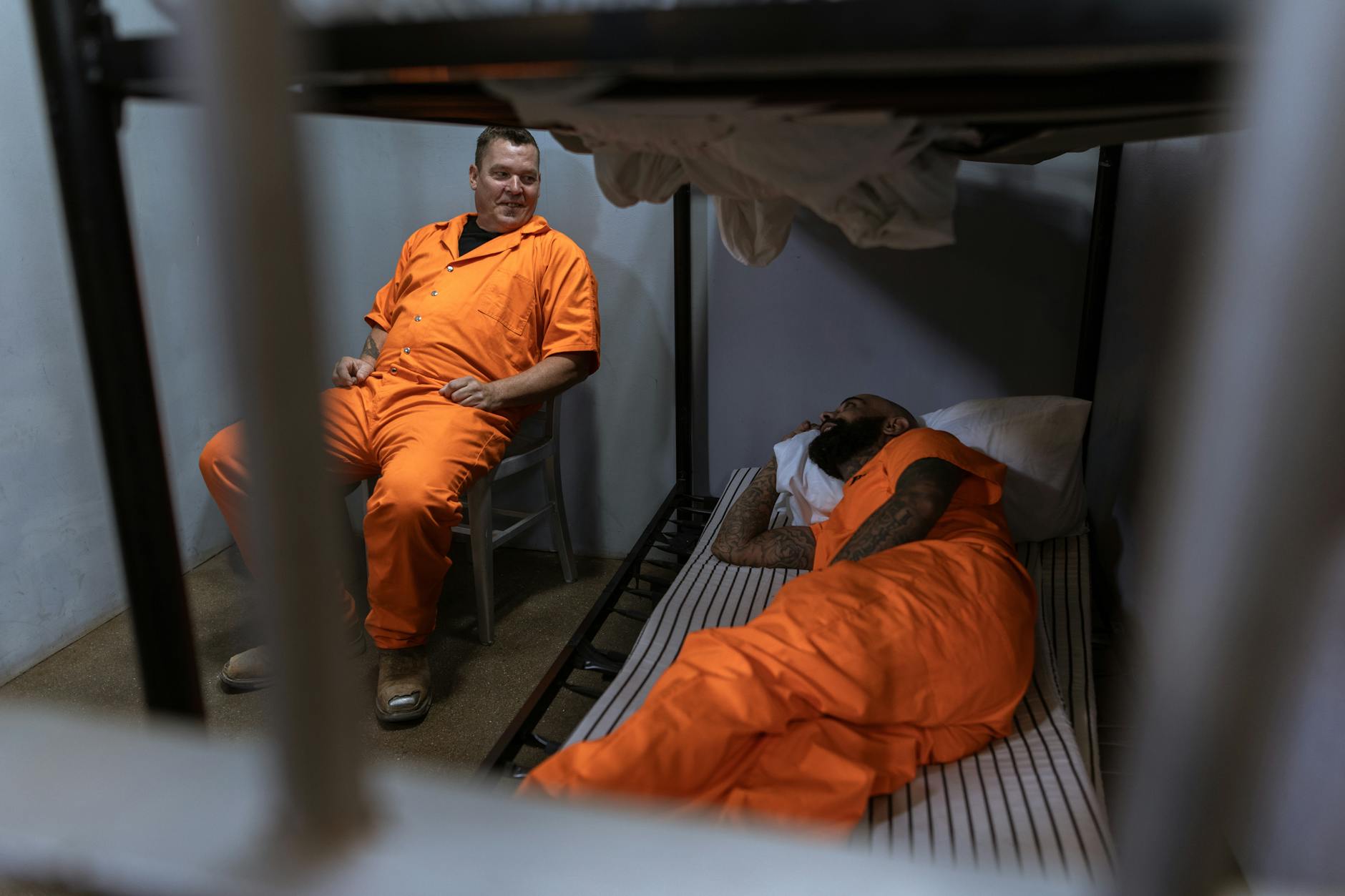
The Federal Supermax Prison in Colorado is a fortress of solitude, a place where some of the most notorious inmates in America's history reside. Located in the town of Florence, this maximum-security facility is designed to house the most violent and high-risk prisoners, with a population of around 400 inmates who are considered too dangerous to be held in regular prisons.
The Federal Supermax Prison is a prime example of a supermax prison, a type of correctional facility that has been implemented in the United States to address the growing concerns about prisoner violence and escape attempts. What Is Supermax Prison Explained, these facilities are designed to provide a high level of security, with features such as solitary confinement, electronic surveillance, and reinforced structures that make it nearly impossible for prisoners to escape or cause harm to others. With its unique design and strict protocols, the Federal Supermax Prison in Colorado is a fascinating case study of the complexities of the American prison system and the need for exceptional security measures.
Punishment and Isolation: A Historical Context
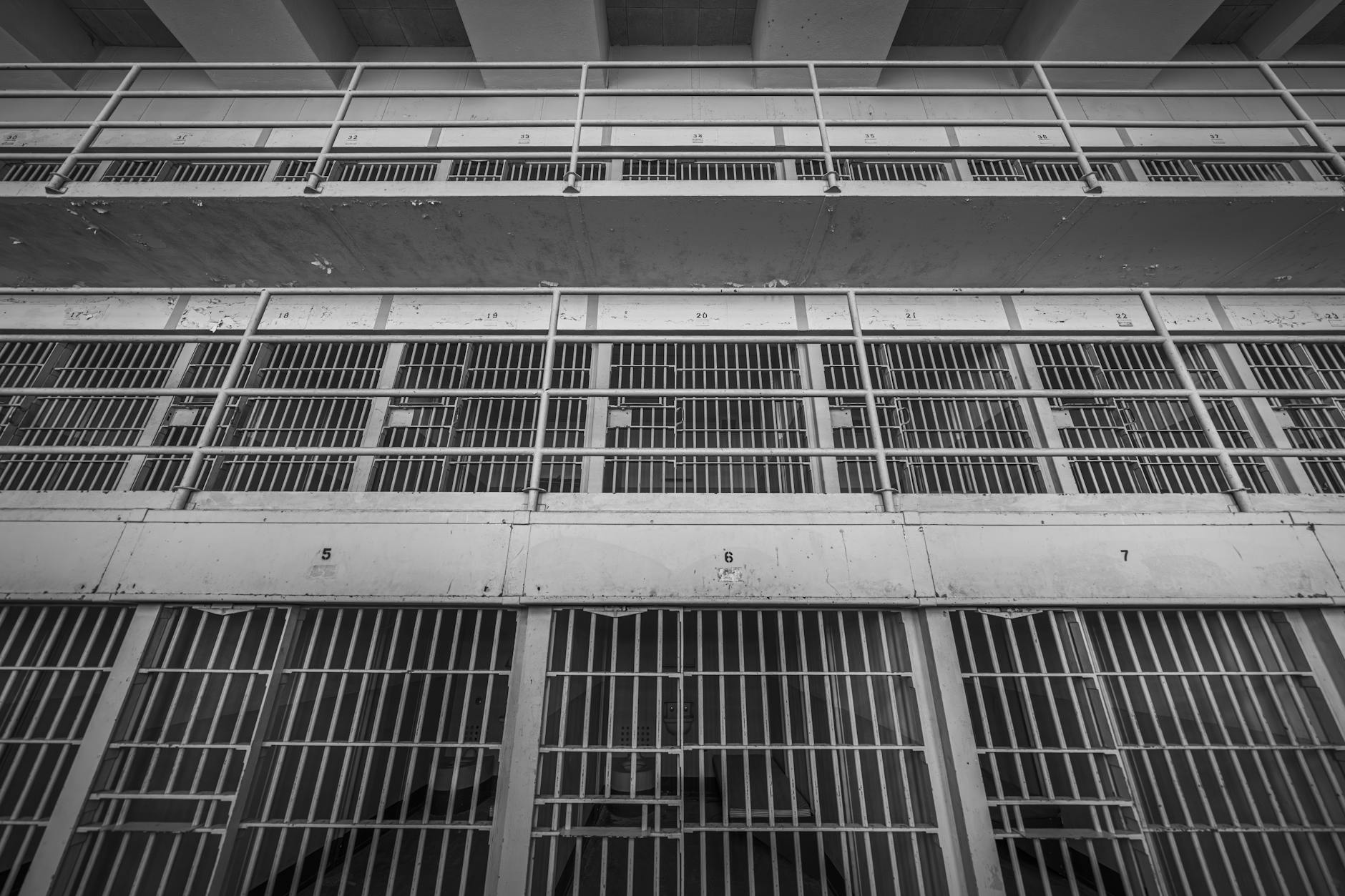
The Federal Supermax Prison in Colorado, also known as ADX Florence, serves as the most secure facility in the United States. This maximum-security prison has been designed to house the most violent and high-risk inmates.
The concept of a supermax prison dates back to the 1980s, when the United States began to experience a rise in violent crime. As a result, correctional facilities were forced to adapt to the changing needs of the prison system. The introduction of solitary confinement and strict security measures aimed to reduce violence and improve control. These measures have been met with controversy, with critics arguing that they can exacerbate mental health issues and lead to further isolation.
Statistics show that approximately 25% of inmates in supermax prisons experience mental health issues, raising concerns about the long-term effects of solitary confinement. The American Psychological Association has estimated that prolonged isolation can lead to increased anxiety, depression, and even suicidal tendencies in prisoners.
The harsh conditions within supermax prisons have sparked intense debate about the ethics of solitary confinement. Many argue that such conditions can be counterproductive, making prisoners more aggressive and less likely to rehabilitate upon release. The Federal Supermax Prison in Colorado continues to serve as a model for this type of facility, sparking ongoing discussions about the role of punishment and rehabilitation in the US prison system.
Design and Security Measures Unveiled
The Federal Supermax Prison in Colorado, also known as ADX Florence, is a high-security facility designed to house the most violent and high-risk inmates in the United States. This prison has been the subject of much fascination and intrigue due to its extreme security measures and notorious inmates.
At the heart of the prison's design is a focus on isolation and containment. The facility's cells are individual, with no windows, and are designed to be escape-proof. Inmates are kept in solitary confinement for 23 hours a day, with only one hour of exercise time outside of their cells. This level of isolation is thought to reduce the likelihood of violence and make it easier to manage the inmates.
The prison's architecture and design reflect its purpose as a high-security facility. The walls are made of reinforced concrete and the cells are built into the sides of the rock face to prevent escape. The prison's layout is also designed to prevent inmates from communicating with each other. According to the Bureau of Prisons, the average length of stay for inmates at ADX Florence is 13 years, highlighting the severity of the prison's conditions.
The Federal Bureau of Prisons has implemented various security measures to ensure the safety and security of the prison staff and inmates. These measures include metal detectors, surveillance cameras, and a robust intelligence gathering system. The prison's strict rules and protocols are designed to prevent any potential threats or security breaches.
Life Inside: Confined Living Conditions and Routine

Confinement is a defining feature of life inside America's most secure facility, the Federal Supermax Prison in Colorado. Isolated cells, often with no windows, are the norm here. Every day, the same routine is repeated: wake up, eat, exercise, and sleep.
The Federal Supermax Prison is designed to house the most violent and unmanageable inmates. According to the Bureau of Prisons, approximately 25% of the prison's population has been involved in violent crimes. This atmosphere of constant surveillance and control shapes every aspect of life within the prison walls.
The daily routine is strictly monitored and controlled. Inmates are allowed to leave their cells only for meals, exercise, or visits from family and friends. Even these interactions are heavily supervised. Every movement, every conversation, is scrutinized and recorded. The sense of confinement is almost palpable, a constant reminder of the strict rules and regulations that govern life inside the prison.
This level of control can have a profound impact on an individual's mental and emotional well-being. Prolonged isolation can lead to depression, anxiety, and even psychosis. The harsh conditions within the Federal Supermax Prison serve as a stark reminder of the consequences of crime and the importance of rehabilitation.
Reforming the System: Challenges and Controversies Ahead

The Federal Supermax Prison in Colorado is a highly secure facility designed to house some of America's most violent and high-risk inmates.
Located in the town of Florence, the prison is a self-contained complex with its own hospital, chapel, and exercise yards.
It's estimated that the prison costs taxpayers approximately $60,000 annually per inmate, making it one of the most expensive facilities of its kind in the country.
The supermax prison system is a relatively new phenomenon, emerging in the 1990s as a response to growing concerns about prison violence and the need for maximum security.
The prisons are designed to be highly restrictive, with inmates spending up to 23 hours a day in their cells, where they have limited access to amenities and services.
Critics argue that the supermax system is inhumane and counterproductive, as it can exacerbate mental health problems and create a culture of violence and mistrust.
Studies have shown that inmates in supermax prisons are more likely to experience depression, anxiety, and other mental health issues than those in less secure facilities.
The American Correctional Association has estimated that the recidivism rate for supermax prisoners is significantly higher than for those in other types of facilities.
Prison Expansion and Reforms: A Path Forward
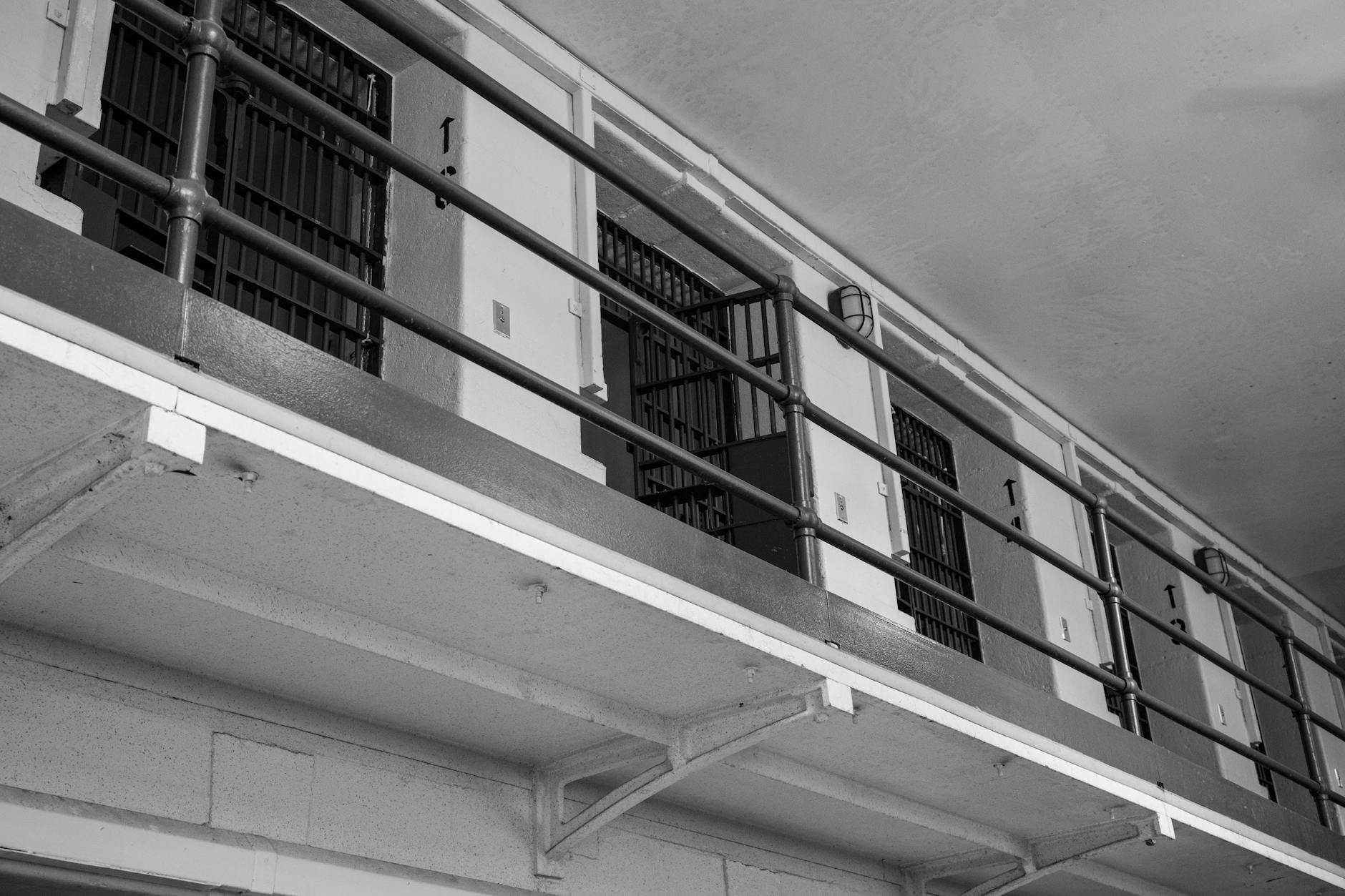
The Federal Supermax Prison in Colorado is a unique facility that serves as a model for the nation's most secure prisons. A supermax prison is a type of correctional facility designed to house prisoners who require higher levels of security and isolation.
These facilities are typically reserved for inmates who pose a significant threat to the safety of others and/or have a history of violent behavior. According to the Bureau of Justice Statistics, supermax prisons account for less than 1% of the nation's correctional facilities but house approximately 15% of the federal prison population.
Supermax prisons are characterized by their highly restrictive environments, which are designed to minimize the risk of escape and violent incidents. This often includes features such as solitary confinement, limited access to amenities and programs, and heavily fortified walls.
Need this answered for your specific case?
Get a flat-fee consultation with a verified U.S. immigration attorney. Engagement letter on every paid consult.
Related guides
-
Sanctions on Juvenile Offenders Cut Recidivism Rate by 27% in First Year
7 min read · May 13, 2026
-
Federal Court Rules Graduated Sanctions Can Reduce Recidivism by 30% in Prisons
6 min read · May 13, 2026
-
Four-Year Prison Sentence for Man Convicted of 12 Technical Violations of Probation
6 min read · May 11, 2026
This guide provides general legal information and does not create an attorney–client relationship. Information accurate as of July 2026. Always verify current USCIS guidance before acting.