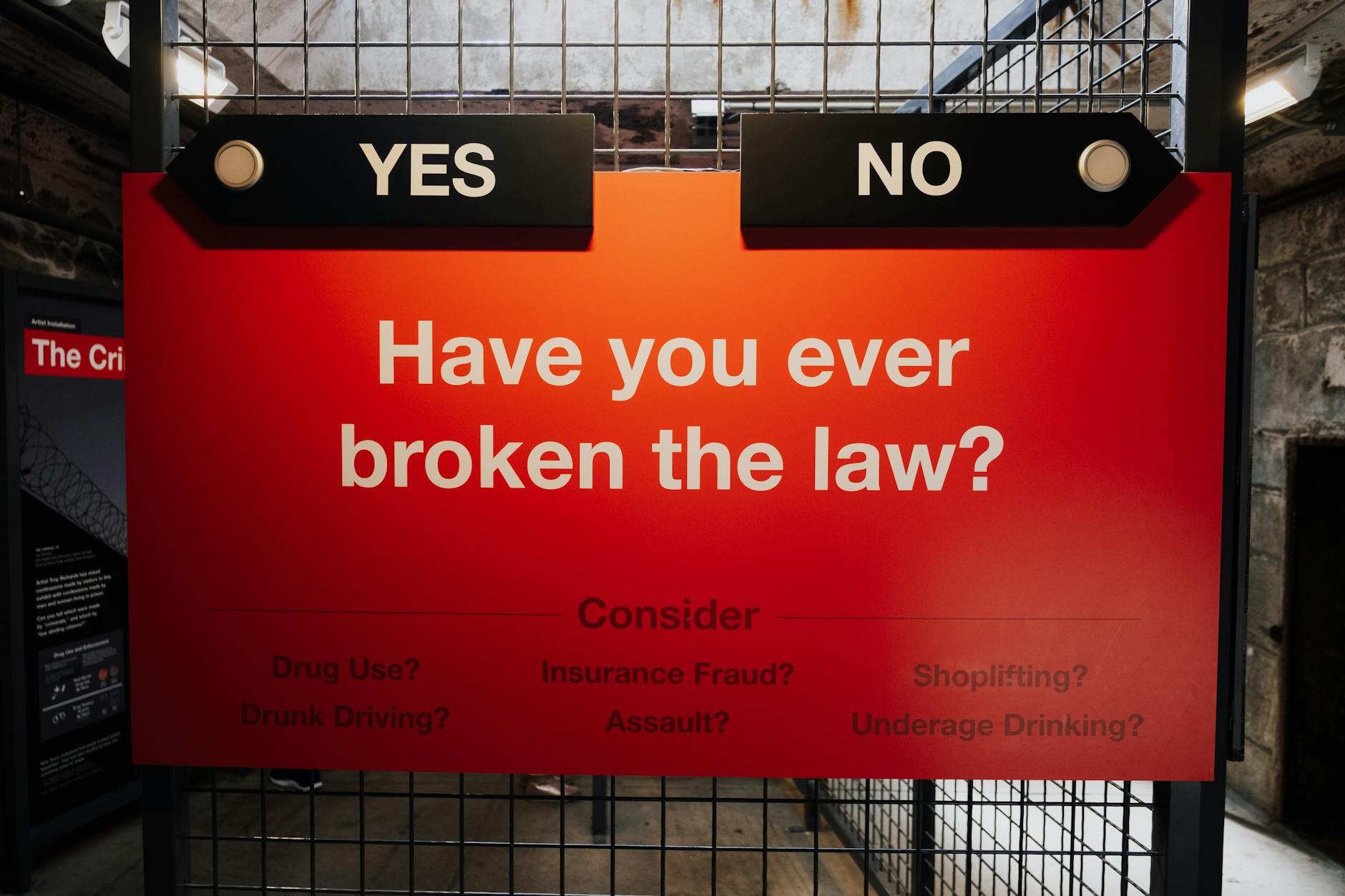
Insurance fraud siphons billions of dollars annually from the U.S. economy, inflating premiums and straining resources. This financial hemorrhage stems from a pervasive crime that often goes unnoticed: insurance fraud. Perpetrators exploit vulnerabilities in the system, leaving honest policyholders to foot the bill. The scale of this deception is staggering, with estimates suggesting tens of billions lost each year.
Insurance fraud crime encompasses a range of deceptive practices, from staged accidents to inflated claims. It's a crime that hits close to home, as it directly impacts the financial well-being of everyday Americans. Understanding what is insurance fraud crime is the first step in combating this epidemic. Whether it's a small exaggeration or a large-scale conspiracy, each act of fraud contributes to the overall burden. Recognizing the signs and reporting suspicious activity can help curb this costly trend. What is insurance fraud crime, exactly? It's any deliberate deception perpetrated with the intent to obtain an insurance benefit.
Understanding the Basics of Insurance Fraud
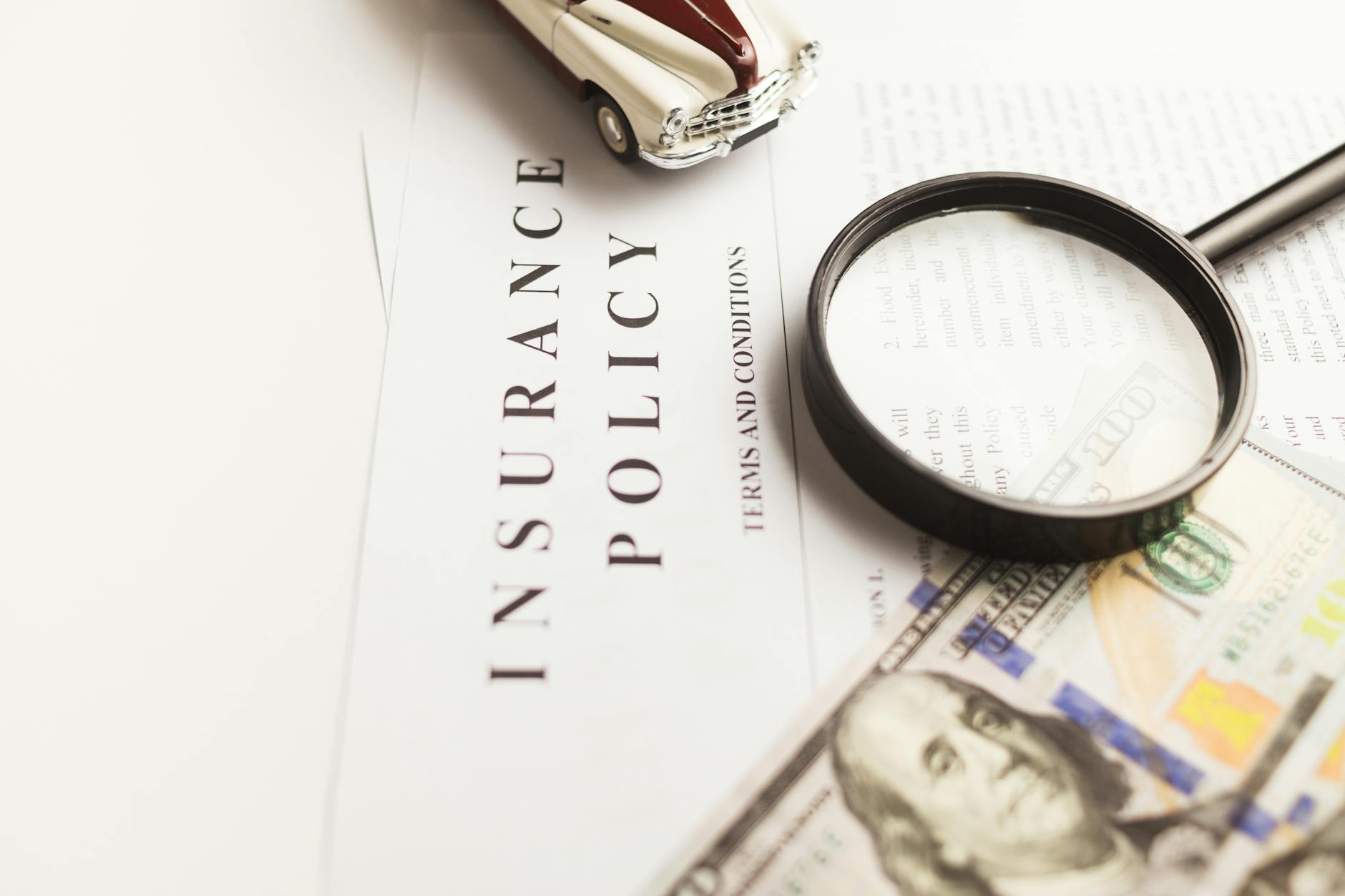
Insurance fraud represents a deliberate deception to obtain an improper payment from an insurance company. This crime encompasses a wide range of activities, from exaggerating claims to staging accidents. Perpetrators may include policyholders, third-party claimants, or even industry professionals. The common thread is the intent to defraud, making it a serious offense with legal consequences.
According to the Coalition Against Insurance Fraud, these crimes cost the U.S. economy over $80 billion annually. This financial burden ultimately trickles down to honest policyholders through higher premiums. The FBI considers insurance fraud a priority, as it undermines the stability of the insurance industry. Law enforcement agencies actively investigate and prosecute such cases to maintain fairness.
Types of insurance fraud vary widely. Hard fraud involves creating a loss that didn't actually occur, such as staging a car accident. Soft fraud, on the other hand, involves exaggerating a real loss to receive a larger payout. Both types are illegal and carry severe penalties. Industry experts emphasize the importance of vigilance in detecting and preventing these crimes.
Insurance companies employ sophisticated tools and techniques to combat fraud. Advanced analytics and artificial intelligence help identify suspicious claims. Training programs educate employees on recognizing red flags. Despite these efforts, fraud remains a persistent challenge. Public awareness plays a crucial role in reducing its prevalence.
Common Types of Fraudulent Claims

Insurance fraud manifests in various forms, each designed to exploit the system for financial gain. The most common type involves staged accidents, where fraudsters deliberately cause collisions to file inflated or fabricated claims. Another prevalent scheme is exaggerated claims, where policyholders inflate the extent of damage or injuries to receive larger payouts. These tactics not only drain resources but also drive up premiums for honest policyholders.
Healthcare fraud represents a significant portion of insurance fraud cases. This includes billing for services never rendered, upcoding (charging for more expensive services than were actually provided), and unnecessary medical procedures. According to the National Health Care Anti-Fraud Association, healthcare fraud costs the U.S. tens of billions annually. Such practices undermine the integrity of the healthcare system and increase costs for everyone.
Property insurance fraud also poses a substantial problem. This can range from arson to exaggerating the value of stolen or damaged items. Fraudsters may also stage break-ins or natural disasters to collect on insurance policies. These schemes require vigilance from insurers and law enforcement to detect and prevent.
Auto insurance fraud is another widespread issue. This includes not only staged accidents but also fake repair shops that overcharge for unnecessary or substandard work. The Coalition Against Insurance Fraud estimates that auto insurance fraud costs Americans billions each year. Combating these fraudulent activities requires a combination of advanced technology and proactive investigations.
How Fraudsters Exploit Insurance Systems

Insurance fraud represents a significant challenge to the U.S. economy, costing billions annually. At its core, insurance fraud involves deliberate deception to obtain financial gain from an insurance process. This crime manifests in various forms, from exaggerated claims to entirely fabricated incidents. Fraudsters exploit the system's complexity, targeting auto, health, and property insurance sectors most frequently.
One prevalent tactic involves staged accidents, particularly in auto insurance. Fraudsters may orchestrate collisions with unsuspecting drivers to claim damages. Another common scheme includes inflating medical bills in health insurance fraud. These actions not only drain resources but also drive up premiums for honest policyholders.
According to the Coalition Against Insurance Fraud, fraudulent claims account for approximately 10% of all claims. This figure translates to tens of billions of dollars lost each year. The FBI and other agencies actively pursue these crimes, but the sophisticated nature of modern fraud makes detection increasingly difficult.
Property insurance fraud also poses a substantial threat. Arson and exaggerated damage reports allow fraudsters to profit from insurance payouts. These crimes require coordinated efforts between insurers, law enforcement, and policymakers to mitigate their impact. Addressing insurance fraud demands vigilance and innovation to protect both the industry and consumers.
Real-World Consequences of Insurance Fraud

Insurance fraud isn't just a financial crime—it's a threat to public safety. When individuals or organizations stage accidents, inflate claims, or create fake policies, they divert resources from legitimate claimants. This can delay critical services, such as medical treatments or emergency response. The National Insurance Crime Bureau reports that fraudulent claims cost the U.S. economy over $80 billion annually, a burden ultimately borne by honest policyholders through higher premiums.
One of the most alarming consequences is the erosion of trust in insurance systems. When fraud becomes widespread, insurers may tighten claim approval processes, leaving genuine victims struggling to access benefits. This creates a vicious cycle where distrust fuels more fraudulent activities. Experts warn that this undermines the entire social contract of insurance, which relies on mutual trust and shared risk.
Beyond financial losses, insurance fraud can have devastating human costs. Staged accidents, for instance, put innocent lives at risk. In some cases, fraudsters have caused severe injuries or fatalities in their attempts to deceive insurers. These incidents highlight the urgent need for stricter enforcement and public awareness to combat this growing problem.
Evolving Tactics in Insurance Crime

Insurance fraud crime encompasses a range of deceptive practices designed to exploit insurance systems for financial gain. At its core, it involves deliberate misrepresentation or concealment of information to obtain unfair benefits. This can manifest in various forms, from staged accidents and exaggerated claims to more complex schemes like premium diversion or fee churning. Each tactic undermines the integrity of insurance systems, driving up costs for honest policyholders.
One of the most prevalent types of insurance fraud is staged accidents. Criminals orchestrate collisions, often involving unsuspecting drivers, to file fraudulent claims for vehicle damage, medical expenses, or even personal injury. These schemes can be elaborate, involving multiple individuals and coordinated efforts to deceive investigators. According to industry experts, staged accidents account for a significant portion of auto insurance fraud, costing billions annually.
Another evolving tactic is the exploitation of health insurance systems. Fraudsters may submit claims for services never rendered, upcode procedures to inflate reimbursements, or even create phantom patients to bill insurers for non-existent treatments. These practices not only drain resources but also compromise patient care. The complexity of healthcare billing systems provides ample opportunities for fraud, making detection and prevention particularly challenging.
Insurance fraud is not limited to individual perpetrators. Organized crime rings often play a significant role, coordinating large-scale operations that involve multiple participants and sophisticated schemes. These groups may target specific types of insurance, such as property or workers' compensation, to maximize their illicit gains. The collaborative nature of these operations makes them particularly difficult to dismantle, requiring coordinated efforts between law enforcement and insurance fraud investigators.
Insurance fraud is a serious crime that drains billions from the U.S. economy each year, encompassing a wide range of deceptive practices from exaggerated claims to staged accidents. It's not just a financial issue; it drives up premiums for honest policyholders and strains the entire insurance system. To combat this growing problem, consumers should remain vigilant, reporting any suspicious activity to their insurers or relevant authorities. As technology advances, fraudsters will likely become more sophisticated, making it crucial for insurers to invest in innovative detection methods and for lawmakers to strengthen penalties. The fight against insurance fraud requires collective effort and constant adaptation to protect the integrity of the system.
Need this answered for your specific case?
Get a flat-fee consultation with a verified U.S. immigration attorney. Engagement letter on every paid consult.
Related guides
This guide provides general legal information and does not create an attorney–client relationship. Information accurate as of July 2026. Always verify current USCIS guidance before acting.