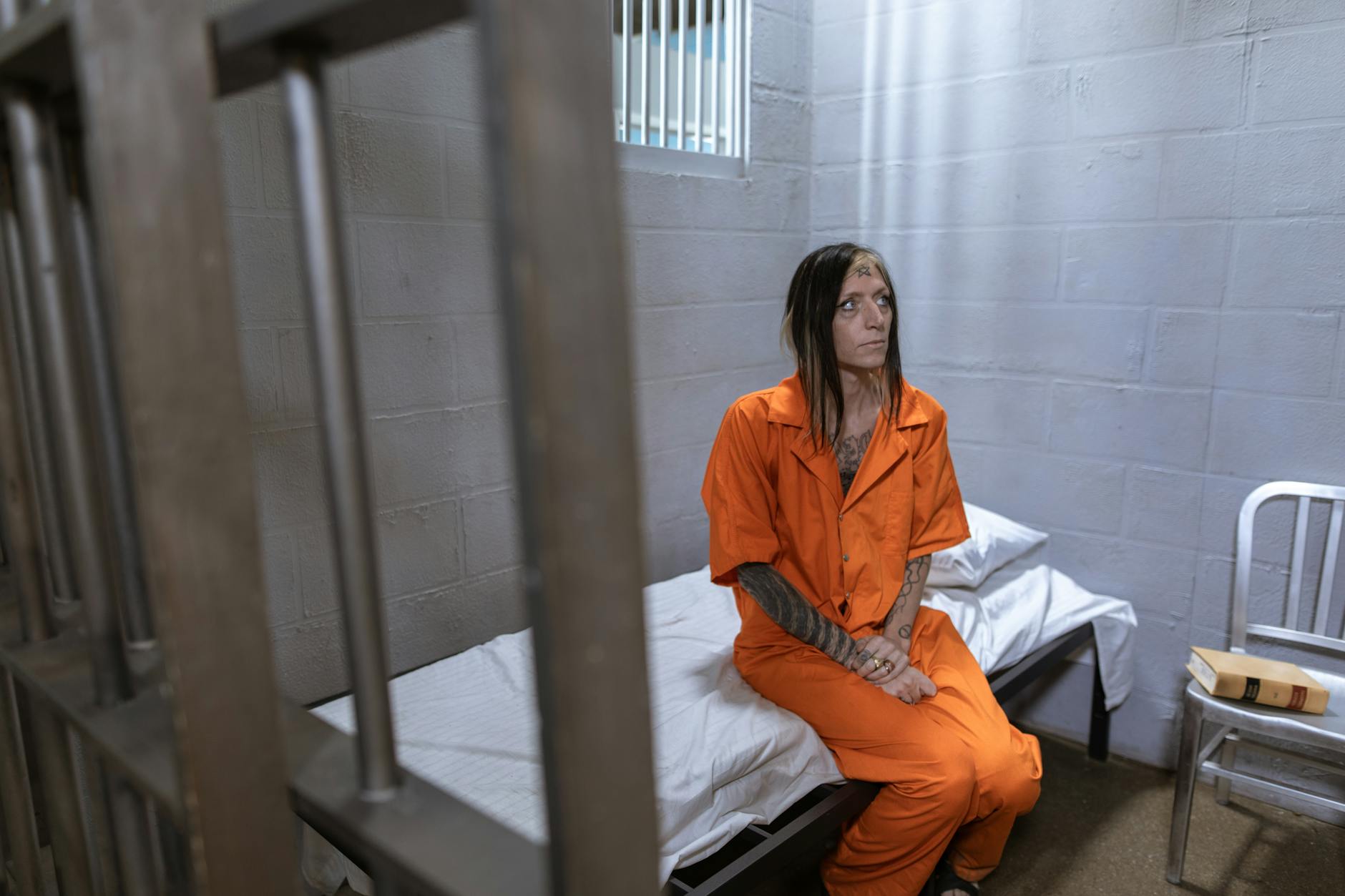
Over 2 million people are currently locked up in the United States, making it the country with the highest incarceration rate in the world. Behind these stark numbers lies a complex system with two primary types of facilities: jails and prisons. Understanding the difference between these institutions is crucial for grasping how the U.S. handles detention and punishment.
The what is jail vs prison difference is more than just semantics. Jails typically serve as temporary holding facilities for individuals awaiting trial or serving short sentences, usually for misdemeanors. They are often run by local governments and can be found in nearly every county. Prisons, on the other hand, are state or federally operated facilities designed for long-term confinement of individuals convicted of felonies. The what is jail vs prison difference impacts everything from facility operations to inmate programs and release processes. For anyone navigating the legal system or advocating for criminal justice reform, this distinction is fundamental.
Understanding the U.S. Incarceration System

The U.S. incarceration system comprises two primary types of facilities: jails and prisons. These institutions serve distinct purposes and house different populations. Jails typically hold individuals awaiting trial or serving short sentences, often for misdemeanors. Prisons, on the other hand, confine individuals convicted of felonies, serving sentences longer than one year.
Jails are usually managed by local law enforcement agencies, such as county sheriffs, and are designed for short-term confinement. According to the Vera Institute of Justice, there are over 3,000 jails in the United States, with a daily population exceeding 700,000 individuals. These facilities focus on temporary custody and often lack the extensive rehabilitation programs found in prisons.
Prisons, managed by state or federal agencies, emphasize long-term incarceration and rehabilitation. They house individuals convicted of serious crimes and offer more comprehensive programs aimed at rehabilitation and reintegration. The distinction between jails and prisons is crucial for understanding the broader U.S. criminal justice system and its impact on communities.
Local vs. Federal Control

The U.S. incarceration system operates on a dual level, with jails typically managed at the local level and prisons under federal or state control. Local sheriffs or county governments oversee jails, which primarily hold individuals awaiting trial or serving short sentences for misdemeanors. This decentralized approach allows jails to address the specific needs of their communities, such as providing rehabilitation programs tailored to local demographics.
In contrast, prisons are state or federally operated facilities designed for individuals convicted of felonies and serving longer sentences. The Federal Bureau of Prisons, for instance, manages facilities that house inmates serving sentences of more than one year. According to the Bureau of Justice Statistics, as of 2021, state and federal prisons held approximately 1.2 million inmates, highlighting the scale of this system.
An expert in criminal justice policy notes that the distinction between jail and prison control reflects broader governance structures. Local control of jails enables quicker responses to community-specific issues, while federal oversight of prisons ensures consistency in managing serious offenses across states. This division of responsibilities shapes the experiences of both inmates and correctional staff.
Length of Stay and Security Levels

The length of stay in jail is typically much shorter than in prison. Jails are designed for short-term confinement, often serving as temporary holding facilities for individuals awaiting trial or serving sentences of less than one year. In contrast, prisons are for long-term incarceration, with sentences ranging from several years to life. According to the Bureau of Justice Statistics, as of 2021, there were approximately 634,300 inmates in local jails, while state and federal prisons held about 1.2 million individuals.
Security levels in jails and prisons also differ significantly. Jails generally have lower security levels, with a focus on maintaining order among a diverse population that includes both pretrial detainees and sentenced inmates. They often have open dormitories and fewer restrictions on movement within the facility. Prisons, on the other hand, are categorized into different security levels—minimum, medium, maximum, and administrative—based on the risk level of the inmates. Maximum-security prisons, for example, have the highest level of security, with strict controls and limited inmate movement.
A correctional expert explains that the design and operation of these facilities reflect their distinct purposes. Jails are more like transit points, while prisons are designed for long-term rehabilitation and punishment. The American Correctional Association emphasizes that understanding these differences is crucial for effective criminal justice policy and practice.
Another key difference lies in the types of programs and services offered. Jails often provide basic services such as medical care and mental health support, but their short-term nature limits the scope of rehabilitation programs. Prisons, with their longer-term focus, offer a wider range of educational, vocational, and therapeutic programs aimed at reducing recidivism and preparing inmates for reintegration into society.
Daily Life Inside Jails and Prisons
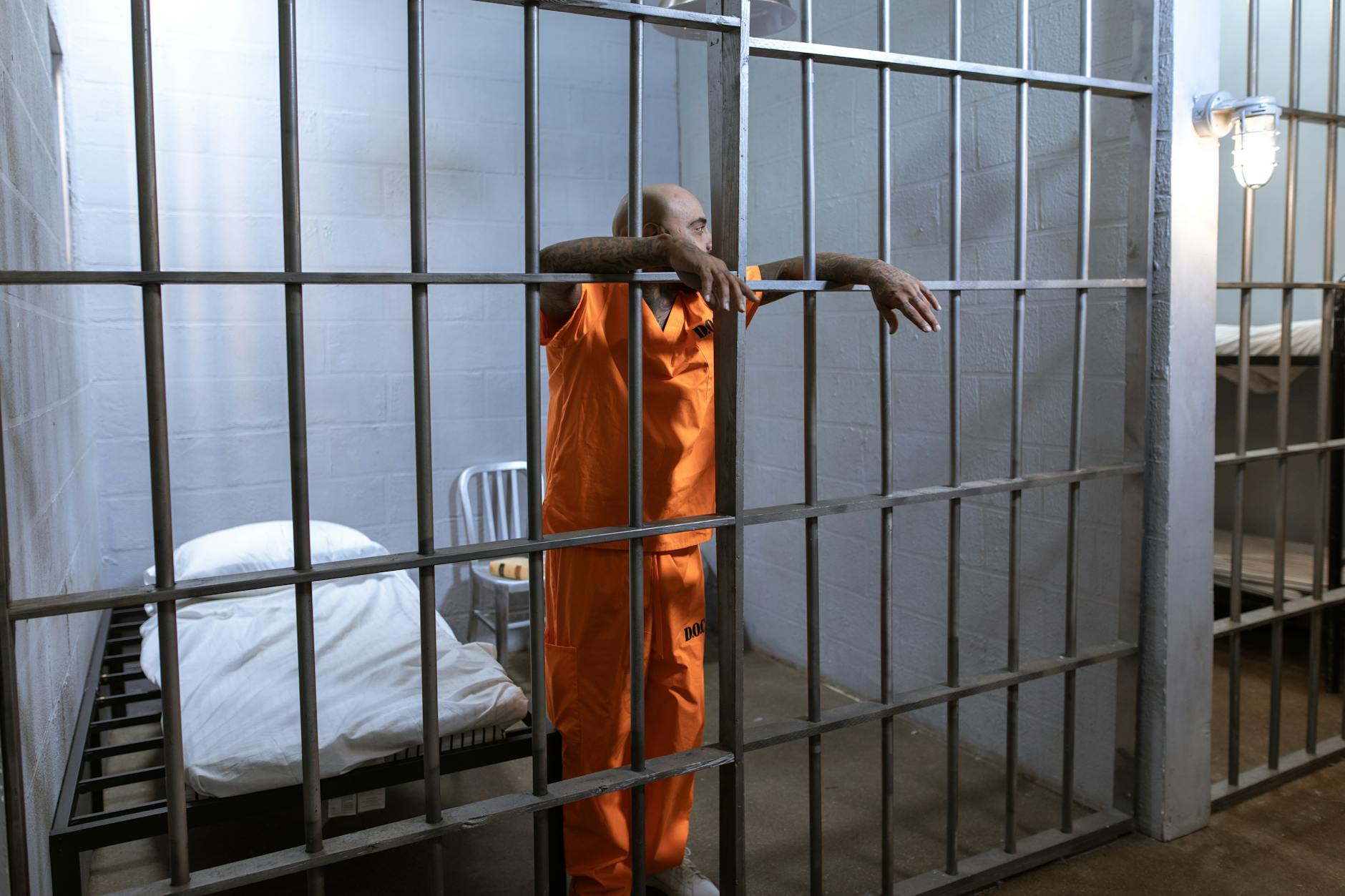
Daily life in jails and prisons differs significantly due to their distinct purposes and populations. Jails, designed for short-term stays, often feel more transient. Inmates typically share cells or dormitories, with activities focused on maintaining order and preparing for court appearances. Meals are usually simple, and recreational opportunities may be limited. The atmosphere can be tense, with a constant influx and outflow of individuals.
Prisons, on the other hand, operate on a more structured routine due to their long-term nature. Inmates often have assigned cells or bunk beds, and daily schedules include work assignments, educational programs, and recreational time. Meals are more structured, with set times and menus. The environment is generally more stable, as inmates serve longer sentences.
A study by the Bureau of Justice Statistics found that jails house a more diverse population, with many individuals awaiting trial or serving short sentences for misdemeanors. This diversity can contribute to a more dynamic but sometimes chaotic environment. In contrast, prisons tend to have a more homogeneous population, with inmates serving longer sentences for felonies.
Experts note that the quality of life in both settings varies widely depending on the facility's resources and management. Overcrowding, understaffing, and budget constraints can significantly impact the daily experiences of inmates in both jails and prisons. Despite these challenges, many facilities strive to provide necessary services and programs to support rehabilitation and reintegration.
Reforming the U.S. Incarceration Approach

The U.S. incarceration system is undergoing significant reforms, driven by growing recognition of the stark differences between jail and prison. Jails, typically run by local governments, serve as temporary holding facilities for individuals awaiting trial or serving short sentences. Prisons, on the other hand, are state or federally operated and house individuals convicted of more serious crimes for longer periods. This distinction is crucial in understanding the broader debate about criminal justice reform.
According to the Prison Policy Initiative, over 60% of the jail population is awaiting trial, highlighting the need for reforms in pretrial detention practices. Many advocates argue for reducing jail populations by implementing alternative programs, such as diversion initiatives and bail reform. These efforts aim to address the disproportionate impact on low-income individuals who cannot afford bail, a critical issue in the current system.
Prisons face their own set of challenges, particularly regarding overcrowding and recidivism. Experts emphasize the importance of rehabilitation programs and education initiatives to prepare inmates for reintegration into society. Recent legislative changes, such as the First Step Act, have taken steps toward addressing these issues by expanding eligibility for early release and providing more resources for prisoner rehabilitation. These reforms reflect a shift in focus from punishment to rehabilitation, a pivotal change in the U.S. incarceration approach.
Community-based alternatives are gaining traction as part of the reform movement. Programs like drug courts and mental health treatment centers offer non-incarceration options for certain offenses. These initiatives not only reduce jail and prison populations but also address the root causes of criminal behavior. By prioritizing treatment over punishment, the system can better serve both individuals and society as a whole.
Understanding the distinction between jail and prison is crucial for navigating the U.S. incarceration system. Jails typically house individuals awaiting trial or serving short sentences, while prisons confine those serving longer sentences for more serious crimes. To stay informed, individuals should familiarize themselves with local jail systems and state or federal prison structures. As the conversation around criminal justice reform continues to evolve, recognizing these differences will remain vital for advocating for meaningful change.
Need this answered for your specific case?
Get a flat-fee consultation with a verified U.S. immigration attorney. Engagement letter on every paid consult.
Related guides
This guide provides general legal information and does not create an attorney–client relationship. Information accurate as of July 2026. Always verify current USCIS guidance before acting.