
Over 1.5 million trespassing incidents occur annually in the United States, making it a common yet often misunderstood legal issue. Trespassing laws vary by state, but they all share a fundamental principle: entering or remaining on private property without permission is illegal. The consequences can range from fines to arrest, depending on the circumstances and local regulations.
Understanding these laws is crucial for property owners and the public alike. Can you be arrested for trespassing on private land? The answer is yes, and the legal repercussions can be severe. Whether it's a simple misunderstanding or a deliberate intrusion, knowing the rules helps individuals avoid unintended confrontations and potential legal trouble. From posted signs to verbal warnings, property owners have various means to communicate their boundaries, and trespassers risk facing serious penalties if they ignore these signals.
Understanding Property Boundaries

Property boundaries mark the limits of private ownership, and understanding them is crucial to avoiding trespassing charges. These boundaries are typically defined by legal descriptions, surveys, or physical markers like fences, walls, or signs. A study by the American Land Title Association found that 60% of property disputes involve unclear or disputed boundaries. Ignorance of these boundaries does not exempt one from trespassing laws.
Landowners have the right to post their property with "No Trespassing" signs or use other clear indicators to communicate their boundaries. However, the absence of such signs does not automatically make the property open to the public. Case law generally supports the principle that landowners have the right to exclude others from their property, regardless of signage.
Boundary disputes often arise when neighbors disagree on where one property ends and another begins. In such cases, consulting a professional surveyor can provide clarity. Legal experts emphasize that resolving these disputes through mediation or legal action can prevent escalation into criminal trespassing charges. Understanding and respecting property boundaries is a fundamental aspect of property law and community harmony.
When Trespassing Becomes a Crime
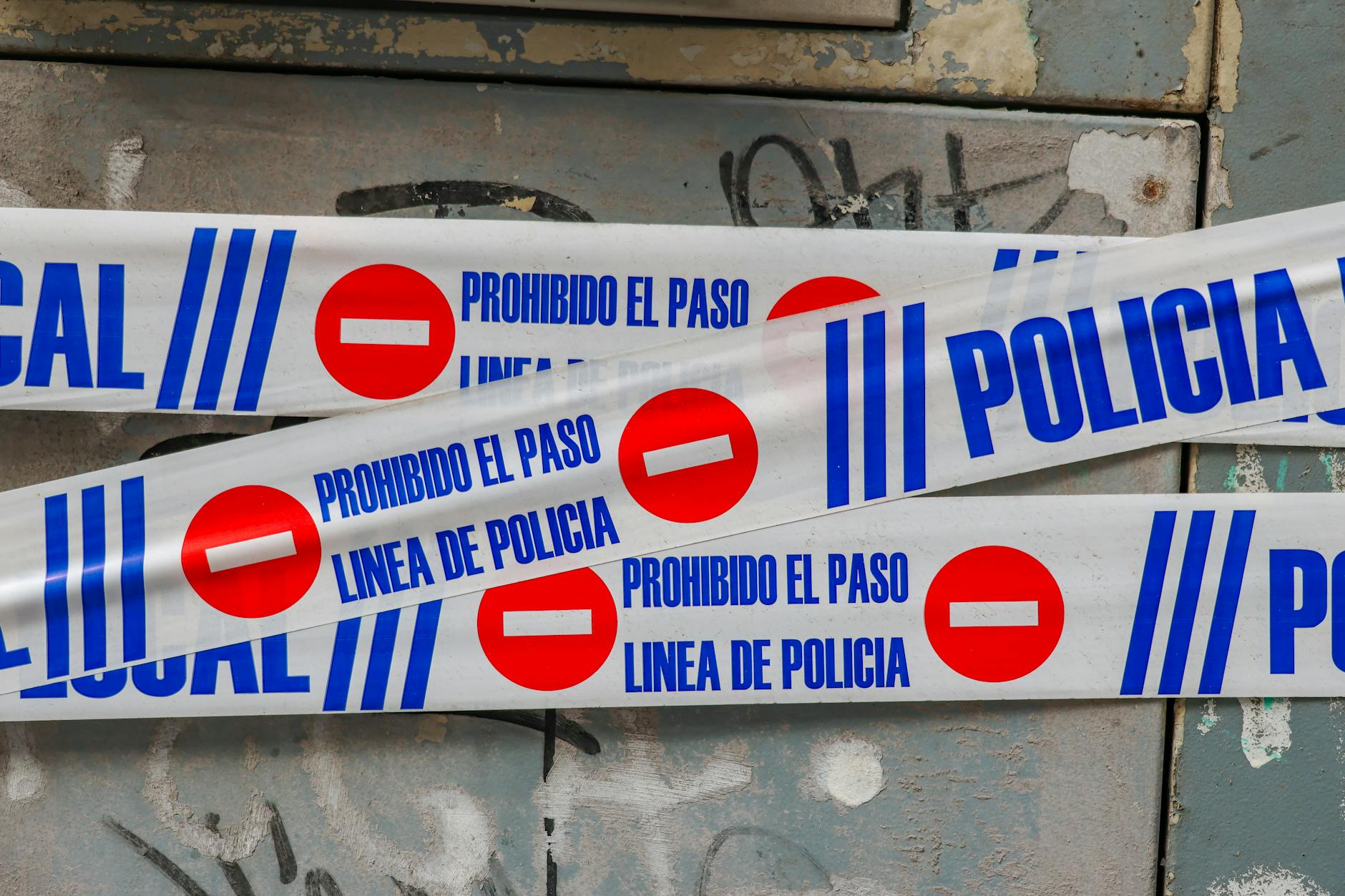
Trespassing on private property is generally considered a misdemeanor, but the consequences can escalate depending on the circumstances. In many jurisdictions, a first-time offender may face fines or community service. However, repeated offenses or trespassing with the intent to commit a crime can lead to felony charges. According to the National Crime Prevention Council, property crimes, including trespassing, account for a significant portion of all reported crimes annually.
Law enforcement officers typically issue a warning or citation for first-time offenders. However, if the individual refuses to leave or becomes confrontational, they may be arrested. The property owner or their representative can also make a citizen's arrest in some states, although this is often discouraged due to potential legal complexities. A legal expert from a prominent law firm advises that property owners should always contact law enforcement to handle trespassers.
Certain situations can exacerbate the severity of trespassing charges. For instance, trespassing on agricultural land during harvest season or entering a construction site without authorization can result in more serious penalties. Additionally, trespassing on property marked with "No Trespassing" signs or fenced areas often leads to stricter enforcement. Property owners are encouraged to clearly mark their boundaries to deter potential trespassers and protect themselves legally.
It's crucial for individuals to respect private property boundaries to avoid legal repercussions. Understanding local laws and regulations can help prevent unintentional trespassing. Property owners, on the other hand, should be aware of their rights and the appropriate steps to take when dealing with trespassers. By adhering to these guidelines, both parties can avoid unnecessary legal complications.
Consequences of Unauthorized Entry
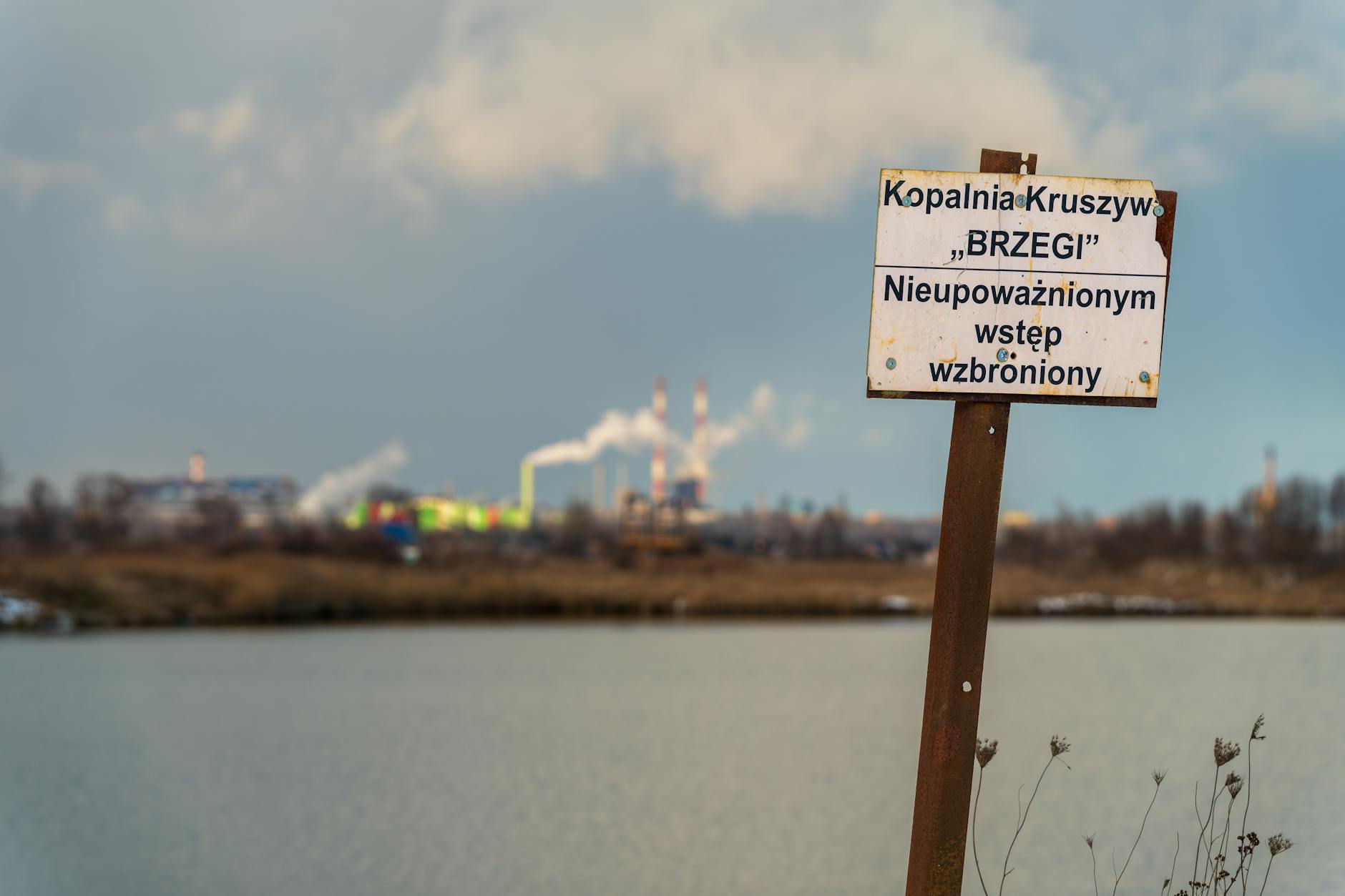
Unauthorized entry onto private property can lead to serious legal consequences. Depending on the circumstances, individuals may face criminal charges, fines, or even imprisonment. Property owners have the right to protect their land, and law enforcement typically takes trespassing seriously. According to legal experts, penalties can vary significantly based on jurisdiction and the severity of the offense.
One of the immediate consequences of trespassing is the potential for arrest. Police officers have the authority to detain individuals found on private property without permission. In some cases, property owners may also take civil action, seeking damages for any harm caused. A study by the National Crime Victimization Survey found that trespassing incidents account for a notable portion of property crimes annually.
Repeat offenders often face harsher penalties. Courts may impose probation, community service, or even jail time for individuals with prior convictions. Additionally, trespassing can result in a permanent mark on one's criminal record, affecting future employment and housing opportunities. Understanding these risks underscores the importance of respecting private property boundaries.
Beyond legal repercussions, trespassing can strain community relations. Neighbors and property owners may feel unsafe or disrespected, leading to heightened tensions. In some instances, trespassers may also face civil lawsuits for damages, adding financial burdens to the legal troubles. Awareness of these consequences can deter potential offenders and promote a more respectful society.
Protecting Yourself from Accusations

Understanding the laws around trespassing is crucial for protecting oneself from potential accusations. Trespassing laws vary by jurisdiction, but generally, they prohibit entering or remaining on someone else's property without permission. Ignorance of these laws is not a valid defense, so familiarity with local regulations can prevent unintended legal consequences.
A study by the National Crime Prevention Council found that nearly 20% of trespassing cases involve individuals who were unaware they were violating property boundaries. To avoid such situations, always look for clear signs indicating private property, such as "No Trespassing" notices or fences. Respecting these boundaries not only prevents legal trouble but also fosters good relationships with property owners.
In cases where permission is granted, it's wise to document the agreement. Verbal consent can be difficult to prove in court, so a written record or text message can serve as valuable evidence. Additionally, being mindful of the terms of the permission—such as restricted areas or time limits—can further safeguard against accusations.
If accused of trespassing, remain calm and polite. Providing evidence of permission or intent to leave promptly can help resolve the situation amicably. Consulting with a legal professional can also provide guidance tailored to specific circumstances. Understanding and respecting property rights is the best way to avoid the complexities of trespassing laws.
Future of Trespassing Laws
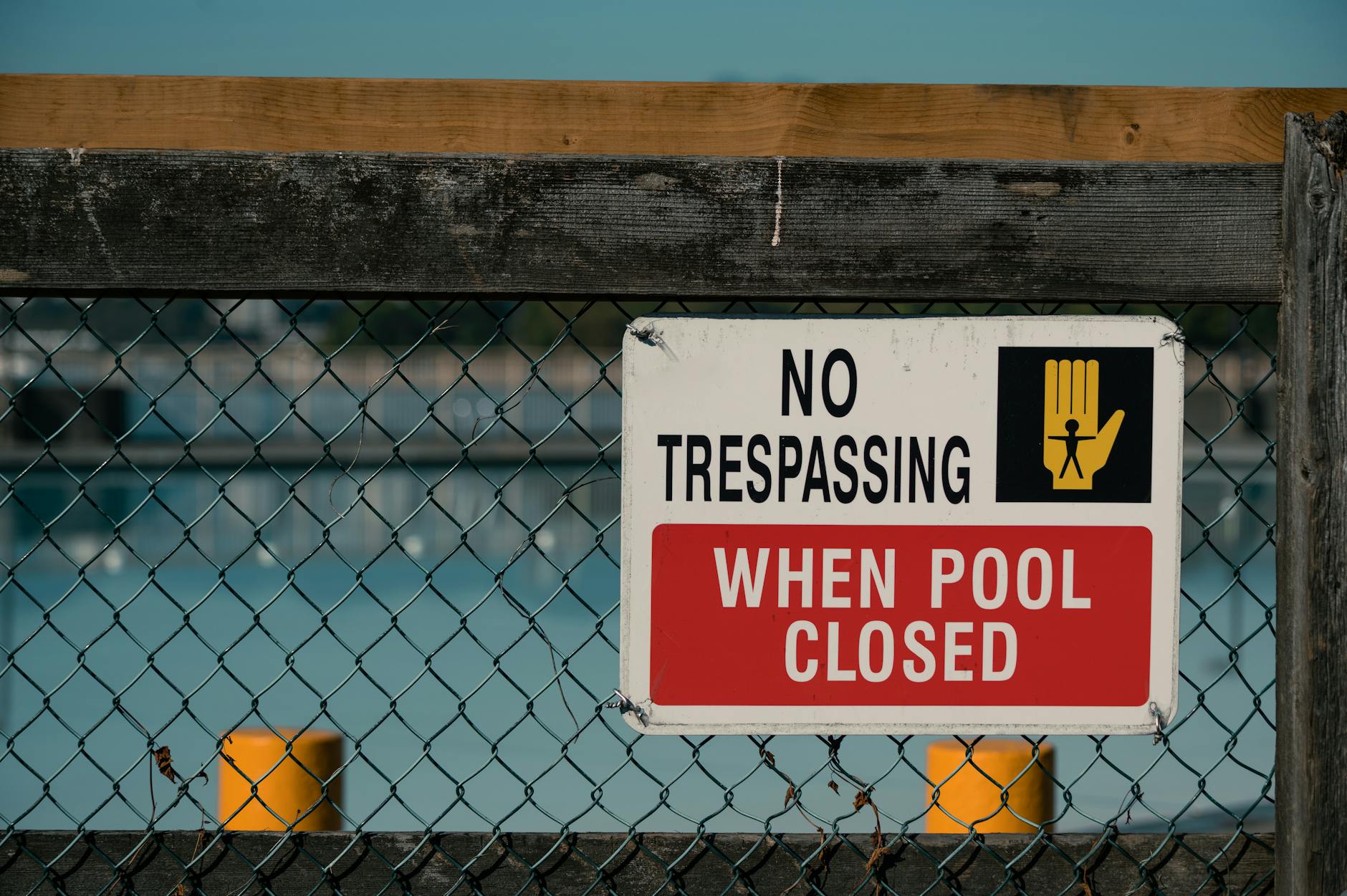
Trespassing laws are evolving, reflecting society's changing attitudes toward privacy and property rights. With advancements in technology, such as drones and GPS tracking, property owners have more tools to monitor and protect their land. This technological shift may lead to stricter enforcement of trespassing laws, as property owners can more easily detect and report intrusions. Additionally, the rise of "no trespassing" signs and apps that map private property boundaries could make it harder for individuals to unintentionally enter private land.
Legal experts predict that trespassing laws will become more nuanced. Courts may start to differentiate between willful trespassing and accidental encroachment, especially in cases involving public lands or shared spaces. According to a recent study, about 60% of trespassing cases involve individuals who were unaware they were on private property. This trend could push legislators to clarify boundaries and improve public awareness campaigns.
Environmental concerns are also shaping the future of trespassing laws. As conservation efforts gain traction, some areas may become off-limits to the public to protect fragile ecosystems. Property owners and environmental groups are likely to advocate for stronger penalties for trespassing in these protected zones. The balance between public access and environmental preservation will be a key focus in upcoming legal debates.
Another emerging issue is the intersection of trespassing laws and social justice movements. Protests and demonstrations sometimes involve trespassing on private property, raising questions about the limits of free speech and property rights. Courts will need to navigate these complex issues, potentially leading to new legal precedents. As society continues to grapple with these challenges, trespassing laws will likely adapt to reflect the changing cultural landscape.
Understanding the laws around trespassing is crucial for protecting your rights and avoiding legal trouble. Remember, trespassing can lead to serious consequences, including arrest and fines, so it's essential to respect private property boundaries. To stay safe, always look for clear signs indicating private property, and when in doubt, ask for permission before entering. As communities continue to grapple with property rights and public access, staying informed about local laws and regulations will help you navigate these situations confidently.
Need this answered for your specific case?
Get a flat-fee consultation with a verified U.S. immigration attorney. Engagement letter on every paid consult.
Related guides
This guide provides general legal information and does not create an attorney–client relationship. Information accurate as of July 2026. Always verify current USCIS guidance before acting.