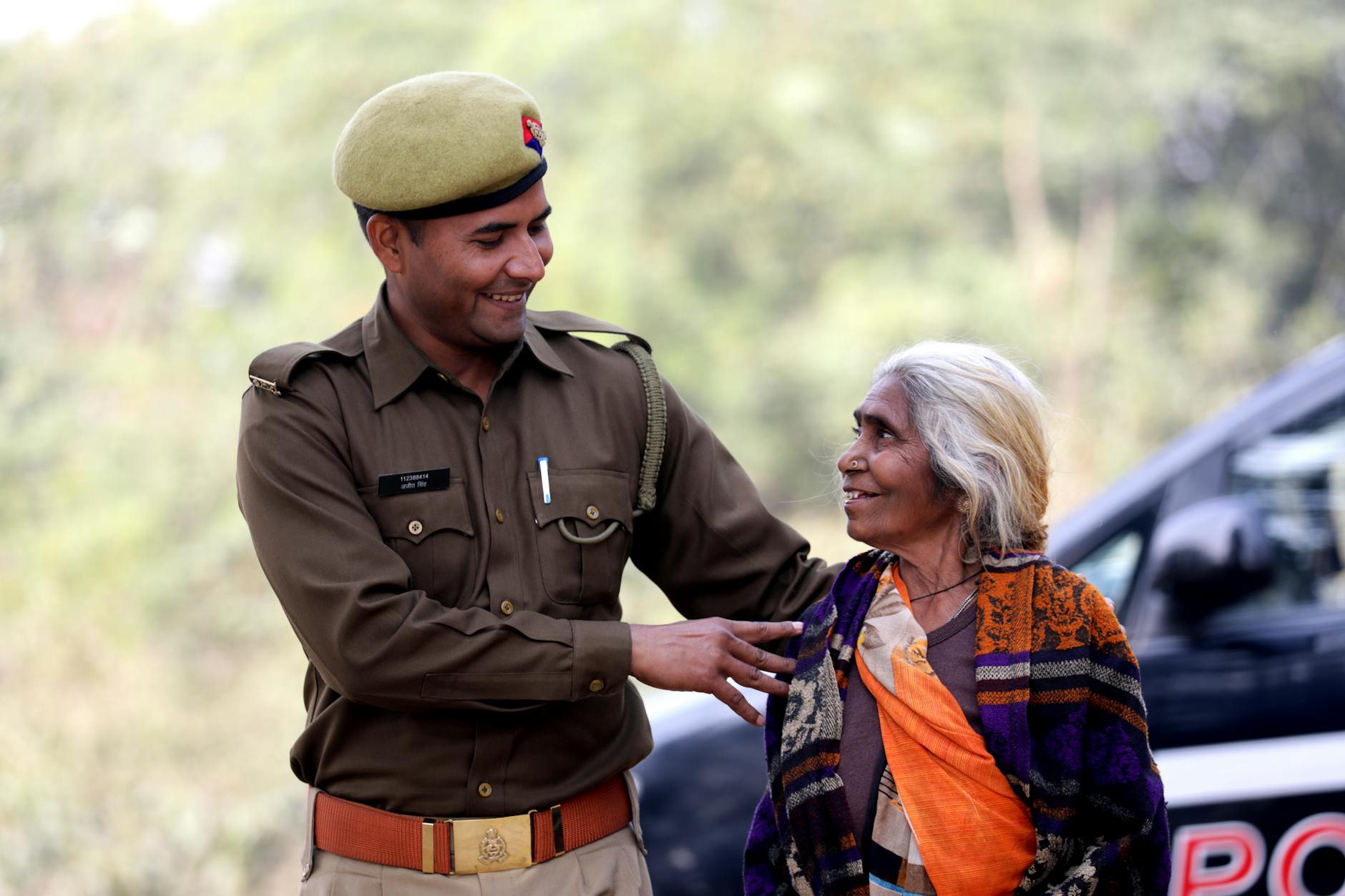
Every day, countless interactions occur between citizens and police officers across the country. These encounters, while often routine, can sometimes escalate if either party is unaware of their responsibilities. Understanding what are citizen responsibilities with police is not just about following the law; it's about ensuring safety and mutual respect.
Knowing what are citizen responsibilities with police empowers individuals to navigate these interactions confidently. Citizens must remain calm and respectful, provide accurate information when asked, and comply with lawful orders. Additionally, they should document the interaction if possible and know their rights. These responsibilities not only facilitate smoother interactions but also help protect both citizens and officers. Being informed is the first step in fostering positive and safe encounters with law enforcement.
Understanding Your Rights and Obligations

Citizens have specific responsibilities when interacting with police officers. The most fundamental is compliance with lawful orders. If an officer instructs a person to stop or provide identification, they must do so unless they have a valid legal reason not to. This cooperation helps maintain public safety and order. However, citizens should also know their rights. They have the right to remain silent and the right to an attorney, even during routine stops.
A study by the National Institute of Justice found that clear communication between citizens and police reduces conflict. Citizens should remain calm and polite, even if they feel the interaction is unfair. This doesn't mean they must agree with the officer's actions, but it does mean they should avoid escalating the situation. Police officers are trained to de-escalate conflicts, but citizens play a crucial role in this process.
Another key responsibility is providing accurate information. If a citizen is a witness to a crime or involved in an incident, they must provide truthful details to the best of their ability. Lying to a police officer can lead to serious legal consequences. However, citizens should also know that they are not obligated to provide information that could incriminate themselves. This is where the right to remain silent becomes crucial.
Lastly, citizens should understand the importance of reporting misconduct. If a person believes a police officer has acted improperly, they have the responsibility to report it to the appropriate authorities. This helps ensure accountability and maintains public trust in law enforcement. According to the Police Executive Research Forum, reporting misconduct is a critical part of community policing efforts. It allows police departments to address issues internally and improve their practices.
Identifying Key Responsibilities During Encounters

During encounters with police, citizens have specific responsibilities that help ensure safety and clarity. The first is to remain calm and composed. Police officers often deal with high-stress situations, and a citizen's demeanor can significantly influence the outcome. According to a study by the National Institute of Justice, maintaining a calm and respectful attitude can de-escalate tense situations.
Citizens must also comply with lawful orders. This includes providing identification when requested and following instructions given by the officer. However, it's crucial to understand that compliance does not mean surrendering rights. Citizens have the right to remain silent and to an attorney, especially if they feel their rights are being violated.
Another key responsibility is to be truthful. Lying to a police officer can lead to serious legal consequences. Honesty helps build trust and can expedite the resolution of the encounter. Additionally, citizens should be aware of their surroundings and any potential hazards. This awareness can prevent accidents and ensure the safety of everyone involved.
Lastly, citizens should document the encounter if possible. Recording interactions with police can provide valuable evidence and protect both parties. However, it's important to do so discreetly and without interfering with the officer's duties. By fulfilling these responsibilities, citizens contribute to a safer and more respectful interaction with law enforcement.
Communicating Effectively with Law Enforcement

When interacting with law enforcement, clear and respectful communication is paramount. Citizens should provide accurate information promptly when asked. According to the International Association of Chiefs of Police, effective communication can significantly reduce misunderstandings and escalations during police encounters. Maintain a calm demeanor, speak clearly, and avoid interrupting the officer. These actions demonstrate respect and cooperation, fostering a positive interaction.
Knowing basic legal rights helps citizens communicate effectively. While rights vary by jurisdiction, understanding fundamental principles like the right to remain silent can guide interactions. However, silence should not be confused with hostility. A simple statement like, "I prefer not to answer questions without a lawyer present," can convey this right respectfully. This approach ensures citizens protect their rights without provoking conflict.
Non-verbal communication also plays a crucial role. Officers often assess body language for signs of aggression or deception. Keeping hands visible, maintaining eye contact, and avoiding sudden movements can signal cooperation. These subtle cues can significantly influence an officer's perception and response. Effective communication extends beyond words to encompass the entire interaction.
In situations involving witnesses or bystanders, citizens should share information objectively. Providing a clear, factual account can aid investigations. However, avoid speculating or inserting personal opinions. Stick to what was observed directly. This approach ensures accurate information reaches law enforcement, supporting fair and just outcomes.
Handling Different Types of Police Interactions

Understanding how to handle various police interactions is crucial for every citizen. Routine traffic stops, for instance, require cooperation but not necessarily silence. Drivers should provide license, registration, and proof of insurance when requested. However, they have the right to remain silent about other questions, though this may prolong the stop. According to the American Civil Liberties Union, knowing these rights can prevent unnecessary escalation.
Encounters with police in public spaces demand a different approach. Citizens should remain calm and polite, even if they feel their rights are being violated. It's essential to avoid physical resistance or aggressive language, as this can lead to arrest. Instead, individuals should ask if they are free to leave. If not, they should comply with the officer's instructions while mentally noting details for later review.
In situations involving police at one's home, citizens have additional rights. Police generally need a warrant to enter a private residence, unless there are exigent circumstances. Homeowners should ask to see the warrant and verify its validity. If police enter without one, individuals should not physically resist but can verbally object and document the incident.
When interacting with police during protests or demonstrations, citizens should be aware of their rights to free speech and assembly. However, they must also comply with lawful orders to disperse or follow instructions to maintain public safety. Understanding the balance between rights and responsibilities in these dynamic situations is key to a positive outcome.
Building Positive Community-Police Relationships
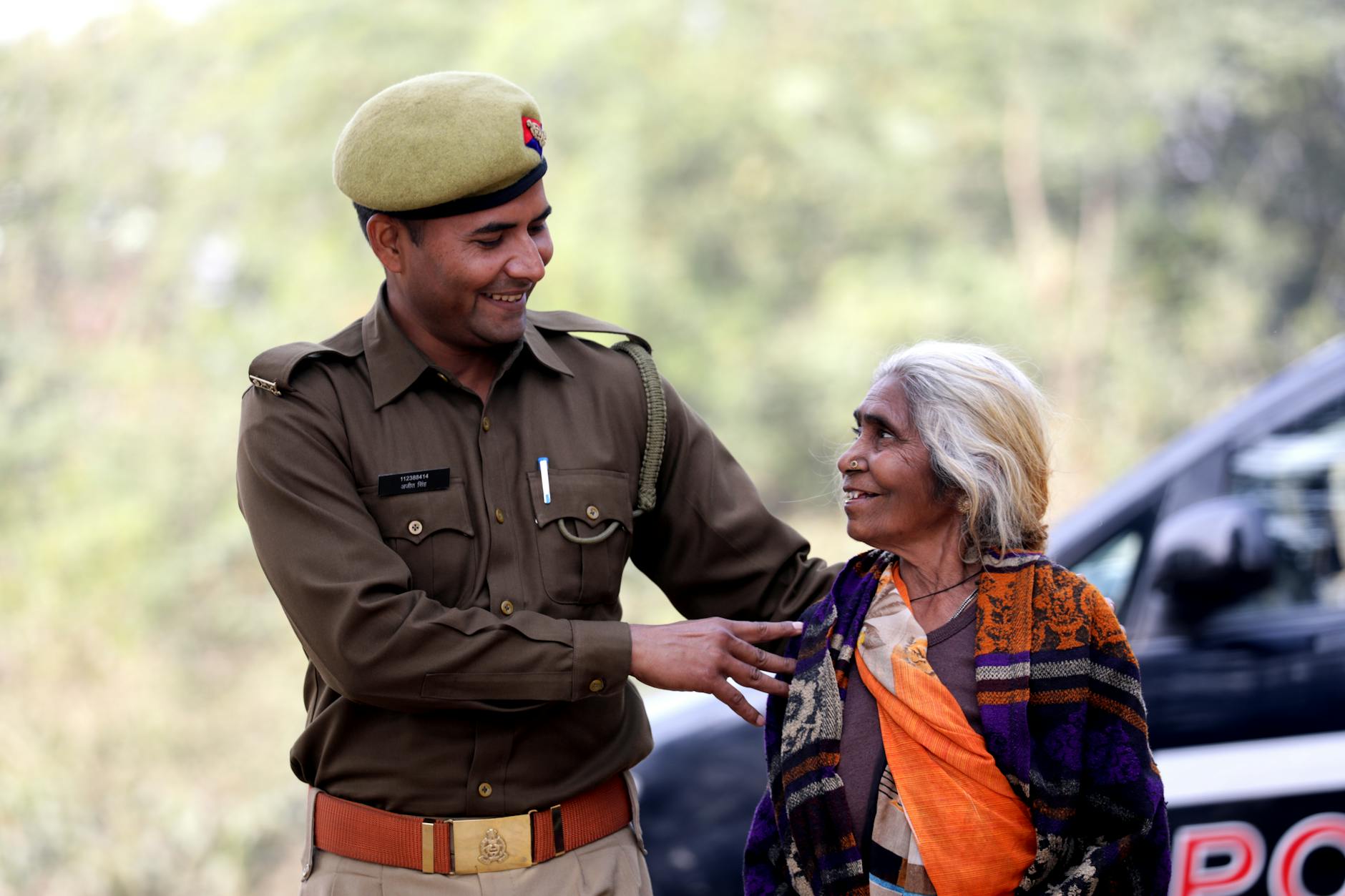
Citizens play a crucial role in fostering positive community-police relationships. One key responsibility is maintaining open lines of communication. Engaging in respectful dialogue helps build trust and understanding between citizens and law enforcement officers. According to the National Institute of Justice, communities with strong police-citizen relationships experience lower crime rates and higher public safety.
Another responsibility is active participation in community policing initiatives. Attending local meetings, joining neighborhood watch programs, and volunteering for community events can strengthen the bond between citizens and police. These activities provide opportunities for mutual learning and collaboration, ultimately enhancing public safety.
Citizens must also report crimes and suspicious activities promptly. Timely reporting enables police to respond effectively and prevent potential threats. Providing accurate information and cooperating with investigations are essential for maintaining law and order. Additionally, citizens should stay informed about local laws and regulations to better understand their rights and responsibilities.
Lastly, citizens should advocate for fair and transparent policing practices. Supporting policies that promote accountability and professionalism within law enforcement agencies contributes to a more just society. By working together, citizens and police can create safer, more cohesive communities.
Understanding your rights and responsibilities when interacting with police is crucial for your safety and the smooth functioning of society. Remember, you must identify yourself when asked, remain respectful, and comply with lawful orders, while also knowing when to assert your rights. To build on this knowledge, consider taking a local community workshop or online course focused on civic responsibilities and law enforcement interactions. As you navigate daily life, keep these key responsibilities in mind to foster positive and safe encounters with police.
Need this answered for your specific case?
Get a flat-fee consultation with a verified U.S. immigration attorney. Engagement letter on every paid consult.
Related guides
This guide provides general legal information and does not create an attorney–client relationship. Information accurate as of July 2026. Always verify current USCIS guidance before acting.