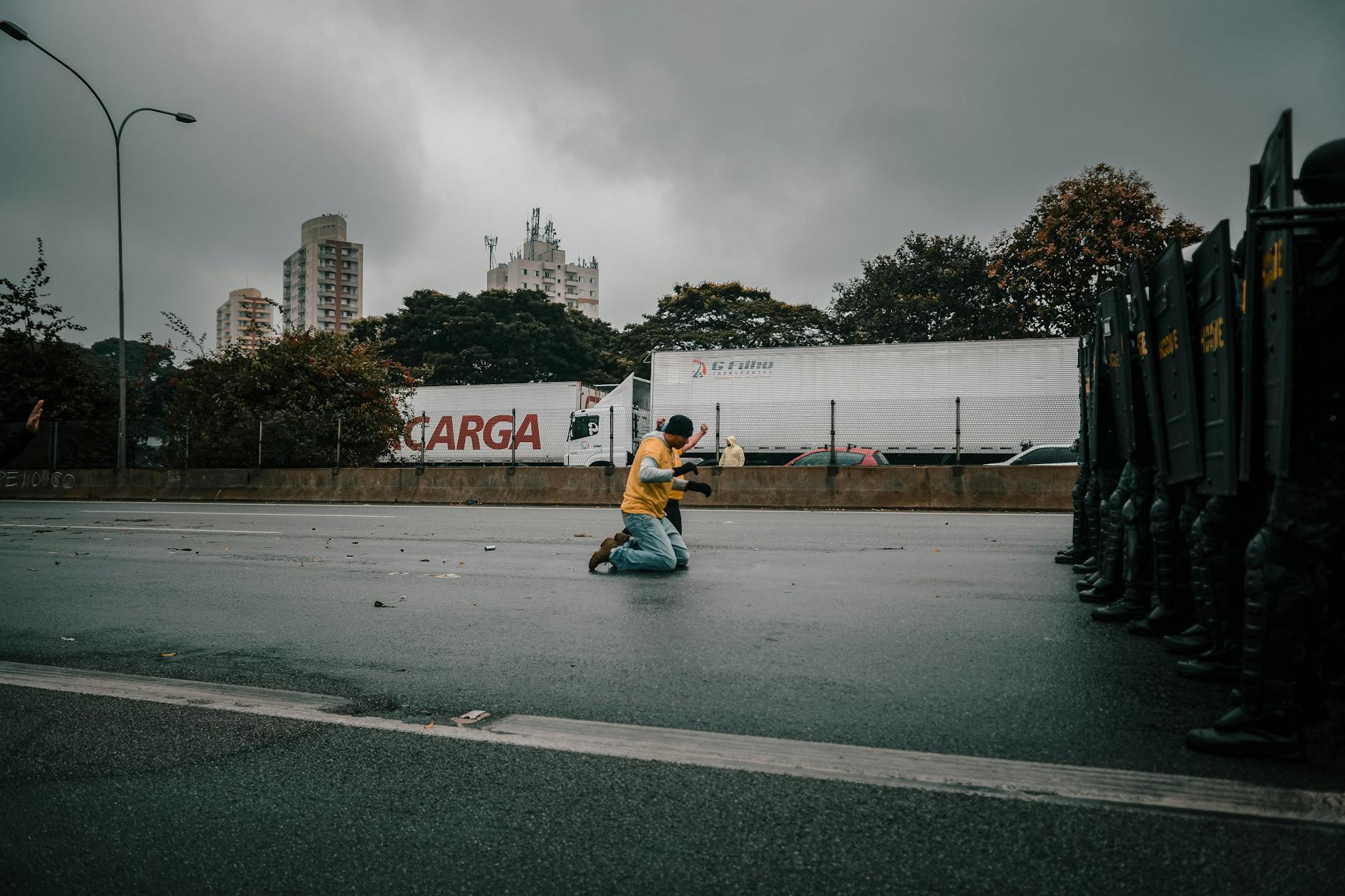
Every year, thousands of people find themselves in situations where law enforcement implements crowd control measures. Whether it's a protest, a sporting event, or an emergency situation, understanding what are rights during crowd control can make a significant difference in how individuals navigate these scenarios. Knowing these rights not only protects personal freedoms but also ensures that law enforcement acts within the bounds of the law.
What are rights during crowd control? These are the legal protections and freedoms that individuals retain even when authorities manage large gatherings. For instance, the right to peaceful assembly, freedom of speech, and protection from unreasonable searches and seizures are fundamental. Understanding what are rights during crowd control empowers individuals to assert their legal entitlements, ensuring that their interactions with law enforcement remain lawful and respectful. This knowledge is crucial for anyone who might find themselves in a crowd control situation, providing a framework for safe and informed participation.
Understanding crowd control laws

Crowd control laws exist to balance public safety with individual rights. During protests or large gatherings, authorities may impose restrictions, but participants retain fundamental rights. The right to peaceful assembly is protected under international law, including the Universal Declaration of Human Rights. However, this right is not absolute and may be limited to prevent violence or disorder.
Understanding the specifics of crowd control laws can be complex. Police often have broad discretion in managing crowds, but their actions must be proportional and necessary. A study by the International Center for Not-for-Profit Law found that many countries lack clear guidelines on crowd control, leading to inconsistent enforcement. This ambiguity can make it difficult for individuals to know their rights in real-time situations.
One critical right is the freedom from excessive force. Law enforcement must use the minimum force necessary to maintain order. This principle is echoed in guidelines from the United Nations, which emphasize the need for proportionality. Individuals subjected to excessive force during crowd control have legal recourse, including filing complaints or pursuing civil action.
Another key right is access to legal representation. If arrested during a crowd control situation, individuals have the right to a lawyer. This right is fundamental in ensuring due process. According to legal experts, knowing this right can significantly impact the outcome of legal proceedings. It's essential to remember these rights and seek legal advice if needed.
Core rights during public gatherings
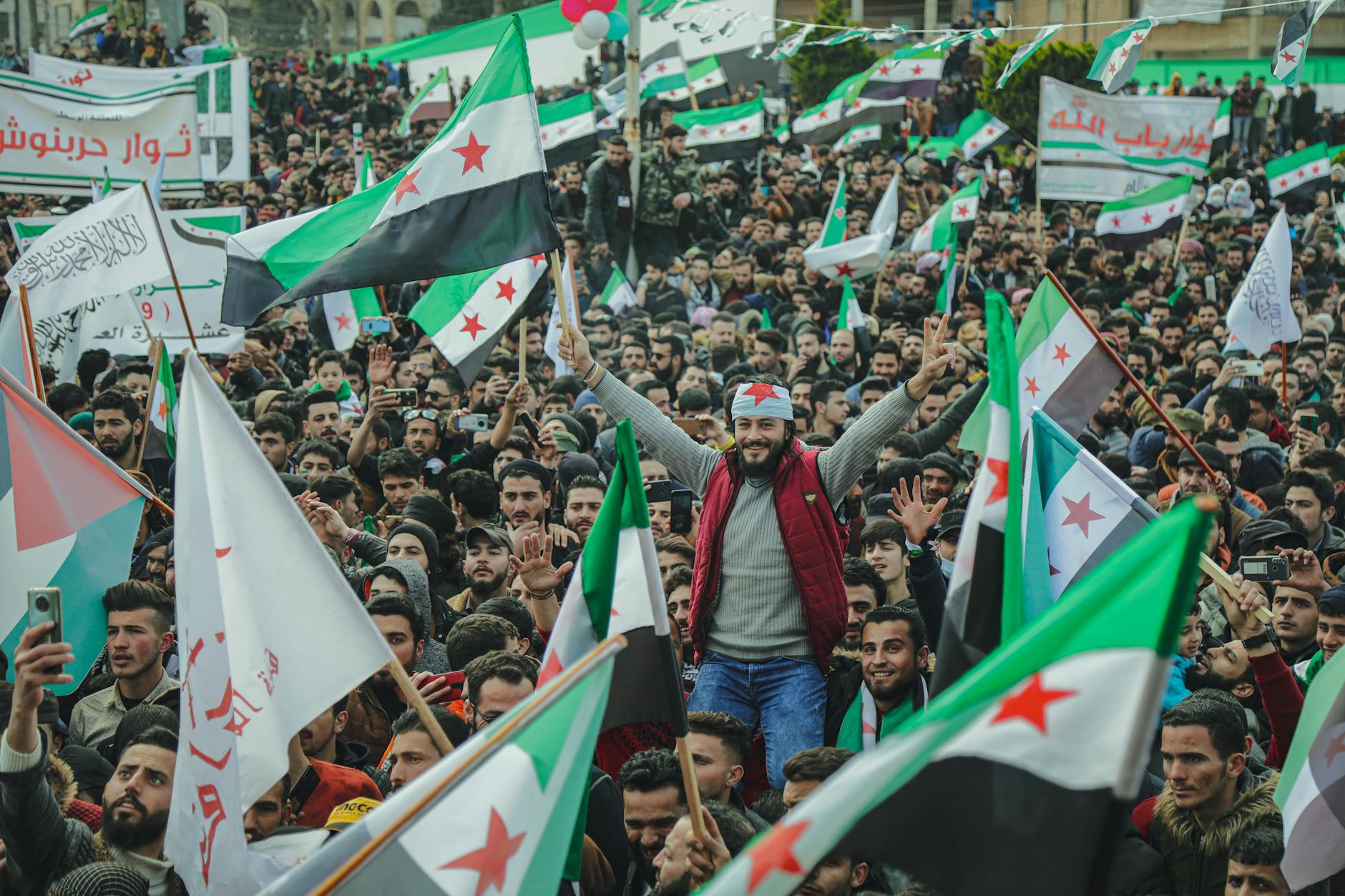
During public gatherings, individuals retain fundamental rights that law enforcement must respect. The right to peaceful assembly is protected by international human rights law, allowing people to gather and express their views collectively. However, this right is not absolute. Authorities can impose reasonable restrictions to maintain public order and safety.
Freedom of expression remains a core right during protests. Participants can voice their opinions, but this does not extend to hate speech or incitement to violence. A study by the International Center for Not-for-Profit Law found that 68% of countries have laws restricting speech that promotes hatred or discrimination. Understanding these boundaries helps protesters advocate effectively without crossing legal lines.
Personal safety is another critical right. Law enforcement must use proportionate force when managing crowds. Excessive force, such as unnecessary use of tear gas or batons, violates human rights standards. The United Nations has emphasized that officers should prioritize de-escalation techniques to minimize harm. Knowing these rights empowers individuals to hold authorities accountable for misconduct.
Access to legal representation is essential if arrested during a protest. Individuals have the right to a fair trial and legal counsel. Many organizations offer free legal aid to protesters, ensuring their rights are protected throughout the legal process. Being informed about these rights helps individuals navigate crowd control situations with confidence.
How to assert your rights safely
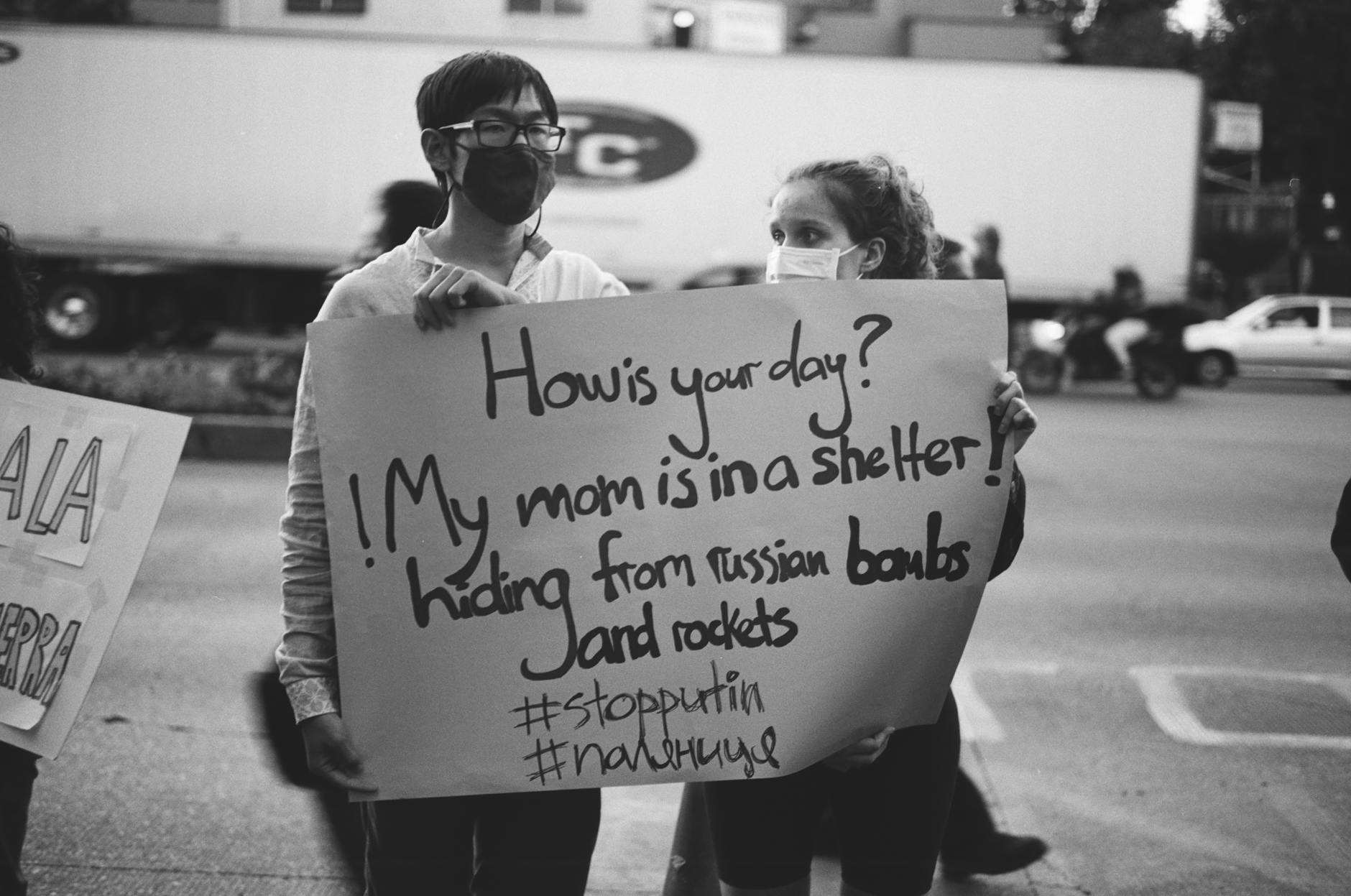
Asserting rights during crowd control situations requires a balance of confidence and caution. First, individuals should familiarize themselves with local laws and regulations. Knowing the legal framework empowers people to recognize when their rights are being infringed upon. For instance, understanding the boundaries of lawful assembly can help individuals navigate protests or demonstrations safely.
When asserting rights, documentation is key. Recording interactions with law enforcement can serve as crucial evidence. According to a study by the American Civil Liberties Union, individuals who document their experiences are more likely to have their rights upheld in legal proceedings. However, it's essential to do so discreetly to avoid escalating tensions.
Communication is another vital aspect. Using clear, calm language can help de-escalate situations. Experts recommend avoiding confrontational language and instead focusing on stating facts. For example, saying "I am exercising my right to peaceful assembly" is more effective than accusing law enforcement of wrongdoing.
Finally, seeking legal support is advisable. Organizations like the National Lawyers Guild provide resources and legal assistance to individuals involved in crowd control situations. Knowing where to turn for help can make a significant difference in asserting rights safely and effectively.
Police conduct and legal boundaries
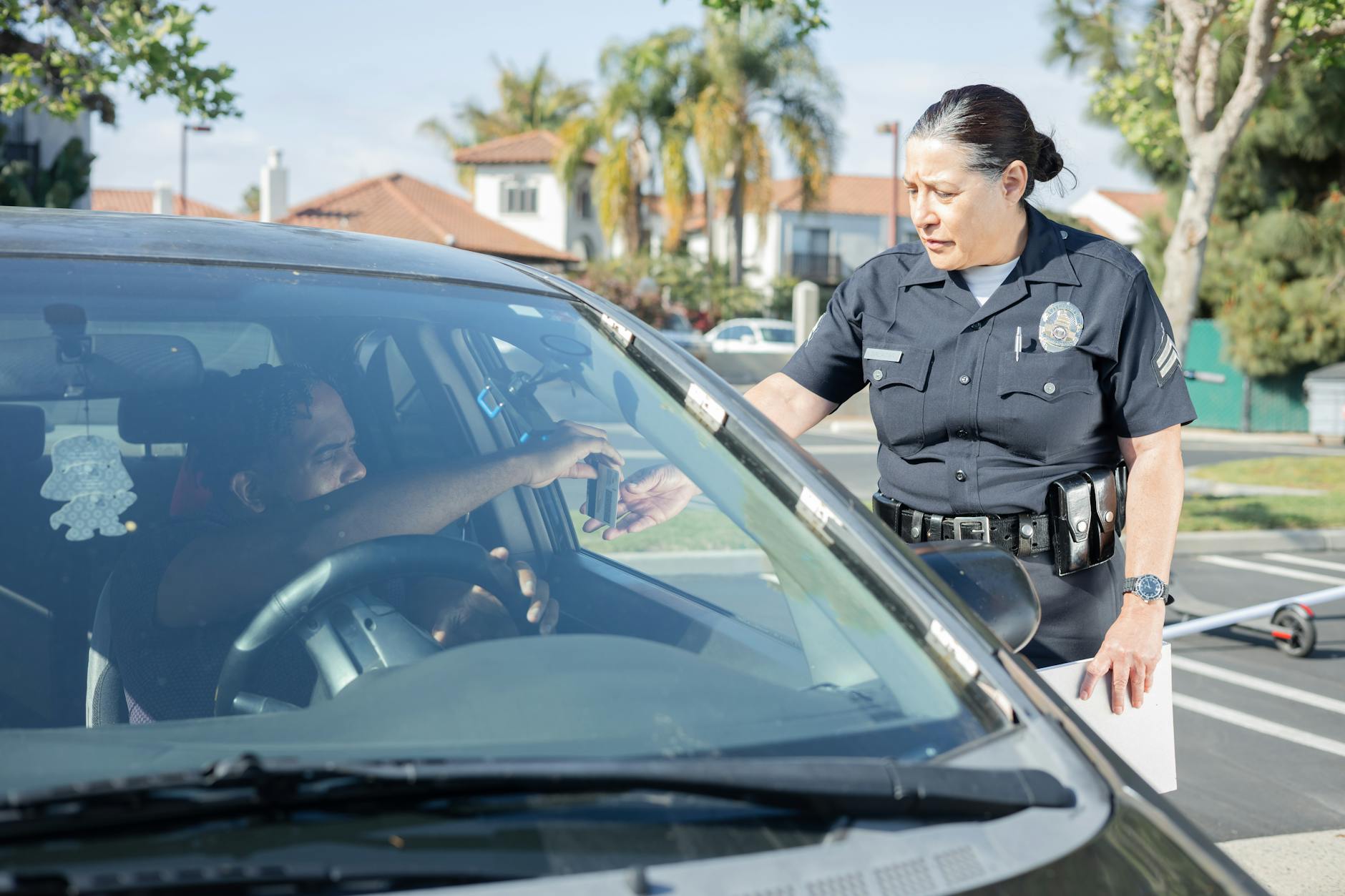
During crowd control situations, police officers must balance maintaining public order with respecting individual rights. The Fourth Amendment protects citizens from unreasonable searches and seizures, even in crowds. Officers typically need reasonable suspicion to detain someone briefly or conduct a search. However, this standard can shift during crowd control, where public safety concerns may justify broader measures.
Use of force by police must always comply with legal boundaries. The Supreme Court has established that force must be objectively reasonable under the circumstances. A 2018 study found that 95% of crowd control incidents involved some level of force, but only 15% were deemed excessive by independent reviewers. Officers should use the minimal force necessary to control the situation and de-escalate tensions when possible.
Documentation plays a crucial role in protecting both citizens and officers. Police should clearly document their actions during crowd control, including the reasons for any force used. Citizens also have the right to record police activity in public spaces. The American Civil Liberties Union emphasizes that this right helps ensure accountability and transparency in crowd control situations.
Legal boundaries also apply to police use of crowd control devices like tear gas or rubber bullets. These tools should only be deployed when necessary to prevent imminent harm. Courts have consistently ruled that indiscriminate use of such devices violates constitutional rights. Officers must consider the potential consequences and use these devices judiciously to avoid unnecessary harm or escalation.
Advocating for stronger protester protections

Protesters face increasing risks during crowd control situations, with reports of excessive force and arbitrary arrests. The American Civil Liberties Union (ACLU) highlights that peaceful assembly is a fundamental right, yet many protesters find themselves vulnerable to police misconduct. Advocacy groups continue to push for stronger protections, emphasizing the need for clear guidelines on police conduct during protests.
One critical area of concern is the use of less-lethal weapons, such as tear gas and rubber bullets. Studies show that these tools can cause severe injuries, including permanent vision loss and internal damage. Advocates argue for stricter regulations on their deployment, ensuring they are used only as a last resort and with proper training.
Legal experts stress the importance of transparency and accountability in crowd control operations. Body cameras and independent oversight can help deter misconduct and provide evidence in cases of abuse. These measures not only protect protesters but also build trust between communities and law enforcement.
Ultimately, stronger protections for protesters require a combination of legal reforms, policy changes, and community engagement. By advocating for these measures, individuals can help safeguard their rights and ensure that peaceful protests remain a cornerstone of democracy.
Understanding your fundamental rights during crowd control is essential for your safety and protection. You have the right to peaceful assembly, freedom from excessive force, access to legal counsel, protection from arbitrary arrest, and the right to know the identity of officers involved in your arrest. To ensure you're prepared, familiarize yourself with local laws and regulations, and always remain calm and respectful during interactions with law enforcement. As societies continue to evolve, so too will the dynamics of crowd control, making it crucial to stay informed and engaged in the ongoing conversation about public safety and civil liberties.
Need this answered for your specific case?
Get a flat-fee consultation with a verified U.S. immigration attorney. Engagement letter on every paid consult.
Related guides
This guide provides general legal information and does not create an attorney–client relationship. Information accurate as of July 2026. Always verify current USCIS guidance before acting.