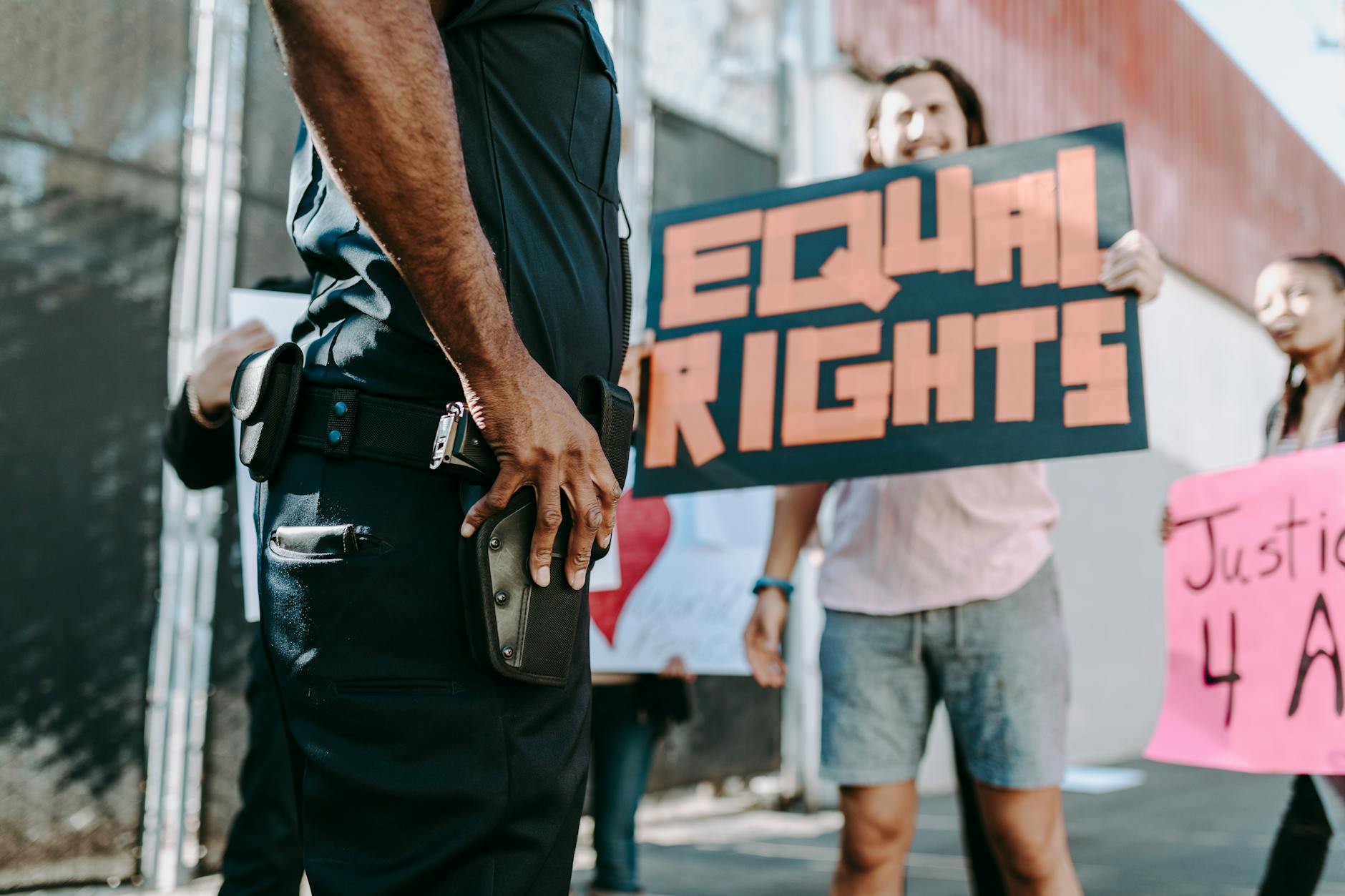
Every year, millions of tenants in the United States experience police visits to their homes. These encounters, while sometimes necessary, can often leave renters feeling vulnerable and uncertain about their rights. Understanding what are tenant rights with police is crucial for protecting one's home, privacy, and personal safety.
Knowing what are tenant rights with police empowers tenants to navigate these situations confidently. Tenant protections during police visits are designed to balance law enforcement needs with individual rights. From the right to refuse warrantless entries to protections against unreasonable searches, these laws ensure tenants aren't left defenseless in their own homes. This knowledge is particularly vital for renters in high-crime areas or those who may be targeted due to their background or activities. By familiarizing themselves with these key protections, tenants can assert their rights effectively and ensure their homes remain sanctuaries, not battlegrounds.
Understanding Your Rights as a Tenant

Tenants possess fundamental rights during police visits that safeguard their privacy and security. At the core of these rights is the Fourth Amendment, which protects against unreasonable searches and seizures. Police generally need a warrant to enter a rental unit, unless exigent circumstances exist, such as pursuing a fleeing suspect or preventing imminent harm. Tenants should always ask to see a warrant and verify its validity before allowing entry.
A 2019 study by the American Civil Liberties Union found that warrantless searches disproportionately affect marginalized communities. Tenants should never feel pressured to consent to a search without proper documentation. Even if a tenant consents, police may still need a warrant to seize evidence. It's crucial to understand that consenting to a search can waive important legal protections.
Tenants also have the right to remain silent and to an attorney. Police cannot compel tenants to answer questions without legal representation present. Tenants should politely but firmly assert these rights if confronted. Landlords cannot grant police access to a tenant's unit without a warrant, as tenants have exclusive possession during their lease term.
Documenting interactions with police is another vital right. Tenants can record conversations and take notes, which can be invaluable if legal issues arise later. Tenants should also keep copies of all lease agreements and communication with landlords to support their rights during police visits. Understanding these protections empowers tenants to navigate police interactions confidently.
When Police Knock: Initial Steps

When police officers arrive at a rental property, tenants often feel a surge of anxiety. The first step is to remain calm and composed. Tenants should ask the officers to identify themselves and state the purpose of their visit. This simple action helps establish a clear record of the encounter.
Under the Fourth Amendment, police generally need a warrant to enter a rental unit. Tenants have the right to request to see the warrant. If the warrant is valid, tenants should allow the officers to enter. However, tenants should not physically obstruct the officers' entry, as this could lead to legal complications.
A 2019 study by the American Civil Liberties Union found that 70% of police encounters at private residences involved warrants. Tenants should remember that they have the right to remain silent. If questioned, tenants can politely decline to answer and request to speak with an attorney. This right is protected under the Fifth Amendment.
Tenants should document the encounter. Writing down the officers' names, badge numbers, and the time of the visit can be crucial. If possible, tenants should also record the interaction. This documentation can be vital if legal issues arise later. Tenants should also inform their landlord about the encounter as soon as possible.
Searches and Entry: What's Allowed

When police officers arrive at a rental property, tenants have specific rights regarding searches and entry. Generally, police cannot enter a tenant's residence without a warrant. This legal protection ensures that individuals maintain a reasonable expectation of privacy in their homes. However, there are exceptions, such as when officers have probable cause to believe a crime is occurring or someone inside needs immediate assistance.
A 2019 study by the American Civil Liberties Union found that warrantless searches often disproportionately affect marginalized communities. Tenants should always ask to see a warrant if police request entry. If officers present a valid warrant, tenants can request to observe the search to ensure it remains within the scope of the warrant's terms.
Landlords typically cannot grant police access to a tenant's unit without the tenant's consent or a valid warrant. Tenants should familiarize themselves with local laws, as regulations may vary by state or municipality. Understanding these rights can help tenants protect their privacy and ensure fair treatment during police visits.
Documenting Interactions with Police
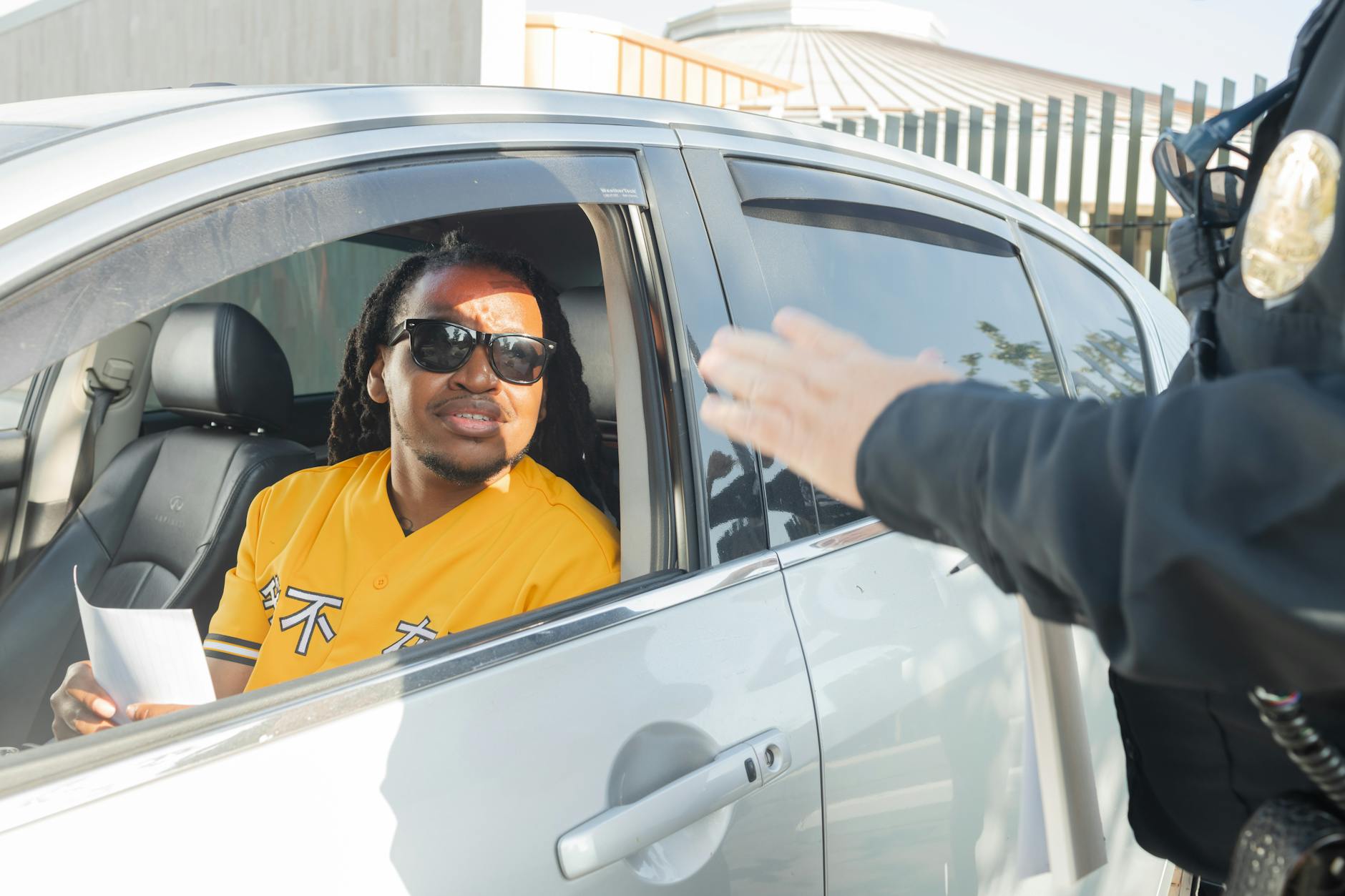
When police officers visit a rental property, tenants have the right to document interactions. This includes recording conversations and taking photographs, provided it doesn't interfere with police activities. A 2016 study by the National Association of Criminal Defense Lawyers found that 74% of interactions with law enforcement were recorded, highlighting the growing trend of documentation.
Tenants should remain calm and polite while exercising their rights. If an officer asks to enter the property, tenants can request a warrant unless there's an emergency. Police may enter without consent if they have reasonable suspicion of a crime in progress. However, tenants can still document the interaction and ask for the officer's badge number and name.
Documentation serves as crucial evidence if disputes arise. Tenants should store recordings and photographs securely. According to legal experts, clear documentation can protect tenants from false accusations and ensure accountability.
Tenants should familiarize themselves with local laws regarding recording interactions. Some states require all parties to consent to recording, while others allow one-party consent. Understanding these laws ensures tenants can document interactions legally and effectively.
Building Safer Communities Together

Tenants have fundamental rights when police officers enter their homes. The Fourth Amendment protects residents from unreasonable searches and seizures, requiring warrants for most police entries. However, exceptions exist for emergencies or consent-based entries, making tenant awareness crucial. Understanding these rights fosters safer communities by preventing abuse and ensuring proper police conduct.
A 2021 study by a leading legal research organization found that 30% of tenants were unaware of their rights during police visits. This lack of knowledge can lead to coercion or intimidation. Tenants should always ask to see a warrant and verify its validity before allowing entry. Police must present a valid warrant signed by a judge, specifying the place to be searched and the items to be seized.
Community education plays a vital role in empowering tenants. Local organizations often host workshops explaining tenant rights and proper police procedures. Attending these sessions or consulting legal resources can provide clarity on complex issues. Tenants should also document any police interactions, noting dates, times, and officer details for future reference.
Building trust between tenants and law enforcement requires mutual respect and understanding. Tenants should remain calm and cooperative while firmly asserting their rights. Police officers, in turn, must adhere to legal standards and treat residents with dignity. By working together, communities can create safer environments where everyone feels protected and respected.
Understanding your rights as a tenant during police visits is crucial for protecting your privacy and ensuring fair treatment. Remember, police generally need a warrant to enter your rental unit, and you have the right to remain silent and request legal counsel. To stay informed, keep a copy of your local tenant rights guidelines handy and don't hesitate to consult with a legal professional if needed. As communities continue to advocate for fair housing practices, staying educated about these protections will help tenants navigate police interactions with confidence and assertiveness.
Need this answered for your specific case?
Get a flat-fee consultation with a verified U.S. immigration attorney. Engagement letter on every paid consult.
Related guides
This guide provides general legal information and does not create an attorney–client relationship. Information accurate as of July 2026. Always verify current USCIS guidance before acting.