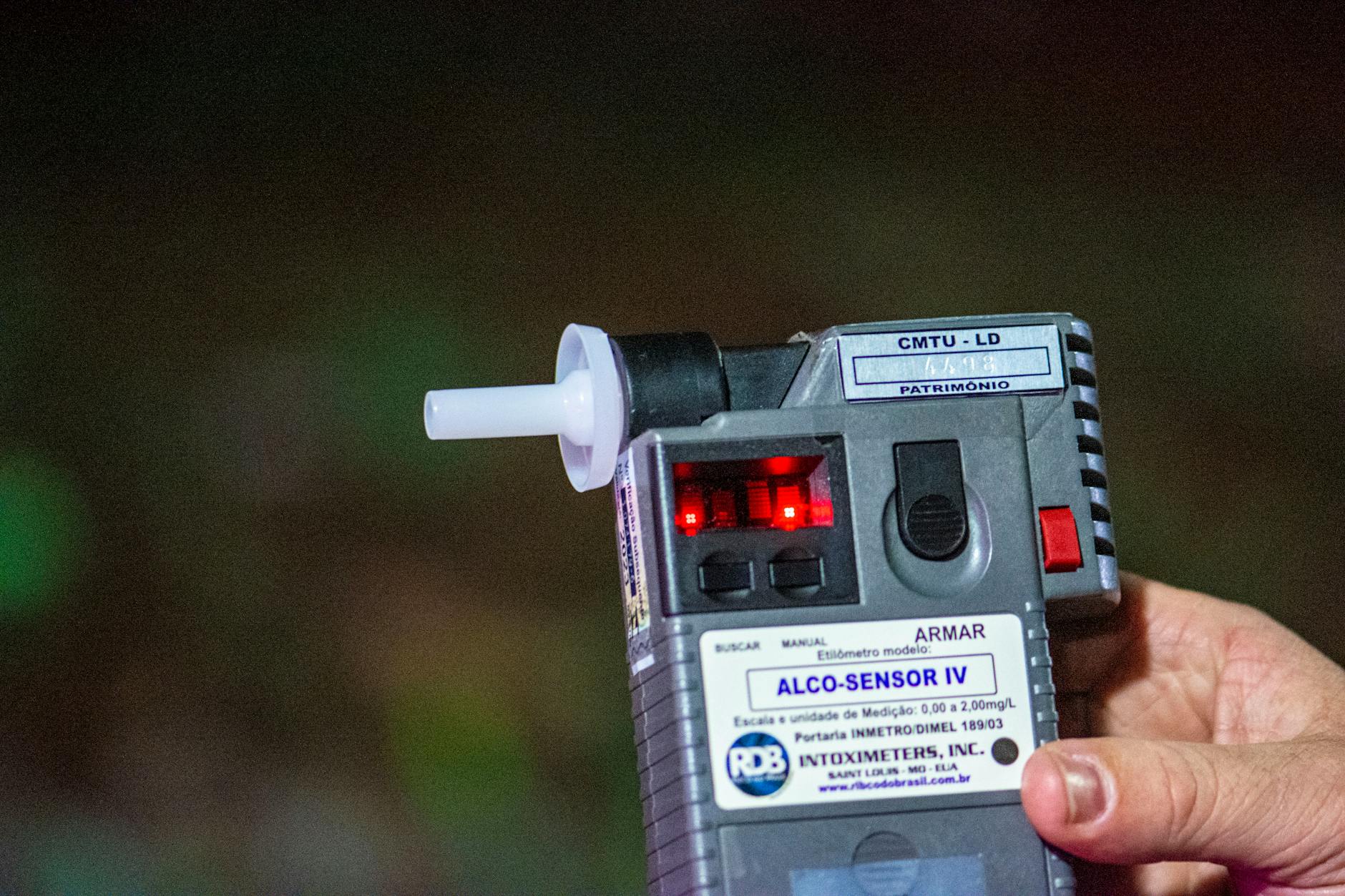
Nearly one in three U.S. adults will be pulled over for a traffic stop at some point in their lives. When alcohol is suspected, officers often administer field sobriety tests (FSTs) to assess impairment. What many drivers don't realize is that these tests carry significant consequences—and the answer to "Can you refuse field sobriety test" is a resounding yes.
Understanding the implications of FSTs is crucial for every driver. Unlike breathalyzer tests, which are governed by implied consent laws in most states, field sobriety tests are voluntary. The question "Can you refuse field sobriety test" becomes particularly relevant when considering that performance on these tests can be subjective and influenced by factors unrelated to alcohol consumption, such as nervousness, physical conditions, or even the officer's bias. Refusing an FST can help avoid self-incrimination, as poor performance often provides probable cause for arrest, even if the driver is sober.
Understanding Field Sobriety Tests
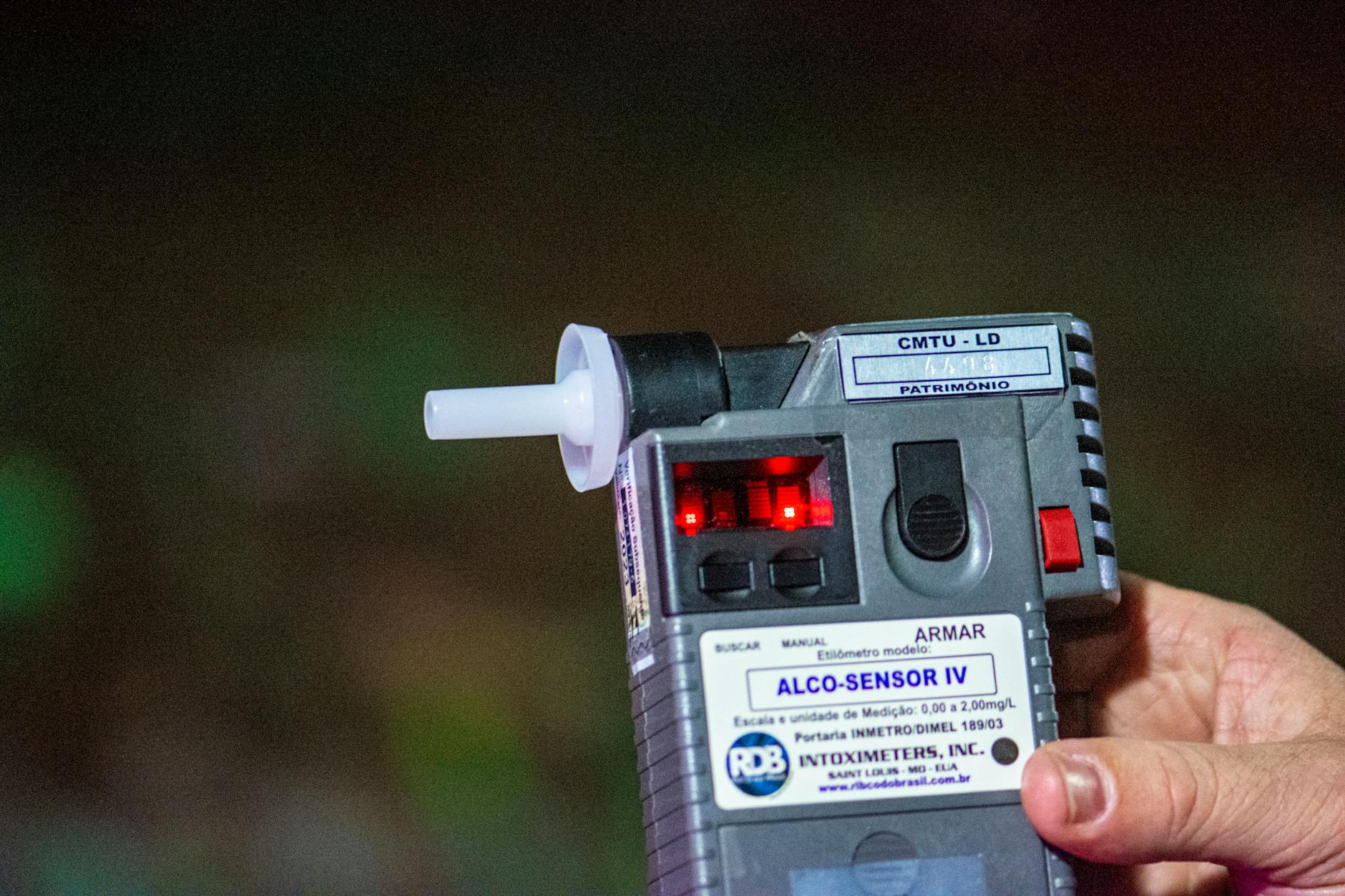
Field sobriety tests (FSTs) are a series of physical and cognitive tasks designed to help law enforcement officers determine if a driver is impaired. These tests, including the walk-and-turn, one-leg stand, and horizontal gaze nystagmus, are often administered during traffic stops. Officers look for specific clues indicating impairment, such as the inability to follow instructions or maintain balance. However, these tests are not foolproof and can be influenced by factors like nervousness, physical conditions, or even the officer's subjective interpretation.
According to the National Highway Traffic Safety Administration, standardized field sobriety tests have an accuracy rate of about 81% to 91% when administered properly. Yet, experts argue that these tests are not definitive proof of impairment. Many factors, such as age, weight, and medical conditions, can affect a person's performance. For instance, individuals with inner ear problems or certain neurological conditions may struggle with balance tasks, regardless of sobriety.
Understanding the limitations of FSTs is crucial. While officers may present these tests as mandatory, drivers have rights. Refusing to perform FSTs can be a strategic decision, as the results are not always reliable. However, it's essential to consult with a legal professional to understand the potential consequences of refusal in one's specific jurisdiction. Knowledge of these tests and their limitations empowers drivers to make informed decisions during a traffic stop.
Standardized vs. Non-Standardized Tests

Standardized field sobriety tests (FSTs) are a series of three specific tests approved by the National Highway Traffic Safety Administration (NHTSA). These include the Horizontal Gaze Nystagmus (HGN), Walk-and-Turn, and One-Leg Stand tests. Law enforcement officers receive training to administer these tests consistently, aiming to detect impairment objectively. Studies show that when properly administered, these tests can accurately indicate impairment in about 91% of cases.
Non-standardized tests, on the other hand, lack the rigorous validation and training protocols. These might include reciting the alphabet, touching one's nose with eyes closed, or counting backward. While they can provide some insight, their reliability is questionable. Experts argue that non-standardized tests are more subjective and open to interpretation, potentially leading to false positives.
Understanding the difference is crucial. Standardized tests follow a strict procedure, reducing the margin for error. Non-standardized tests, while still used, are less reliable and more prone to bias. Knowing this distinction can help individuals better navigate their rights during a traffic stop.
What Happens During the Test

During a field sobriety test, law enforcement officers typically ask individuals to perform a series of physical and cognitive tasks. These tests aim to assess impairment, with officers looking for specific clues indicating alcohol or drug influence. Common tests include the walk-and-turn, one-leg stand, and horizontal gaze nystagmus.
Officers provide clear instructions for each task, and individuals must follow them precisely. Performance is evaluated based on factors like balance, coordination, and ability to follow directions. According to the National Highway Traffic Safety Administration, these tests can be up to 91% accurate when administered properly.
Throughout the process, officers observe the individual's behavior, noting any signs of impairment. Slurred speech, unsteady gait, or difficulty following instructions can all be red flags. However, external factors like fatigue, medical conditions, or nervousness can also affect performance.
It's crucial to remember that field sobriety tests are subjective. An officer's interpretation of an individual's performance can vary, potentially leading to incorrect conclusions. Understanding this subjectivity is key to comprehending the limitations of these tests.
Your Rights and Refusal
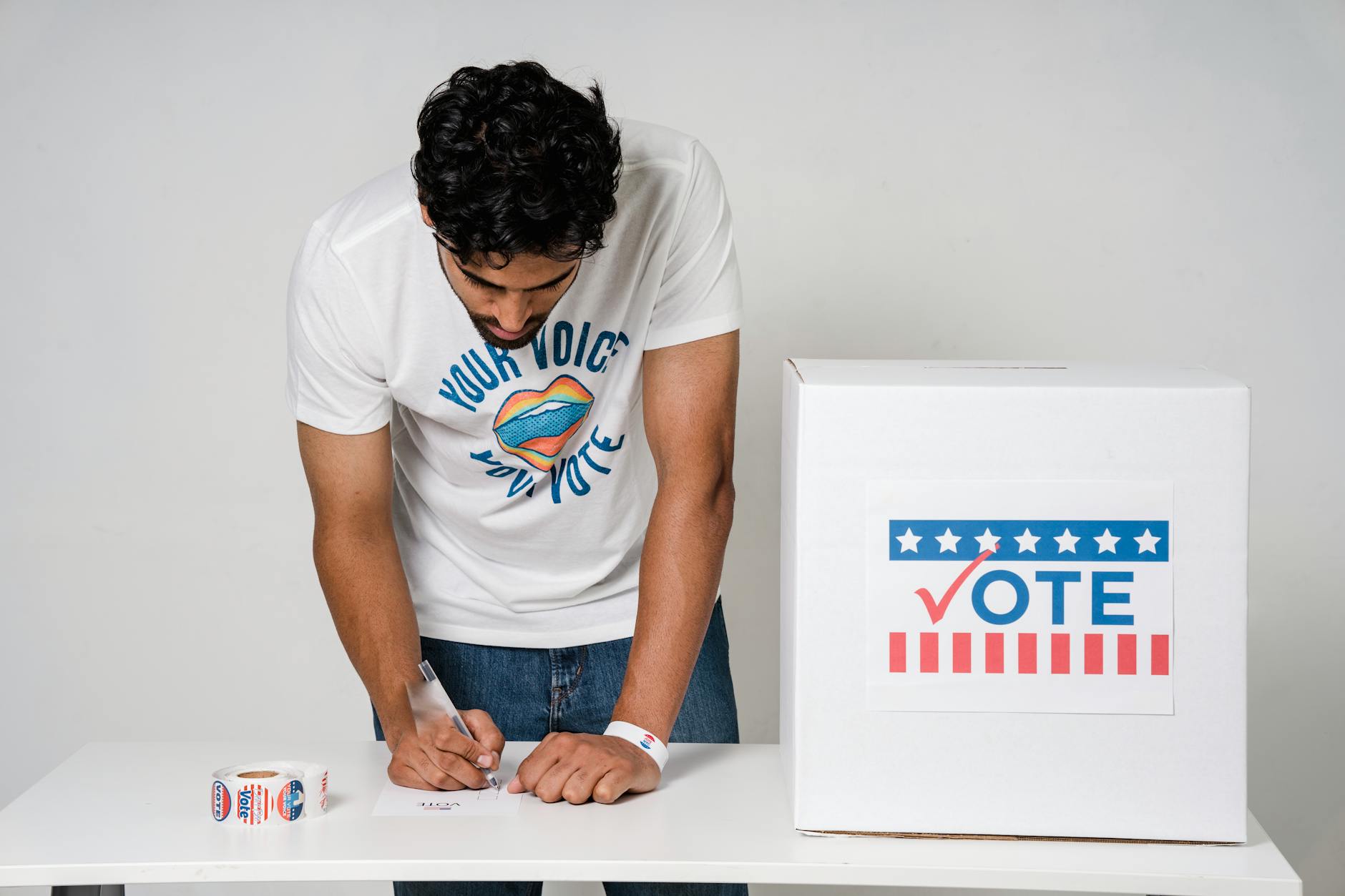
In the United States, drivers are not legally obligated to perform field sobriety tests (FSTs). These tests, designed to assess impairment, are voluntary. Refusing to participate in FSTs cannot be used against a driver in court. This is a crucial right that many drivers overlook during traffic stops.
According to the National Highway Traffic Safety Administration, FSTs have an accuracy rate of about 81% when administered properly. However, factors like road conditions, weather, and the officer's training can significantly impact results. Drivers should understand that refusing these tests does not imply guilt. Instead, it preserves their right to remain silent and consult with an attorney.
When an officer requests FSTs, drivers should politely decline. A simple, "Officer, I choose not to participate in the field sobriety tests" suffices. This response is firm yet respectful. Drivers should avoid providing additional information or engaging in lengthy discussions. The focus should remain on asserting their rights clearly and calmly.
It's essential to remember that refusal to perform FSTs differs from refusing a chemical test, such as a breathalyzer. The latter can result in immediate license suspension under implied consent laws. Drivers should know the distinction and act accordingly. Understanding these rights can make a significant difference in legal outcomes.
Potential Consequences of Refusal

Refusing a field sobriety test can have significant legal and practical consequences. Law enforcement officers may interpret refusal as a sign of intoxication, potentially leading to an arrest. According to the National Highway Traffic Safety Administration, officers trained in standardized field sobriety tests can accurately identify impaired drivers about 91% of the time. However, refusal alone does not guarantee an arrest, as officers must have probable cause to detain a driver.
One immediate consequence of refusal is the potential for an officer to request a chemical test, such as a breathalyzer. In many jurisdictions, refusing a chemical test can result in automatic license suspension, regardless of whether the driver is ultimately convicted of driving under the influence. These administrative penalties can be more severe than the penalties associated with failing a field sobriety test.
Long-term consequences may include increased scrutiny from law enforcement during future traffic stops. Drivers who refuse field sobriety tests might find it more challenging to negotiate favorable outcomes in court. Legal experts generally advise drivers to understand their rights and the implications of refusal before making a decision during a traffic stop.
Understanding your rights during a traffic stop is crucial, and knowing that you can refuse field sobriety tests is a key part of that knowledge. These tests are not mandatory, and refusing them cannot be used against you in court. To protect yourself, remain calm and polite during the interaction, clearly stating your refusal if asked to perform these tests. As law enforcement practices evolve, staying informed about your rights ensures you're prepared for any situation on the road.
Need this answered for your specific case?
Get a flat-fee consultation with a verified U.S. immigration attorney. Engagement letter on every paid consult.
Related guides
This guide provides general legal information and does not create an attorney–client relationship. Information accurate as of July 2026. Always verify current USCIS guidance before acting.