
Every year, millions of drivers find themselves pulled over by law enforcement, a situation that can quickly escalate if rights are unknown or ignored. Understanding what are your rights at a traffic stop is not just about legal knowledge—it's about personal safety and ensuring fair treatment.
Knowing what are your rights at a traffic stop empowers drivers to navigate these encounters with confidence. From the moment a police officer signals for a vehicle to pull over, specific rights come into play. These rights include the right to remain silent, the right to know why one is being stopped, and the right to refuse searches without a warrant. This knowledge is crucial for all drivers, as it helps prevent misunderstandings and protects against potential abuses of power. Whether a routine check or a more serious investigation, being informed ensures that drivers can assert their rights effectively and maintain their dignity during the interaction.
Understanding Your Rights on the Road

During a traffic stop, understanding your rights is crucial for ensuring a fair and respectful interaction with law enforcement. Drivers have the right to remain silent, a fundamental protection under the Fifth Amendment. This means refusing to answer questions that could incriminate you. However, providing basic information like your name and driver's license is typically required by law.
Another key right is the protection against unreasonable searches and seizures, guaranteed by the Fourth Amendment. Police generally need probable cause or your consent to search your vehicle. If an officer asks to search your car, you have the right to politely decline unless they have a warrant. According to the American Civil Liberties Union, knowing and asserting these rights can help prevent potential violations.
It's also important to remember that you have the right to record the interaction. Many courts have upheld this right, allowing drivers to use their phones to document the stop. However, always inform the officer that you are recording to avoid misunderstandings. Staying calm and respectful throughout the encounter can significantly improve the outcome.
Key Interactions During Traffic Stops
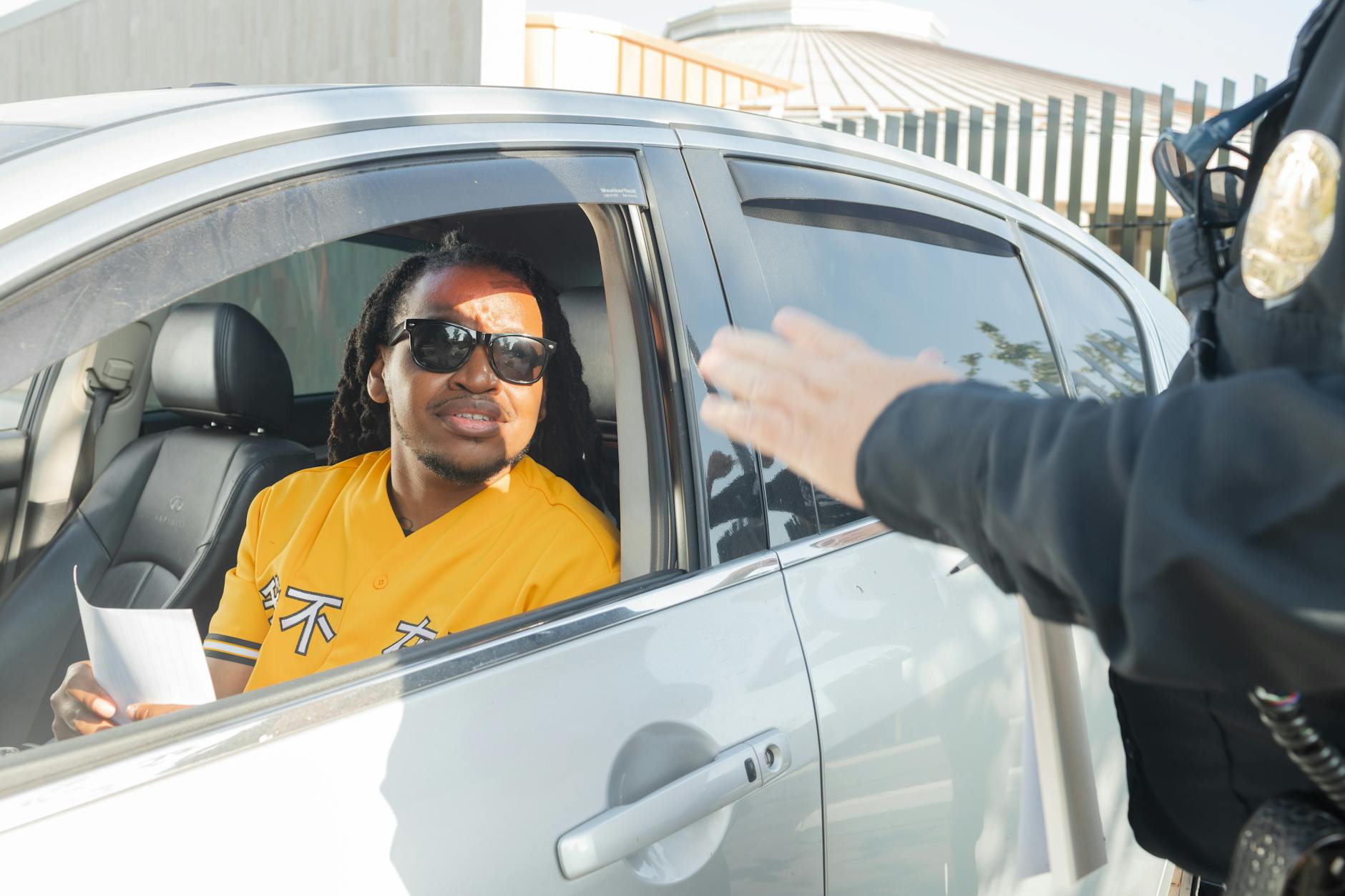
During a traffic stop, the initial interaction sets the tone. Drivers should remain calm and composed. Rolling down the window, placing hands on the steering wheel, and avoiding sudden movements can help de-escalate tension. Police officers appreciate cooperation, which can lead to a smoother interaction. Remember, the goal is to ensure safety and compliance.
According to the American Civil Liberties Union, drivers have the right to remain silent. This includes the right to refuse to answer questions beyond providing a driver's license, registration, and proof of insurance. However, refusing to answer questions may lead to further investigation. Drivers should weigh the potential consequences before exercising this right.
Officers may ask for consent to search the vehicle. Drivers have the right to refuse this request. A 2018 study by the National Highway Traffic Safety Administration found that consent searches often lead to discoveries of contraband. However, drivers should politely but firmly decline if they choose not to consent. It's crucial to understand that refusing consent does not imply guilt.
If an officer issues a ticket, drivers have the right to contest it in court. Accepting a ticket is not an admission of guilt. Drivers should carefully read the ticket and follow the instructions for contesting if desired. Understanding these rights can help drivers navigate traffic stops with confidence.
How to Present Your Documents

When presenting documents during a traffic stop, drivers should maintain composure and clarity. Place both hands on the steering wheel where they're visible to the officer. This simple action helps establish trust and safety from the outset. Only retrieve requested documents when instructed, moving slowly and deliberately. Sudden movements can escalate tensions unnecessarily.
According to the American Civil Liberties Union, drivers should keep registration and insurance cards in an easily accessible location. This preparation prevents fumbling through documents while the officer waits. A well-organized glove compartment can expedite the process significantly. Remember, the officer's primary concern is safety for all parties involved.
If the officer requests identification, hand over the driver's license without hesitation. However, drivers have the right to ask why the information is needed. This right applies even during routine stops. Staying calm and polite throughout the interaction is crucial. A cooperative attitude can positively influence the outcome of the stop.
Handling Unexpected Situations

Traffic stops can escalate quickly if drivers don't know their rights. Remain calm and polite, but firm. If an officer asks to search the vehicle, consent isn't mandatory. According to the American Civil Liberties Union, drivers can refuse search requests, though officers may proceed if they have probable cause.
Unexpected situations, like being asked to perform sobriety tests, require knowing one's rights. Field sobriety tests are voluntary. Drivers can respectfully decline without immediate legal consequences. However, refusal may lead to further investigation or arrest.
Documenting the interaction can prove invaluable. Use a phone to record the encounter if safe to do so. Many states allow recording police interactions in public spaces. This evidence can protect drivers' rights and provide clarity during disputes.
Knowledge empowers drivers during traffic stops. Understanding rights helps navigate unexpected situations confidently. The National Highway Traffic Safety Administration emphasizes education as a key tool for safe and informed driving. Drivers should review local laws regularly to stay informed.
Ensuring Future Traffic Stop Success

Traffic stops can be stressful, but knowing your rights can significantly improve the outcome. Always remember to stay calm and polite. This demeanor can help de-escalate any tension and make the interaction smoother. According to the American Civil Liberties Union, remaining respectful doesn't mean you have to answer every question. You have the right to remain silent, and exercising this right won't automatically make you appear guilty.
Documenting the encounter is crucial. Use your phone to record the interaction if possible. This provides evidence in case of any disputes. The Supreme Court has upheld the right to record police activity in public spaces. However, inform the officer you're recording to avoid misunderstandings. This simple step can protect both you and the officer.
Knowing when to consent to searches is vital. Officers may ask to search your vehicle, but you have the right to refuse. Unless they have probable cause or a warrant, they cannot search without your permission. A study by the National Highway Traffic Safety Administration found that 75% of searches during traffic stops were conducted with the driver's consent. Understanding this right can prevent unnecessary violations of your privacy.
If you're unsure about your rights, seek legal advice promptly. Many law firms offer free consultations for traffic stop-related issues. Consulting with a professional can provide clarity and ensure you're prepared for future interactions. This proactive approach can make all the difference in protecting your rights and ensuring a positive outcome.
Understanding your rights during a traffic stop empowers you to navigate the situation calmly and confidently. Remember, you have the right to remain silent, request a lawyer, and refuse searches without a warrant, while always complying with lawful orders. To put this knowledge into practice, keep a copy of your rights in your glove compartment for quick reference. As you drive forward, consider taking a defensive driving course to further enhance your safety and awareness on the road.
Need this answered for your specific case?
Get a flat-fee consultation with a verified U.S. immigration attorney. Engagement letter on every paid consult.
Related guides
This guide provides general legal information and does not create an attorney–client relationship. Information accurate as of July 2026. Always verify current USCIS guidance before acting.