
Every year, thousands of Americans exercise their constitutional right to protest, with over 8,000 demonstrations recorded in 2020 alone. Yet, many participants remain unaware of their legal protections. Understanding what are citizen rights during protest is crucial for ensuring safety and justice. The First Amendment guarantees the right to peaceful assembly, but knowing the specifics can make a significant difference in how individuals navigate these events.
Knowing what are citizen rights during protest empowers citizens to engage meaningfully in civic activities. Protests can range from peaceful marches to more confrontational gatherings, and legal protections vary depending on the situation. Citizens have the right to record law enforcement officers, assemble peacefully, and express their views without fear of retaliation. However, these rights are not absolute, and understanding the nuances can help individuals advocate for their causes while staying within the bounds of the law. Whether participating in a local rally or a national movement, being informed about these rights is essential for every protester.
Understanding Your Rights as a Protester
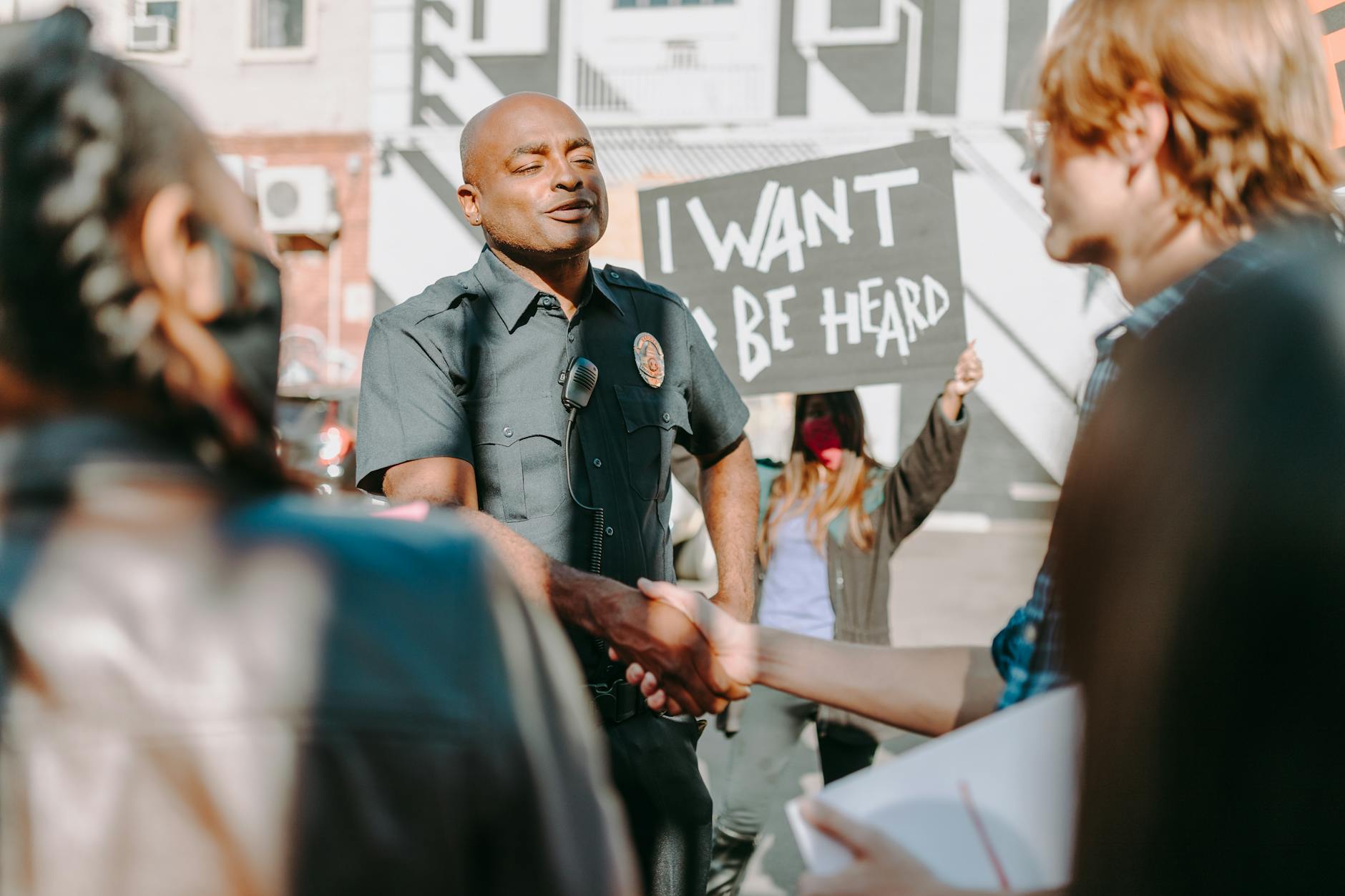
Protesters in the United States enjoy a range of constitutional protections. The First Amendment guarantees the right to peaceably assemble and petition the government for redress of grievances. This right is fundamental to democratic participation, allowing citizens to express dissent and advocate for change. However, these rights are not absolute. They can be limited to maintain public safety and order.
A 2019 study by the U.S. Commission on Civil Rights found that protesters often face challenges in exercising these rights. Police misconduct and excessive force can deter individuals from participating in demonstrations. Understanding these risks is crucial for anyone planning to protest. The American Civil Liberties Union (ACLU) emphasizes that protesters should familiarize themselves with local laws and regulations.
Protesters also have the right to record police activity. This right is protected under the First Amendment and has been upheld by courts nationwide. Documenting interactions with law enforcement can serve as evidence in cases of misconduct. However, protesters should remain aware of their surroundings and prioritize their safety.
Knowing your rights is the first step in protecting them. The National Lawyers Guild provides resources and legal support for protesters. Their hotlines offer immediate assistance during demonstrations. Protesters should also consider carrying identification and having a plan for legal representation. Preparedness can make a significant difference in ensuring a safe and effective protest.
Freedom of Assembly and Expression
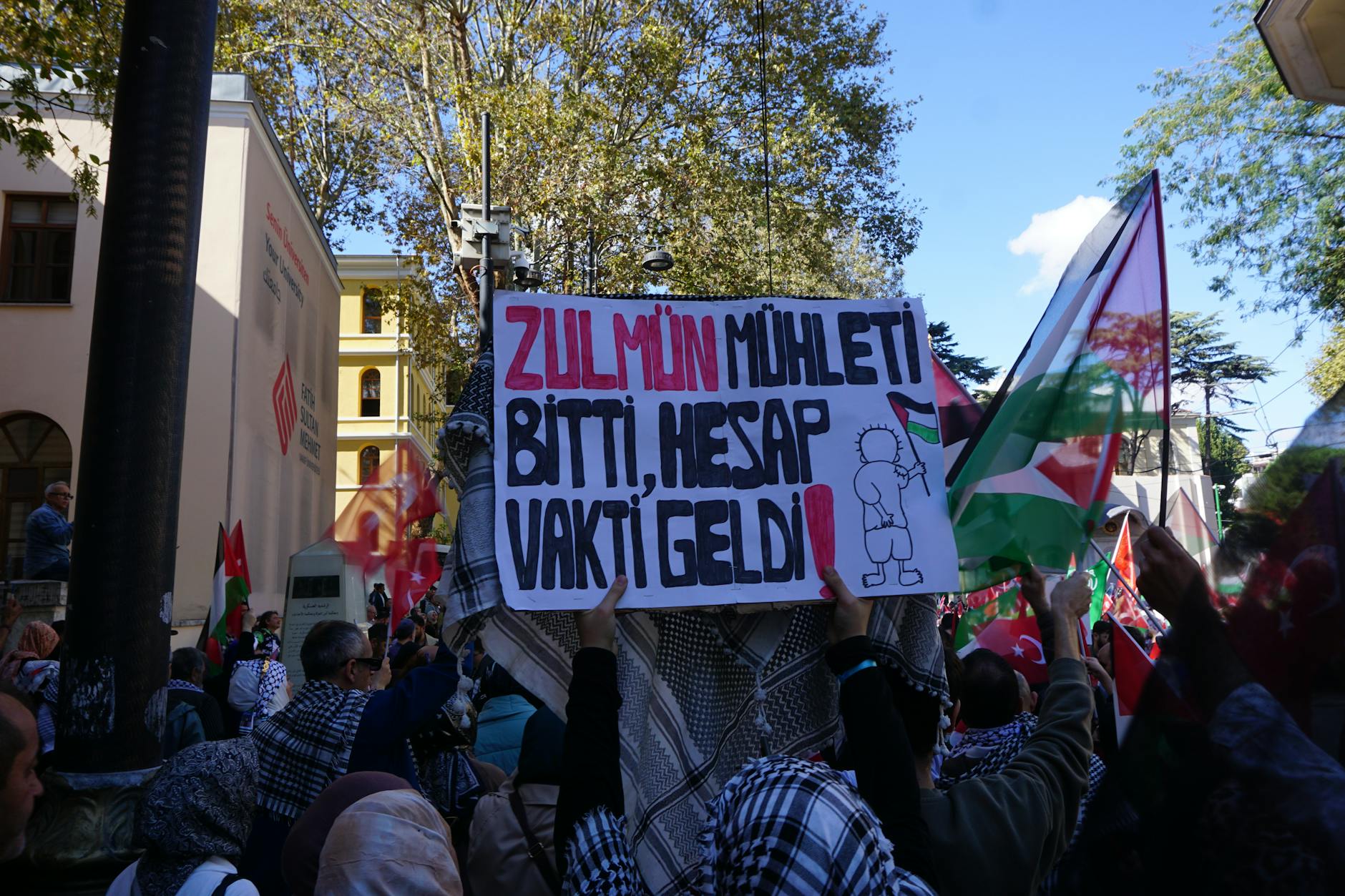
Citizens have a fundamental right to peacefully assemble and express their views, a cornerstone of democratic societies. This right allows individuals to gather publicly, voice opinions, and advocate for change. However, these rights are not absolute. Authorities may impose reasonable time, place, and manner restrictions to maintain public order. Protests must remain peaceful; violent or disruptive behavior can lead to arrest and prosecution.
Freedom of expression extends to wearing symbols, carrying signs, and chanting slogans. However, offensive or threatening language directed at individuals can cross legal boundaries. The American Civil Liberties Union (ACLU) reports that protests have increased by 40% in the past decade, highlighting the importance of understanding these rights. Citizens should familiarize themselves with local laws to avoid unintended legal consequences.
Documenting protests is also protected under the First Amendment. Photographers and journalists have the right to record police activity in public spaces. However, interfering with law enforcement operations can result in restrictions. Courts have consistently upheld these rights, ensuring transparency and accountability. Understanding these protections empowers citizens to participate in protests effectively and safely.
Police Conduct and Your Protections
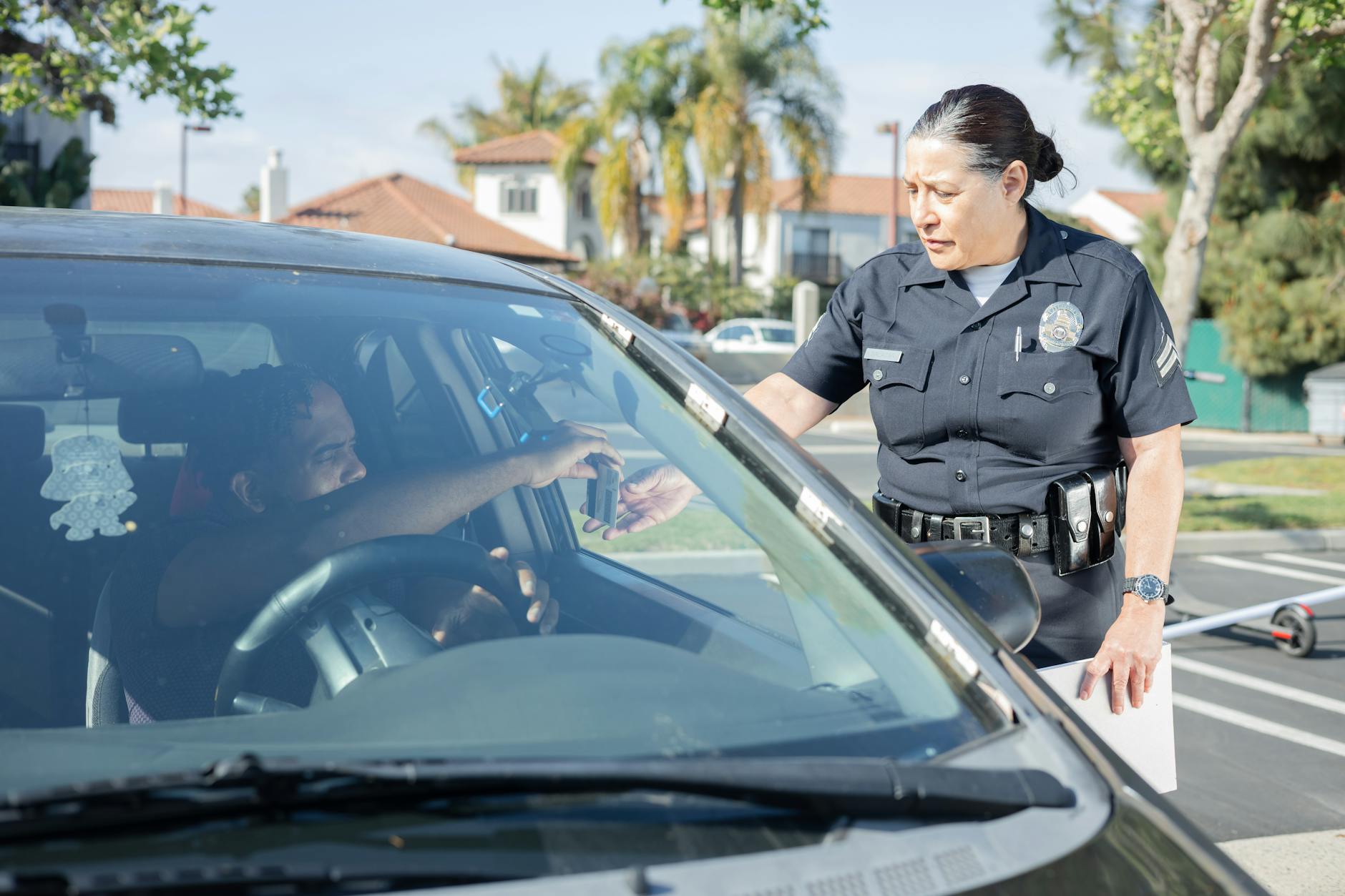
During protests, police officers must balance maintaining public order with respecting citizens' rights. The First Amendment protects the right to peaceful assembly and free speech, meaning law enforcement cannot arbitrarily arrest or disperse protesters. However, officers can intervene if demonstrations turn violent or obstruct traffic. A 2019 study by the American Civil Liberties Union found that police misconduct during protests often stems from inadequate training or unclear guidelines.
Citizens have the right to record police activity in public spaces. This right is crucial for accountability, as footage can document potential misconduct. However, officers may request identification if they suspect criminal activity, but they cannot confiscate devices without a warrant. The American Bar Association emphasizes that knowing these rights empowers individuals to engage safely with law enforcement.
Police must provide clear instructions during arrests. They cannot use excessive force or make arrests based on bias. If an officer violates these protections, citizens can file complaints with internal affairs or seek legal counsel. Understanding these rights helps protesters advocate for themselves and hold authorities accountable.
While police have authority to manage crowds, their actions must align with constitutional protections. Citizens should remain calm, comply with lawful orders, and document any rights violations. The U.S. Department of Justice highlights that transparency and respect between protesters and law enforcement reduce conflicts and ensure public safety.
What to Do If Your Rights Are Violated

If law enforcement officers overstep their authority, citizens have several avenues for recourse. First, document everything. Use a smartphone to record interactions, take photos of any injuries, and note the officers' badge numbers and patrol car numbers. This evidence can be crucial for filing complaints or legal action. According to the American Civil Liberties Union, having concrete evidence significantly strengthens a case against misconduct.
Next, seek immediate medical attention if injured. Even minor injuries should be documented by a healthcare professional. This creates an official record that can be used later if legal action becomes necessary. It's also wise to report the incident to a supervisor or a higher-ranking officer at the scene. Request their name and badge number for follow-up.
Citizens should file a formal complaint with the appropriate agency. Most police departments have internal affairs divisions that handle such complaints. Additionally, consider reporting the incident to external oversight bodies, such as a civilian review board or a state attorney general's office. These organizations can investigate and hold officers accountable for misconduct.
Legal action may be necessary in severe cases. Consult with a civil rights attorney to explore options. Many attorneys offer free consultations and work on contingency fees, meaning they only get paid if they win the case. Compensation can cover medical bills, lost wages, and emotional distress. Legal action also sends a strong message about the importance of upholding citizens' rights during protests.
Advocating for Stronger Protester Protections

Citizens exercising their right to protest often face significant risks. Law enforcement agencies must respect protesters' rights to free speech and assembly. However, incidents of excessive force and arbitrary arrests persist. The American Civil Liberties Union (ACLU) reports that protests in recent years have seen a 40% increase in such violations. This underscores the urgent need for stronger protections.
Advocacy groups are pushing for comprehensive reforms. They demand clear guidelines for police conduct during protests. Transparent accountability mechanisms are also crucial. Independent oversight bodies should investigate misuse of force. These measures can help prevent abuses and ensure protesters' safety.
Legal experts emphasize the importance of public awareness. Citizens should know their rights under the First Amendment. Understanding these protections empowers individuals to advocate for themselves. It also encourages responsible protesting and peaceful assembly.
Community organizations play a vital role in this effort. They provide training and resources to protesters. Workshops on legal rights and safety strategies are invaluable. By equipping citizens with knowledge, these groups foster a culture of informed activism. This approach helps build a safer environment for all.
Understanding your rights is the first step in ensuring your safety and the effectiveness of your protest. Citizens have the right to peaceful assembly, free speech, and protection from unreasonable searches and seizures. To make the most of these protections, always carry a copy of your rights, stay informed about local laws, and remain calm and respectful during interactions with law enforcement. As protests continue to shape our society, staying educated and engaged will empower citizens to advocate for their causes while safeguarding their fundamental rights.
Need this answered for your specific case?
Get a flat-fee consultation with a verified U.S. immigration attorney. Engagement letter on every paid consult.
Related guides
This guide provides general legal information and does not create an attorney–client relationship. Information accurate as of July 2026. Always verify current USCIS guidance before acting.