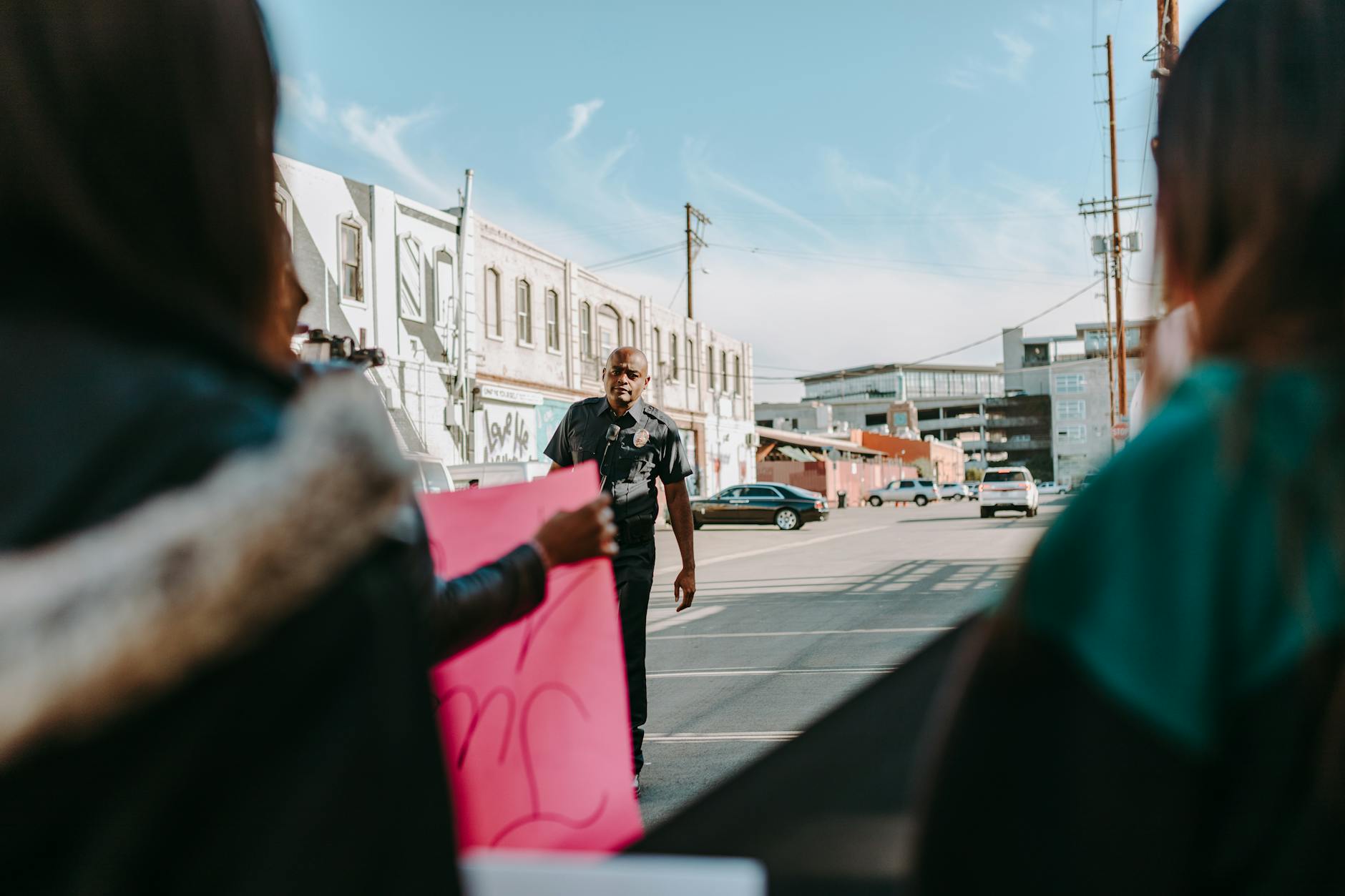
Every year, millions of tourists find themselves in unexpected encounters with law enforcement while traveling abroad. These situations can be stressful and confusing, but understanding basic rights can make a significant difference in the outcome.
When traveling, it's crucial to know what rights tourists have with police. Whether exploring bustling cities or remote destinations, tourists should familiarize themselves with local laws and their fundamental rights during police interactions. Knowing what rights tourists have with police can empower travelers to navigate these encounters with confidence and ensure their safety and well-being. This knowledge serves as a vital tool for protecting oneself in unfamiliar territories.
Understanding your rights as a tourist

Tourists, like all individuals, possess fundamental rights during police encounters. These rights are designed to ensure fair treatment and protect against abuse of power. At the most basic level, tourists have the right to be treated with respect and dignity. This means police officers should address tourists courteously and avoid any form of discrimination based on nationality, race, or other factors.
One critical right is the right to know the reason for a police encounter. If a tourist is stopped or detained, the officer should clearly explain the grounds for the interaction. According to a report by the International Association of Chiefs of Police, clear communication during encounters helps build trust and ensures transparency. Tourists should also be informed about their rights in a language they understand, which may involve the use of interpreters if necessary.
Tourists have the right to remain silent and the right to legal representation. If a tourist is arrested or faces legal consequences, they should be allowed to contact their embassy or consulate. This right is particularly important for tourists who may not be familiar with local laws or legal procedures. Additionally, tourists should be aware that they have the right to document the encounter, provided it does not interfere with police operations.
Understanding these rights can significantly impact a tourist's experience during a police encounter. Being informed and assertive can help tourists navigate such situations with confidence and ensure their rights are respected. Tourists should familiarize themselves with local laws and customs before traveling to better understand their rights and obligations.
What to do during a police stop
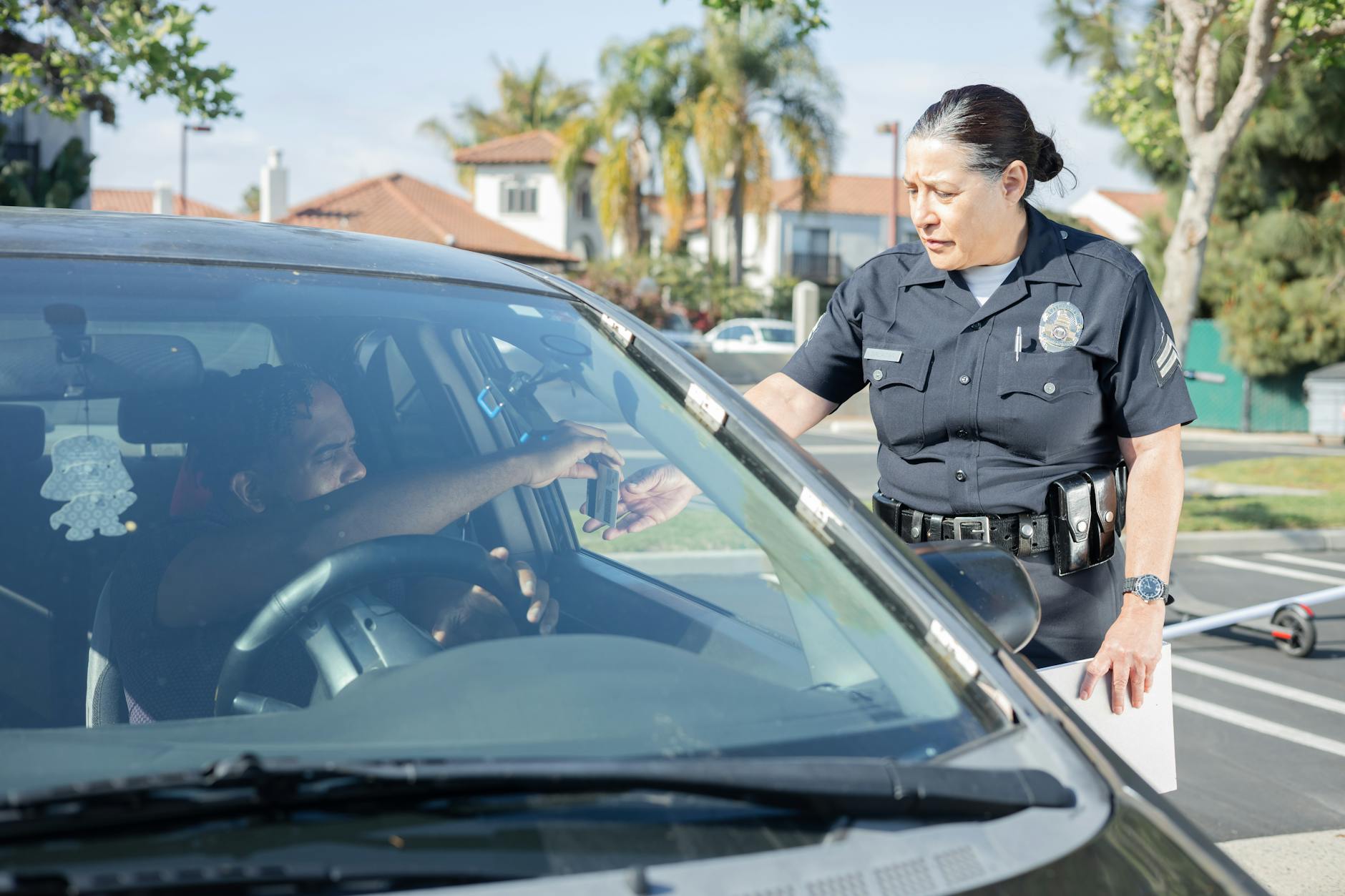
During a police stop, tourists should remain calm and cooperative. This doesn't mean surrendering rights. Tourists have the right to ask if they are free to leave. If the officer says no, they are being detained. A study by the American Civil Liberties Union found that clearly stating "Am I free to go?" can help clarify the situation.
If detained, tourists should provide basic information like name and passport details. They are not obligated to answer other questions. Police may ask about travel plans or purpose of visit. Tourists can politely decline to answer, saying "I prefer not to answer that question."
Tourists should never consent to a search without a warrant. Police might ask to search luggage or devices. A firm "I do not consent to this search" is crucial. This protects personal belongings and data.
If arrested, tourists should invoke their right to remain silent and request a lawyer immediately. Police must inform tourists of these rights. According to legal experts, exercising these rights is not an admission of guilt. It's a fundamental protection under law.
Tourists should document the encounter if possible. Notes or recordings can be valuable later. Most importantly, tourists should stay respectful. This helps ensure their safety and protects their rights during the encounter.
Documentation and identification requirements
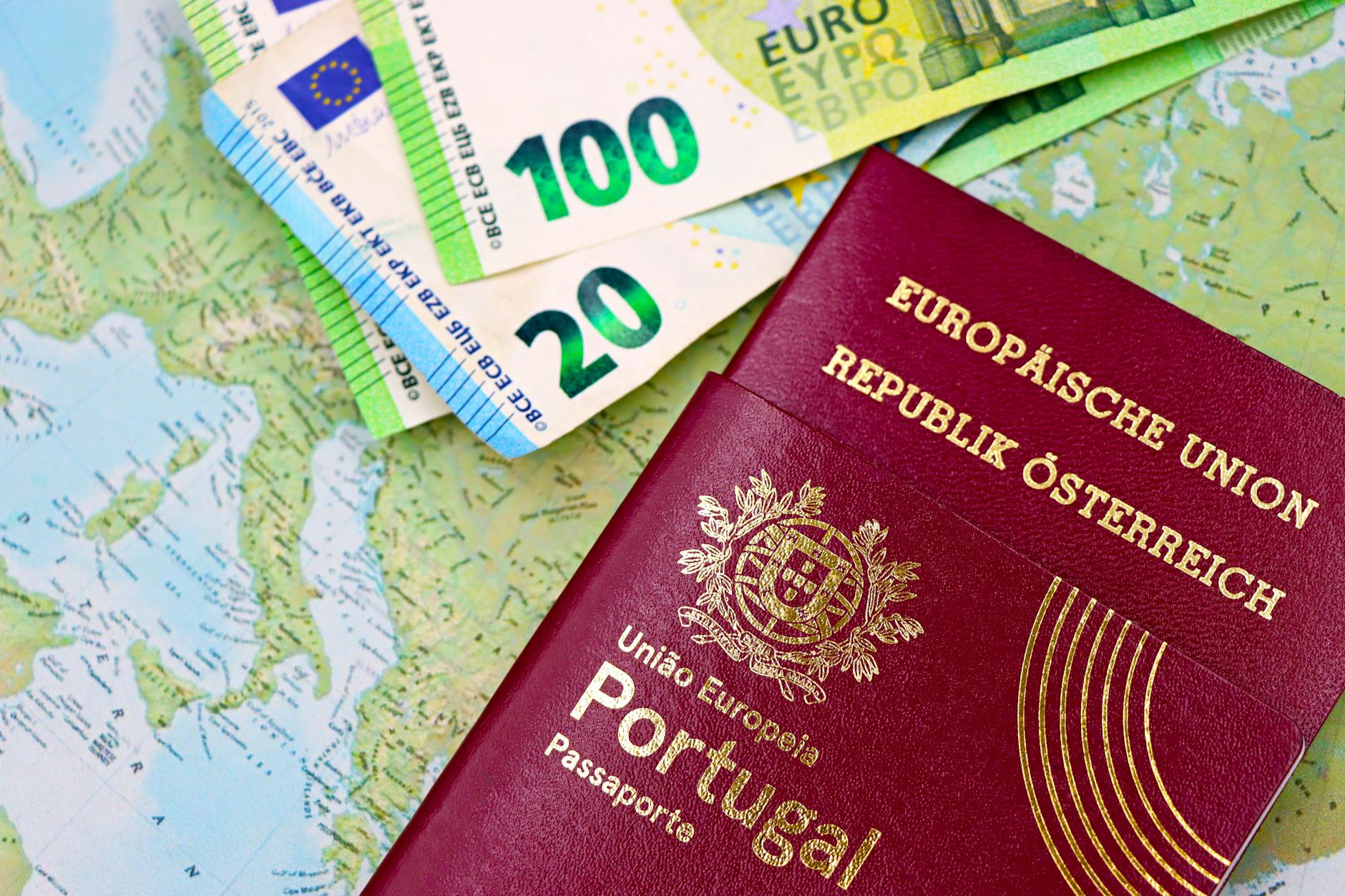
Tourists should always carry their passport and a copy of their visa or entry permit. Police officers may request identification to verify legal status. The International Association of Travel Agents advises keeping digital copies as backup. If stopped, tourists can ask why identification is needed and for the officer's name and badge number.
Some countries require additional documentation. For example, visitors to the U.S. must present proof of return or onward travel. In the EU, tourists should carry their European Health Insurance Card if applicable. Always check local regulations before traveling. Failure to provide required documents can lead to delays or detention.
Tourists have the right to ask for an interpreter if they don't understand the language. Police should accommodate this request within a reasonable timeframe. According to a 2022 study by the Global Tourism Institute, language barriers are a common source of tension in police encounters. Clear communication helps prevent misunderstandings and protects tourist rights.
Documentation requirements vary by country and situation. Tourists should research local laws before their trip. Carrying proper identification and understanding local regulations can prevent complications. When in doubt, tourists can contact their embassy or consulate for guidance. Preparation is key to a safe and enjoyable travel experience.
Handling searches and seizures

Tourists have specific rights when it comes to police searches and seizures. Police cannot search a tourist's belongings without a warrant, consent, or probable cause. If an officer asks to search luggage or personal items, tourists have the right to politely refuse. According to the American Civil Liberties Union, approximately 97% of warrantless searches are conducted based on consent, highlighting the importance of understanding this right.
If police claim to have probable cause, they may conduct a search. Tourists should remain calm and comply with the search to avoid escalation. However, they should not physically resist or interfere with the process. It's crucial to remember that anything found during a legal search can be used as evidence.
In cases where police seize property, tourists should ask for a receipt or documentation detailing the items taken. This record can be vital for reclaiming belongings later. Tourists should also request the officer's badge number and contact information for future reference. Knowing these rights can help tourists navigate police encounters more confidently.
Seeking legal assistance abroad

Tourists facing legal issues abroad often feel vulnerable, but they retain fundamental rights. Most countries require police to inform detainees of their rights, including the right to legal counsel. Tourists should immediately request assistance from their embassy or consulate, which can provide a list of local lawyers. According to the U.S. State Department, consular officials can help locate legal representation and explain local laws.
Police must treat tourists fairly, regardless of nationality. This includes protection from discrimination based on race, religion, or nationality. Tourists should document any mistreatment, including taking notes or recording interactions if legally permissible. The European Union's Charter of Fundamental Rights emphasizes that everyone, including tourists, has the right to fair treatment under the law.
Tourists have the right to understand the charges against them. Police must communicate in a language the tourist comprehends, either through translation or an interpreter. This ensures tourists can actively participate in their defense. Failure to provide adequate interpretation can lead to wrongful convictions, as seen in several high-profile cases.
Knowing these rights can significantly impact a tourist's experience with foreign police. While laws vary by country, the principles of fair treatment and legal representation remain consistent. Tourists should familiarize themselves with local laws and seek assistance promptly if needed. This proactive approach can mitigate potential legal troubles and ensure a safer travel experience.
Tourists have clear rights during police encounters, including the right to remain silent and to know the reason for any stop. Understanding these protections can significantly improve interactions with law enforcement. To ensure a smooth experience, tourists should familiarize themselves with local laws and carry essential documents at all times. As travel continues to rebound, staying informed about these rights will empower travelers to navigate any situation with confidence and ease.
Need this answered for your specific case?
Get a flat-fee consultation with a verified U.S. immigration attorney. Engagement letter on every paid consult.
Related guides
This guide provides general legal information and does not create an attorney–client relationship. Information accurate as of July 2026. Always verify current USCIS guidance before acting.