
Every day, thousands of interactions occur between civilians and law enforcement officers. While cooperation is generally expected, there are specific situations where individuals have the legal right to refuse identification checks. Knowing these rights is crucial for protecting personal freedoms and ensuring fair treatment under the law.
Understanding when and how to assert these rights can be empowering. The question "Can you refuse to show ID to police?" arises frequently, and the answer depends on the context. While officers may request identification during certain encounters, individuals are not always legally obligated to comply. This article explores five common scenarios where refusing an ID check is within your rights, helping readers navigate these interactions with confidence. Knowing when "Can you refuse to show ID to police" applies can make a significant difference in how these encounters unfold.
Understanding Your Rights During Police Encounters

When police officers request identification, individuals often feel compelled to comply immediately. However, rights vary depending on the context. In the United States, the Fourth Amendment protects against unreasonable searches and seizures, but laws differ by state. Generally, drivers must show identification during traffic stops, but pedestrians in public spaces have more flexibility.
According to the American Civil Liberties Union, police can only demand ID in specific situations, such as during a lawful stop or investigation. Refusal may lead to detention, but not necessarily arrest. It's crucial to stay calm and ask if you're free to leave. If the officer insists on ID, providing a name may suffice without producing a physical document.
Knowing these rights empowers individuals to interact confidently with law enforcement. A criminal defense attorney emphasizes that police cannot detain someone indefinitely for refusing ID. However, understanding local laws is key. In some jurisdictions, failure to provide identification can result in fines or penalties. Always verify specific regulations in your area.
When Police Can Legally Request Identification
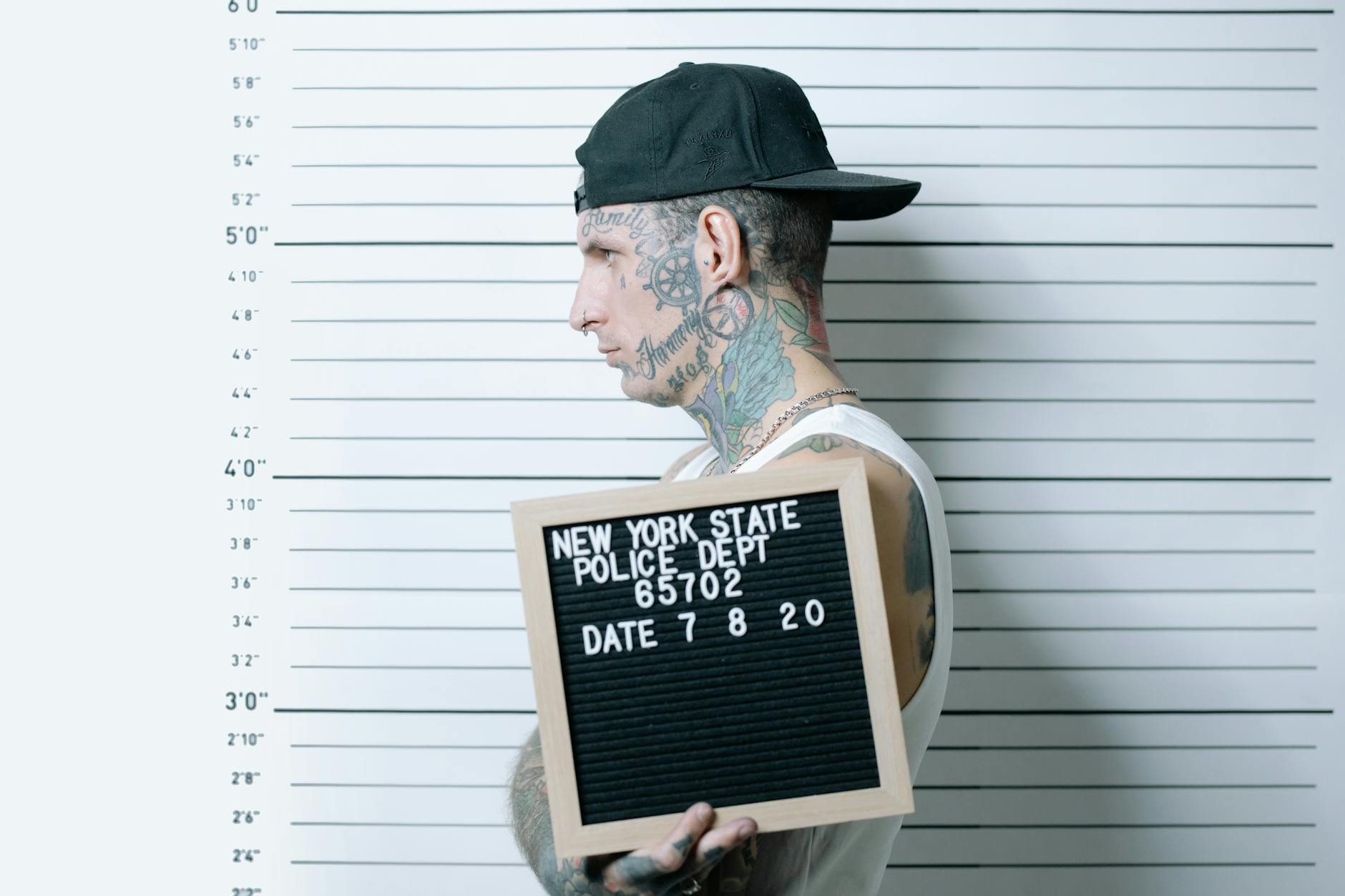
Understanding when police can legally request identification is crucial for protecting one's rights. Generally, officers can ask for ID during a lawful stop, such as a traffic violation or when there's reasonable suspicion of criminal activity. According to the American Civil Liberties Union, police may also request identification during investigations where a person matches a description of a suspect. However, the legality varies by state and situation.
In some states, individuals must provide identification if they are driving a vehicle or are suspected of a crime. A 2018 study by the National Conference of State Legislatures found that 24 states have "stop-and-identify" statutes, requiring individuals to provide their name when reasonably suspected of criminal activity. These laws aim to balance public safety with individual rights.
Police can also request identification during Terry stops, brief detentions based on reasonable suspicion of criminal behavior. During these stops, officers may ask for ID to verify the person's identity. However, individuals are not obligated to provide additional information beyond basic identification in most cases. Always remain calm and polite, but know your rights.
It's essential to know that police cannot arbitrarily request identification without a valid reason. If an officer asks for ID during a routine encounter without cause, individuals have the right to refuse. However, refusing may escalate the situation, so it's often best to comply and address any concerns afterward. Consulting local laws and legal resources can provide further clarity on specific rights and obligations.
Situations Where You Can Politely Decline

Knowing when to politely decline an ID check can be crucial. In public spaces like parks or shopping centers, individuals are generally not required to show identification unless there's reasonable suspicion of criminal activity. A 2019 study by the American Civil Liberties Union found that only 20% of police stops in these areas were justified by probable cause.
During traffic stops, drivers must provide a license, registration, and proof of insurance. However, passengers are not obligated to show ID unless officers have a valid reason to suspect involvement in a crime. Police cannot demand identification simply because they want to question someone.
At protests or demonstrations, law enforcement may request ID to maintain order. However, individuals have the right to refuse unless officers can articulate a specific, lawful reason for the request. The Supreme Court has ruled that mere participation in a protest does not justify an ID check.
In private property, business owners can set their own rules. While customers may be asked to show ID to enter certain establishments, they can choose to leave if they refuse. This right is protected under the First Amendment, which guarantees the freedom to associate or not associate with private entities.
When stopped by police, individuals should remain calm and polite. Clearly stating, "I do not consent to searches" or "I choose to remain silent" can help protect rights. Understanding these situations empowers people to navigate encounters with law enforcement confidently.
How to Assert Your Rights Without Escalation
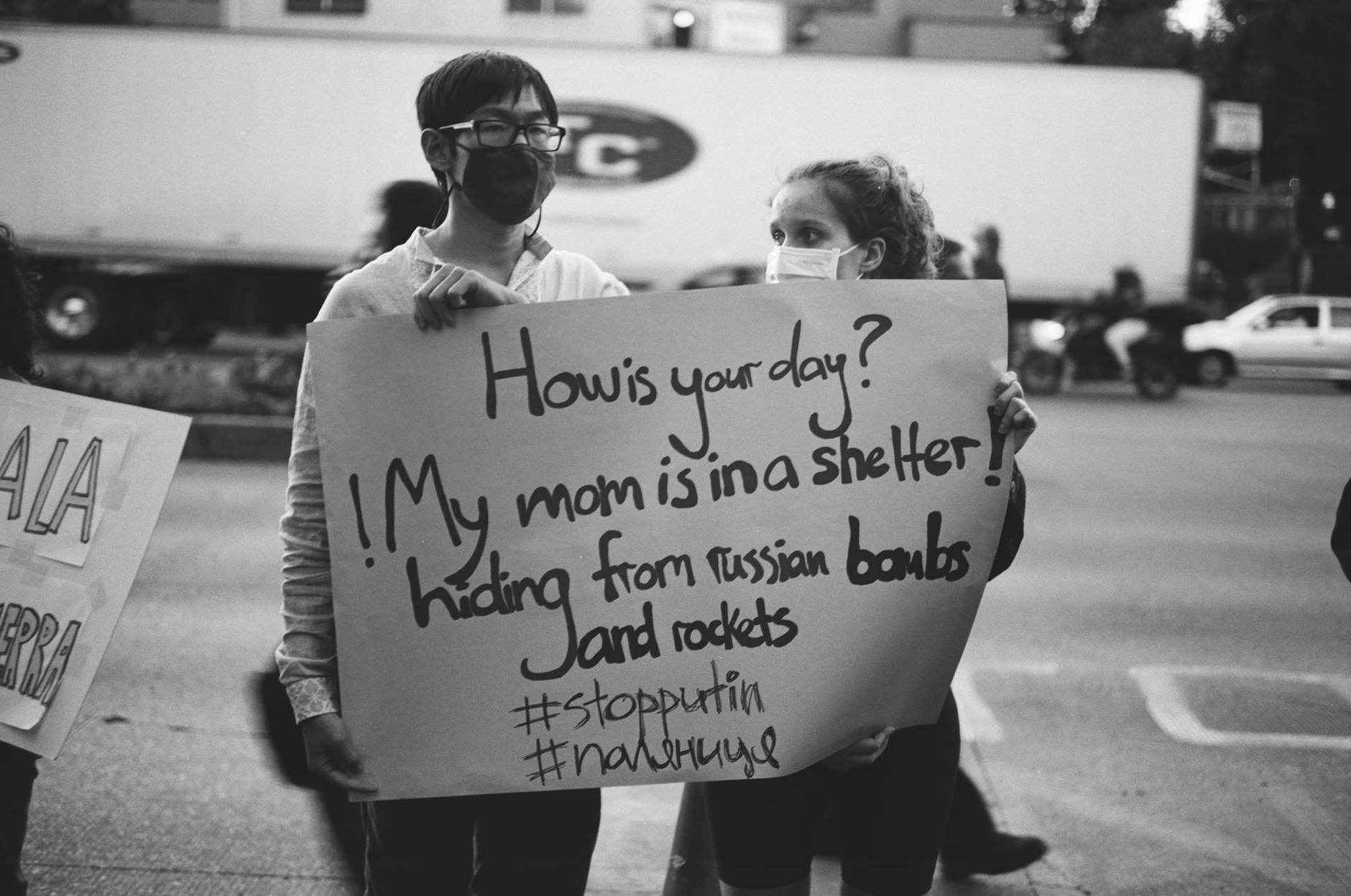
Asserting rights during police encounters requires a balance of confidence and composure. The American Civil Liberties Union emphasizes that individuals should remain calm and polite while clearly stating their position. A firm but respectful tone can prevent unnecessary escalation. For instance, one might say, "I understand your request, but I choose to exercise my right to remain silent." This approach demonstrates awareness of rights without provoking conflict.
Knowing when to speak and when to stay silent is crucial. According to a study by the National Institute of Justice, de-escalation techniques significantly reduce the likelihood of confrontations turning violent. If an officer insists on identification, a person can ask, "Am I being detained or am I free to go?" This question clarifies the situation and asserts rights without aggression.
Documenting the encounter can also be helpful. Using a phone to record the interaction provides evidence and may deter misconduct. However, it's important to inform the officer that recording is taking place. This transparency can help maintain a respectful dialogue. Additionally, seeking legal advice afterward ensures that rights were properly upheld during the encounter.
Building Awareness for Future Interactions

Understanding one's rights during police encounters is the first step toward meaningful interaction. A study by the American Civil Liberties Union reveals that many citizens remain unaware of their rights during ID checks, often leading to unnecessary confrontations. Building awareness begins with education—knowing when refusal is lawful and when compliance is necessary.
Community workshops and online resources play a crucial role. These platforms provide clear, accessible information about legal rights and police procedures. For instance, knowing that refusal to show ID in certain situations is protected can prevent unnecessary escalation.
Legal experts emphasize the importance of staying calm and polite during encounters. Even when asserting rights, maintaining a respectful demeanor can help de-escalate tense situations. Awareness campaigns should also highlight the importance of documenting encounters, which can be useful in case of disputes.
Schools and local organizations can partner with legal experts to host informational sessions. These sessions can cover a range of topics, from understanding Miranda rights to knowing when to seek legal counsel. By fostering a culture of informed citizenship, communities can ensure that interactions with law enforcement remain respectful and lawful.
Knowing your rights is the first step in protecting them. While police have certain powers, you can refuse ID checks in specific situations without facing penalties. To navigate encounters confidently, familiarize yourself with local laws and carry a quick-reference guide on your phone. As communities continue to advocate for transparent and respectful policing, staying informed ensures you can contribute to this ongoing dialogue with knowledge and assertiveness.
Need this answered for your specific case?
Get a flat-fee consultation with a verified U.S. immigration attorney. Engagement letter on every paid consult.
Related guides
This guide provides general legal information and does not create an attorney–client relationship. Information accurate as of July 2026. Always verify current USCIS guidance before acting.