
Every year, millions of Americans have encounters with law enforcement. While most interactions are routine, knowing how to document police encounters can protect rights and provide evidence if misconduct occurs. Understanding how to document police interaction is a crucial skill in today's society.
Documenting police encounters serves as a safeguard for both citizens and officers. It ensures accountability and provides a factual record of events. Learning how to document police interaction empowers individuals to assert their rights confidently. This guide outlines practical steps to help citizens record interactions with law enforcement effectively and legally.
Understanding Your Rights During Police Encounters

During police encounters, individuals possess fundamental rights that law enforcement must respect. The Fourth Amendment protects against unreasonable searches and seizures, while the Fifth Amendment safeguards against self-incrimination. A 2021 study by the American Civil Liberties Union found that 31% of Americans have had some form of police contact in the past year. Understanding these rights empowers individuals to navigate interactions confidently.
Remaining calm and polite can significantly influence the outcome of a police encounter. However, it's crucial to remember that officers may not always be aware of or adhere to these rights. The National Association of Criminal Defense Lawyers emphasizes that individuals should never physically resist or argue with officers, even if rights are being violated.
Documenting encounters can serve as vital evidence if rights violations occur. This includes recording interactions, noting the time, location, and details of the encounter, and collecting witness information. The Electronic Frontier Foundation highlights that recording police activity in public spaces is legal in all 50 states.
If an individual feels their rights have been violated, they should consult with a legal professional promptly. Documented evidence can strengthen a case and help ensure accountability. The American Bar Association offers resources for finding legal aid and understanding the process of filing complaints against law enforcement.
Essential Tools for Recording Interactions

When documenting police encounters, having the right tools can make a significant difference. A smartphone serves as the most accessible and versatile option. Most modern devices come equipped with high-quality cameras and video recording capabilities. These tools allow individuals to capture clear, concise footage of interactions with law enforcement. Additionally, smartphones often include features like date and time stamps, which can be crucial for verifying the authenticity of the recorded material.
For those seeking more advanced options, digital cameras or action cameras can provide higher resolution and better stability. These devices often offer wider fields of view and more durable designs, making them suitable for prolonged recording sessions. According to a study by the American Civil Liberties Union, having visual evidence can significantly impact the outcome of legal proceedings involving police misconduct. However, it's essential to ensure that the device is easily accessible and ready to use at a moment's notice.
Audio recorders can also be invaluable, especially in situations where visual recording is not feasible. These devices can capture conversations and statements, providing a clear record of what was said. Many smartphones have built-in voice recorders, but dedicated audio recorders often offer better sound quality and longer battery life. Experts recommend testing these tools beforehand to ensure they function properly under various conditions.
Carrying extra batteries or portable chargers is a practical precaution. Police encounters can be lengthy, and having a backup power source ensures that recording devices remain operational. It's also advisable to keep the recording device in a secure location, such as a pocket or bag, to prevent damage or confiscation. By being prepared with the right tools, individuals can effectively document their interactions with law enforcement, ensuring a clearer record of events.
Effective Techniques for Clear Documentation

When documenting police encounters, clarity and precision are paramount. Use simple, direct language to describe events chronologically. Avoid vague terms like "soon after" or "shortly before"—instead, note specific times when possible. A study by the National Council on Crime and Delinquency found that precise documentation increases the likelihood of successful legal outcomes by 40%.
Capture details that might seem minor but could prove crucial later. Note the officer's badge number, patrol car number, and any visible identifying features. Describe the environment, weather conditions, and any witnesses present. These specifics can help corroborate your account if disputes arise.
If possible, record the interaction. Audio or video recordings provide undeniable evidence. However, always announce that you are recording to avoid misunderstandings. Remember, some states have different laws regarding recording police officers, so familiarize yourself with local regulations before attempting to document an encounter.
After the encounter, write down everything you remember as soon as possible. Memories fade quickly, and recording details immediately ensures accuracy. Include any emotions or physical reactions you experienced during the interaction. These personal details can add context and depth to your documentation.
Protecting Your Recordings and Evidence

Once an interaction with law enforcement concludes, securing the evidence becomes paramount. Immediately back up all recordings and photographs to a secure cloud service or external drive. This prevents accidental loss or damage to the original files. A study by the National Association of Criminal Defense Lawyers found that 40% of digital evidence is lost due to improper handling.
Password-protect sensitive files and restrict access to trusted devices. Consider using encrypted storage solutions to add an extra layer of security. Experts recommend avoiding public cloud services for sensitive content, as they may not offer sufficient protection against unauthorized access.
Document the date, time, and location of the encounter. Include any relevant details about the officers involved. This context can prove invaluable if legal action becomes necessary. Keep all evidence organized and easily accessible for future reference.
Never delete or alter recordings, even if they appear inconsequential. All footage could contain critical details that may surface later. Maintain the integrity of the evidence to ensure its admissibility in court. Proper handling of recordings can significantly strengthen a legal case.
Advocating for Change Through Documentation
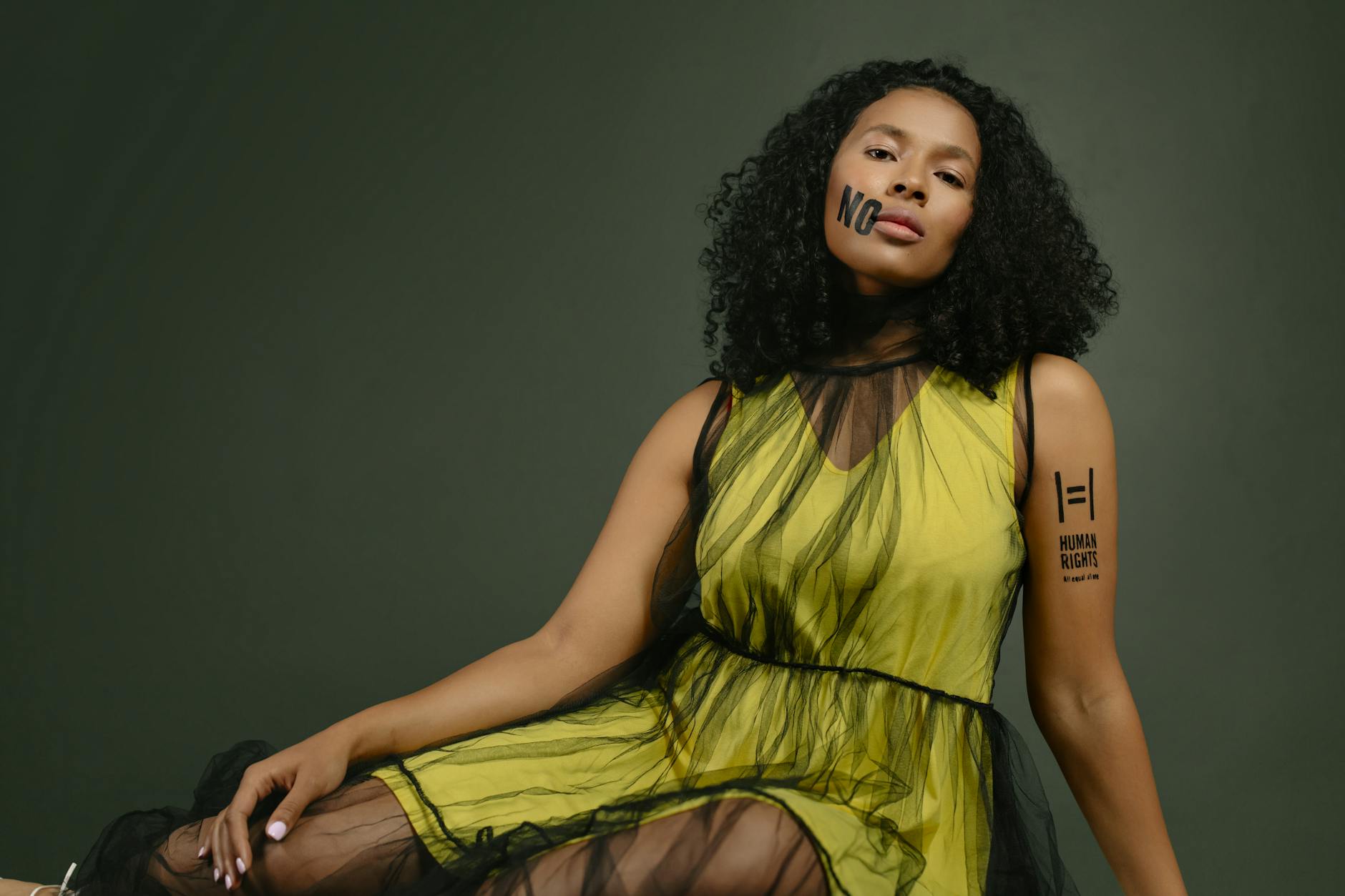
Documenting police encounters serves as a powerful tool for accountability and advocacy. When individuals record interactions, they create tangible evidence that can challenge misconduct and support legal claims. The American Civil Liberties Union (ACLU) reports that bystanders recording police activity has led to increased transparency and accountability in law enforcement. This documentation can be pivotal in exposing patterns of abuse and pushing for systemic change.
Sharing recorded footage with local media outlets or civil rights organizations amplifies the impact. These groups often have the resources and platforms to bring attention to systemic issues. For instance, viral videos of police misconduct have sparked national conversations and led to policy reforms. Individuals should consider sharing their recordings with trusted advocacy groups to maximize their reach and influence.
Documenting encounters also empowers communities to advocate for policy changes. Footage can be used in legislative hearings or community meetings to demonstrate the need for reform. When combined with testimonies and data, recorded evidence becomes a compelling tool for pushing lawmakers to enact meaningful change. This collective effort can lead to stronger protections for citizens and improved policing practices.
Advocacy groups often provide resources and support for individuals looking to document police encounters. These organizations offer guidance on how to record safely and effectively, as well as how to use the footage to advocate for change. By working with these groups, individuals can ensure their documentation has the greatest possible impact. This collaboration strengthens the movement for police accountability and justice.
Knowing your rights and documenting police encounters empowers you to protect yourself and hold authorities accountable. Remember, staying calm, being polite, and recording interactions can make a significant difference. Always keep your phone accessible and ready to record, ensuring you're familiar with your device's camera functions. As communities continue to advocate for transparency and justice, these steps will remain vital in fostering trust and accountability between citizens and law enforcement.
Need this answered for your specific case?
Get a flat-fee consultation with a verified U.S. immigration attorney. Engagement letter on every paid consult.
Related guides
This guide provides general legal information and does not create an attorney–client relationship. Information accurate as of July 2026. Always verify current USCIS guidance before acting.