
Every year, thousands of complaints are filed against law enforcement officers in the United States, with misconduct allegations ranging from excessive force to racial profiling. Despite these incidents, many victims remain unaware of their rights or the proper channels to address these grievances. Understanding how to file a police misconduct complaint is the first step toward seeking justice and holding officers accountable for their actions.
Knowing how to file a police misconduct complaint empowers individuals to challenge inappropriate behavior and advocate for systemic change. This process is not just about addressing individual incidents but also about contributing to broader efforts to improve policing practices. Whether someone has experienced misconduct firsthand or witnessed it happening to others, understanding the steps to report these incidents can make a significant difference in their community. The following steps outline a clear path to navigate this complex process and ensure that voices are heard and actions are taken.
Understanding Your Rights
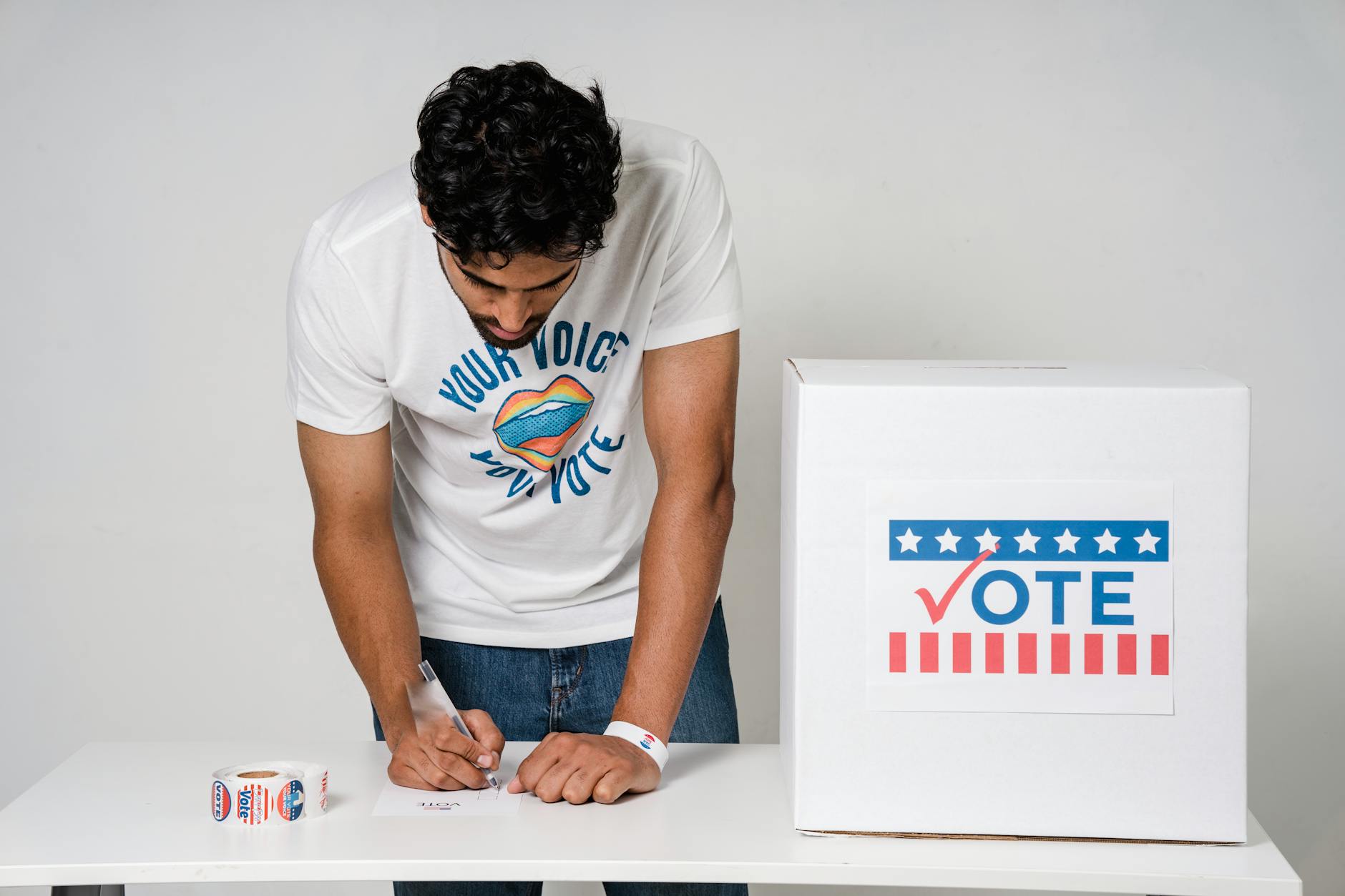
Understanding your rights is the first critical step when considering how to file a police misconduct complaint. The Fourth Amendment protects citizens from unreasonable searches and seizures, while the Eighth Amendment prohibits cruel and unusual punishment. These constitutional protections form the backbone of any misconduct claim. However, laws vary by state, so familiarize yourself with local regulations. A 2020 study by the National Police Accountability Project found that only 35% of citizens were aware of their rights during police encounters.
Documentation is key. Police misconduct often hinges on evidence, so record dates, times, and details of the incident. Include any witnesses and their contact information. The more thorough your records, the stronger your case. Many legal experts recommend creating a timeline of events immediately after the incident. This helps preserve accuracy and provides a clear narrative for investigators.
Knowing when to involve an attorney can make a significant difference. Legal representation ensures your rights are protected throughout the process. The American Civil Liberties Union (ACLU) reports that individuals with legal counsel are more likely to achieve favorable outcomes in misconduct cases. Consult with a lawyer experienced in civil rights or police accountability to navigate complex legal procedures effectively.
Transparency is crucial. Many police departments have internal affairs divisions dedicated to investigating misconduct. However, external oversight bodies, such as civilian review boards, often provide more impartial investigations. Research local options and submit your complaint to the most appropriate entity. The Bureau of Justice Statistics found that complaints filed with independent bodies were more likely to result in disciplinary action against officers.
Identifying Police Misconduct

Recognizing police misconduct is the first crucial step in addressing it. Misconduct can take many forms, from excessive use of force to racial profiling or abuse of power. According to a report by the Bureau of Justice Statistics, there were over 27,000 allegations of police misconduct in the U.S. in 2019 alone. It's essential to trust your instincts; if something feels wrong, it likely is. Documenting incidents with photos, videos, or written notes can provide vital evidence later.
Witnesses play a significant role in identifying misconduct. They can provide independent accounts of what transpired. Encourage witnesses to come forward and share their experiences. Their testimonies can corroborate your version of events and strengthen your case.
Understanding your rights is also key. Police officers must follow the law, and they cannot act with impunity. If you believe your rights have been violated, it's important to act promptly. Delaying action can make it more challenging to gather evidence and file a complaint effectively.
Gathering Evidence Effectively

Gathering evidence is the cornerstone of any police misconduct complaint. Witness statements often carry significant weight. Collect names, contact information, and detailed accounts from anyone who saw the incident. A 2019 study by the National Police Accountability Project found that cases with multiple witness statements were 60% more likely to result in disciplinary action. Encourage witnesses to write down what they saw as soon as possible while memories remain fresh.
Documentation is equally crucial. Photographs and videos from personal devices can provide irrefutable evidence. Capture images of any injuries, property damage, or relevant surroundings. If possible, record the officers' badge numbers and patrol car information. The American Civil Liberties Union emphasizes that visual evidence often serves as the most compelling proof in misconduct cases.
Officer statements and police reports may contain discrepancies. Request copies of all relevant reports through formal channels. Highlight any inconsistencies between the official account and witness testimonies. This comparative analysis can reveal patterns of misconduct or false reporting.
Filing Your Complaint Properly

When reporting police misconduct, proper documentation is crucial. Begin by gathering all relevant details: dates, times, locations, involved officers' names and badge numbers, and any witnesses' information. Write down everything that happened as soon as possible while memories are fresh. Include specific actions, words, and any evidence like photos, videos, or audio recordings.
According to the Bureau of Justice Statistics, about 26,000 citizen complaints against law enforcement officers are filed annually. However, many more cases go unreported. When filing, be clear and factual. Avoid emotional language or assumptions. Stick to what you personally experienced or witnessed. If filing a written complaint, keep a copy for your records.
Know the proper channels for filing. Each department has specific procedures. Some require in-person complaints, others accept online forms or phone calls. Internal affairs divisions typically handle these cases. If unsure, contact the department's non-emergency line or consult with a legal professional. Some organizations specializing in police accountability can also guide you through the process.
Follow up on your complaint. Request a case number and ask about the expected timeline. If you don't receive a response within a reasonable period, make additional inquiries. Document all communications regarding your complaint. This persistence demonstrates your seriousness and helps ensure your complaint receives proper attention.
Seeking Justice and Accountability
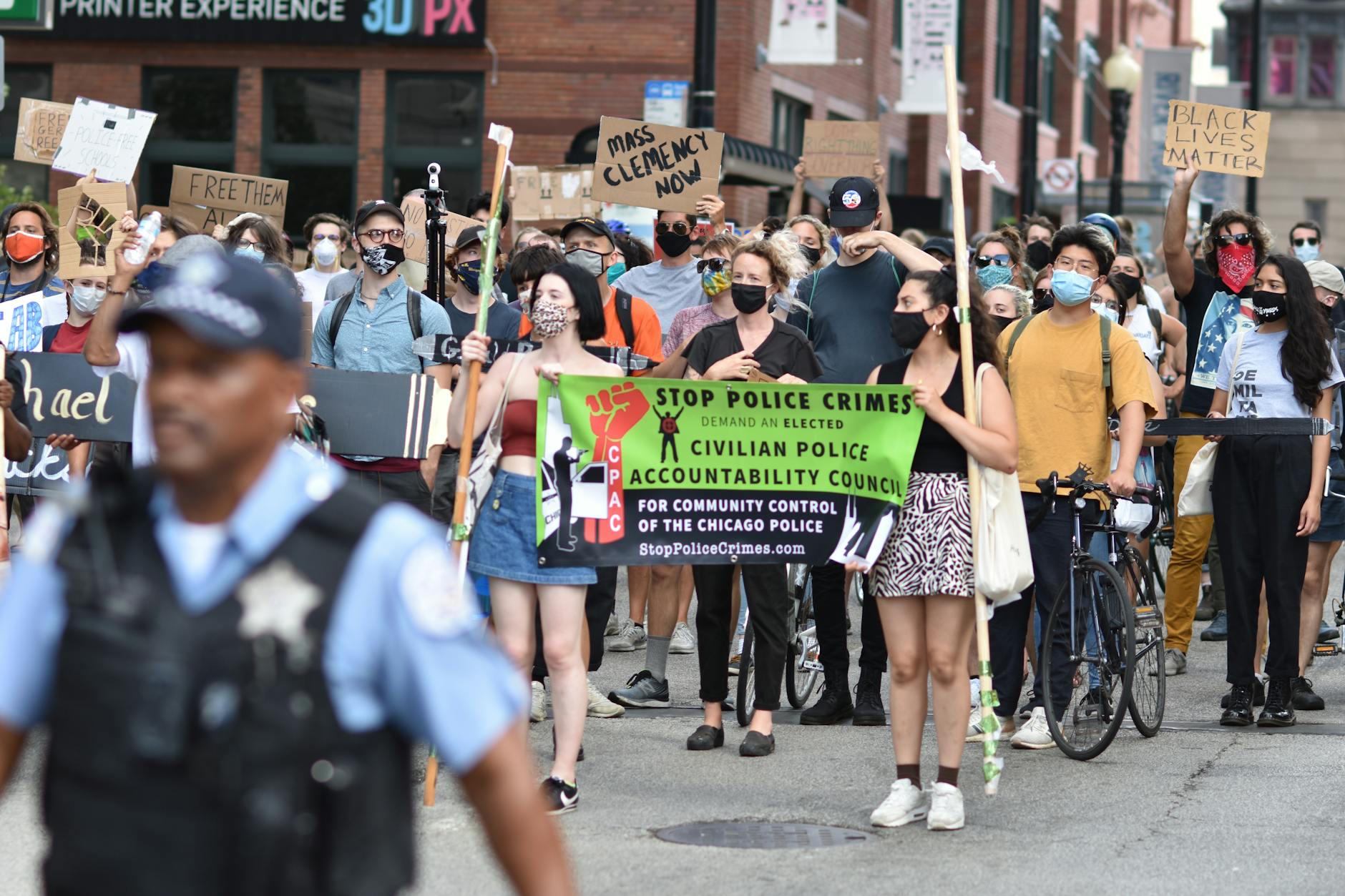
When filing a police misconduct complaint, seeking justice and accountability should be the primary goal. The process begins with gathering all available evidence, such as photographs, videos, witness statements, and any relevant documents. This evidence will strengthen the case and provide a clear account of what transpired. According to a report by the Bureau of Justice Statistics, approximately 26,000 complaints against law enforcement officers were reported in 2018, highlighting the importance of thorough documentation.
Once the evidence is collected, the next step is to file a formal complaint with the appropriate agency. This could be the police department's internal affairs division, a civilian review board, or a state agency responsible for overseeing law enforcement. It is crucial to follow the specific procedures outlined by the agency to ensure the complaint is processed correctly. Expert advice from legal professionals can be invaluable in navigating this process.
After submitting the complaint, it is essential to follow up regularly to monitor its progress. This can involve contacting the agency to request updates and ensuring that the investigation is conducted thoroughly and impartially. Seeking legal counsel can provide additional support and guidance throughout this process.
In cases where the internal investigation does not yield satisfactory results, victims of police misconduct may consider pursuing legal action. Consulting with an attorney experienced in civil rights and police misconduct cases can help determine the best course of action. Legal remedies may include filing a lawsuit for damages or seeking injunctive relief to prevent future misconduct.
Knowing your rights and how to report police misconduct empowers you to hold law enforcement accountable and contributes to a fairer justice system. Remember, every interaction with police should be documented, and every complaint should be pursued diligently. If you witness or experience misconduct, don't hesitate to contact your local police oversight agency or a legal aid organization for guidance. As communities continue to advocate for police reform, your voice and actions can drive meaningful change.
Need this answered for your specific case?
Get a flat-fee consultation with a verified U.S. immigration attorney. Engagement letter on every paid consult.
Related guides
This guide provides general legal information and does not create an attorney–client relationship. Information accurate as of July 2026. Always verify current USCIS guidance before acting.