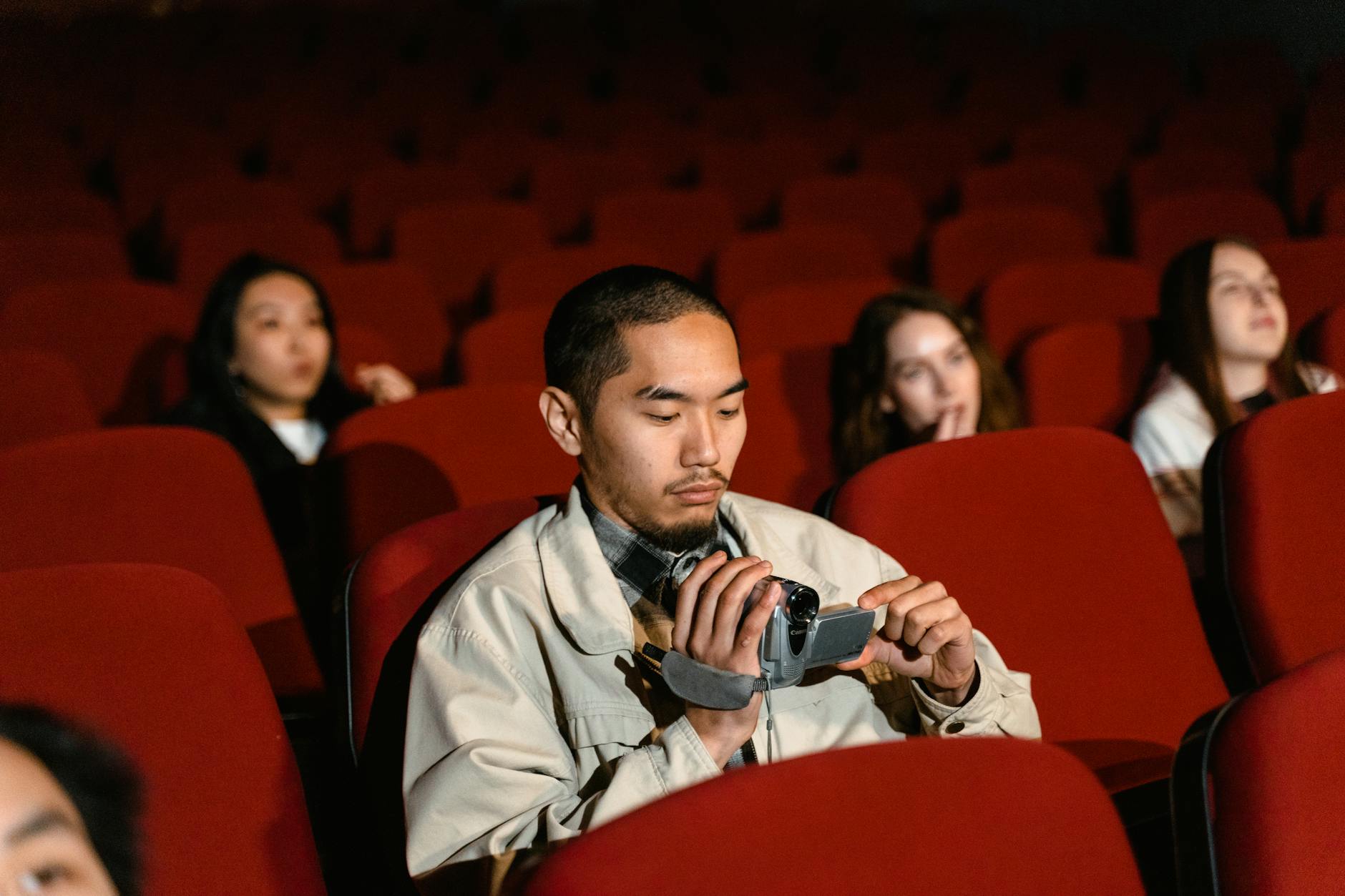
Every day, countless individuals capture moments on their smartphones, cameras, and drones. Yet, many remain unaware of the legal boundaries surrounding public filming. The question "Is it illegal to film in public places?" often arises, but the answer isn't always straightforward.
Understanding the laws governing public filming is crucial for anyone who wants to document events, create content, or simply capture memories. The question "Is it illegal to film in public places?" becomes particularly relevant in an era where citizen journalism and social media sharing are prevalent. Laws vary by location, and what's permissible in one place might not be in another. Knowing these regulations can help individuals avoid legal trouble and respect others' privacy.
Understanding Public Filming Laws

Filming in public places generally falls under the umbrella of freedom of expression and the First Amendment in the United States. However, the legality can become murky depending on the context and intent behind the filming. Public spaces, such as parks, streets, and sidewalks, are typically considered fair game for filming, as they are accessible to everyone and not subject to the same privacy expectations as private property.
According to a Pew Research Center survey, 85% of Americans believe that filming in public places should be allowed, reflecting a broad societal acceptance of this practice. However, legal experts caution that this right is not absolute. For instance, filming near schools, government buildings, or during public events may be restricted to ensure safety and order. Additionally, filming individuals without their consent in public spaces can lead to legal complications, particularly if the footage is used for commercial purposes or causes harm to the subjects' reputations.
Another critical factor is the use of drones for public filming. While drones offer unique perspectives, their use is heavily regulated by the Federal Aviation Administration (FAA). Filming with drones in public spaces often requires permits and adherence to strict safety guidelines. Violations can result in hefty fines and legal consequences. Therefore, it is essential to familiarize oneself with local regulations before deploying drones for public filming.
In some cases, local ordinances may impose additional restrictions on public filming. For example, certain cities have rules against filming in specific areas to protect public safety or cultural heritage sites. It is advisable to check local laws and regulations to avoid unintentional violations. By understanding these nuances, individuals can exercise their right to film in public places responsibly and legally.
When Can Authorities Intervene
Understanding when authorities can intervene in public filming is crucial for both privacy and freedom of expression. Generally, law enforcement can step in if filming disrupts public order, invades reasonable expectations of privacy, or captures sensitive areas like government buildings or military installations. A 2018 study by the National Constitution Center found that 85% of Americans believe filming in public spaces should be allowed, but boundaries exist.
One key factor is the concept of "reasonable expectation of privacy." While public spaces typically offer no such expectation, filming in areas where privacy is expected, such as restrooms or changing rooms, can lead to legal consequences. Authorities may also intervene if filming is used to harass or intimidate individuals, as this can violate anti-stalking or harassment laws.
Additionally, filming near sensitive locations like courthouses or airports may be restricted. Law enforcement can confiscate equipment or arrest individuals if filming compromises security. However, the rules vary by jurisdiction, so it's essential to know local laws. A legal expert from the American Civil Liberties Union emphasizes that while filming is generally protected, understanding context and intent is vital to avoid legal issues.
Best Practices for Filming Publicly

When filming in public places, awareness of surroundings and respect for others' privacy are paramount. Always maintain a reasonable distance from individuals, especially in sensitive locations like hospitals or schools. The American Civil Liberties Union (ACLU) reports that over 80% of public filming disputes arise from perceived invasions of privacy, often due to close proximity.
Be mindful of local laws and regulations. Some cities or states may have specific ordinances regarding filming in public spaces. For instance, certain areas may require permits for commercial filming. Ignorance of these rules can lead to unnecessary conflicts or legal issues.
Document your activities. Keep records of permits, releases, and any interactions with authorities or individuals who object to being filmed. This documentation can be crucial if disputes arise later. Additionally, familiarize yourself with the specific laws in your jurisdiction to ensure compliance.
Respect signs and requests. If a property has "No Filming" signs posted, adhere to them. Similarly, if an individual asks not to be filmed, honor their request unless it interferes with newsworthy or public interest activities. Balancing the right to film with respect for others fosters a positive environment for all.
Protecting Your Rights as a Filmmaker

As a filmmaker, understanding your rights when shooting in public spaces is crucial. The First Amendment generally protects the right to film in public areas, but local laws and private property rules can complicate matters. Filmmakers should familiarize themselves with local ordinances to avoid legal pitfalls. According to the National Press Photographers Association, 85% of legal disputes involving filmmakers in public spaces stem from misunderstandings about permissible activities.
Private property presents a different challenge. While public spaces are generally accessible, private property owners can restrict filming. Always seek permission before filming on private land. This simple step can prevent costly legal battles and ensure a smooth production process. Respecting property rights also fosters goodwill within the community, which can be beneficial for future projects.
Documenting interactions with law enforcement is another critical aspect. Filmmakers have the right to record police activity in public spaces, but officers may approach if they suspect illegal activity. Remain calm and polite, and know your rights. The American Civil Liberties Union provides resources and guidance on dealing with law enforcement during filming.
Understanding the legal landscape is just the first step. Filmmakers should also consider ethical implications. Respecting privacy and obtaining releases from individuals featured in footage can prevent legal issues and maintain the integrity of the project. Ethical filming practices build trust and enhance the overall quality of the work.
The Future of Public Filming Regulations
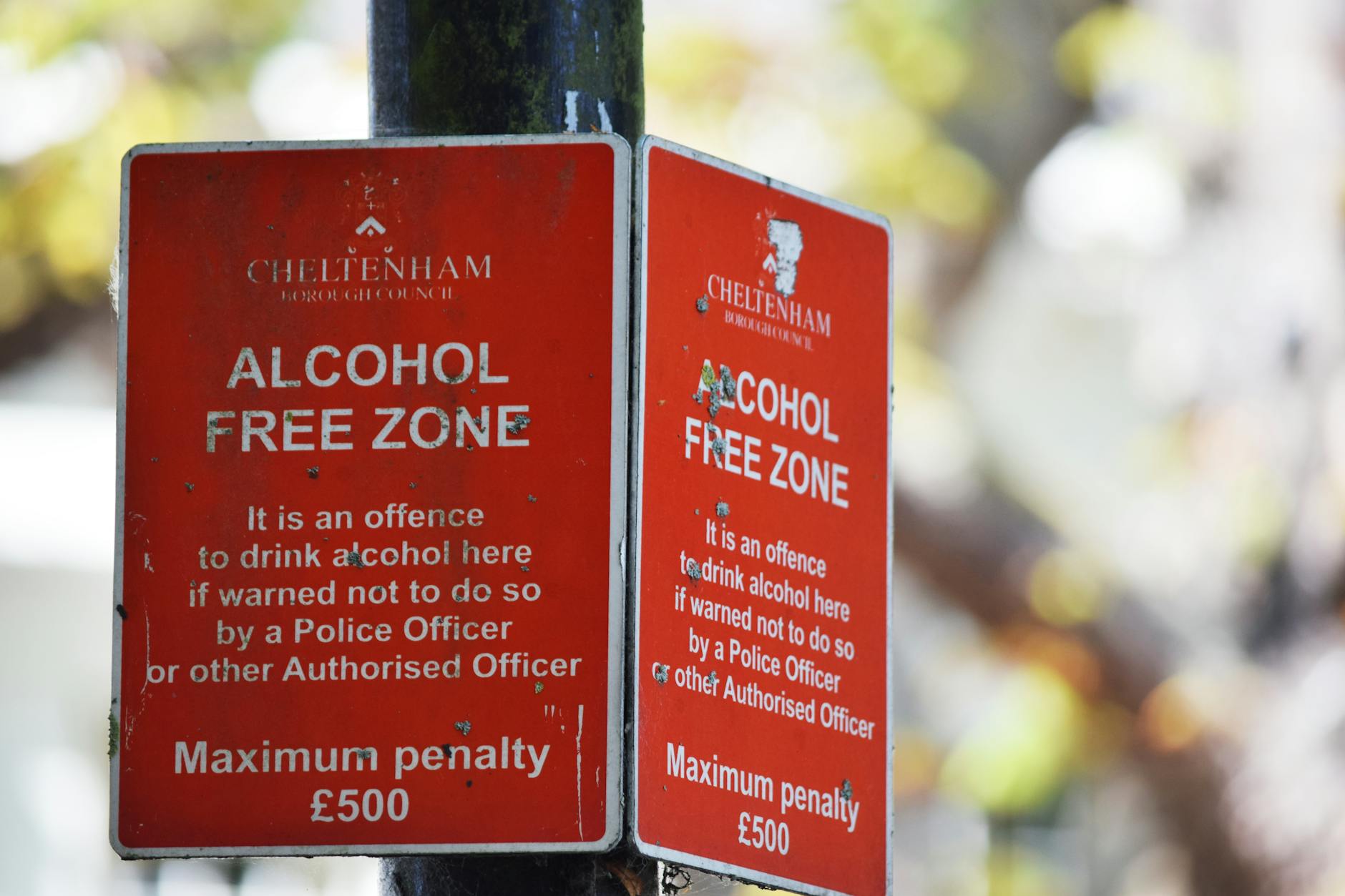
As technology evolves, so too do the regulations surrounding public filming. Lawmakers worldwide are grappling with how to balance privacy rights with the public's right to document events. The future of these regulations will likely see increased clarity and specificity, as courts continue to interpret existing laws in the context of new technologies like drones and body cameras.
Experts predict a rise in location-specific regulations. For instance, some cities may implement stricter rules around filming in crowded areas during large events. According to a 2022 study by the National Institute of Justice, 68% of Americans support increased regulations on public filming in certain contexts, such as near schools or government buildings.
Another trend is the potential for increased penalties for misuse of footage. As deepfake technology advances, laws may evolve to hold individuals accountable for altering or misusing publicly filmed content. This could include stricter penalties for defamation or invasion of privacy cases involving manipulated footage.
Ultimately, the future of public filming regulations will depend on ongoing dialogue between lawmakers, technology companies, and the public. As new technologies emerge, so too will the need for updated laws that protect both privacy and free expression.
Understanding your rights when filming in public spaces empowers you to document life while respecting others' privacy. Generally, you can record in public areas without permission, but laws vary by location and context. The key lies in being informed and considerate. Always research local regulations before filming, and when in doubt, seek permission or consult legal resources. As technology and laws evolve, staying updated ensures you continue to capture moments responsibly and legally.
Need this answered for your specific case?
Get a flat-fee consultation with a verified U.S. immigration attorney. Engagement letter on every paid consult.
Related guides
This guide provides general legal information and does not create an attorney–client relationship. Information accurate as of July 2026. Always verify current USCIS guidance before acting.