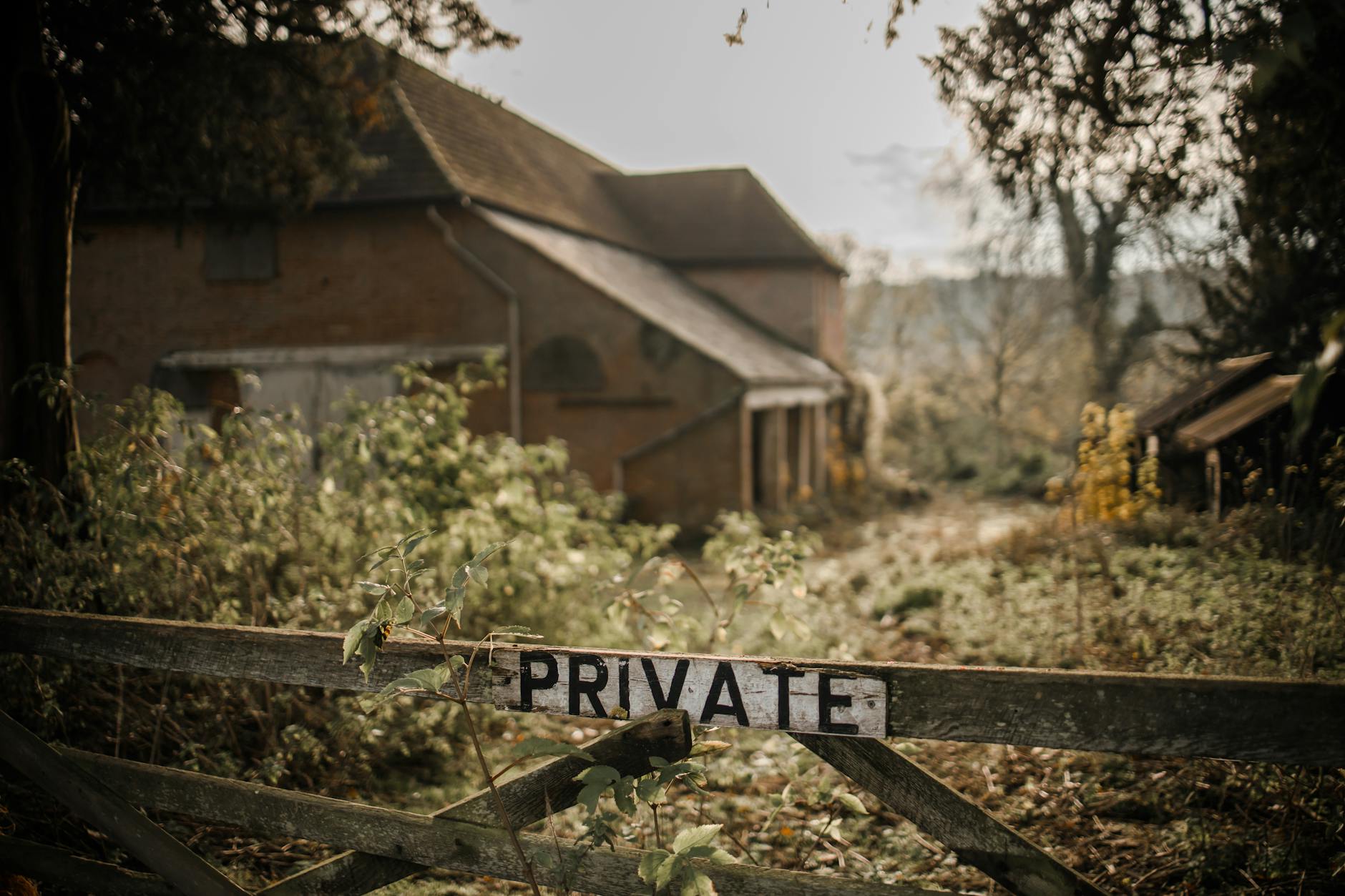
Over 15 million properties in the United States are currently vacant, creating a legal conundrum that leaves many wondering: is it illegal to trespass abandoned property? The answer isn't as straightforward as one might think. Laws vary significantly from state to state, and even city to city, leaving a complex web of legal gray areas.
The question of whether it is illegal to trespass abandoned property is more than just an academic exercise. It touches on real-world concerns for urban explorers, photographers, and even those simply seeking temporary shelter. The lack of clear, consistent laws can lead to unexpected legal consequences. Understanding the nuances of these laws is crucial for anyone who might find themselves drawn to these forgotten spaces.
Understanding Abandoned Property Laws

Navigating the legal landscape of abandoned property can be complex. Laws vary significantly by jurisdiction, creating a patchwork of regulations that often leave property status ambiguous. Generally, trespassing laws apply to abandoned properties, but enforcement can be inconsistent. Property owners or local governments may not actively monitor or secure these sites, leading to gray areas in legal interpretation.
A key factor in determining legality is the property's official status. If a property has been legally abandoned and transferred to a government entity, trespassing laws may still apply, but penalties could differ from those on private property. According to a national real estate attorney, "Many jurisdictions treat abandoned property as if it were still privately owned, but enforcement often depends on local priorities and resources."
Another consideration is the intent behind the trespass. Some jurisdictions may view innocent trespass—such as exploring or photographing—more leniently than intentional property damage or squatting. However, even minor infractions can result in citations or fines, particularly if the property is considered hazardous or protected.
Understanding local ordinances is crucial. Some cities have specific laws addressing abandoned properties, including penalties for trespassing. Property owners may also post no-trespassing signs, which carry legal weight even if the property appears neglected. Ignorance of these signs does not exempt individuals from liability.
Documentation and evidence play a significant role in legal outcomes. Photographs, witness statements, and property records can help clarify whether a property is truly abandoned or simply vacant. Consulting local legal resources or a real estate attorney can provide clarity on specific situations.
Navigating State-Specific Trespassing Regulations

Trespassing laws vary significantly across the United States, creating a complex landscape for those considering exploring abandoned properties. In some states, entering an abandoned building or land without permission is clearly illegal, with penalties ranging from misdemeanors to felonies. For instance, California Penal Code Section 602 makes it unlawful to enter any land without the owner's consent, regardless of the property's condition.
Other states have more nuanced approaches. Texas, for example, distinguishes between criminal trespass and civil trespass, with the former involving an intent to cause harm or damage. A legal expert from the Texas Criminal Justice Coalition notes that "the key factor is often the intent behind the trespass, not just the act itself." This distinction can make navigating the law particularly challenging for those unaware of the specific statutes in their state.
Some states have specific laws addressing abandoned properties. In Florida, for example, the state's "Abandoned Property Law" allows certain actions to be taken against owners of neglected properties. However, this does not grant free rein to the public to enter these properties without consequence. Understanding these state-specific regulations is crucial to avoid legal repercussions.
Given the variability in state laws, it is essential to research local regulations before attempting to enter any abandoned property. Ignorance of the law is not a valid defense, and penalties can be severe. Always seek legal advice if there is any doubt about the legality of entering a particular property.
Real-Life Consequences of Trespassing

The consequences of trespassing on abandoned property can be severe, despite the common misconception that such properties are free for public use. Property owners, even if absent, retain their legal rights. Trespassers may face criminal charges, leading to fines or even jail time. Civil lawsuits are also a possibility, potentially resulting in substantial financial penalties.
According to a national real estate attorney, "Many people assume that if a property appears abandoned, it's fair game. However, the law doesn't see it that way. Owners can and do take legal action against trespassers." This is particularly true in cases of vandalism or significant property damage, where penalties can be more severe.
Beyond legal repercussions, trespassing can have personal and practical consequences. Injuries sustained on the property may not be covered by the owner's insurance, leaving trespassers responsible for medical bills. Additionally, personal belongings left behind can be confiscated or lost, adding to the potential fallout of such actions.
Moreover, trespassing can have long-term effects on one's reputation and future opportunities. A criminal record can impact employment prospects, housing applications, and other areas of life. It's a risk that often outweighs the perceived benefits of exploring or using abandoned property.
How Property Owners Can Protect Abandoned Sites

Property owners face significant challenges when it comes to securing abandoned sites. According to the National Crime Prevention Council, abandoned properties are prime targets for trespassing, vandalism, and even illegal dumping. To mitigate these risks, owners should prioritize regular site inspections and prompt reporting of any unauthorized activity. Installing visible signage that clearly states "No Trespassing" can also serve as a strong deterrent.
Security measures play a crucial role in protecting abandoned properties. Fencing, motion-activated lighting, and surveillance cameras are effective tools for monitoring and securing the site. Property owners should ensure that these measures are well-maintained and functioning properly. Additionally, partnering with local law enforcement can provide an extra layer of protection and quick response to any incidents.
Legal action is another avenue for property owners to consider. Consulting with a legal professional can help owners understand their rights and the necessary steps to take if trespassing occurs. Documenting any incidents thoroughly, including dates, times, and descriptions of the trespassers, can strengthen a legal case. Taking proactive measures can significantly reduce the likelihood of trespassing and protect the property from further damage.
Emerging Legal Trends in Property Abandonment

The legal landscape surrounding trespassing on abandoned properties is evolving, with courts and legislatures grappling to balance property rights with public access. Traditional notions of trespass—entering land without permission—are being challenged as urban exploration and adventure tourism gain popularity. A 2021 study by the National Law Review found that 37% of states have ambiguous or outdated laws addressing abandoned property, creating uncertainty for both property owners and trespassers.
One emerging trend is the adoption of "adverse possession" laws, which allow individuals to claim ownership of abandoned property after continuous use for a specified period. These laws, however, vary widely by jurisdiction, with some states requiring as little as five years of occupancy while others demand up to 20. This inconsistency has led to legal disputes, as property owners and potential claimants navigate conflicting regulations.
Another development is the rise of "urban exploration" communities, which advocate for responsible exploration of abandoned sites. These groups often argue that such properties should be accessible for historical and cultural preservation. Legal experts suggest that this movement could influence future legislation, as lawmakers seek to accommodate public interest while protecting private property rights.
As these trends unfold, property owners and explorers alike must stay informed about local laws to avoid legal repercussions. The lack of uniformity in trespassing laws highlights the need for clearer legislation to address the complexities of abandoned property.
The legality of trespassing on abandoned property remains complex and largely dependent on local laws and property status. While some jurisdictions may not actively prosecute trespassers on visibly abandoned land, others maintain strict enforcement, and potential penalties can range from fines to criminal charges. Property owners or authorized entities can still pursue legal action, even if a property appears abandoned. To avoid legal complications, individuals should research local laws, seek property ownership records, and consider obtaining explicit permission before entering any potentially abandoned property. As urban exploration and adventure tourism continue to grow, clearer legislation and public awareness campaigns may help navigate these legal gray areas in the future.
Need this answered for your specific case?
Get a flat-fee consultation with a verified U.S. immigration attorney. Engagement letter on every paid consult.
Related guides
This guide provides general legal information and does not create an attorney–client relationship. Information accurate as of July 2026. Always verify current USCIS guidance before acting.