
The first week in prison is a challenging and transformative experience for first-time offenders, setting the tone for the months and even years that follow. According to a study by the Pew Research Center, nearly 70% of inmates in the United States are serving time for non-violent crimes, with many entering the prison system for the first time as a result of a single arrest. The harsh reality of life behind bars can be overwhelming, leaving new inmates to navigate a complex web of rules, routines, and social hierarchies.
For those who have never experienced prison life firsthand, it's difficult to imagine the emotional and psychological toll of being locked away from family, friends, and the outside world. But for first-time offenders, the reality of life behind bars is all too real. What is the first week in prison like? It's a time of disorientation, adjustment, and often, desperation. As new inmates struggle to find their footing, they must confront the harsh realities of prison life, from overcrowding and poor living conditions to limited access to education and job training. What is the first week in prison like? For those who have been there, the answer is a story of resilience, survival, and transformation.
Arrival and Initial Processing

The first week in prison is a challenging experience for first-time offenders. It begins with arrival and initial processing, a series of procedures designed to assess the individual's needs and allocate them to an appropriate facility.
Upon arrival, inmates are typically processed through a series of stations, where they provide biographical information and undergo physical exams. This process can take several hours, during which time they may be searched, fingerprinted, and photographed. The majority of first-time offenders are placed in a reception center, where they are held for a short period before being assigned to a permanent facility.
The reception center provides a taste of prison life, where inmates are introduced to the rules and routines that govern daily life. They are also given an opportunity to meet with a counselor or psychologist who assesses their mental health and identifies any potential issues that may require attention.
According to the Bureau of Justice Statistics, approximately 70% of state prisoners have a mental health problem. Prison officials are often working to provide the necessary support and resources to address these issues, but the process can be slow and inadequate.
Struggles of Adjustment and Isolation

The first week in prison is often a blur of confusion and disorientation for first-time offenders. They are subjected to a rigid routine and strict rules, which can be overwhelming.
The initial days are spent filling out paperwork, undergoing medical screening, and receiving a prison uniform. New inmates are also expected to adapt quickly to the absence of personal freedom, which can be a difficult adjustment. As one study found, approximately 75% of prisoners experience some form of mental health issues within the first year of incarceration.
Their isolation from family and friends can be a significant source of stress. Prison visits are usually limited to a few hours a week, and phone calls are often restricted. The lack of social interaction and human connection can exacerbate feelings of loneliness and despair.
As inmates settle into the routine, they begin to form relationships with their cellmates and fellow prisoners. These connections can provide a sense of comfort and support, helping to alleviate the emotional pain of being incarcerated. However, even these relationships are often fraught with tension and mistrust.
Practicalities of Daily Life Behind Bars

The first week in prison is a tumultuous experience for first-time offenders, marked by confusion, anxiety, and adjustment to a strict routine. Upon arrival, inmates are typically strip-searched, fingerprinted, and photographed, before being issued a uniform and assigned a cell. This initial process can be overwhelming, with an estimated 75% of inmates experiencing some form of psychological distress within the first few days of incarceration.
Life behind bars revolves around a strict schedule, with daily activities governed by a bell system. Inmates are expected to be in their cells by 9 PM, with lights out at 10 PM. Meals are served at set times, and social interactions are limited to designated periods. This rigid structure can be difficult for those accustomed to a more flexible lifestyle, leading to feelings of isolation and disorientation.
The days blend together in a haze of monotony, with little opportunity for personal expression or freedom. Despite the harsh conditions, some inmates find solace in the camaraderie of fellow inmates, forming tentative bonds and support networks. These relationships can provide a vital lifeline during a time of immense stress and uncertainty.
Dealing with Confinement and Mental Health
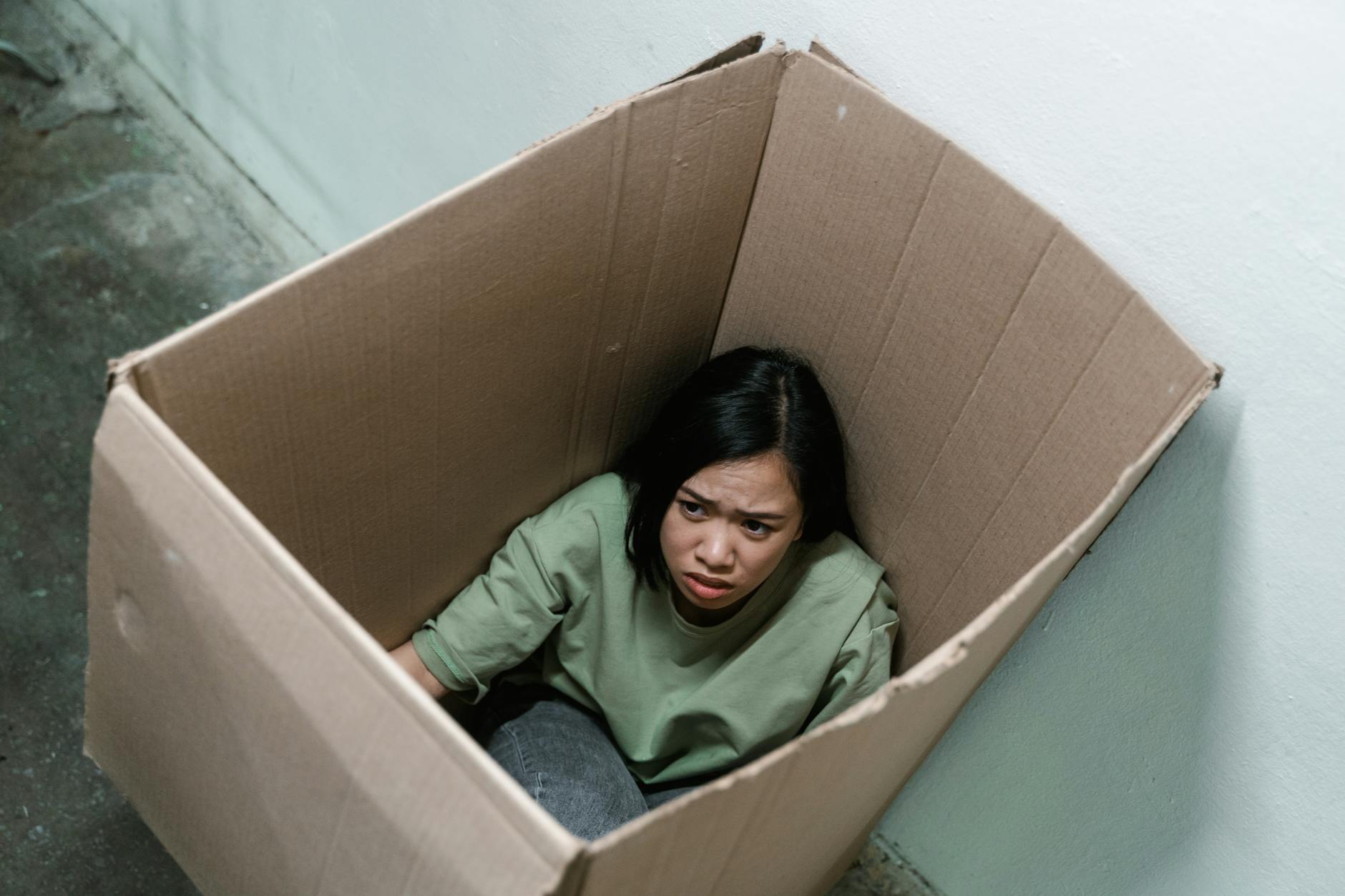
The first week in prison is a tumultuous experience for first-time offenders, marked by intense emotional highs and lows. Initial shock and disorientation give way to a mix of anxiety, fear, and despair, as individuals struggle to come to terms with their new surroundings.
According to research, up to 75% of prisoners experience some form of mental health issue during their incarceration, with many reporting symptoms of depression, anxiety, and post-traumatic stress disorder (PTSD) within the first few weeks of their sentence.
For many, the most daunting challenge is adjusting to the stark realities of prison life. Gone are the comforts of home, replaced by stark cells, meager meals, and strict rules. Every aspect of life is now subject to institutional scrutiny, leaving little room for personal freedom or autonomy.
Sleep patterns are disrupted, as the constant noise and interruptions make it difficult to relax. Food is often a source of contention, with many prisoners complaining about the quality and quantity of meals. As the days blend together, it's easy to lose track of time, leaving prisoners feeling disconnected from the outside world.
Rebuilding Lives After the First Week

Prisoners typically spend the first week in a state of shock, struggling to adjust to the harsh realities of life behind bars. The initial days are often a blur of confusion, fear, and disorientation. As they navigate the unfamiliar surroundings, they must confront the loss of their freedom and the uncertainty of their future.
The routine of prison life quickly becomes apparent. Inmates are woken up at 6 am for count, a daily roll call that dictates their every move. They are then fed a nutritional meal, often consisting of institutional food that lacks flavor and variety. The monotony of prison life begins to sink in, with limited opportunities for physical activity and social interaction. According to the Bureau of Justice Statistics, approximately 60% of first-time offenders experience some form of mental health issue during their incarceration.
Upon arrival, new inmates are often placed in a holding cell, where they undergo a series of assessments and interviews. These sessions aim to identify potential security risks and determine the individual's suitability for various programs and services. As the first week progresses, inmates begin to establish a routine, but the harsh conditions and strict rules can be overwhelming. Even the most hardened offenders often comment on the initial difficulties of adjusting to prison life.
The first week in prison is a harrowing experience for first-time offenders, marked by disorientation, fear, and a struggle to adapt to the harsh realities of life behind bars. For those who have never faced incarceration, the transition can be overwhelming, leaving them feeling lost and vulnerable in a system that often seems designed to break the human spirit. As a result, it is essential for correctional facilities to provide comprehensive support and resources to help new prisoners navigate this difficult period, including access to counseling, education, and job training programs. By doing so, they can help first-time offenders build a foundation for rehabilitation and ultimately reintegrate into society as productive and law-abiding citizens, with a renewed sense of purpose and hope for a brighter future.
Need this answered for your specific case?
Get a flat-fee consultation with a verified U.S. immigration attorney. Engagement letter on every paid consult.
Related guides
-
Sanctions on Juvenile Offenders Cut Recidivism Rate by 27% in First Year
7 min read · May 13, 2026
-
Federal Court Rules Graduated Sanctions Can Reduce Recidivism by 30% in Prisons
6 min read · May 13, 2026
-
Four-Year Prison Sentence for Man Convicted of 12 Technical Violations of Probation
6 min read · May 11, 2026
This guide provides general legal information and does not create an attorney–client relationship. Information accurate as of July 2026. Always verify current USCIS guidance before acting.