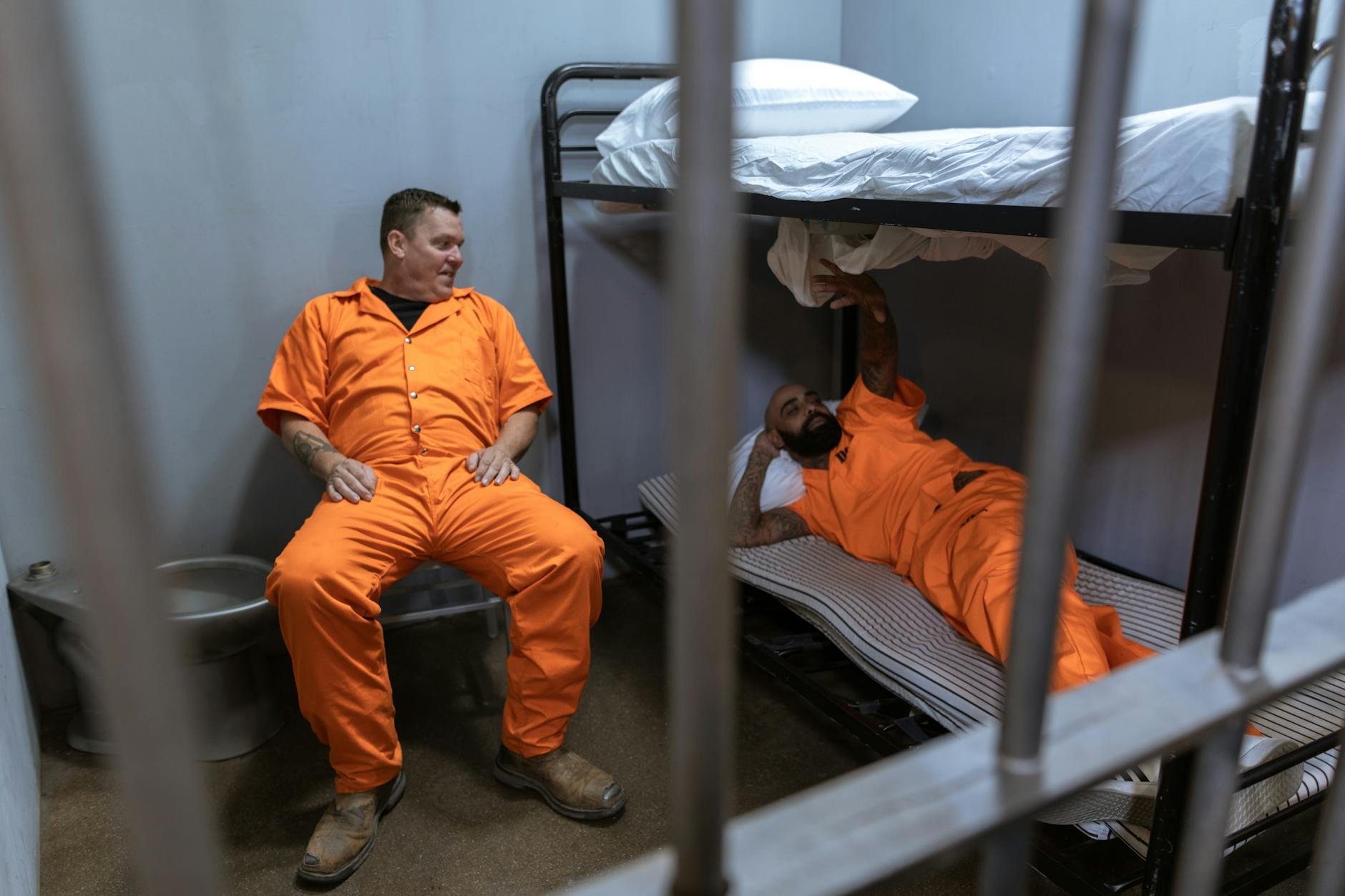
Life Inside Low-Security Federal Prison Facilities Housing Over 10,000 Inmates
The United States federal prison system is home to over 10,000 inmates housed in low-security facilities, offering a glimpse into a unique correctional environment. Minimum security prisons, with their relatively relaxed rules and open layouts, provide an interesting contrast to the more restrictive maximum security institutions. What Is Minimum Security Prison Like? For those interested in understanding the nuances of the US correctional system, a closer look at these facilities can offer valuable insights.
Minimum security prisons are often designed to rehabilitate rather than punish, with an emphasis on providing inmates with opportunities for education, job training, and counseling. As a result, inmates in these facilities are often free to engage in a range of activities, from participating in vocational programs to exercising in outdoor yards. With a focus on preparing inmates for life after release, minimum security prisons aim to provide a supportive environment that fosters growth and rehabilitation.
Inside the Walls of Minimum Security Federal Prisons
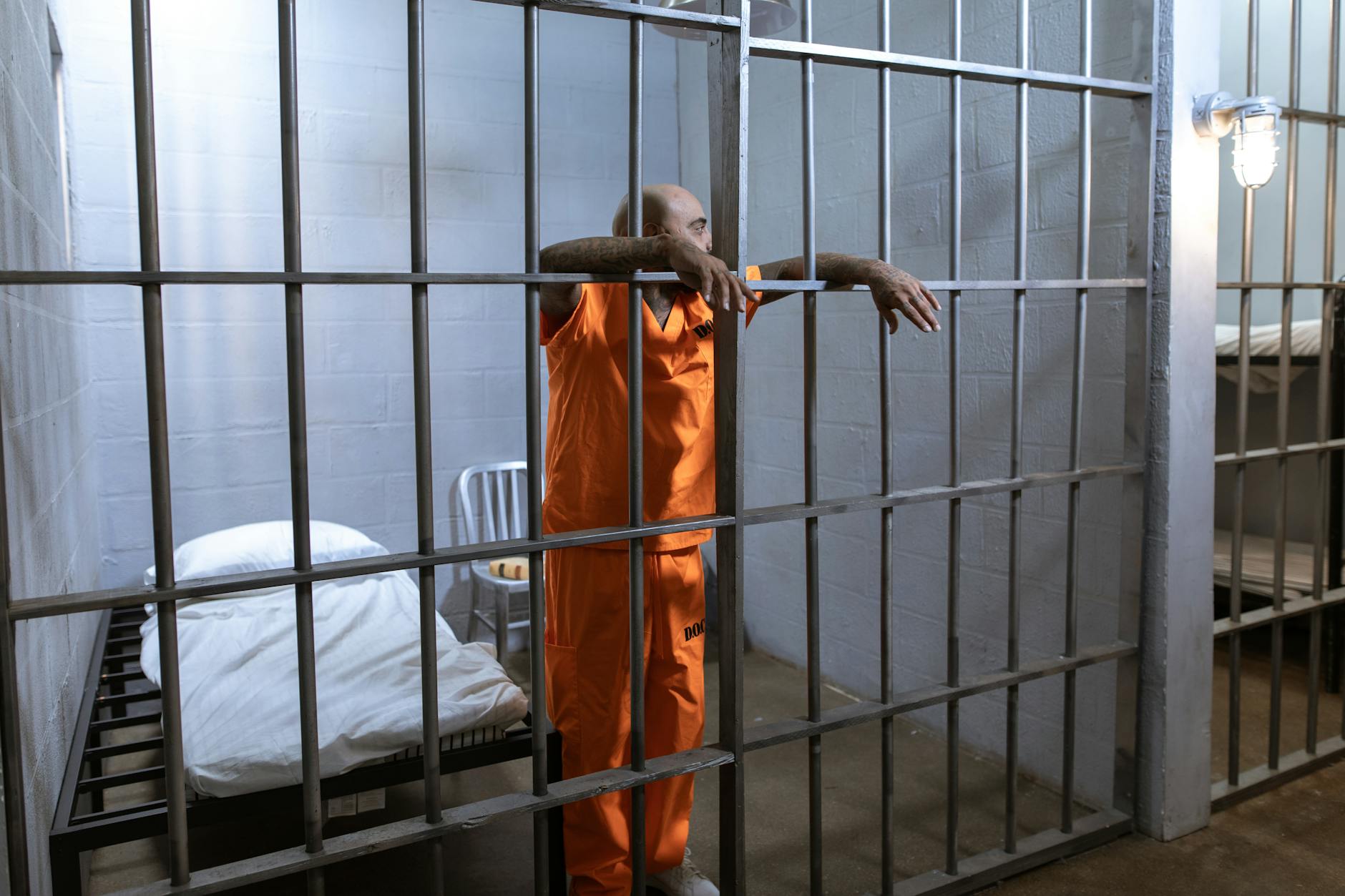
Minimum security federal prisons are designed to provide a relatively comfortable and safe environment for inmates who are considered low-risk. These facilities typically house around 1,500 inmates, which allows for a more personalized approach to rehabilitation.
Prisoners in minimum security prisons are usually allowed to participate in work programs, education classes, and counseling sessions. They often have access to recreational facilities, such as sports fields, libraries, and exercise rooms. Inmates who demonstrate good behavior may also be eligible for privileges like furloughs or work-release programs.
Research has shown that participation in these types of programs can significantly reduce recidivism rates. According to a study by the Bureau of Justice Statistics, inmates who participated in vocational training programs were 25% less likely to reoffend compared to those who did not participate.
A Day in the Life of a Minimum Security Prisoner
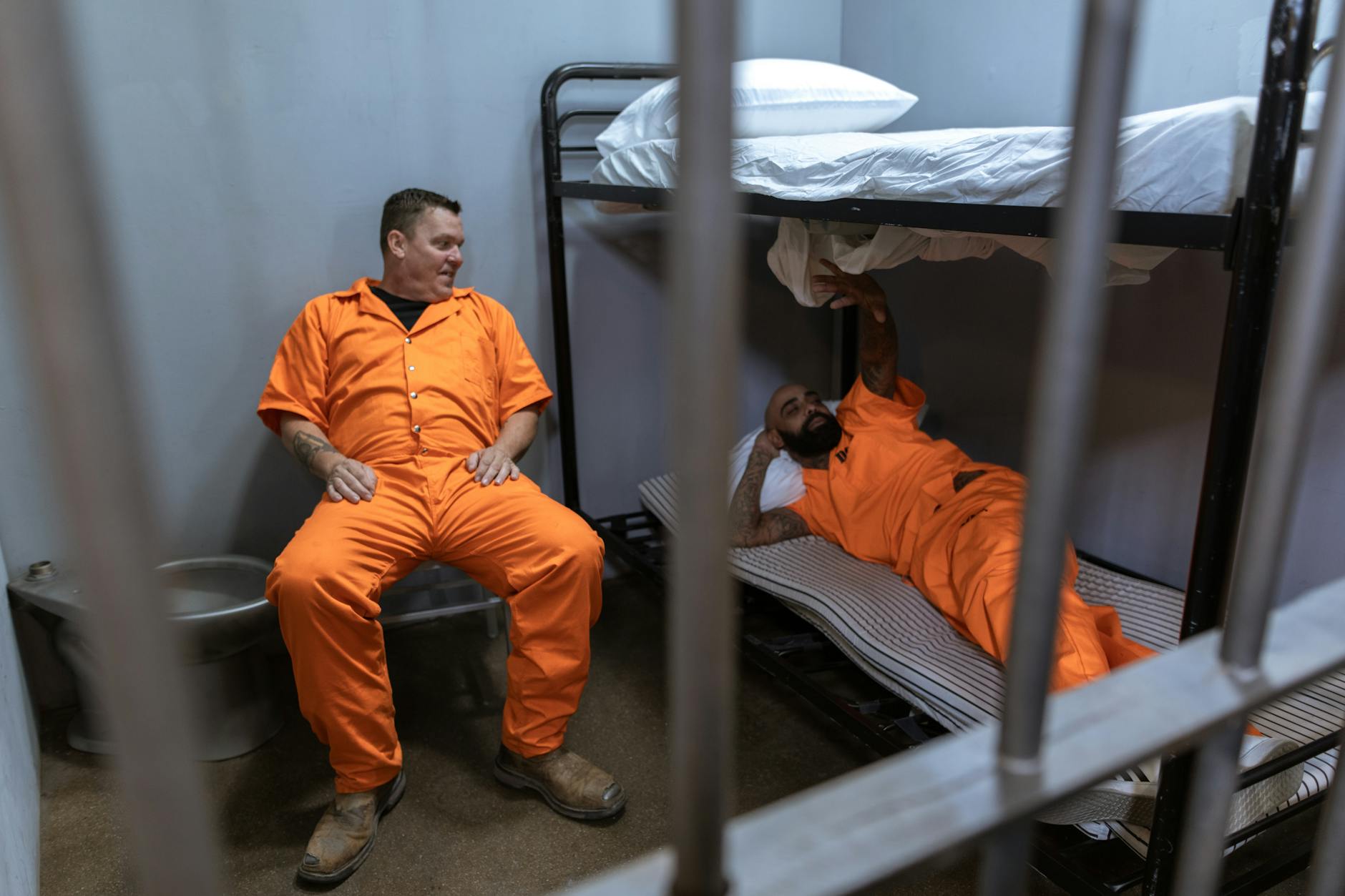
Prisoners in minimum security facilities are assigned to work release programs or participate in educational and job training activities as part of their daily routine. They typically reside in dormitories with shared living spaces and have access to basic amenities, including a cafeteria, library, and recreational areas.
The daily schedule for a minimum security prisoner usually begins with breakfast and a morning count, where all inmates are accounted for. They then attend various programs or participate in work release, which may include jobs in the prison's kitchen, laundry, or maintenance departments. The Bureau of Prisons reports that more than 70% of minimum security inmates participate in work release programs.
One of the primary goals of minimum security facilities is to provide inmates with the skills and support necessary for successful reentry into society upon release. Inmates are encouraged to participate in educational and job training programs, which can include vocational training, GED preparation, and counseling services.
Rehabilitation and Reintegration in a Controlled Environment

Low-security federal prison facilities, like those housing over 10,000 inmates, are designed to provide a controlled environment for rehabilitation and reintegration. The primary aim is to equip prisoners with the skills and mindset necessary for a successful life outside the prison walls.
Prisoners are generally housed in dormitories, with shared living spaces and amenities. This setup promotes socialization and encourages inmates to take responsibility for their actions. The facilities also offer a range of programs, including counseling, vocational training, and job placement services. According to the US Bureau of Prisons, inmates in low-security facilities have a 35% lower recidivism rate compared to those in medium- or high-security facilities.
Life inside a minimum security prison facility is often structured around daily routines and activities. Inmates typically wake up early, attend morning roll-call, and participate in various programs or work assignments throughout the day. Recreational activities, such as exercise and sports, are also available to promote physical and mental well-being. While the daily rhythm can be predictable, the goal is to provide a supportive environment that fosters personal growth and self-improvement.
The rehabilitation process also involves education and job training, which are critical components of reintegration. Many prisoners take advantage of these programs to acquire new skills and improve their employability. By the time they are released, they have a better chance of securing a job and reintegrating into society. This structured approach helps to equip inmates with the tools necessary to lead a productive life.
Practical Skills Learned Behind Bars
The daily routine of a minimum security federal prison is one of structured activities and limited freedoms. Inmates typically wake up at 6:00 AM and begin their day with a 30-minute exercise period. This allows them to maintain a basic level of physical fitness, which is essential for their overall health.
The structured program includes education and job training sessions, which cater to the diverse skills and interests of the inmates. According to the Federal Bureau of Prisons, approximately 30% of inmates in minimum security facilities participate in vocational training, which prepares them for a life outside of prison after their release. These programs provide inmates with valuable skills and certification, increasing their chances of securing employment upon release.
Inmates are also encouraged to engage in creative pursuits, such as reading, writing, and art, which help to maintain their mental health and well-being. The prison library is well-stocked with a variety of books, and many inmates participate in writing workshops and creative writing classes. This outlet allows them to express themselves and maintain a sense of purpose during their incarceration.
Despite the opportunities available, life in a minimum security prison can still be challenging, with limited access to basic amenities and privileges. Inmates are subject to regular searches and monitoring, and any infractions can result in disciplinary actions. The overall experience is designed to prepare inmates for a successful reintegration into society upon their release.
Preparing for Life After Prison Walls
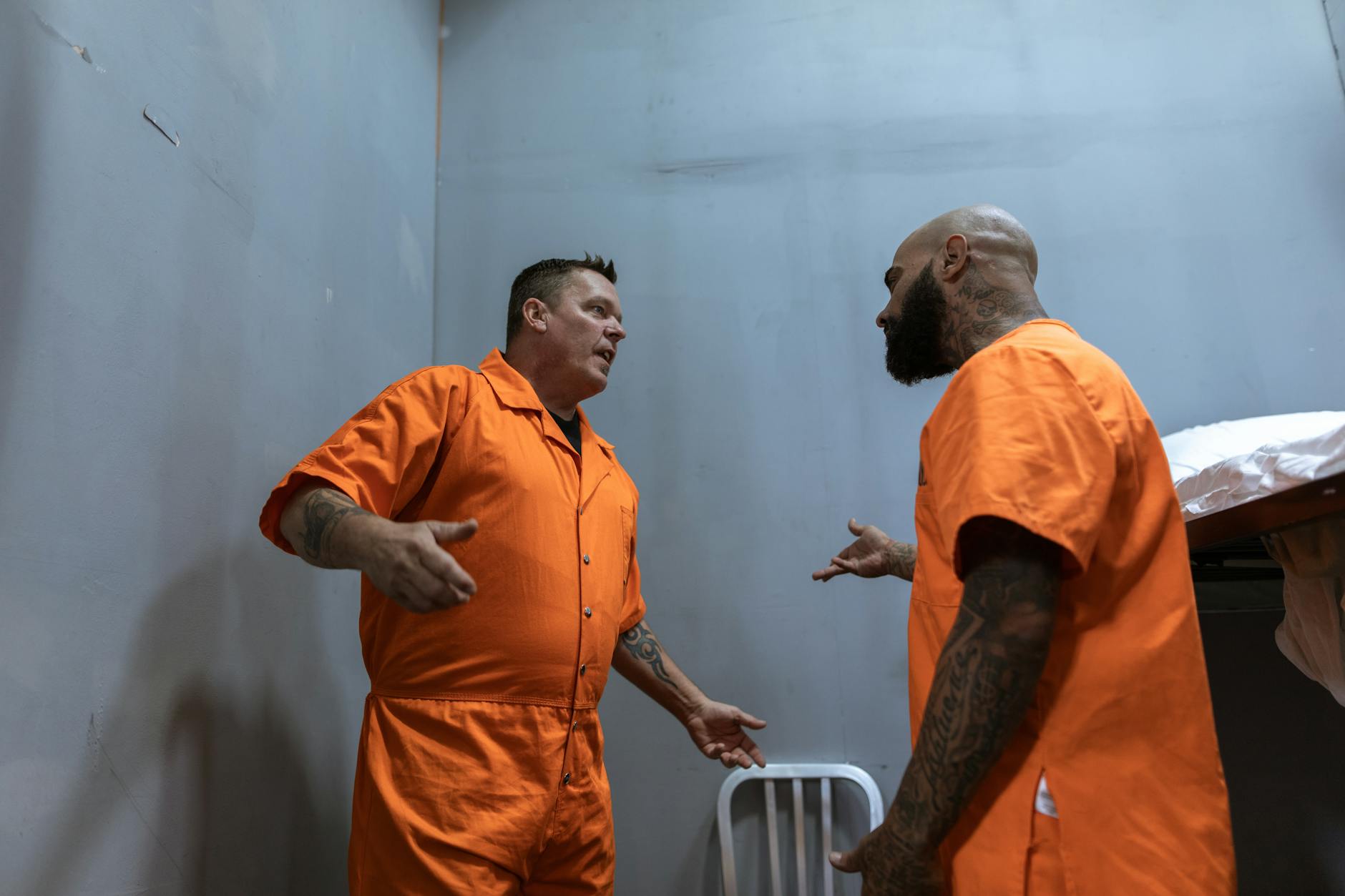
Life inside a minimum security federal prison facility is designed to be less restrictive than higher-security institutions, with the primary goal of preparing inmates for life outside the prison walls.
Inmates living in minimum security facilities are typically assigned to shared or dormitory-style housing, with access to basic amenities such as shared bathrooms, kitchen facilities, and recreational areas. According to the Federal Bureau of Prisons, approximately 70% of minimum security inmates participate in some form of vocational training or educational program.
Minimum security prisons often have more lenient rules than higher-security facilities, allowing inmates to participate in community service projects, attend educational classes, or even work outside the prison grounds. This structured environment is meant to provide inmates with the skills and support they need to reintegrate into society after their release.
As inmates progress through the minimum security program, they are gradually granted more privileges, such as increased freedom of movement and access to private living quarters. This structured approach is designed to help inmates build confidence and develop the skills necessary for successful reentry into society.
Life inside minimum-security federal prison facilities is a far cry from the harsh realities often portrayed in media. Low-security prisons, which house over 10,000 inmates, offer a relative sense of normalcy, with inmates enjoying access to communal living, shared kitchen facilities, and even on-site employment opportunities.
Inmates can make the most of their time by engaging in vocational training programs, GED preparation, or counseling services, which can significantly improve their chances of rehabilitation and successful reintegration into society upon release. By taking advantage of these opportunities, inmates can acquire essential skills and build a more stable future. With ongoing efforts to reform the prison system, it's likely that minimum-security facilities will become even more focused on supporting inmates' personal growth and rehabilitation, paving the way for a more effective and compassionate approach to correction.
Need this answered for your specific case?
Get a flat-fee consultation with a verified U.S. immigration attorney. Engagement letter on every paid consult.
Related guides
-
Sanctions on Juvenile Offenders Cut Recidivism Rate by 27% in First Year
7 min read · May 13, 2026
-
Federal Court Rules Graduated Sanctions Can Reduce Recidivism by 30% in Prisons
6 min read · May 13, 2026
-
Four-Year Prison Sentence for Man Convicted of 12 Technical Violations of Probation
6 min read · May 11, 2026
This guide provides general legal information and does not create an attorney–client relationship. Information accurate as of July 2026. Always verify current USCIS guidance before acting.