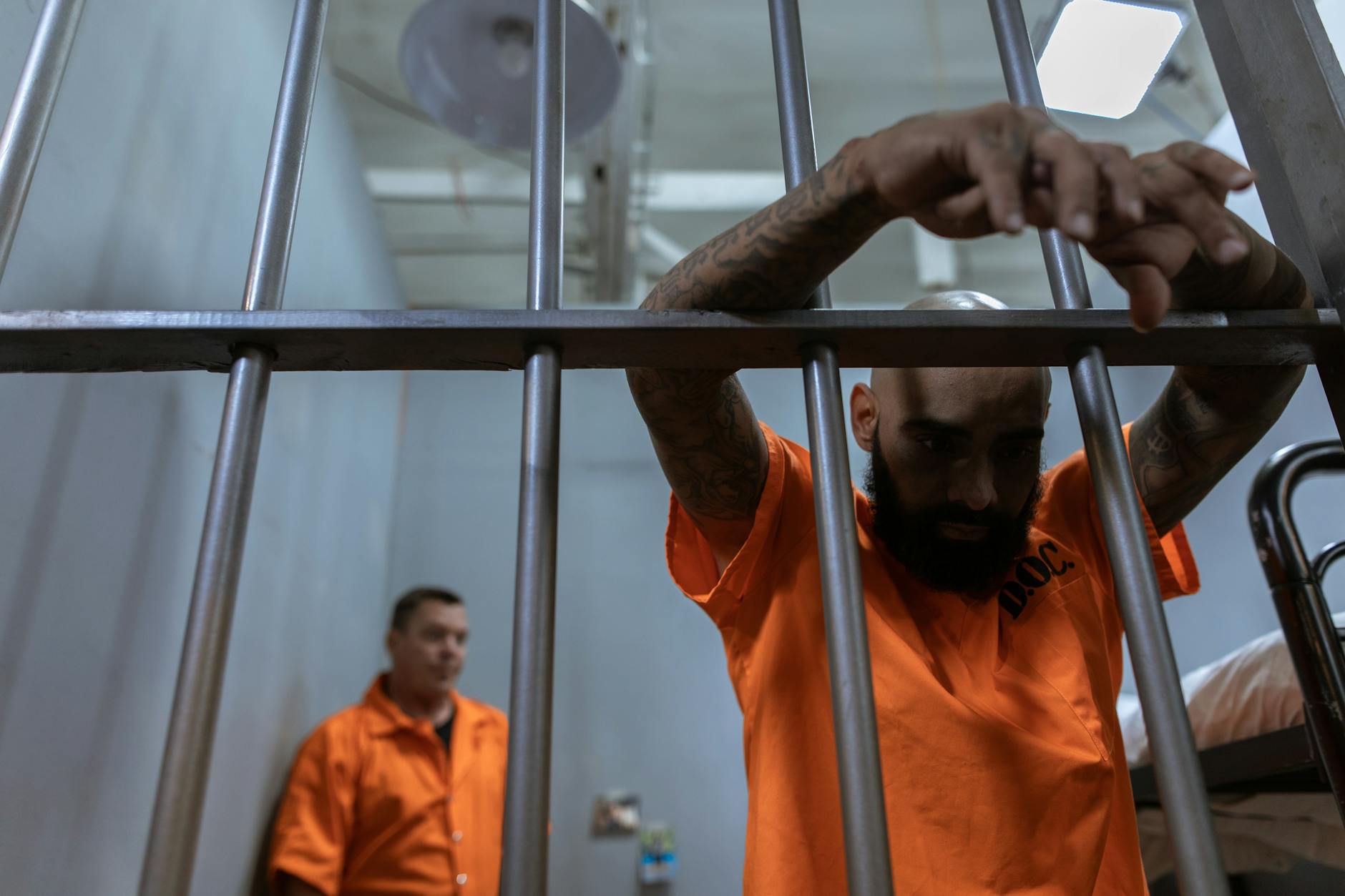
Low-wage inmates earn an average of $0.23 per hour in US prisons, a stark reminder of the exploitative nature of convict labor. This meager compensation is a far cry from the fair wages enjoyed by workers outside the prison walls.
The issue of prisoner pay is a pressing concern in the US, where thousands of inmates are forced to work long hours in various industries, from manufacturing to agriculture. Do Prisoners Get Paid for Work? The answer, unfortunately, is often a resounding no. Instead of fair compensation, inmates are typically paid in the form of reduced sentences or meager stipends, which can be as low as the aforementioned $0.23 per hour. This raises important questions about the treatment of prisoners and the value placed on their labor.
Prison Labor Practices Vary Across US Facilities
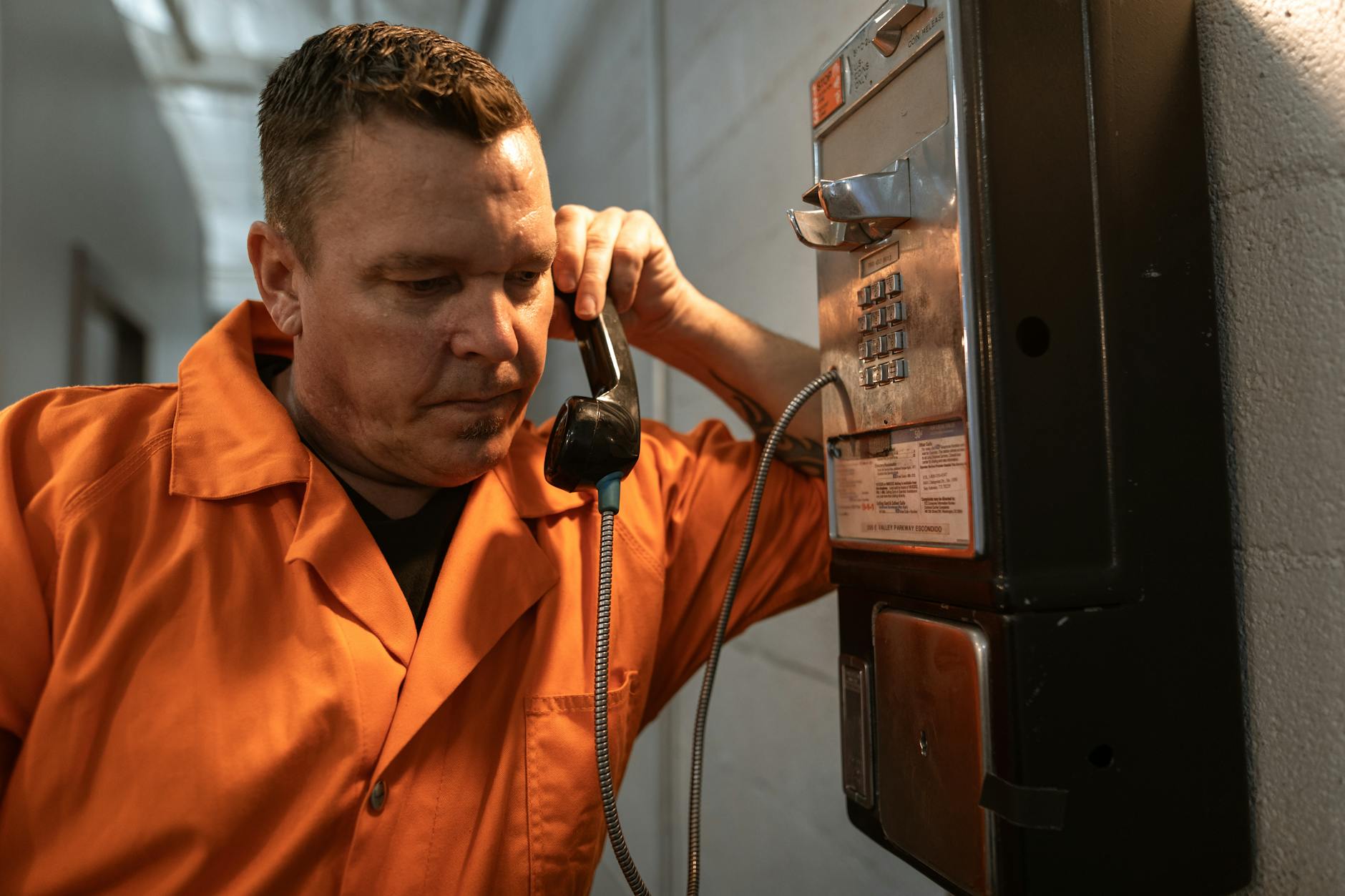
Prison labor practices vary significantly across US facilities, with some institutions generating millions of dollars in revenue each year from inmate labor. The federal government's Bureau of Justice Statistics reports that in 2019, 82% of state prison facilities and 64% of local jails had inmate work programs.
Some prisons have strict regulations governing inmate work hours and compensation, while others allow inmates to work for extended periods without pay. For example, in some facilities, inmates may be required to work 40 hours a week, earning as little as $0.23 per hour. This can lead to meager earnings, with some inmates earning as little as $100 per year.
Many prisons also use inmate labor to produce goods and services that are then sold to government agencies or private companies. According to the National Conference of State Legislatures, in 2015, over 45,000 inmates worked in prison industries nationwide, generating over $2.5 billion in revenue.
Behind Bars, Inmates Face Exploitation through Underpaid Work
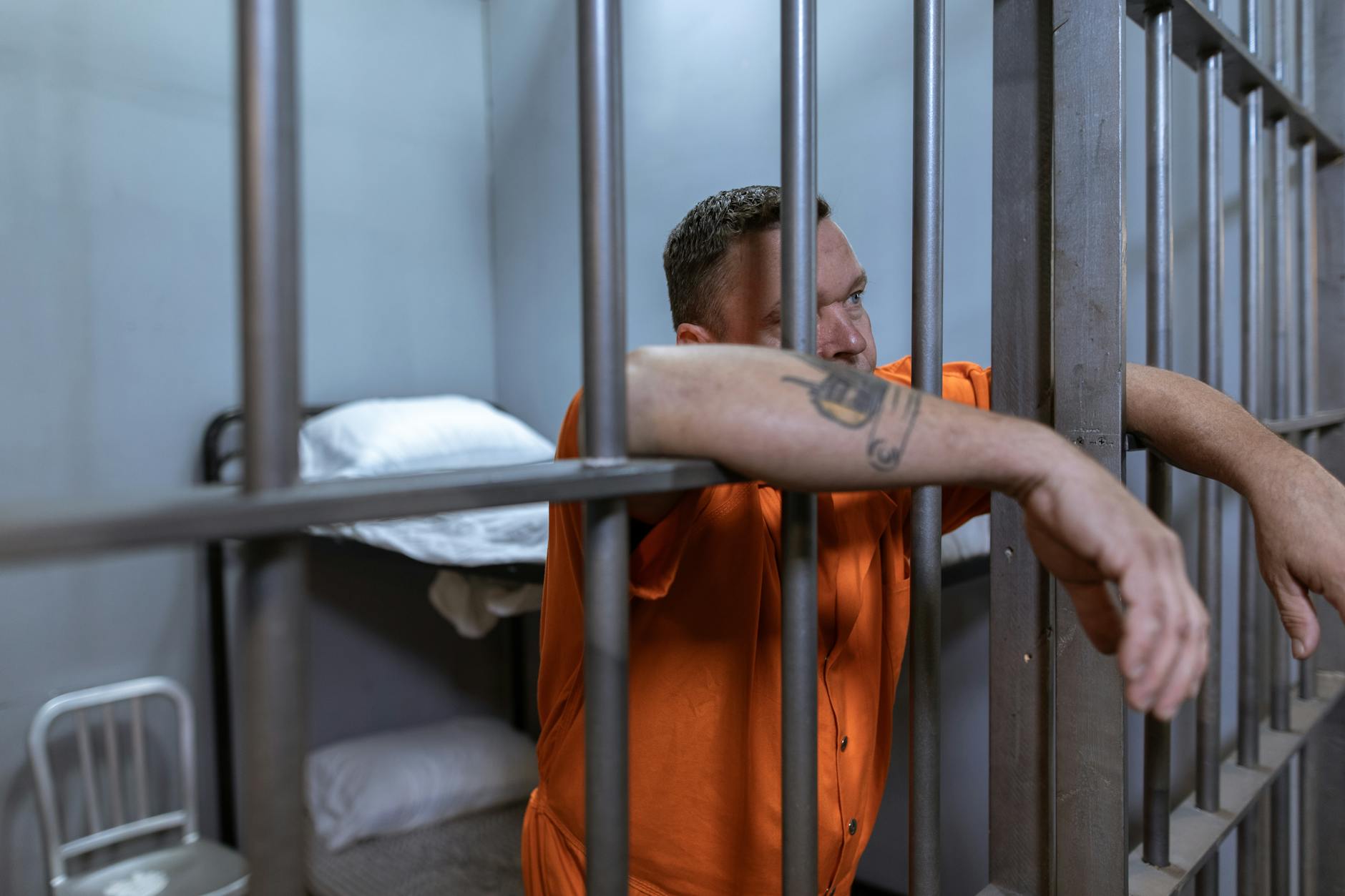
Prison labor has long been a contentious issue in the US corrections system. Behind bars, inmates face exploitation through underpaid work that often goes unrecognized.
Less than 20% of state prisons and 10% of federal prisons pay inmates the federal minimum wage for their work. Those who do receive pay often earn an average of $0.23 per hour, with some states paying as little as $0.01 per hour for tasks like sweeping and cleaning.
This practice of paying inmates subminimum wages raises questions about the true value of their labor. According to the Sentencing Project, the US has the highest incarceration rate in the world, with over 2 million prisoners currently behind bars. The reliance on prison labor to produce goods and services at low costs has significant implications for the broader economy, particularly in industries that benefit from cheap prison-made goods.
Low-Wage Inmates Earn Minimal Income for Their Labor

Prisoners in the United States are required to work while incarcerated, but the pay is meager. For every hour of labor, inmates earn an average of $0.23.
This low wage is a stark contrast to the federal minimum wage of $7.25 per hour on the outside. According to the Bureau of Justice Statistics, nearly 80% of state prisons require inmates to work. Prisons claim that the work is for rehabilitation purposes, but many critics argue that the low pay is a form of exploitation.
The types of jobs available to inmates vary widely, from maintenance and laundry to food service and gardening. Some prisons also offer education and job training programs, which can help inmates develop skills for a successful life after release.
Prison Jobs Offer Meager Compensation with No Social Benefits
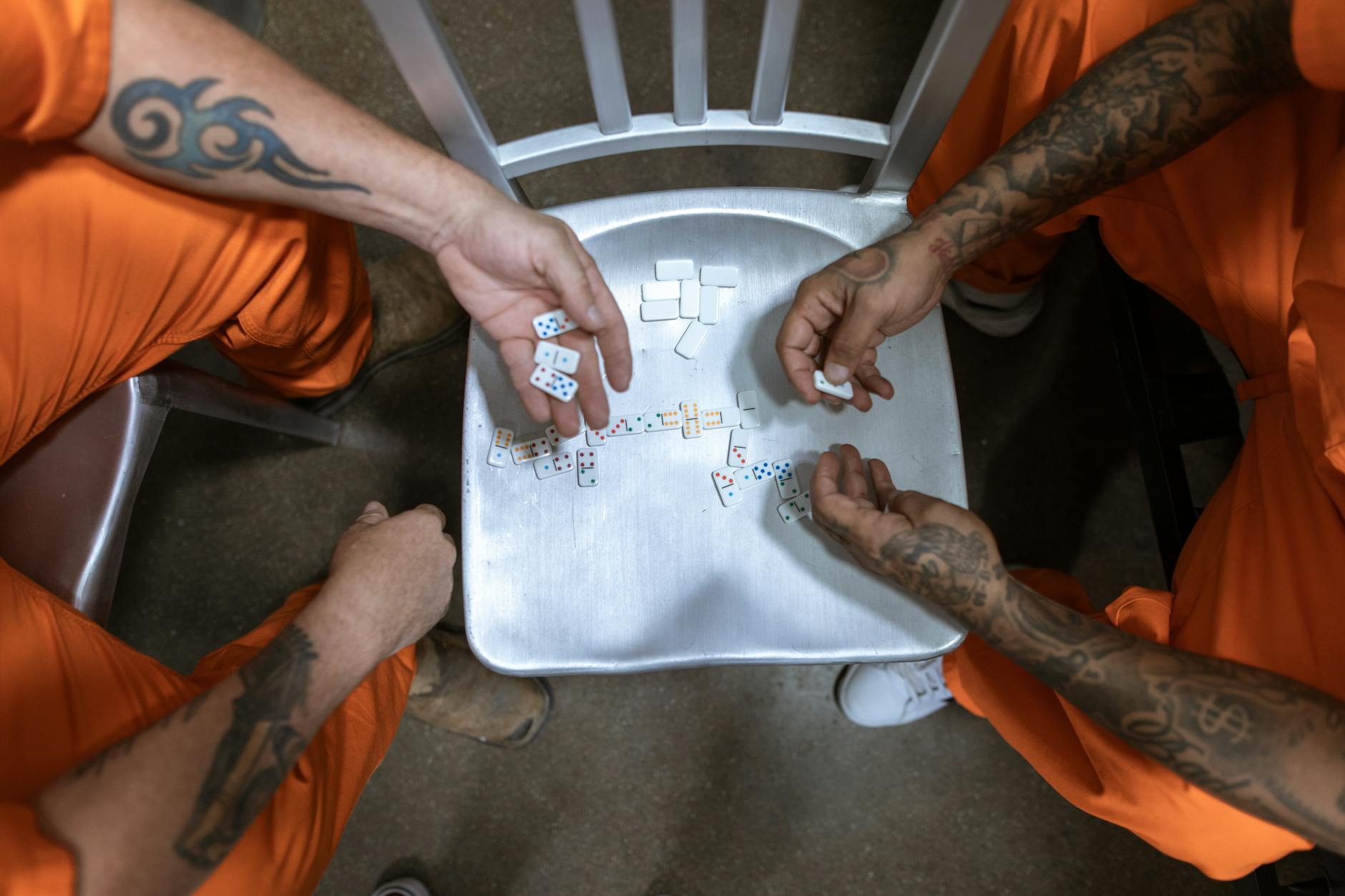
Low-wage inmates in US prisons earn an average of $0.23 per hour, highlighting the stark reality of prison labor. Despite their hard work, many inmates struggle to make ends meet, with meager compensation that barely covers basic necessities.
The federal Bureau of Prisons reports that inmates can earn between $0.12 and $1.15 per hour, depending on their job assignment and level of responsibility. However, even the highest-paying jobs often fall short of providing a living wage. For example, a janitor at a federal prison in Texas can earn up to $1.15 per hour, but would need to work over 800 hours to earn just $1,000.
The lack of social benefits and support services in prisons exacerbates the problem. Without access to affordable healthcare, education, or job training, inmates are often ill-equipped to succeed once released back into society. According to the National Employment Law Project, only 20% of inmates have a job lined up before their release, highlighting the significant challenges they face upon reentering the workforce.
Prisoners who participate in work programs are often expected to meet productivity quotas, with punishments for failure to meet these requirements. This creates a culture of fear and anxiety, where inmates are more focused on avoiding punishment than gaining valuable work experience. The consequences of this system are far-reaching, perpetuating a cycle of poverty and recidivism that is difficult to break.
Path Forward Lies in Reforming Prison Work Policies and Practices

Prisoners in the United States are entitled to compensation for their work, but the pay is meager. The average hourly wage paid to low-wage inmates is a staggering $0.23. This rate has been in place for decades, with little change.
The majority of inmates work in jobs such as food service, maintenance, and laundry facilities. They toil for long hours, often in harsh conditions, yet their earnings are hardly enough to cover basic necessities. According to the Bureau of Justice Statistics, more than 80% of state prisons have a program that allows inmates to earn wages.
Reforming prison work policies and practices is a crucial step toward improving the lives of inmates. This could involve increasing pay rates, providing opportunities for skill-building, and promoting education and vocational training. In doing so, inmates can gain valuable work experience and skills, setting them up for success upon release.
As the reality of low-wage inmates earning an average of $0.23 per hour in US prisons sets in, it becomes clear that this system is fundamentally flawed and in dire need of reform. The exploitation of prisoners as cheap labor, often for tasks that could be done by staff or technology, not only perpetuates cycles of poverty but also undermines the rehabilitation goals of the prison system. To rectify this issue, policymakers should prioritize legislation that increases the minimum wage for prisoners and ensures they receive fair compensation for their work. This would not only provide a much-needed financial lifeline for inmates but also help them develop valuable skills and a sense of dignity, essential for successful reintegration into society after release. By addressing this issue, the US can take a significant step towards creating a more just and equitable prison system.
Need this answered for your specific case?
Get a flat-fee consultation with a verified U.S. immigration attorney. Engagement letter on every paid consult.
Related guides
-
Sanctions on Juvenile Offenders Cut Recidivism Rate by 27% in First Year
7 min read · May 13, 2026
-
Federal Court Rules Graduated Sanctions Can Reduce Recidivism by 30% in Prisons
6 min read · May 13, 2026
-
Four-Year Prison Sentence for Man Convicted of 12 Technical Violations of Probation
6 min read · May 11, 2026
This guide provides general legal information and does not create an attorney–client relationship. Information accurate as of July 2026. Always verify current USCIS guidance before acting.