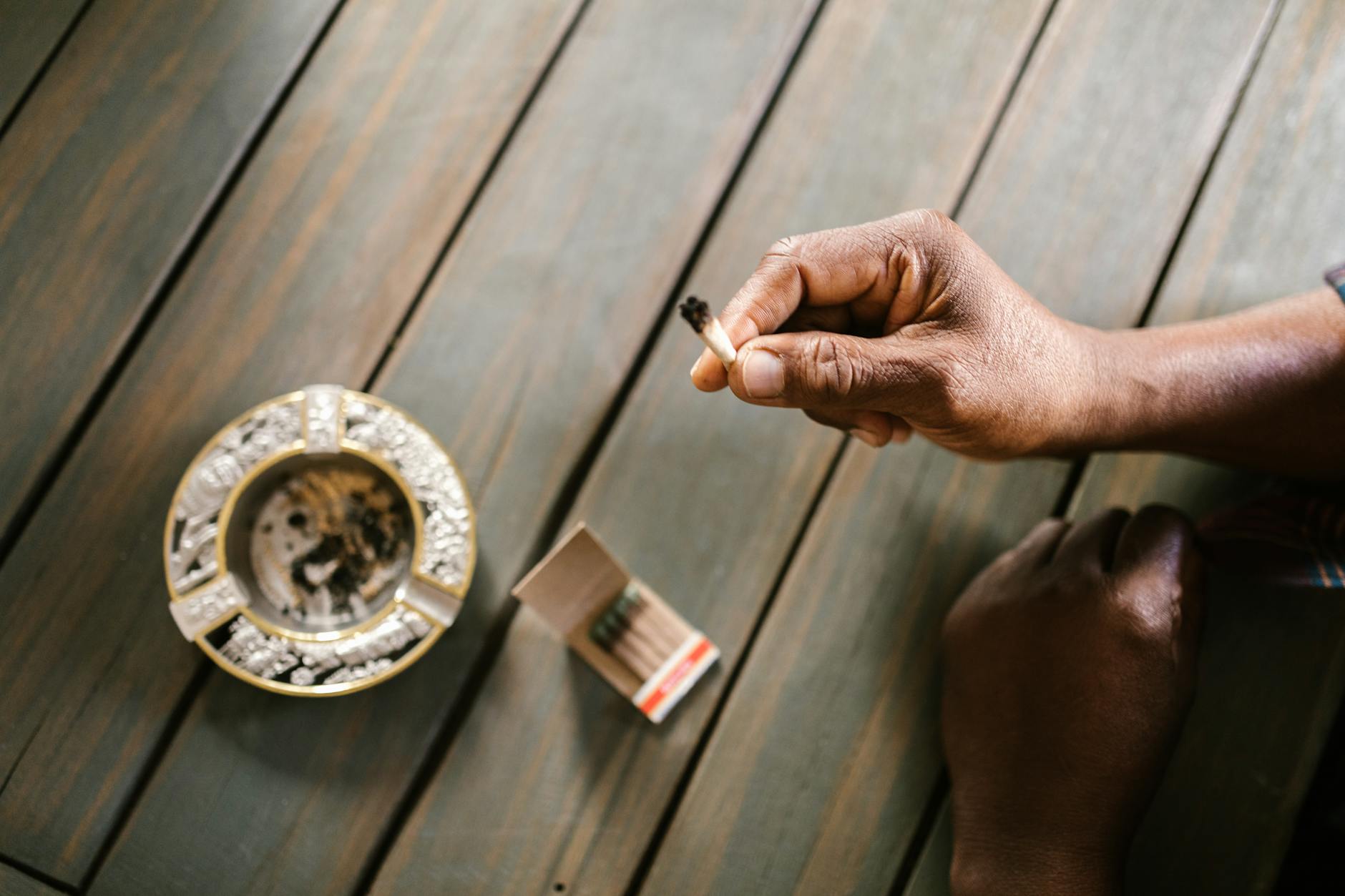
Marijuana is now legal for recreational use in 21 states and Washington D.C., a significant shift in the country's stance on the substance. As of 2023, more than 40 million Americans live in areas where marijuana is no longer a felony.
This growing acceptance has sparked a national conversation about the role of marijuana in American society. With the ongoing debate over its use and distribution, many people are left wondering if marijuana is legal everywhere in the US. This is particularly true for travelers and those who move between states, where the rules regarding marijuana can be confusing. The question of whether marijuana is legal everywhere in the US is one that affects a significant portion of the population, making it a pressing issue that warrants closer examination.
Marijuana Legalization: A Growing Trend in the US
Marijuana legalization has become a defining feature of American politics, with 21 states and Washington D.C. having legalized the substance for recreational or medical use. This shift in policy reflects a growing public acceptance of marijuana, with a majority of Americans now supporting its use. According to a 2020 Pew Research Center survey, 67% of Americans favor the legalization of marijuana, up from 32% in 2000.
As the number of states that have legalized marijuana continues to grow, so too do the economic and social benefits associated with it. In states like Colorado and California, where marijuana has been legal for several years, tax revenues from cannabis sales have helped to fund public programs and services. Additionally, law enforcement agencies have reported a decrease in marijuana-related arrests and a reduction in opioid overdose deaths.
While the benefits of marijuana legalization are becoming increasingly clear, there are still many challenges to be addressed. Critics argue that the lack of federal regulation creates a patchwork of laws and regulations that can be confusing for consumers and businesses alike. They also point to concerns about public health and safety, particularly with regards to youth access and impaired driving.
State Laws Vary Widely on Marijuana Possession
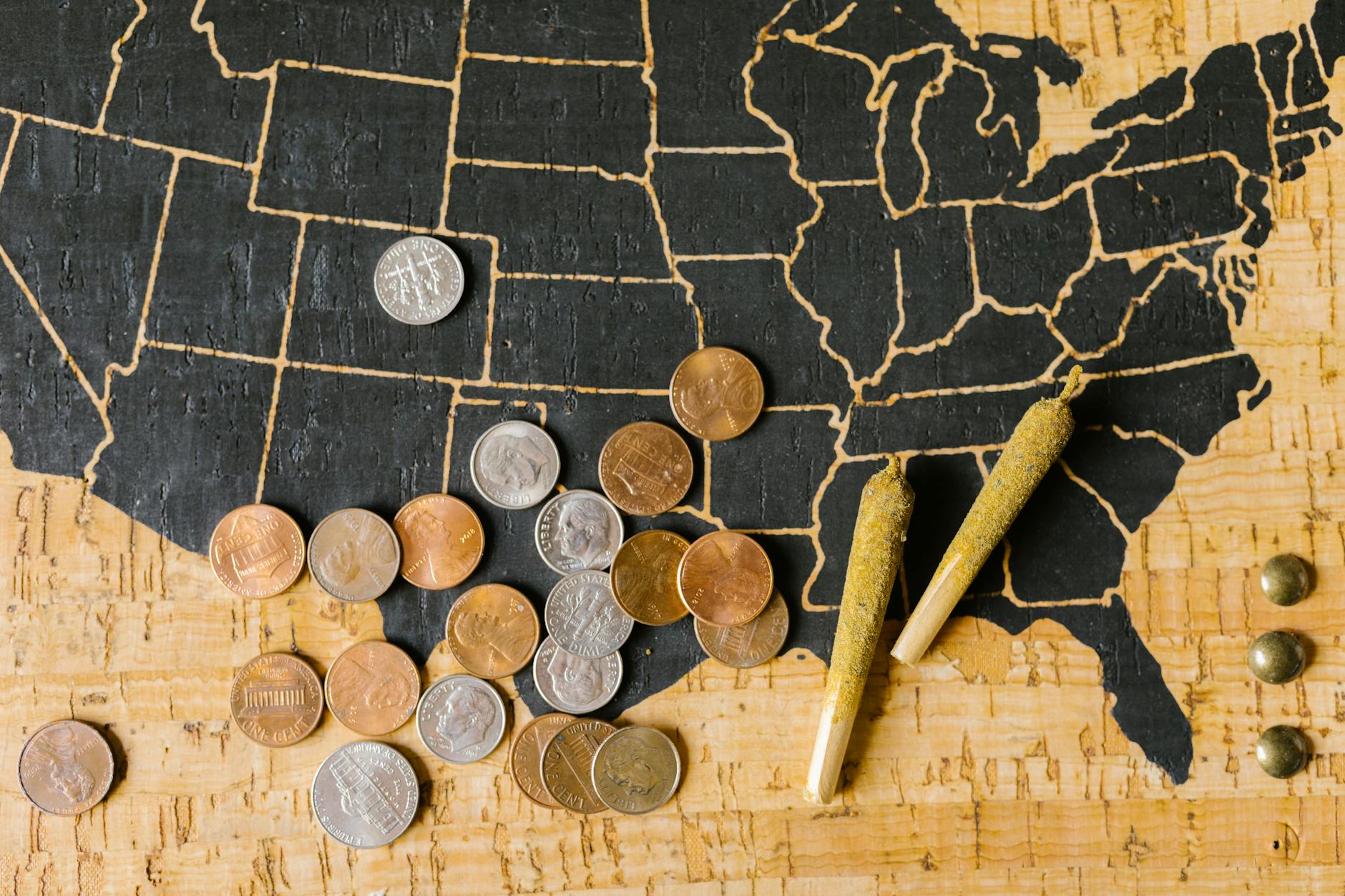
Marijuana possession laws vary significantly across states in the US.
In states where marijuana is fully legalized, individuals can possess up to one ounce without fear of prosecution. For instance, in Colorado, a person can carry up to one ounce of marijuana for personal use. In contrast, some states retain stricter laws, such as Alabama where possession of even a small amount can result in serious charges.
Currently, 21 states and Washington D.C. have fully or partially legalized marijuana. A study by the American Civil Liberties Union found that in 2010, African Americans were 3.73 times more likely to be arrested for marijuana possession than white individuals. The varying laws on marijuana possession create a complex landscape, making it challenging for individuals to navigate.
While some states have relaxed their laws, others remain more stringent. For example, possession of even a small amount in South Dakota can lead to a misdemeanor charge.
Medical Marijuana Programs: A Closer Look at Benefits

Medical marijuana programs have been established in 21 states and Washington D.C., offering patients a potentially life-changing treatment option. Research suggests that approximately 14% of Americans suffer from chronic pain, a condition often alleviated by medical marijuana use. The benefits of these programs are multifaceted, with patients experiencing relief from symptoms such as nausea, muscle spasms, and anxiety.
Studies have demonstrated that medical marijuana can be an effective treatment for a range of conditions, including epilepsy, multiple sclerosis, and PTSD. Patients have reported significant improvements in their quality of life, with many experiencing a reduction in medication use and hospitalizations. The availability of medical marijuana has also led to a decrease in opioid-related overdose deaths.
While the benefits of medical marijuana programs are clear, there are still many patients who are unable to access these services due to restrictive state laws and lack of access to healthcare. As the medical marijuana industry continues to grow, it is essential that policymakers prioritize equity and accessibility in the development of these programs.
Navigating Marijuana Laws: A Guide for Travelers and Residents
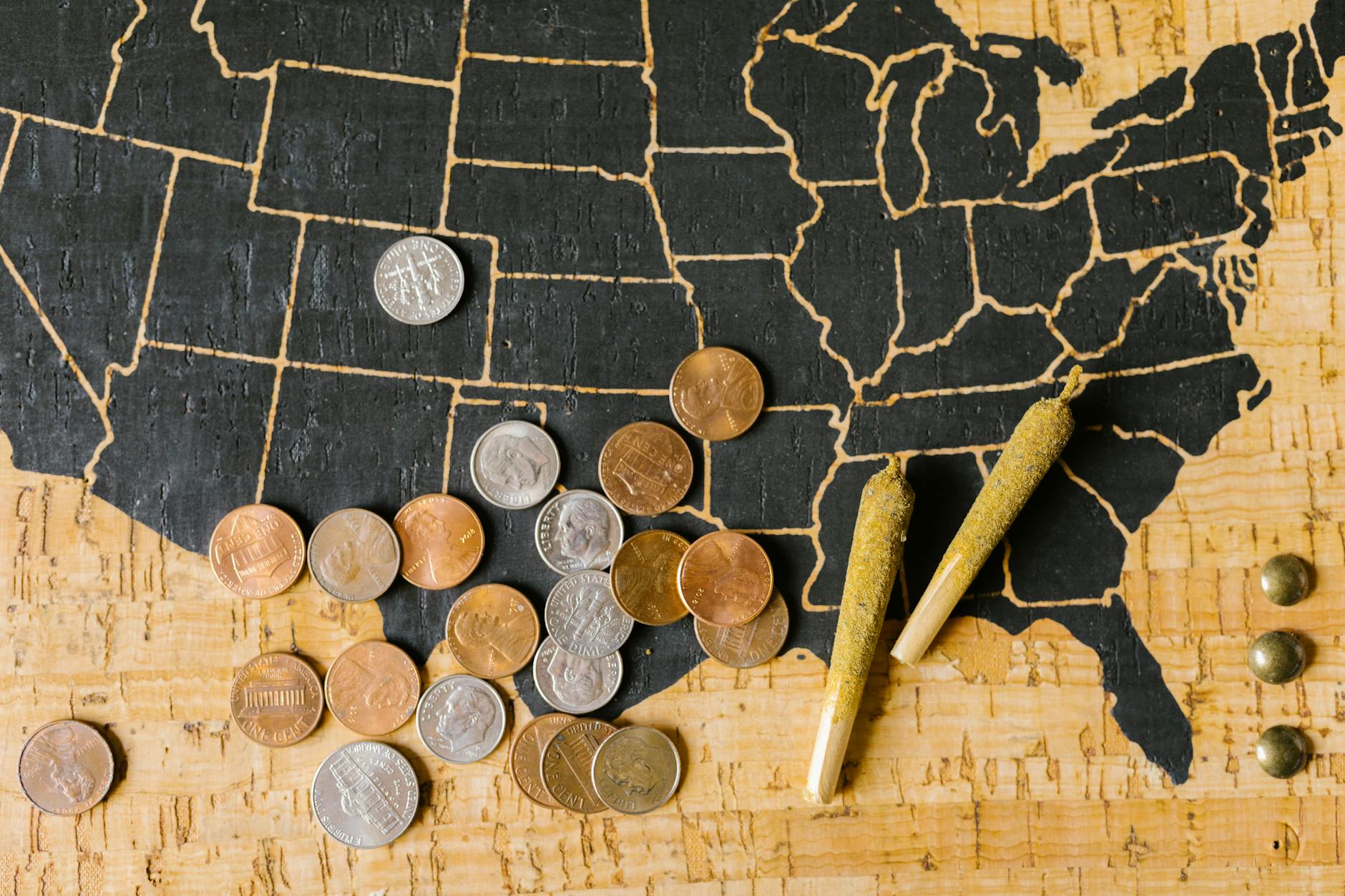
Marijuana laws in the US can be confusing, but one thing is clear: it's not legal everywhere.
In 21 states and Washington D.C., recreational marijuana use is permitted, with some restrictions. For instance, in Colorado, adults can possess up to one ounce of marijuana, while in California, the limit is eight grams. However, in states like Idaho and South Dakota, marijuana remains strictly prohibited.
The legal landscape is constantly evolving. According to the National Conference of State Legislatures, more than 30 states have passed laws to decriminalize marijuana-related offenses. This shift in policy has led to some unexpected consequences – such as a surge in marijuana tourism.
The Road Ahead: Expanding Access to Medical Cannabis

As the tide of public opinion continues to shift in favor of medical cannabis, lawmakers are under increasing pressure to expand access to this potentially life-changing treatment. A recent survey found that 71% of Americans now support legalization, a figure that has been steadily rising over the past decade.
With marijuana now legal in 21 states and Washington D.C., the momentum is building for further reform. One area of focus is on ensuring that low-income individuals and marginalized communities have access to the resources they need to navigate the often-complex cannabis industry. This includes everything from affordable medical cards to educational programs and job training initiatives.
However, there is still a long way to go before medical cannabis is available to those who need it most. Many rural communities, for example, lack access to licensed dispensaries and medical professionals who are knowledgeable about cannabis therapy. As the industry continues to evolve, it will be crucial to prioritize equity and inclusion in order to ensure that everyone has a fair shot at benefiting from this valuable resource.
As the landscape of medical cannabis continues to shift, one thing is clear: the status quo is no longer tenable. With public support at an all-time high and lawmakers under pressure to act, it's only a matter of time before medical cannabis becomes a reality for millions more Americans.
As of now, marijuana is legally accessible in 21 states and Washington D.C., marking a significant shift in the nation's stance on the substance. This change has far-reaching implications for individuals and healthcare systems across the country. With its expanding legalization, marijuana is increasingly becoming a mainstream treatment option for patients seeking relief from chronic pain, anxiety, and other debilitating conditions. As a result, medical professionals are encouraged to stay informed about the latest developments and consider incorporating marijuana-based treatments into their practices. As marijuana continues to gain acceptance, it will likely play an even more substantial role in shaping the nation's approach to healthcare and personal freedoms.
Need this answered for your specific case?
Get a flat-fee consultation with a verified U.S. immigration attorney. Engagement letter on every paid consult.
Related guides
-
Crime Statistics Debunked: Separating Fact from Fiction in 10 Common Misconceptions
6 min read · Apr 12, 2026
-
One in Five Small Businesses Hit with Cybercrime Every Year, Statistics Reveal
5 min read · Apr 12, 2026
-
More Than 2 Million Americans Fall Victim to Fraud Every Year
6 min read · Apr 12, 2026
This guide provides general legal information and does not create an attorney–client relationship. Information accurate as of July 2026. Always verify current USCIS guidance before acting.