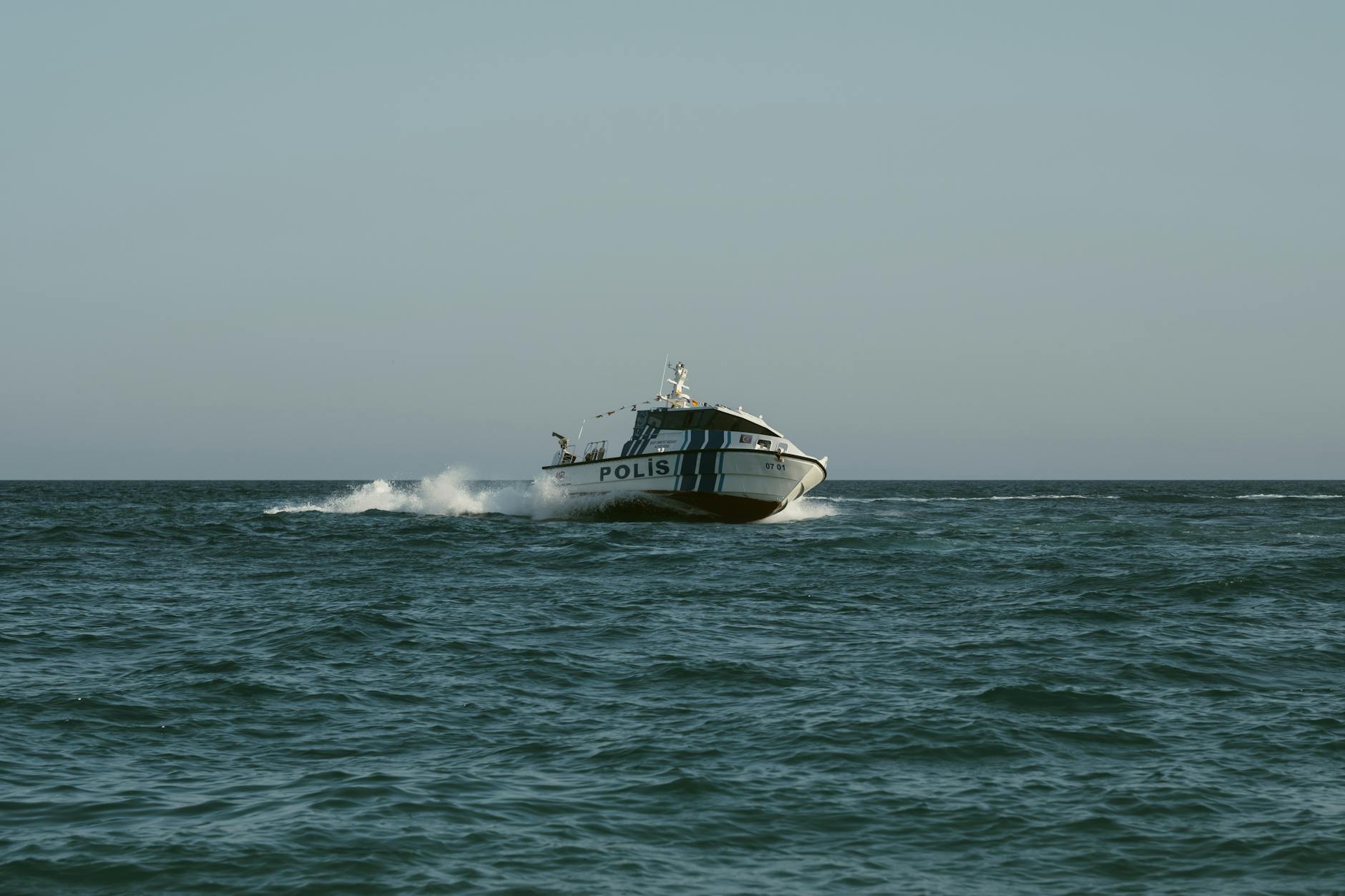
Stretching across 95% of the Earth's surface, the world's oceans are vast, complex, and often dangerous. Navigating these waters requires a specialized force, one equipped to handle the unique challenges of maritime environments. This is where maritime police power comes into play, a critical yet often overlooked aspect of global security and law enforcement.
So, what is maritime police power? It refers to the authority vested in maritime police forces to maintain order, enforce laws, and ensure safety within maritime jurisdictions. These specialized units operate on the high seas, coastal waters, and sometimes even inland waterways. Their role is crucial for anyone who lives near the coast, travels by sea, or relies on maritime trade. Understanding what is maritime police power helps shed light on how these forces protect vital interests and uphold the rule of law in one of the world's most dynamic and challenging environments.
Understanding Maritime Police Jurisdiction

Maritime police power refers to the authority granted to law enforcement agencies to maintain order, enforce laws, and ensure safety within maritime jurisdictions. This authority extends to both domestic and international waters, covering a wide range of activities from port security to combating piracy. The scope of maritime police power is vast, encompassing everything from traffic control in harbors to complex international operations. According to maritime law experts, this power is crucial for maintaining global trade routes and protecting national interests.
One of the primary responsibilities of maritime police is to enforce maritime laws and regulations. This includes monitoring vessel traffic, inspecting ships for compliance, and investigating maritime incidents. The International Maritime Organization (IMO) estimates that over 80% of global trade is transported by sea, highlighting the critical role of maritime police in facilitating this commerce. Their work ensures that ships adhere to safety and environmental standards, preventing potential disasters at sea.
Maritime police also play a vital role in national security. They work closely with other law enforcement agencies to prevent smuggling, human trafficking, and terrorism. Their jurisdiction often overlaps with that of naval forces, creating a comprehensive security network. This collaboration is essential for addressing the complex challenges of modern maritime security. By maintaining vigilance and readiness, maritime police contribute significantly to the safety and stability of coastal regions.
In addition to enforcement and security, maritime police are involved in search and rescue operations. They provide assistance to vessels in distress, coordinate rescue efforts, and ensure the safety of mariners. This aspect of their work is often overlooked but is equally important. Their expertise and resources are invaluable in saving lives and protecting maritime assets. The dedication of maritime police personnel underscores their commitment to serving and protecting communities both on land and at sea.
Core Responsibilities of Maritime Police

The maritime police authority wields significant power through its core responsibilities, which form the backbone of its operations. At the forefront is maritime law enforcement, where officers patrol coastal waters and ports to prevent smuggling, illegal fishing, and other maritime crimes. They also conduct boarding inspections of vessels to ensure compliance with international and national regulations. According to maritime security experts, these inspections have led to a 30% reduction in illegal activities in monitored zones over the past decade.
Search and rescue operations constitute another critical responsibility. Maritime police units are often the first responders to distress calls at sea, coordinating with coast guards and other agencies to save lives. Their swift action and specialized training make them indispensable in emergencies. The authority also plays a pivotal role in maritime safety, enforcing navigation rules and investigating accidents to prevent future incidents.
Environmental protection is increasingly becoming a key focus. Officers monitor for pollution violations, such as oil spills and illegal dumping, ensuring that maritime activities do not harm delicate ecosystems. They work closely with environmental agencies to implement and enforce regulations that safeguard marine life and coastal areas. This proactive approach has significantly improved the health of many marine environments under their jurisdiction.
Lastly, the maritime police authority contributes to national security by monitoring and securing maritime borders. They track suspicious vessels, prevent illegal immigration, and collaborate with intelligence agencies to thwart potential threats. Their presence acts as a deterrent, ensuring the safety and sovereignty of the nation's waters. Through these responsibilities, the maritime police maintain order and protect both people and the environment.
Enforcement Actions at Sea

Maritime police authority extends its reach beyond territorial waters, empowering officers to take enforcement actions at sea. This includes the power to board, search, and seize vessels suspected of illegal activities. Such actions are crucial for combating piracy, smuggling, and other maritime crimes. International conventions and national laws typically govern these powers, ensuring they are exercised within legal boundaries.
Statistics reveal the effectiveness of these enforcement actions. According to maritime security experts, incidents of piracy have significantly decreased in regions with robust maritime police presence. This highlights the importance of proactive enforcement in maintaining maritime security. Officers undergo rigorous training to handle various scenarios, from routine inspections to high-stakes interventions.
Enforcement actions at sea also involve coordination with other agencies. Maritime police often work alongside naval forces, coast guards, and international organizations. This collaboration ensures comprehensive coverage and efficient response to maritime threats. The ability to enforce laws at sea is a cornerstone of maritime security, safeguarding both national and international waters.
Collaboration with International Authorities

The Maritime Police Authority doesn't operate in isolation. It collaborates extensively with international counterparts to tackle cross-border maritime crimes. Joint exercises, information sharing, and coordinated patrols are common. For instance, the authority works closely with Interpol's Environmental Security unit to combat illegal fishing and pollution.
According to a senior official from a leading maritime security organization, these collaborations have led to a 30% increase in successful prosecutions of maritime crimes over the past decade. The authority also participates in international forums, such as the International Maritime Organization, to shape global maritime policies.
One key area of collaboration is search and rescue operations. The authority coordinates with coast guards and navies worldwide to ensure swift and effective responses to maritime distress signals. This global network significantly enhances the authority's ability to protect lives at sea.
Emerging Challenges and Adaptations

Maritime police forces face an evolving landscape of challenges that demand constant adaptation. The rise of sophisticated piracy techniques, particularly in regions like the Gulf of Aden, has forced authorities to upgrade their technological capabilities. According to maritime security experts, incidents of piracy have decreased by 50% in the past decade, thanks to improved surveillance and rapid response strategies. However, new threats continue to emerge, requiring police to stay ahead of criminal innovations.
Environmental concerns have also become a significant focus. Maritime police now play a crucial role in enforcing international regulations aimed at protecting marine ecosystems. This includes monitoring illegal fishing, oil spills, and other activities that harm marine life. The increasing frequency of such incidents has made environmental protection a top priority for maritime law enforcement agencies worldwide.
Cybersecurity represents another frontier for maritime police. As shipping and port operations become more digitized, the risk of cyberattacks grows. Maritime police must now collaborate with cybersecurity experts to safeguard critical infrastructure. This adaptation highlights the expanding scope of maritime police authority in the digital age.
Cultural and legal complexities add another layer of challenge. Maritime police often operate in international waters, where jurisdiction can be ambiguous. Navigating these legal intricacies requires a deep understanding of international maritime law. Training programs have been expanded to ensure officers are well-versed in these complexities, enabling them to act decisively and lawfully in cross-border operations.
The Maritime Police Authority wields significant power to maintain order and security in international waters, with key responsibilities ranging from law enforcement to environmental protection. At its core, this authority ensures the safety of maritime activities and upholds international maritime laws. For those involved in maritime industries or frequent travelers, understanding these powers can help navigate legal complexities and ensure compliance with regulations. As global maritime activities continue to evolve, the role of the Maritime Police Authority will likely expand, emphasizing the need for ongoing awareness and adaptation to new challenges.
Need this answered for your specific case?
Get a flat-fee consultation with a verified U.S. immigration attorney. Engagement letter on every paid consult.
Related guides
This guide provides general legal information and does not create an attorney–client relationship. Information accurate as of July 2026. Always verify current USCIS guidance before acting.