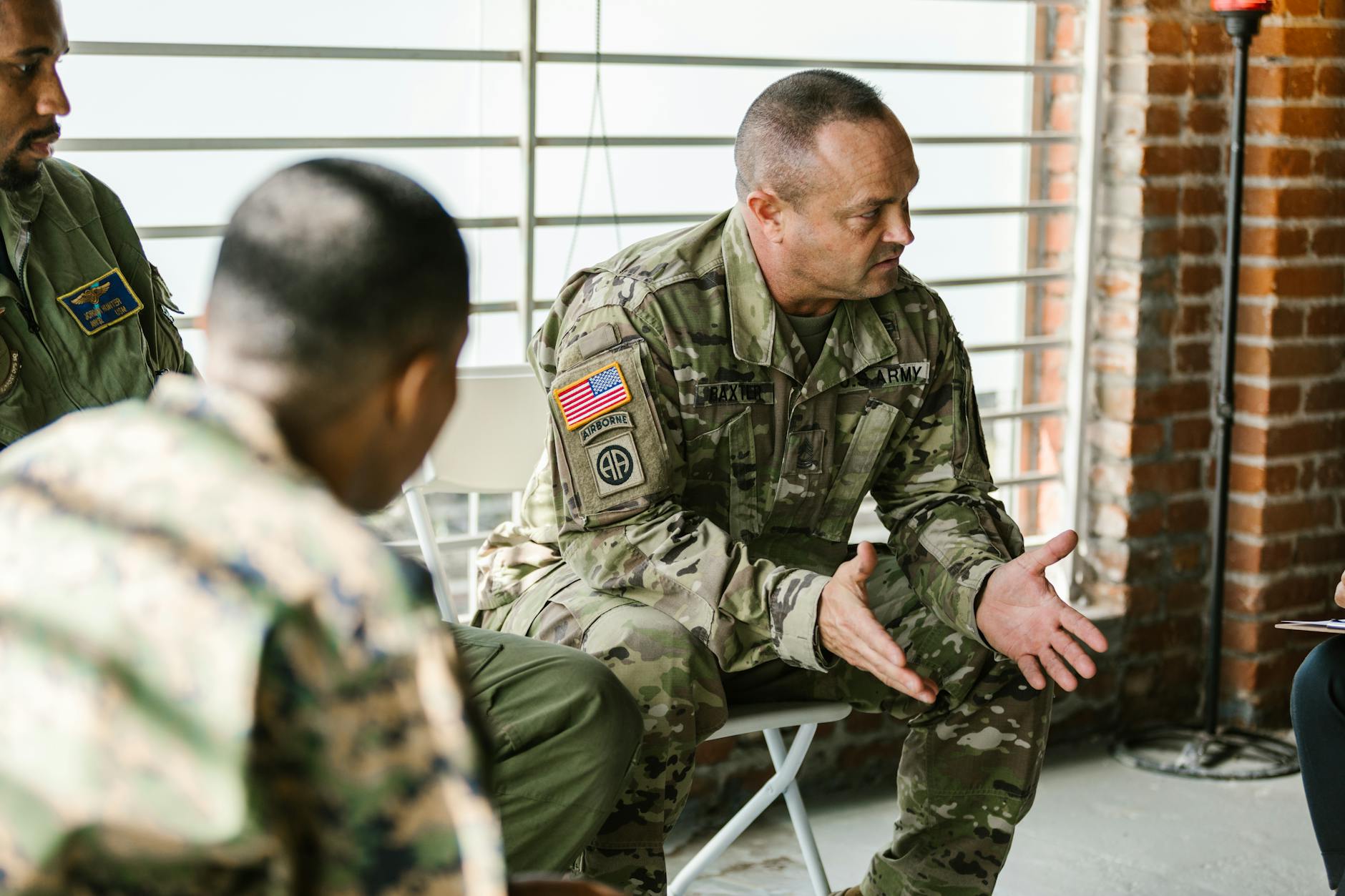
The United States has made a significant stride in addressing the unique challenges faced by veterans transitioning back to civilian life, with one in five veterans now eligible for specialized court. This reform marks a crucial shift in the country's approach to military justice, acknowledging the profound impact of combat experiences on individuals' lives.
Veterans Court is a distinct judicial program designed to cater to the specific needs of military personnel and their families. This specialized court provides an alternative to traditional sentencing, focusing on rehabilitation and treatment rather than punishment. The court's primary goal is to empower veterans to overcome the emotional and psychological struggles associated with their service, ultimately promoting their successful reintegration into society. By offering a supportive environment and expert guidance, Veterans Court aims to break the cycle of recidivism and foster a more hopeful future for those who have served their country.
Veterans Court Origins: A Response to Military Justice Failures

Veterans Court Origins: A Response to Military Justice Failures
The concept of Veterans Court was born out of a recognition of the failures of the traditional military justice system. Many veterans, struggling with the aftermath of war, were being prosecuted for minor offenses that reflected their untreated mental health issues. According to a study, nearly 80% of those incarcerated in the US military are veterans, many of whom have been diagnosed with post-traumatic stress disorder (PTSD). This statistic highlights the urgent need for an alternative approach.
Veterans Court aims to address this issue by providing a specialized and rehabilitative approach to justice. The court focuses on the underlying causes of a veteran's behavior, rather than simply punishing them for their actions. Veterans Court is a collaborative effort between the court system, social services, and healthcare providers to offer veterans a chance at redemption and healing.
This approach has been shown to yield positive results. Veterans who participate in the program have a significantly lower recidivism rate than those who do not. By providing veterans with access to treatment and support, Veterans Court seeks to break the cycle of incarceration and recidivism, and to help them reintegrate into society as productive and law-abiding citizens.
Understanding the Veterans Court Eligibility Process
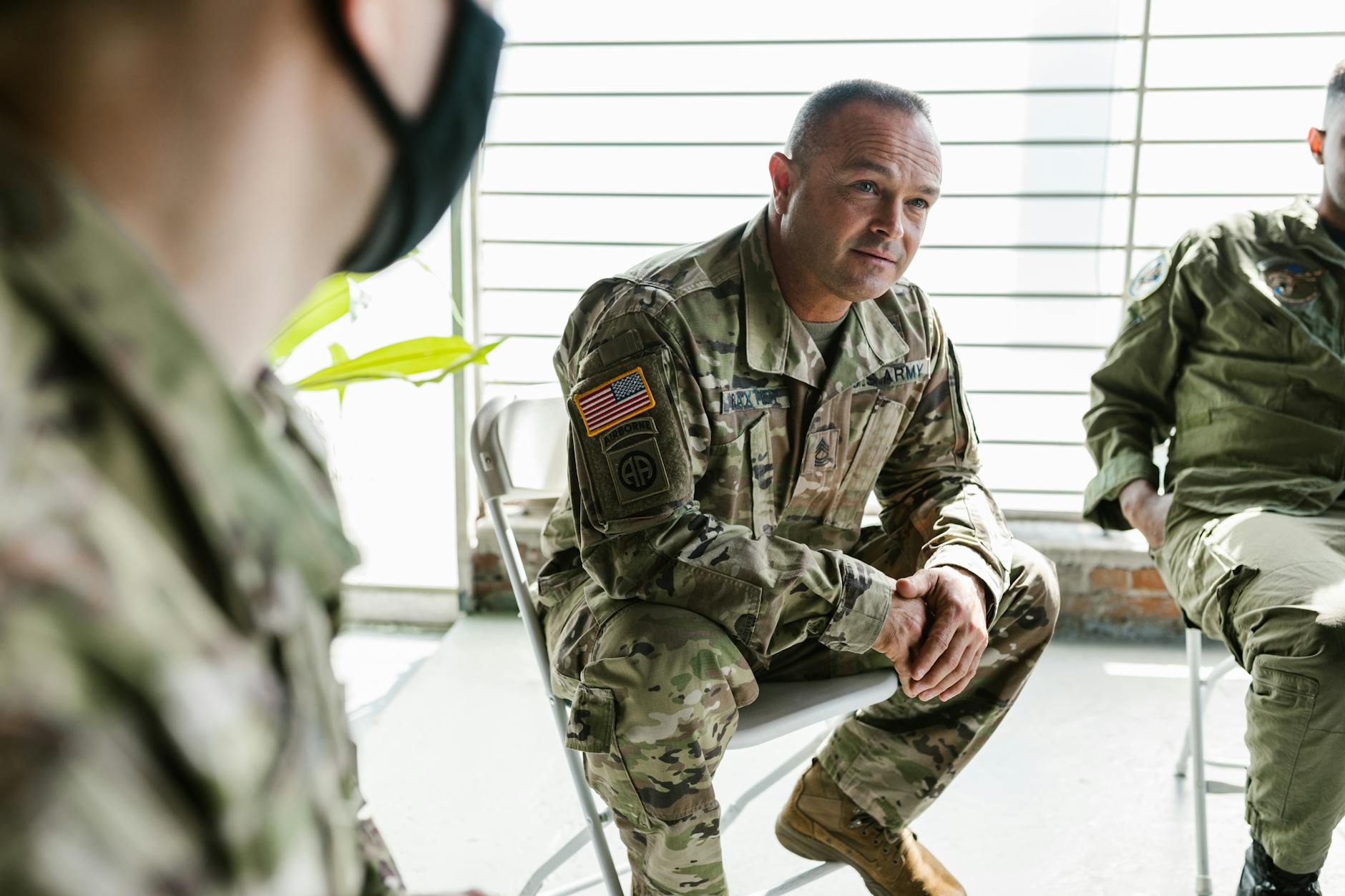
Veterans Court is a specialized court designed to handle cases involving veterans who have committed crimes. These courts focus on rehabilitation and treatment rather than punishment. The primary goal is to help veterans overcome the challenges they face, such as post-traumatic stress disorder (PTSD), substance abuse, and other issues that may have contributed to their crimes.
The courts are staffed by judges, prosecutors, and defense attorneys who have received training on the unique needs of veterans. They work closely with veterans' organizations and mental health professionals to develop treatment plans that address the underlying causes of the veteran's behavior. For example, a veteran struggling with PTSD may be assigned to a therapy program specifically designed to help them cope with their symptoms.
According to the National Center for Veterans Analysis and Statistics, one in five veterans now have access to a Veterans Court. This is a significant increase from just a few years ago, when many veterans struggled to find the help they needed. By providing a supportive and non-punitive environment, Veterans Courts have proven to be an effective way to reduce recidivism rates and help veterans reintegrate into society.
From Felony Convictions to Second Chances: A New Path Forward
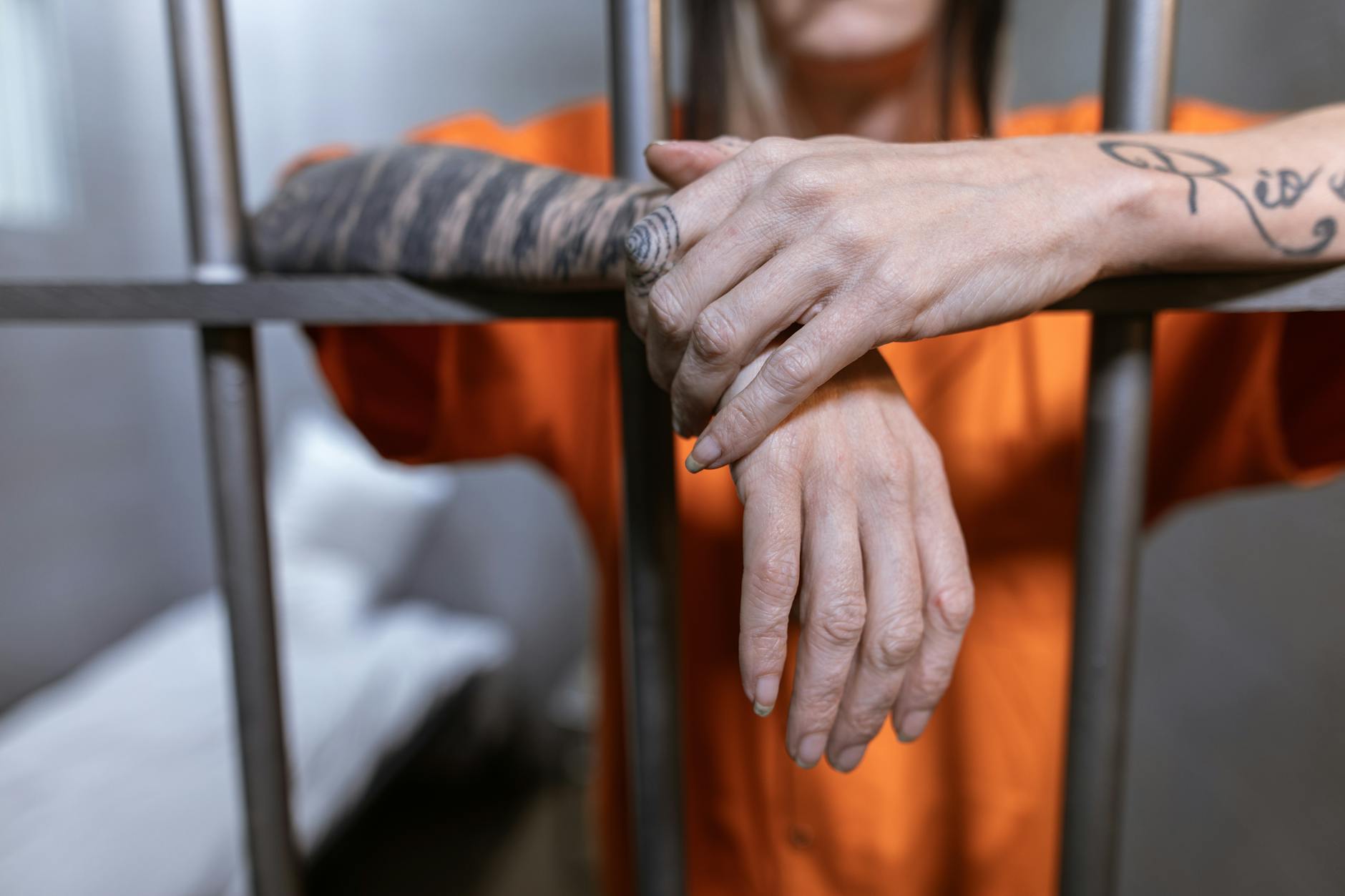
Veterans Court provides an alternative to traditional felony convictions, allowing veterans to receive treatment and support rather than punishment. This specialized court acknowledges the unique challenges faced by military personnel, including post-traumatic stress disorder (PTSD) and other combat-related mental health issues.
Studies have shown that one in five veterans struggle with substance abuse and mental health issues after their service. Veterans Court offers a second chance for these individuals, providing a structured program that addresses their specific needs. The court works closely with social services and treatment providers to ensure veterans receive the support they require.
Veterans Court typically involves a combination of treatment, counseling, and community service, with the goal of rehabilitation rather than incarceration. Veterans who participate in the program are often able to avoid a felony conviction and instead receive a reduced charge or expungement of their record.
Breaking Down Barriers to Treatment and Rehabilitation

Veterans Court provides an alternative to traditional justice systems for military personnel and veterans who have committed crimes while struggling with the aftermath of their service. This specialized court focuses on rehabilitation and treatment rather than punishment.
The primary goal of Veterans Court is to address underlying issues such as post-traumatic stress disorder (PTSD), substance abuse, or mental health problems that may have contributed to the individual's actions. By acknowledging the unique challenges faced by veterans, these courts aim to provide the necessary support and resources to help them reintegrate into society.
Research has shown that Veterans Courts are highly effective in reducing recidivism rates among participants. A study by the National Center for State Courts found that 80% of veterans who completed Veterans Court programs were not rearrested within two years, compared to 55% of those who did not participate in such programs.
A Brighter Future for Veterans and Communities Impacted by Crime

Veterans Court offers a unique approach to justice, focusing on rehabilitation and treatment rather than punishment for military veterans who have committed crimes. This specialized court was created to help veterans overcome the challenges of transitioning to civilian life, often marked by PTSD, substance abuse, and unemployment.
A key feature of Veterans Court is its emphasis on accountability and responsibility. Veterans are held accountable for their actions, but the court also provides them with access to support services, such as counseling, job training, and medical care, to help them overcome the underlying issues that contributed to their crime.
According to the National Institute of Justice, one in five veterans who appear in court are eligible for Veterans Court.
Veterans Court has emerged as a beacon of hope for those who have served their country, providing a second chance at redemption and rehabilitation for one in five eligible veterans. This specialized court system addresses the unique needs and challenges faced by veterans, offering a more effective and compassionate approach to justice.
Need this answered for your specific case?
Get a flat-fee consultation with a verified U.S. immigration attorney. Engagement letter on every paid consult.
Related guides
-
Sanctions on Juvenile Offenders Cut Recidivism Rate by 27% in First Year
7 min read · May 13, 2026
-
Federal Court Rules Graduated Sanctions Can Reduce Recidivism by 30% in Prisons
6 min read · May 13, 2026
-
Four-Year Prison Sentence for Man Convicted of 12 Technical Violations of Probation
6 min read · May 11, 2026
This guide provides general legal information and does not create an attorney–client relationship. Information accurate as of July 2026. Always verify current USCIS guidance before acting.