
Policing has evolved dramatically over the past century, with modern authorities now operating in a complex landscape of technology, public expectation, and legal frameworks. The concept of modern policing authority encompasses the power and responsibility vested in law enforcement agencies to maintain public order, prevent and detect crime, and protect life and property. This authority is not merely about wielding power but also about exercising it judiciously and accountably.
Understanding what is modern policing authority is crucial for citizens, as it directly impacts their safety and rights. Modern policing authority refers to the legitimate power given to police forces to enforce laws, investigate crimes, and ensure public safety. It is shaped by constitutional principles, legal statutes, and community expectations. This authority is not static; it adapts to societal changes, technological advancements, and evolving legal standards. For instance, the rise of digital crime has necessitated new policing strategies and legal frameworks, demonstrating the dynamic nature of modern policing authority.
Evolution of Policing Authority

The evolution of policing authority reflects broader societal changes. From its origins in early civilizations, policing has transformed significantly. The modern era witnessed a shift from reactive to proactive strategies. Today, authorities emphasize community engagement and technological integration. This evolution mirrors the growing complexity of societal needs and expectations.
Historically, policing focused on maintaining order through visible presence and swift response. The 19th century introduced organized police forces, formalizing the role. By the mid-20th century, community policing emerged as a key strategy. This approach emphasizes building trust and collaboration with residents. According to a leading criminologist, effective policing now requires a balance of enforcement and partnership.
Technology has revolutionized modern policing. Data analytics, body-worn cameras, and predictive policing tools enhance efficiency. These innovations enable authorities to anticipate and prevent crime. However, they also raise concerns about privacy and surveillance. Striking this balance remains a critical challenge for modern policing.
Legal frameworks have evolved to adapt to new policing methods. Laws now address issues like digital evidence and cybercrime. These changes reflect the increasing role of technology in crime. Policymakers continue to refine regulations to ensure accountability. The goal is to protect both public safety and individual rights.
Core Principles of Modern Policing
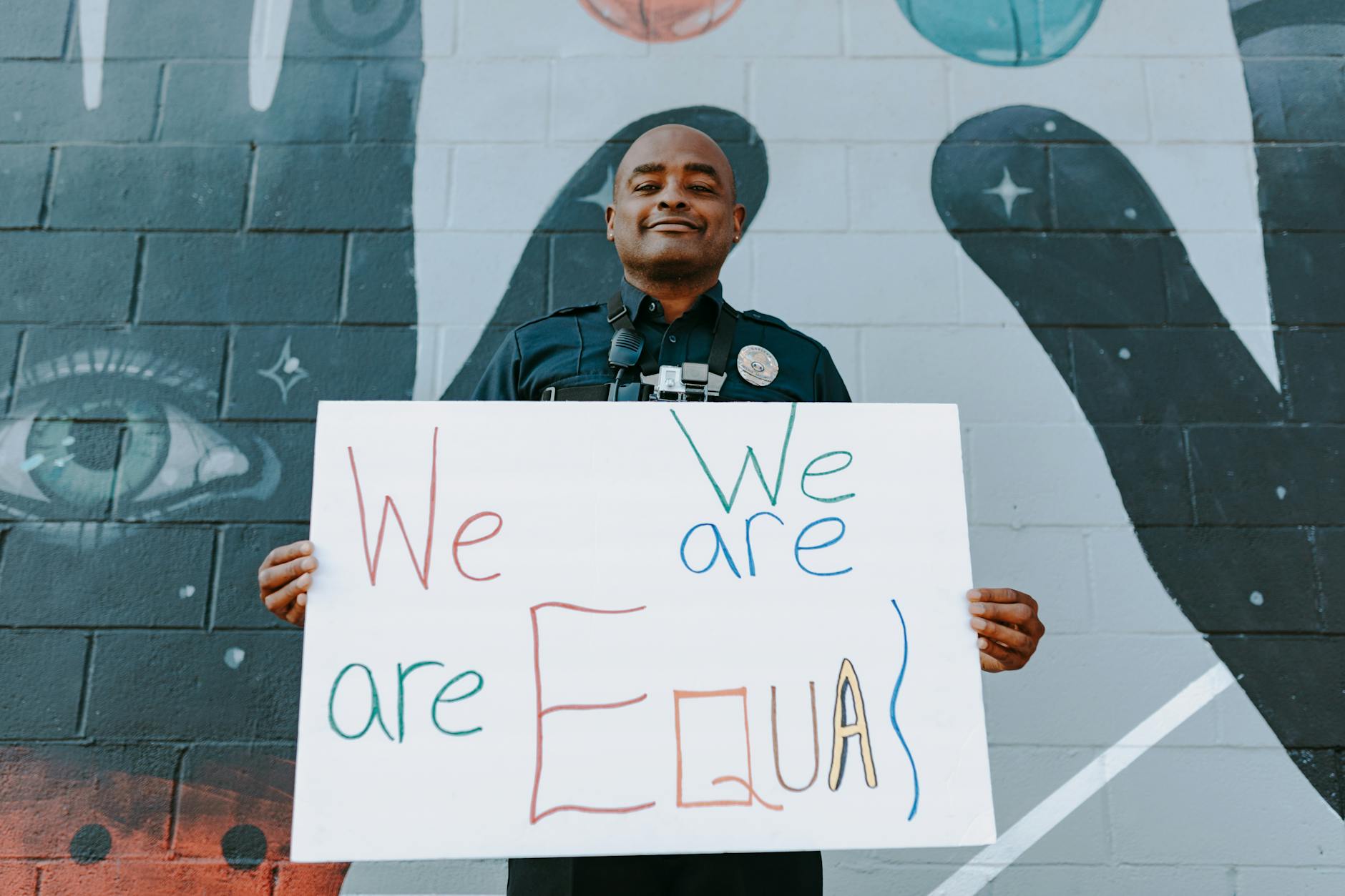
Modern policing authority is built on a foundation of core principles designed to balance public safety with individual rights. At its heart lies the concept of community policing, which emphasizes proactive problem-solving and partnerships with local residents. This approach shifts the focus from reactive enforcement to preventive strategies, fostering trust and cooperation between law enforcement and the communities they serve.
A critical aspect of modern policing is the adherence to constitutional and legal standards. Officers are trained to respect civil liberties while maintaining order, ensuring that their actions align with the law. This principle is reinforced by regular training and accountability measures, which help maintain public confidence in the system.
Technology plays a pivotal role in shaping modern policing authority. From predictive policing algorithms to body-worn cameras, technological advancements enhance both efficiency and transparency. According to a recent study by the Police Executive Research Forum, the use of body cameras has been shown to reduce complaints against officers by up to 90%. This integration of technology not only improves operational capabilities but also promotes accountability and public trust.
Another cornerstone of modern policing is the emphasis on de-escalation and crisis intervention. Officers are equipped with specialized training to handle situations involving mental health crises or volatile individuals. This approach prioritizes safety for both the public and the officers, reducing the likelihood of violent confrontations. By focusing on de-escalation techniques, modern policing authority aims to create a safer environment for all.
Technology's Role in Modern Policing

Technology has revolutionized modern policing, transforming how authorities maintain order and protect communities. Body-worn cameras, for instance, have become standard in many departments, with a 2022 study showing a 10% reduction in use-of-force incidents in agencies that adopted them. These devices provide critical evidence, enhance transparency, and build public trust. Additionally, predictive policing software analyzes crime data to identify potential hotspots, enabling proactive patrols and resource allocation.
Digital forensics has also become indispensable. Cybercrime units investigate online threats, from hacking to cyberstalking, using advanced tools to trace digital footprints. Social media monitoring further aids in threat detection, allowing authorities to respond swiftly to emerging dangers. The integration of these technologies has streamlined investigations, often leading to quicker resolutions.
However, the rise of technology in policing brings ethical considerations. Privacy concerns arise with surveillance tools, prompting debates about balancing security and civil liberties. Experts emphasize the need for clear guidelines to prevent misuse. Despite these challenges, technology remains a cornerstone of modern policing, continually evolving to meet new threats and enhance public safety.
Community Engagement and Transparency

Modern policing authority extends beyond traditional law enforcement, emphasizing community engagement as a cornerstone. Police departments increasingly adopt community-oriented policing strategies, fostering trust and collaboration. These initiatives include neighborhood watch programs, regular town hall meetings, and partnerships with local organizations. By actively involving residents, police build stronger relationships and gain valuable insights into community concerns.
A 2022 study by the Police Executive Research Forum revealed that agencies with robust community engagement programs reported a 20% increase in public satisfaction and cooperation. This transparency builds trust, making residents more likely to report crimes and work with law enforcement.
Transparency plays a crucial role in modern policing. Police departments now proactively share information about their policies, procedures, and performance metrics. Body-worn cameras, open data portals, and regular updates on social media platforms contribute to this openness. Such measures ensure accountability and help dispel misconceptions about police actions.
Experts argue that transparency and community engagement are not just beneficial but essential for effective policing. They create a feedback loop where communities and police work together to address issues. This collaborative approach leads to more effective crime prevention and resolution strategies, ultimately enhancing public safety.
Future Challenges and Innovations

Modern policing faces an evolving landscape of challenges and innovations. Cybercrime presents a significant hurdle, with the FBI reporting a 300% increase in cybercrime reports during the pandemic. Law enforcement agencies must adapt, investing in digital forensics and cybersecurity training. This shift demands a new skill set, blending traditional policing with technological prowess.
Community engagement remains crucial. Police departments are fostering trust through transparency initiatives and proactive outreach. Body-worn cameras and real-time data sharing with the public are becoming standard. These steps aim to bridge the gap between law enforcement and the communities they serve.
Artificial intelligence and predictive policing tools are on the rise. These technologies promise to enhance efficiency and accuracy. However, they also raise ethical concerns about privacy and bias. Striking a balance between innovation and civil liberties will be key.
Climate change is an emerging challenge. Extreme weather events and natural disasters require policing strategies that prioritize public safety and emergency response. Police departments are collaborating with environmental agencies to prepare for these scenarios. This proactive approach underscores the adaptability of modern policing.
Modern policing authority is fundamentally about balancing power with accountability, ensuring communities are protected while rights are preserved. It's a dynamic concept, shaped by law, public expectation, and technological advancement. To implement these principles effectively, law enforcement agencies should regularly review and update their policies, ensuring they reflect current laws and community values. Looking ahead, the evolution of policing authority will likely be driven by technological innovations, such as AI and predictive policing, which will require careful navigation to maintain public trust.
Need this answered for your specific case?
Get a flat-fee consultation with a verified U.S. immigration attorney. Engagement letter on every paid consult.
Related guides
This guide provides general legal information and does not create an attorney–client relationship. Information accurate as of July 2026. Always verify current USCIS guidance before acting.