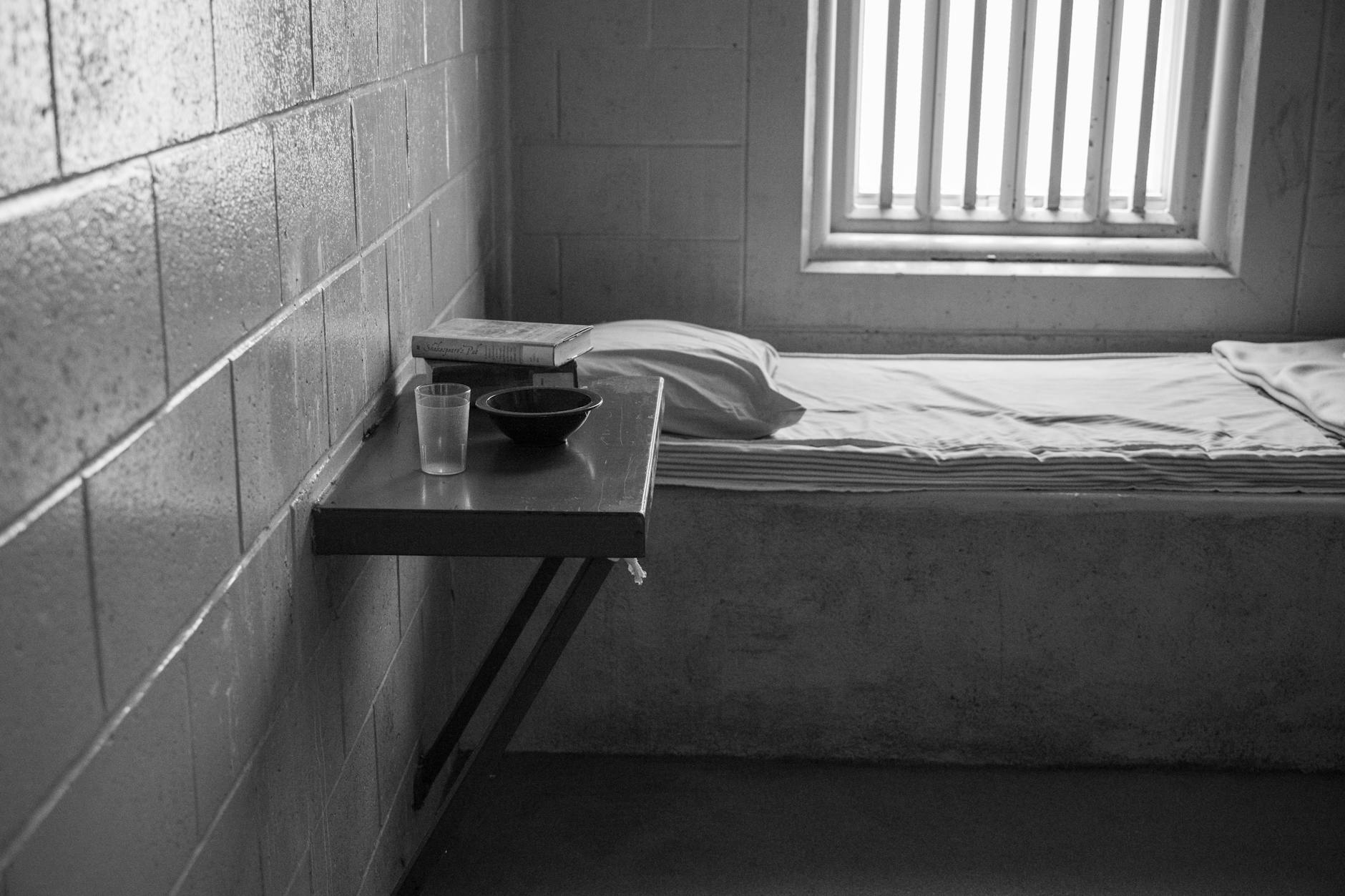
The Devastating Reality of the US Youth Detention System
More than 70,000 children are held in US youth detention centers annually, a staggering number that underscores the need for a deeper understanding of this complex issue. These youth detention centers are designed to house and rehabilitate young people who have committed crimes or are deemed a risk to themselves or others.
Youth detention centers are a type of facility that provides a range of services, including education, counseling, and job training, to help young people develop the skills they need to reintegrate into society. These centers can range in size from small, rural facilities to large, urban institutions, and may offer a variety of programs to meet the unique needs of the youth in their care. Understanding what a youth detention center is and how it operates is crucial to grappling with the challenges of the US youth detention system.
Understanding the Purpose and Function of Youth Detention Centers
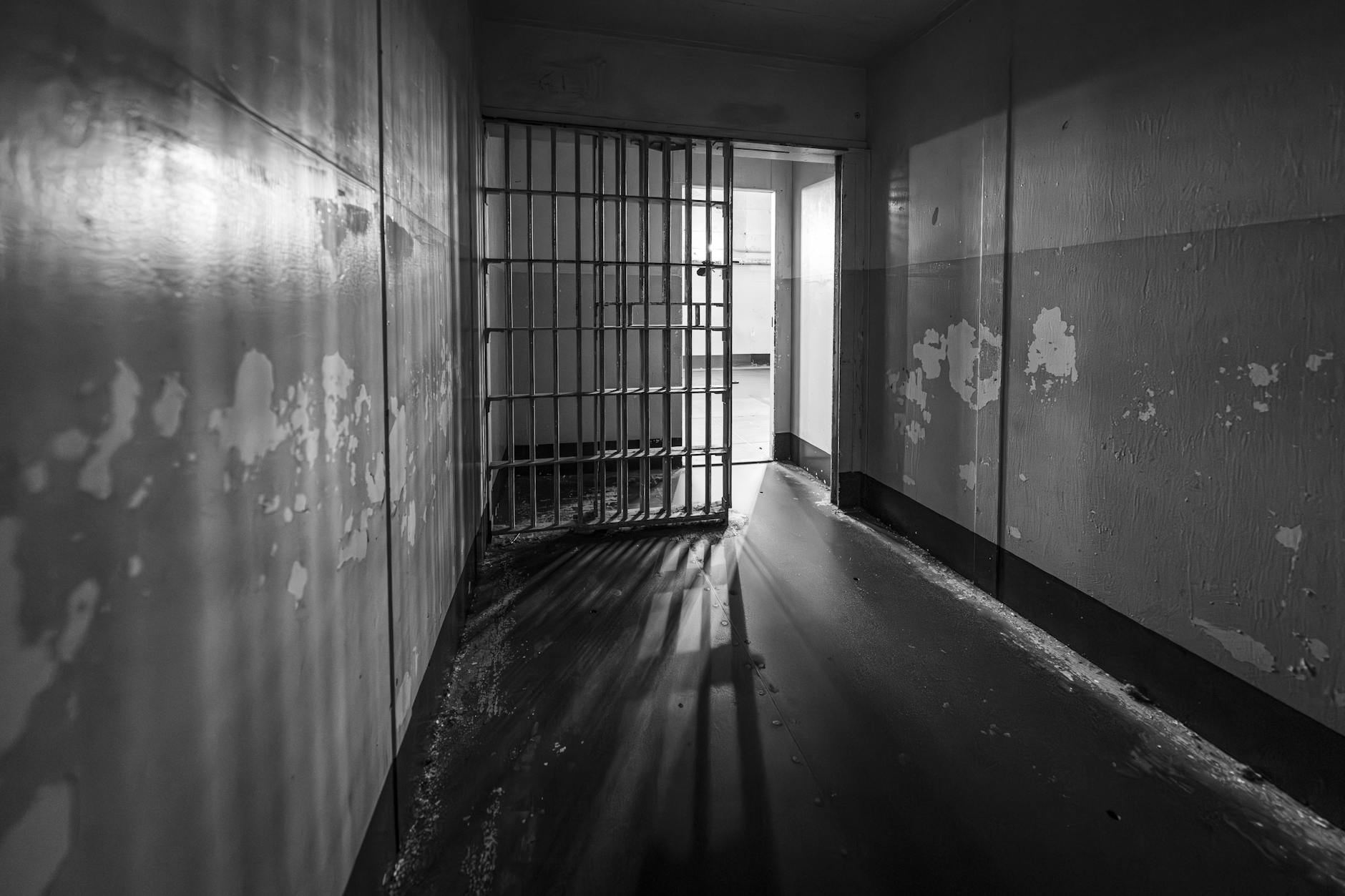
Youth detention centers, also known as juvenile detention centers or juvenile halls, are secure facilities designed to house and rehabilitate young individuals who have committed crimes or have been accused of crimes. These centers provide a safe and controlled environment for minors to receive education, counseling, and other support services while awaiting trial or serving a sentence.
There are various types of youth detention centers, including local and state facilities, as well as private institutions. Local facilities often have limited capacity and may serve as a temporary holding place for minors before they are transferred to a state or private facility. According to the National Conference of State Legislatures, the number of youth detention facilities has been declining in recent years, with a 14% decrease between 2000 and 2015.
Youth detention centers typically have a small staff-to-youth ratio, with trained counselors and educators working to address the individual needs of each resident. The primary goal of these centers is to promote rehabilitation and help young individuals develop the skills and behaviors necessary to lead productive and law-abiding lives. By providing a structured environment and access to educational and therapeutic programs, youth detention centers aim to reduce recidivism rates and support successful reintegration into society.
Youth Detention Centers: Where Children Are Held and Rehabilitated
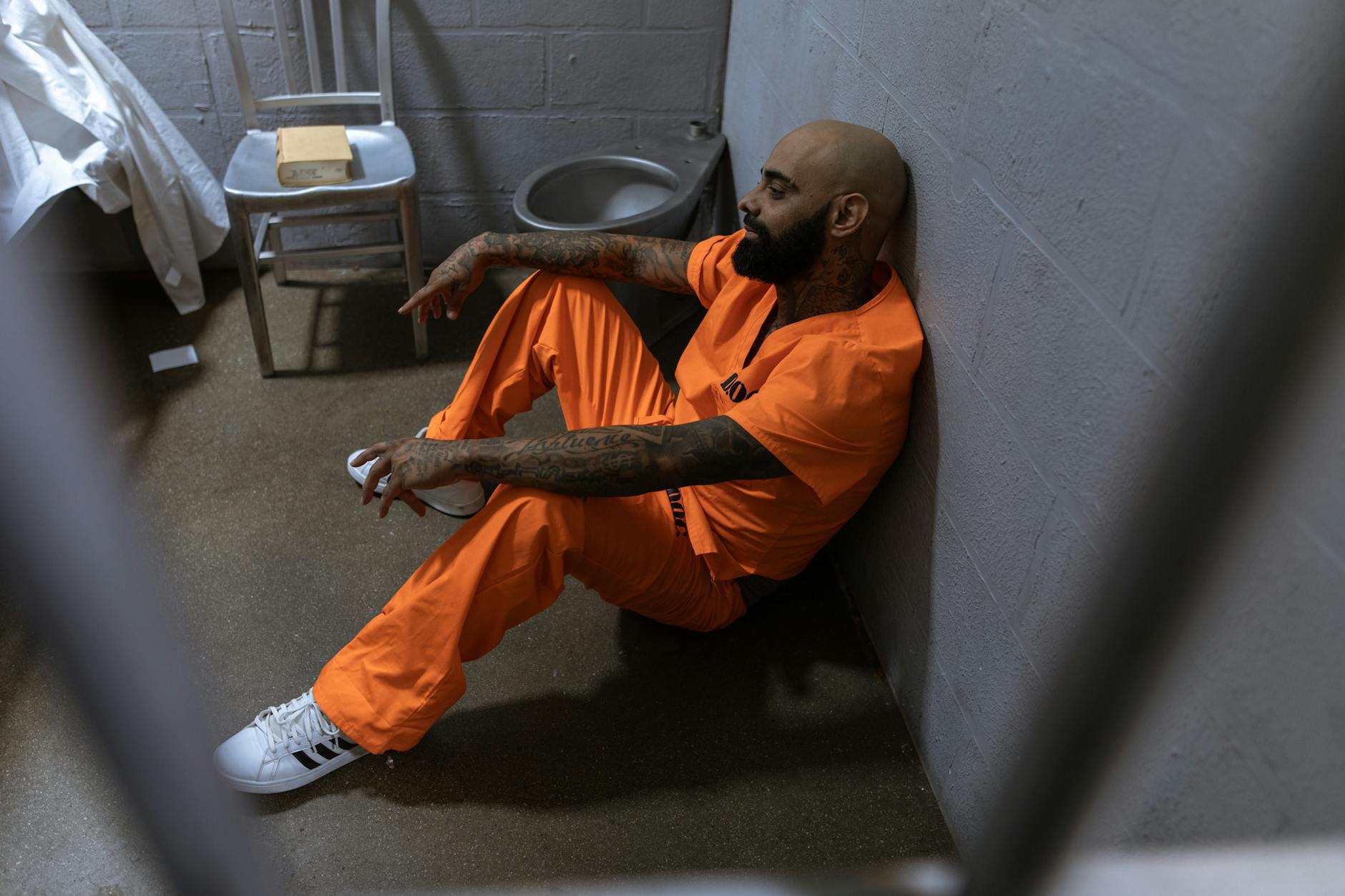
Youth detention centers are facilities designed to hold and rehabilitate children who have committed crimes or are awaiting trial. These centers typically serve as a temporary home for young offenders, providing a safe and structured environment to address their behavior and help them reintegrate into society.
The primary goal of a youth detention center is to support the rehabilitation and reintegration of its residents. This is often achieved through a combination of educational, therapeutic, and recreational programs, which aim to address the underlying issues that may have led to the child's involvement in the justice system. According to the National Center for Juvenile Justice, approximately 70% of youth detention center residents have mental health issues.
Youth detention centers vary in size and type, ranging from small, rural facilities to larger, urban institutions. Some centers focus on providing specialized services, such as substance abuse treatment or counseling for children with trauma. Each facility has its own unique approach, but the overall objective remains the same: to help young people overcome their challenges and become productive members of their communities.
Breaking Down the Structure and Daily Life Within Centers
Youth detention centers in the United States serve as temporary housing facilities for minors who have committed crimes or are awaiting trial. Typically, these centers are overseen by the Department of Juvenile Justice or a similar state agency. According to the latest data, approximately 4,500 youth detention facilities exist across the country, with an average occupancy rate of 73%.
These centers provide basic necessities such as food, shelter, and medical care. However, the living conditions can be harsh, with limited access to educational and recreational activities. The majority of youth detention centers are designed to hold minors for short periods, usually several weeks or months, before they are either released back to their families or transferred to a different facility.
Detention center staff often work to rehabilitate the youths by offering counseling, job training, and life skills programs. However, many experts argue that these efforts are often insufficient to address the underlying issues that led to the youths' incarceration in the first place. As a result, recidivism rates remain a significant concern, with some studies suggesting that up to 70% of released youths will reoffend within two years.
Navigating the Challenges of Living in a Youth Detention Center
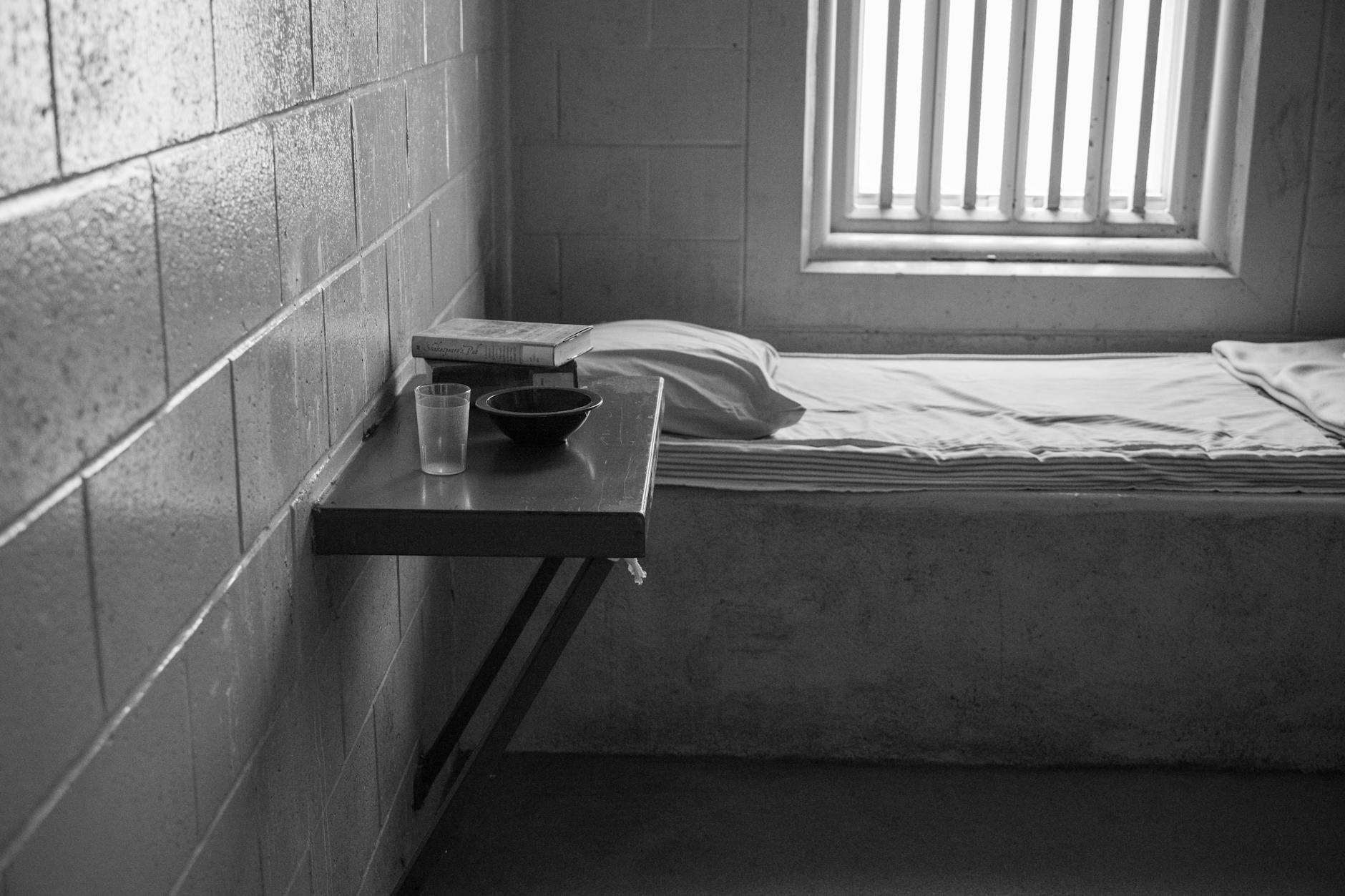
A youth detention center, also known as a juvenile justice facility, is a secure institution that houses minors who have committed crimes or are awaiting trial. These facilities are designed to provide a safe and supportive environment for young people who have been removed from their homes due to delinquency or other issues.
Youth detention centers vary in their purpose and function, with some focused on rehabilitation and education, while others prioritize security and punishment. According to the National Conference of State Legislatures, approximately 60% of youth detention centers in the US emphasize rehabilitation, with programs such as counseling, job training, and academic education.
Shaping the Future of Juvenile Justice and Reforming Detention Systems
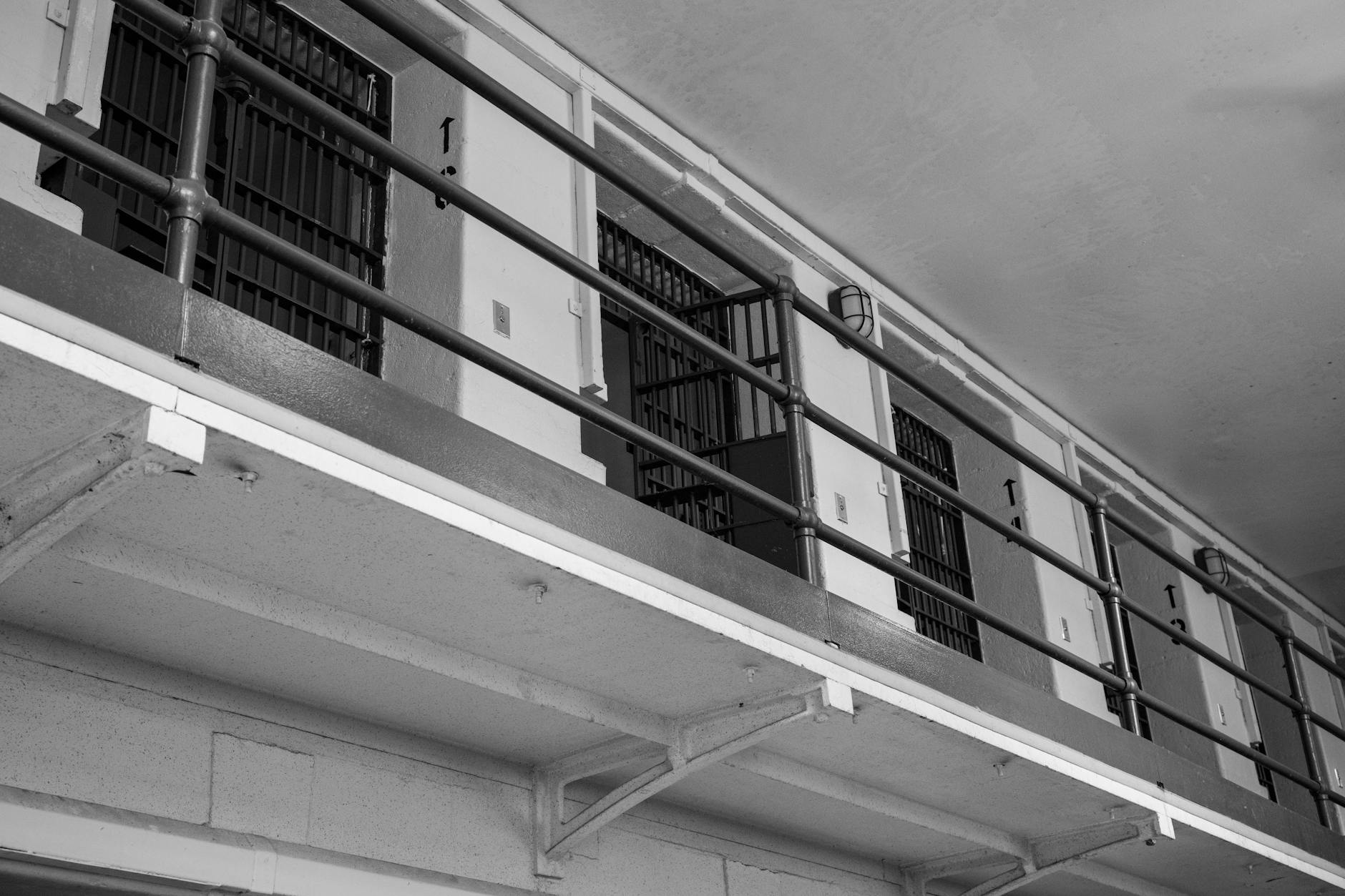
Youth detention centers are places of confinement for minors who have committed crimes or are awaiting trial.
They are designed to provide a safe and structured environment for young people to learn from their mistakes and develop skills to reintegrate into society.
These facilities can be part of the juvenile justice system, which handles cases involving minors.
A youth detention center typically provides a range of services, including education, counseling, and recreational activities.
According to the American Academy of Pediatrics, nearly 70% of youth in detention centers have a mental health disorder.
Staff at these centers work with the young people to address behavioral issues and develop rehabilitation plans.
Youth detention centers vary in size and type.
Some are secured facilities with locked doors and bars, while others are more open and resemble traditional schools.
Regardless of the design, the goal of a youth detention center is to help young people grow and learn from their experiences.
Youth detention centers are a stark reality in the United States, where over 70,000 children are held annually, often without access to basic necessities, quality education, or adequate care. These centers serve as a temporary home for minors who have committed crimes or are awaiting trial, but the harsh conditions and lack of individualized treatment can have long-lasting effects on their emotional, social, and psychological well-being. As we shed light on the realities of these facilities, it is crucial that policymakers and community leaders prioritize diversion programs, counseling services, and family support to help these vulnerable youth receive the help they need to turn their lives around, ultimately allowing them to reintegrate into society with the skills and resilience to thrive.
Need this answered for your specific case?
Get a flat-fee consultation with a verified U.S. immigration attorney. Engagement letter on every paid consult.
Related guides
-
Sanctions on Juvenile Offenders Cut Recidivism Rate by 27% in First Year
7 min read · May 13, 2026
-
Federal Court Rules Graduated Sanctions Can Reduce Recidivism by 30% in Prisons
6 min read · May 13, 2026
-
Four-Year Prison Sentence for Man Convicted of 12 Technical Violations of Probation
6 min read · May 11, 2026
This guide provides general legal information and does not create an attorney–client relationship. Information accurate as of July 2026. Always verify current USCIS guidance before acting.