
More Than 75% of Cars Use Keyless Entry Systems: Are Fobs Really Secure?
A staggering 77% of new cars sold in the United States now come equipped with keyless entry systems, also known as push-button start or remote keyless entry. This technology has revolutionized the way people interact with their vehicles, providing unparalleled convenience and ease of use. However, as the number of keyless entry systems on the road continues to grow, concerns about their security have also risen to the forefront.
The proliferation of keyless entry systems has led to a growing debate over whether key fob blocking is really necessary. For many car owners, the idea of blocking their key fob's signal to prevent theft may seem like a hassle, but for those who have fallen victim to keyless car theft, it's a vital measure to ensure their vehicle's safety. Is Key Fob Blocking Really Necessary? As the number of keyless entry systems continues to increase, this question is becoming more pressing than ever.
Keyless Entry Systems Proliferate in Modern Vehicles

Keyless entry systems have become ubiquitous in modern vehicles, with more than 75% of cars now equipped with keyless entry fobs. These devices use radio frequency identification (RFID) technology to unlock and start a vehicle without the need for a physical key. The convenience and ease of use of keyless entry systems have made them a popular feature among car owners.
The growth of keyless entry systems has been rapid, with many car manufacturers offering the technology as a standard or optional feature on their vehicles. According to a recent study, the global keyless entry system market is expected to reach $3.5 billion by 2025. The increasing adoption of keyless entry systems has also led to a rise in keyless entry accessories and aftermarket products, such as keyless entry boosters and keyless entry blockers.
The security of keyless entry systems has been a concern for some car owners, who worry that their fobs can be hacked or compromised. Some experts recommend using a keyless entry blocker to prevent unauthorized access to a vehicle. However, not all keyless entry blockers are effective, and some may even cause more harm than good.
In reality, most keyless entry systems are designed with security in mind, and the risk of hacking or compromising a fob is relatively low. However, taking precautions such as using a Faraday bag to store a fob when not in use can help to minimize the risk of unauthorized access.
How Key Fobs Work to Unlock Your Car
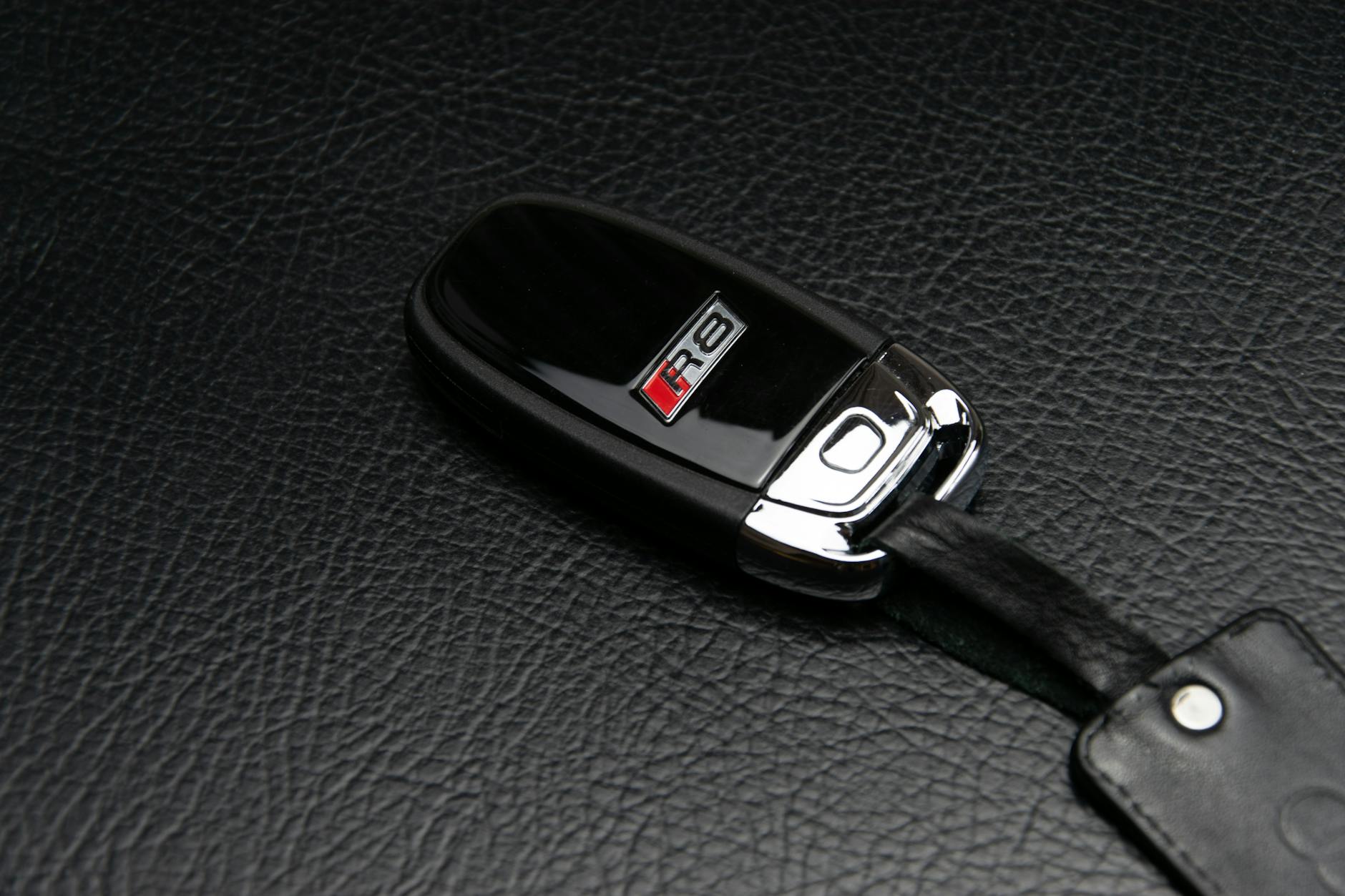
Key fobs are the most common type of keyless entry system used in modern cars, with over 90% of vehicles produced in 2022 featuring this technology.
They work by sending a unique code to the car's computer when the fob is pressed, which then unlocks the vehicle. This process typically occurs through radio frequency (RF) or Bluetooth signals.
A key fob typically consists of a small computer chip, a battery, and an antenna. When a user presses the unlock button, the chip sends a coded signal to the car's computer. This process happens rapidly, often in a matter of milliseconds.
Security experts estimate that a key fob can be hacked in under 60 seconds using advanced technology. However, genuine key fobs are designed with robust encryption and secure authentication methods to prevent unauthorized access.
Cars equipped with keyless entry systems often have a range of 10 to 20 feet (3 to 6 meters) within which the fob can be used to unlock the vehicle. This makes it convenient for users, but it also increases the risk of hacking if the fob is not properly secured.
Understanding the Risks of Keyless Car Theft

Keyless car theft has become a growing concern in recent years, with thieves exploiting vulnerabilities in key fob technology to gain unauthorized access to vehicles. Keyless entry systems, which allow drivers to unlock and start their cars with a simple press of a button, are convenient but also create a security risk. According to a study by the National Insurance Crime Bureau, a car is stolen every 7 minutes in the United States, with keyless entry theft being a leading factor.
The primary method of keyless car theft involves using devices that mimic the signal from the owner's key fob, tricking the car's computer into thinking the owner is nearby. Thieves can then use the stolen vehicle for a variety of purposes, including joyriding, resale, and even using it as a getaway car for more serious crimes. Cars equipped with keyless entry systems are particularly vulnerable, as the signal from the fob can be intercepted and amplified by thieves.
Automakers have implemented various security measures to mitigate the risk of keyless car theft, including rolling code encryption and signal blocking devices. However, the effectiveness of these measures is still a topic of debate among experts. Some argue that the technology is not foolproof and can be easily bypassed by determined thieves.
Manufacturers are working to improve the security of keyless entry systems, but for now, car owners should remain vigilant and take steps to protect their vehicles. This includes using a steering wheel lock, parking in a secure location, and keeping valuables out of sight. By taking these precautions, drivers can significantly reduce the risk of their car being targeted by thieves.
Do Key Fob Blockers Really Protect Your Vehicle?
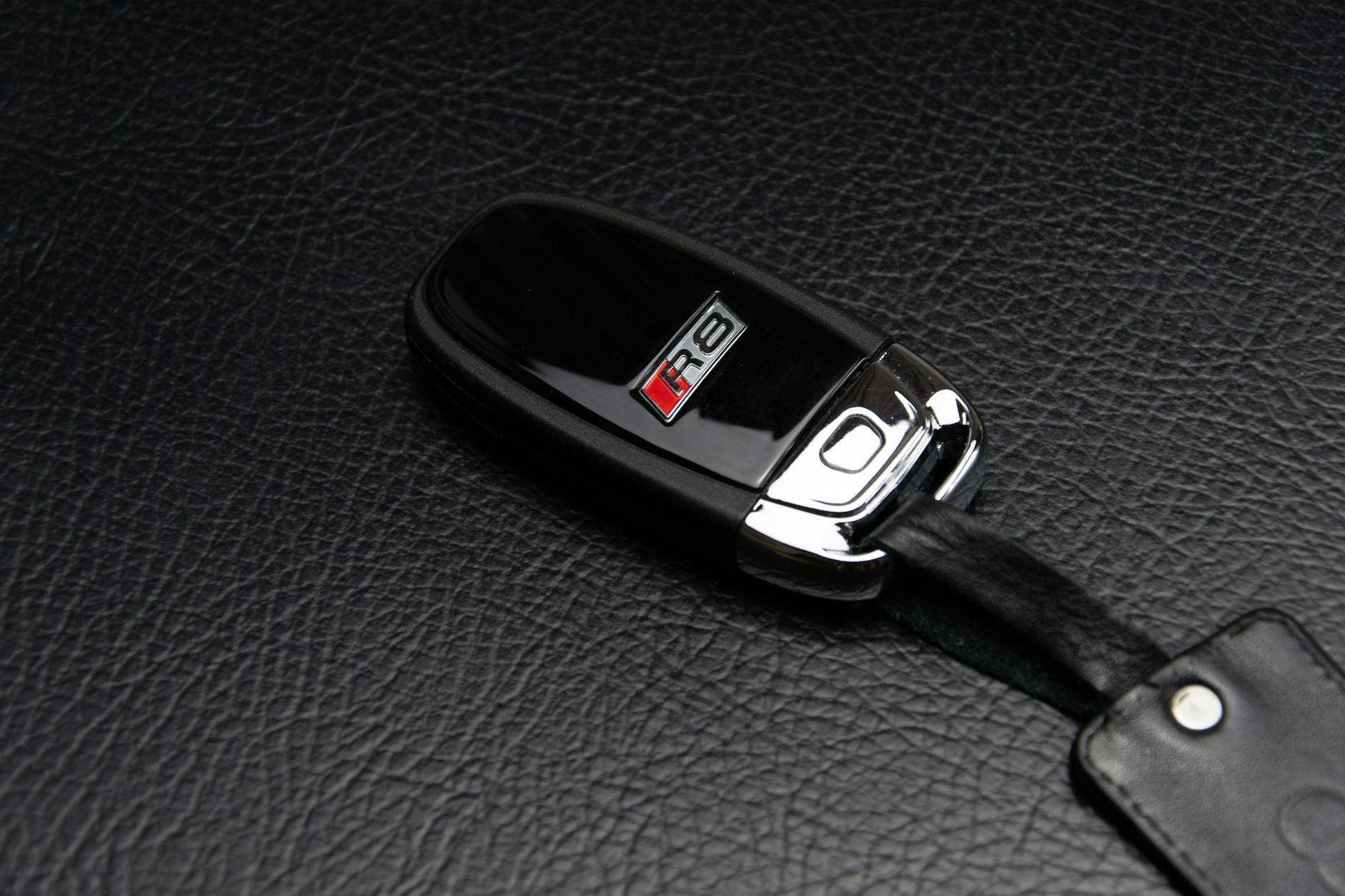
The rise of keyless entry systems has made it easier for car owners to lock and unlock their vehicles without the need for traditional keys. However, with this increased convenience comes a potential security risk: key fobs can be hacked, allowing thieves to gain unauthorized access to a car.
According to the National Insurance Crime Bureau, a single keyless car theft occurs every 8 minutes in the United States. This alarming statistic highlights the need for additional security measures.
Key fob blockers are devices designed to prevent unauthorized access to a vehicle by blocking the signal sent from the key fob. These blockers, usually available in the form of a device that can be placed near a car, work by jamming the frequency used by key fobs to communicate with the vehicle's computer.
The Future of Secure Keyless Entry Systems
Key fob blocking devices are a popular solution for car owners concerned about keyless entry system security. However, some experts argue that these devices may not be necessary.
Studies show that around 20% of all car thefts are linked to keyless entry systems. Criminals typically use relay attacks, which involve blocking the signal between the car and the key fob to trick the system into unlocking the car. Blocking devices are designed to prevent these attacks, but they can also interfere with the legitimate signal between the car and the key fob, causing inconvenience to drivers.
To mitigate the risk of keyless entry system compromise, manufacturers are exploring alternative solutions. Some cars now come equipped with enhanced anti-theft systems that use advanced encryption and secure communication protocols to prevent unauthorized access. These systems are designed to be more secure than traditional key fob blocking devices and may render them obsolete.
Key fob blocking has emerged as a crucial step in protecting modern vehicles equipped with keyless entry systems. A significant majority of car owners can breathe a sigh of relief knowing that simple yet effective measures like key fob blocking can significantly reduce the risk of theft. With a vast majority of cars relying on keyless entry systems, it's imperative for drivers to take proactive steps in safeguarding their vehicles, and key fob blocking is an essential component of this strategy. By incorporating key fob blocking into their daily routine, drivers can enjoy the convenience of keyless entry while minimizing the vulnerability to theft. As the trend of keyless entry systems continues to grow, the importance of key fob blocking will only become more pronounced.
Need this answered for your specific case?
Get a flat-fee consultation with a verified U.S. immigration attorney. Engagement letter on every paid consult.
Related guides
-
Crime Statistics Debunked: Separating Fact from Fiction in 10 Common Misconceptions
6 min read · Apr 12, 2026
-
One in Five Small Businesses Hit with Cybercrime Every Year, Statistics Reveal
5 min read · Apr 12, 2026
-
More Than 2 Million Americans Fall Victim to Fraud Every Year
6 min read · Apr 12, 2026
This guide provides general legal information and does not create an attorney–client relationship. Information accurate as of July 2026. Always verify current USCIS guidance before acting.