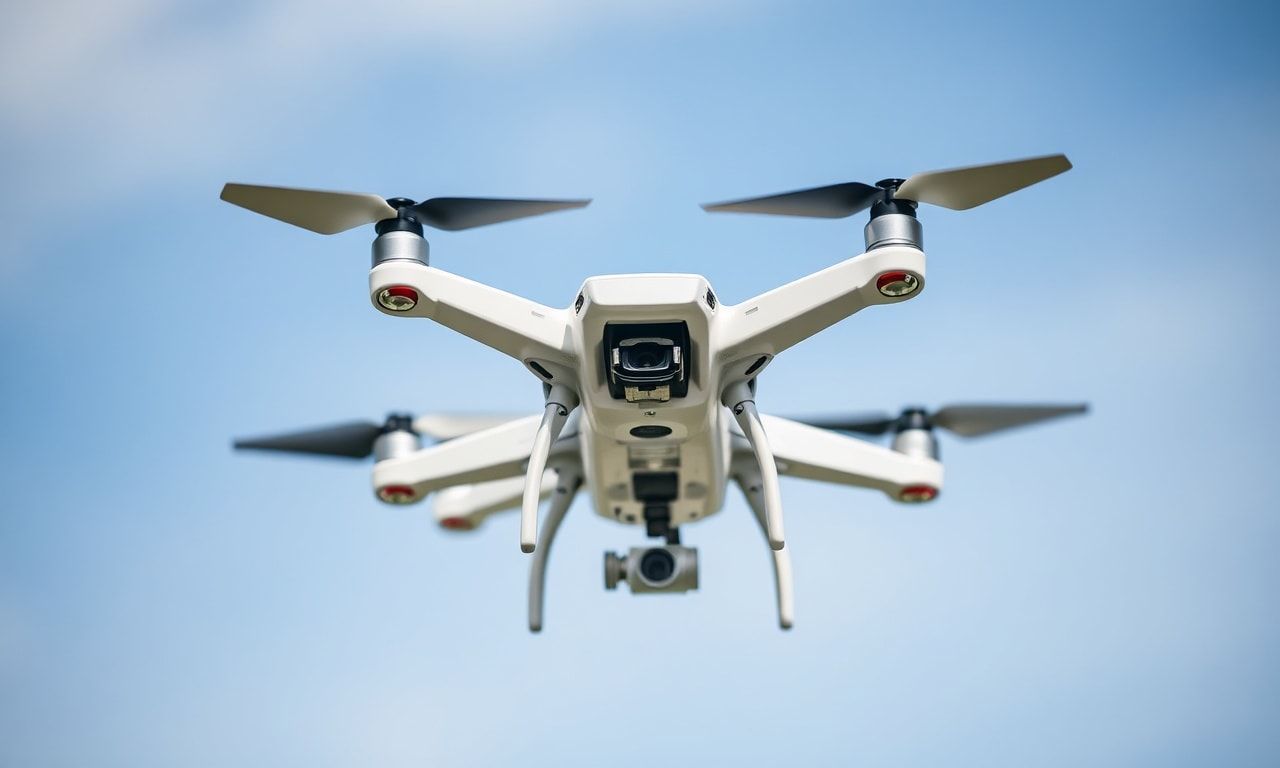
The Rise of Drone Technology and Its Legal Implications
Drone technology has rapidly evolved from a niche hobby to a mainstream tool used in various industries, including agriculture, filmmaking, and even law enforcement. With this rise comes a complex web of legal considerations that users and businesses must navigate. Understanding the legal landscape is crucial for anyone involved in drone operations to ensure compliance and avoid potential legal pitfalls.
Understanding Drone Regulations
The regulatory framework for drones varies significantly from country to country. In the United States, the Federal Aviation Administration (FAA) oversees drone operations under Part 107 of the Federal Aviation Regulations. These regulations cover aspects such as pilot certification, operational limitations, and safety protocols. Similarly, the European Union has established its own set of rules through the European Union Aviation Safety Agency (EASA), which categorizes drones based on their weight and intended use.
For those operating drones in the United States, it is essential to obtain a Remote Pilot Certificate from the FAA. This certification requires passing an initial aeronautical knowledge test and adhering to ongoing training requirements. Additionally, operators must comply with specific operational rules, such as flying below 400 feet, maintaining visual line of sight, and avoiding restricted airspace.
International Drone Laws
Internationally, drone laws can be even more varied and complex. For instance, in Canada, Transport Canada regulates drone operations under the Canadian Aviation Regulations (CARs). Operators must follow rules related to safety, privacy, and security. In contrast, countries like Japan and Australia have implemented their own unique regulatory frameworks, often focusing on safety and privacy concerns.
It is crucial for drone operators to stay informed about the latest updates in drone technology and the corresponding legal changes. Websites like latest updates in drone technology can provide valuable insights into emerging trends and regulatory updates, helping operators stay compliant and informed.
Privacy and Security Concerns
One of the most significant legal concerns surrounding drone technology is privacy. Drones equipped with cameras and other sensors can capture images and data from private properties, raising concerns about invasion of privacy. In response, many jurisdictions have implemented specific privacy laws to address these issues. For example, in the European Union, the General Data Protection Regulation (GDPR) applies to drone operations that involve the collection and processing of personal data.
In the United States, privacy laws are more fragmented, with various states enacting their own regulations. For instance, California has implemented the California Consumer Privacy Act (CCPA), which includes provisions related to drone data collection. Operators must be aware of these laws and ensure that their operations comply with local privacy regulations to avoid legal repercussions.
Data Protection and Compliance
Data protection is another critical aspect of drone operations. Drones can collect vast amounts of data, including images, videos, and geospatial information. Operators must ensure that this data is stored and processed securely, in compliance with relevant data protection laws. This may involve implementing encryption measures, accessing data only when necessary, and ensuring that data is not retained longer than required.
Liability and Insurance Considerations
Operating drones also involves potential liability risks. In the event of an accident or incident, drone operators may be held liable for damages. To mitigate these risks, it is essential to obtain appropriate insurance coverage. Many jurisdictions require drone operators to have liability insurance, which can protect against claims arising from property damage, personal injury, or other incidents.
Additionally, operators should be aware of their legal responsibilities in the event of an incident. This may include reporting the incident to relevant authorities, cooperating with investigations, and providing necessary documentation. Understanding these responsibilities can help operators navigate the legal landscape more effectively and minimize potential liabilities.
Future Trends and Legal Developments
The legal landscape surrounding drone technology is continually evolving. As new technologies emerge, regulators are likely to implement additional rules and regulations to address emerging concerns. For instance, the development of autonomous drones and drone swarms may necessitate new regulatory frameworks to ensure safety and security.
Staying informed about these developments is crucial for drone operators and businesses. By keeping up with the latest updates in drone technology and regulatory changes, operators can ensure that their operations remain compliant and adapt to new legal requirements. This proactive approach can help mitigate risks and maximize the benefits of drone technology in various industries.
To stay informed about recent changes and legal aspects in employment law, consider reviewing Türkiye’s latest labor law updates.
In the pursuit of maintaining mental well-being and legal acumen, consider exploring practices for mindful daily living to enhance focus and clarity in your professional life.
To better understand the legal implications and opportunities at the crossroads of property law and sustainable energy, delve into real estate's renewable energy shift.
Need this answered for your specific case?
Get a flat-fee consultation with a verified U.S. immigration attorney. Engagement letter on every paid consult.
Related guides
This guide provides general legal information and does not create an attorney–client relationship. Information accurate as of August 2026. Always verify current USCIS guidance before acting.