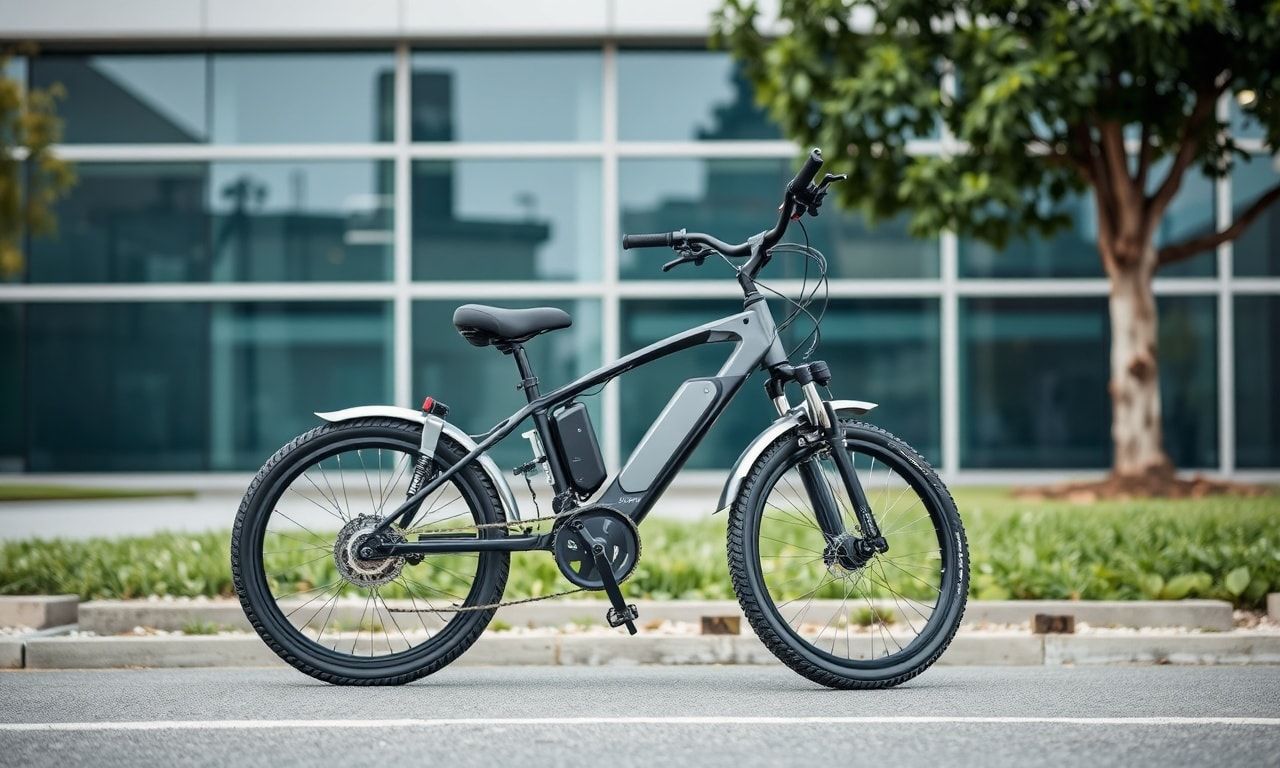
The Evolution of Electric Bike Laws
The legal landscape surrounding electric bikes (e-bikes) has been rapidly evolving, with new regulations and classifications emerging globally. As we approach 2026, it is crucial for both consumers and manufacturers to stay informed about these changes to ensure compliance and avoid potential legal pitfalls. This article aims to provide a comprehensive overview of the current and upcoming legal framework governing e-bikes, focusing on key regulations, safety standards, and consumer rights.
Classification of Electric Bikes
One of the primary challenges in e-bike regulations is the varying classification systems adopted by different jurisdictions. Generally, e-bikes are categorized based on factors such as maximum speed, motor power, and whether the bike is pedal-assisted or throttle-controlled. For instance, in the United States, the Consumer Product Safety Commission (CPSC) classifies e-bikes into three main categories:
- Class 1: Pedal-assisted e-bikes with a maximum speed of 20 mph and a motor power of 750 watts or less.
- Class 2: Throttle-controlled e-bikes with a maximum speed of 20 mph and a motor power of 750 watts or less.
- Class 3: Pedal-assisted e-bikes with a maximum speed of 28 mph and a motor power of 750 watts or less.
Understanding these classifications is essential for consumers looking to purchase top-rated electric bikes for long-distance travel in 2026, as they may impact where and how the bike can be used.
Safety Standards and Compliance
Safety standards for e-bikes are designed to protect both riders and pedestrians. In 2026, many regions are expected to implement stricter safety regulations, including mandatory helmet laws, lighting requirements, and specific lane usage rules. For example, some cities may require e-bike riders to use designated bike lanes or paths, while others may allow them on sidewalks under certain conditions. Additionally, manufacturers will be required to comply with stringent safety testing and certification processes to ensure their products meet the necessary standards.
Consumer Rights and Legal Protections
As the popularity of e-bikes continues to grow, so do the legal protections for consumers. In 2026, consumers can expect enhanced rights regarding product liability, warranties, and recalls. For instance, if an e-bike is found to have a defect that poses a safety risk, manufacturers may be held liable for damages. Consumers should be aware of their rights under local consumer protection laws and seek legal advice if they encounter issues with their e-bike purchase.
Environmental and Infrastructure Considerations
The legal framework for e-bikes also addresses environmental and infrastructure considerations. Many cities are investing in bike-friendly infrastructure, such as dedicated e-bike lanes and charging stations, to promote sustainable transportation. Additionally, e-bike regulations may include provisions for reducing noise pollution and minimizing the environmental impact of e-bike batteries. As we move towards 2026, it is likely that these considerations will play an increasingly significant role in shaping e-bike laws.
Future Trends and Legal Implications
Looking ahead to 2026, several trends are expected to influence e-bike regulations. The rise of smart e-bikes equipped with advanced technology, such as GPS tracking and anti-theft features, may lead to new legal considerations regarding data privacy and cybersecurity. Furthermore, the growing popularity of e-bike sharing programs may prompt lawmakers to establish specific regulations for shared e-bike usage and liability. Staying informed about these trends and their legal implications will be crucial for both consumers and industry stakeholders.
As urban mobility regulations evolve, discover how Dundee is pioneering sustainable transport with new e-bike initiatives that could reshape local commuting laws.
To ensure you’re well-informed about the legal aspects, consider reviewing electric bicycle usage laws and your rights as a rider.