The Intersection of Art and Law
The world of public art and graffiti is a vibrant and dynamic space that often intersects with legal boundaries. Understanding the legal implications of creating or displaying art in public spaces is crucial for artists, property owners, and local communities. This article delves into the legal aspects of public art, focusing on graffiti, its cultural significance, and the regulations that govern it.
The Cultural Significance of Graffiti
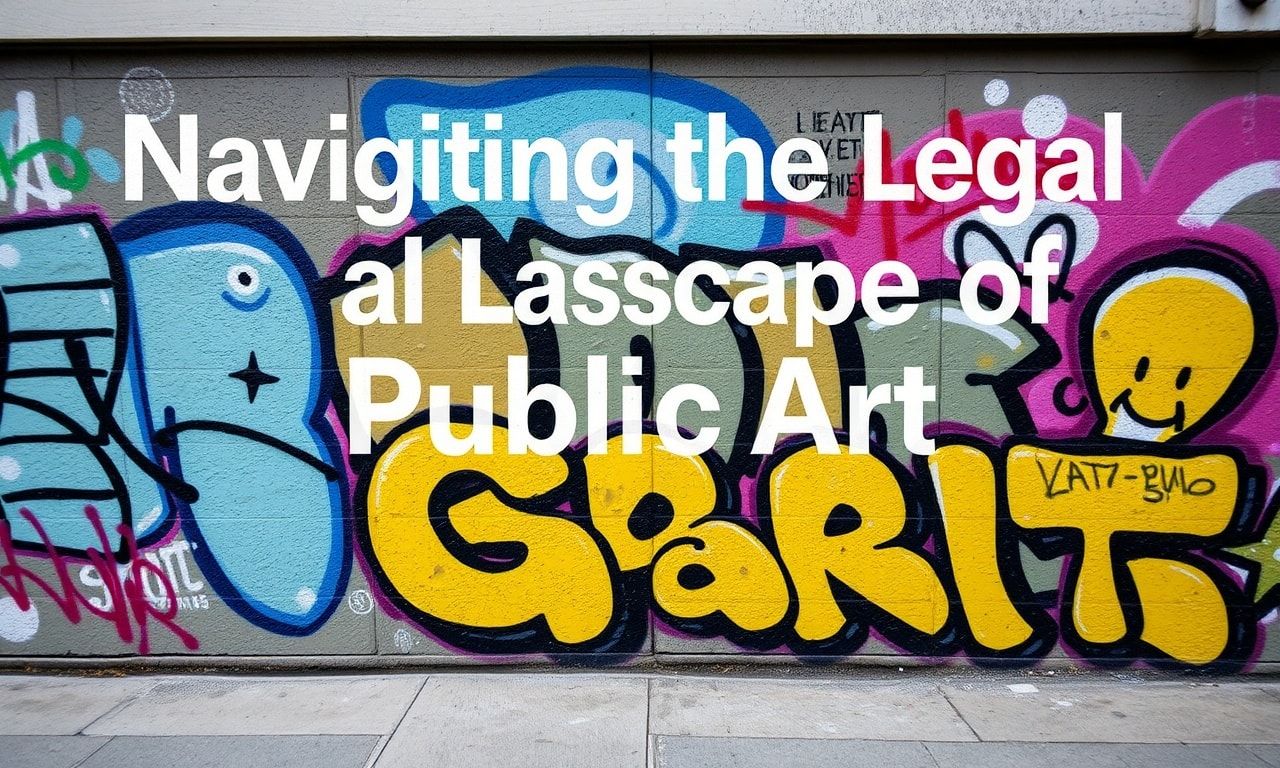
Graffiti, often viewed as a form of sokak sanatı grafiti kültürü, has evolved from being merely an act of vandalism to a recognized art form. It serves as a medium for social commentary, political expression, and cultural identity. However, the legality of graffiti varies widely depending on jurisdiction and context. What might be considered a criminal act in one place could be celebrated as a cultural contribution in another.
Legal Definitions and Distinctions
From a legal standpoint, graffiti can be categorized into several types, each with its own set of regulations. Street art, muralism, and tagging are some of the common forms. Street art often receives more legal protection and recognition compared to tagging, which is frequently associated with vandalism. Understanding these distinctions is essential for both artists and law enforcement.
In many jurisdictions, graffiti is defined as the unauthorized marking or defacing of property. This can include spray painting, etching, or any other form of permanent marking without the property owner’s consent. The penalties for such acts can range from fines to imprisonment, depending on the severity and frequency of the offenses.
Regulations and Penalties
The legal framework surrounding graffiti varies significantly across different countries and even within regions of a single country. For instance, some cities have implemented programs to legalize graffiti in designated areas, providing artists with a space to express themselves without fear of legal repercussions. These programs often aim to reduce vandalism by offering alternative outlets for artistic expression.
Penalties for illegal graffiti can be severe. In addition to criminal charges, offenders may be required to pay restitution for the damage caused. Some jurisdictions have also introduced civil remedies, allowing property owners to sue for damages. It is crucial for artists to be aware of local laws and regulations to avoid potential legal issues.
Case Studies and Legal Precedents
Several high-profile cases have shaped the legal landscape of graffiti. For example, the case of Jean-Michel Basquiat, who transitioned from street art to the mainstream art world, highlights the evolving perception of graffiti as a legitimate art form. Similarly, the legal battles over the removal of Banksy’s works have sparked debates about the ownership and preservation of public art.
These cases underscore the importance of understanding the legal implications of public art. Artists must navigate a complex web of laws and regulations, often seeking legal advice to protect their work and avoid potential legal pitfalls.
Community Involvement and Legal Advocacy
Community involvement plays a crucial role in shaping the legal framework surrounding graffiti. Local governments, artists, and community organizations often collaborate to create policies that balance artistic expression with property rights. Public art initiatives, such as murals and community art projects, can foster a sense of ownership and pride among residents while reducing instances of illegal graffiti.
Legal advocacy groups also play a significant role in advocating for artists’ rights. These organizations work to educate artists about their legal rights and responsibilities, as well as to lobby for changes in legislation that support artistic expression. By engaging with these groups, artists can stay informed about the latest legal developments and seek support when needed.
Conclusion
The legal landscape of public art and graffiti is complex and multifaceted. Understanding the regulations, penalties, and cultural significance of graffiti is essential for artists, property owners, and communities. By staying informed and engaging with legal advocacy groups, artists can navigate this landscape more effectively and contribute to the vibrant cultural tapestry of public art.