Across Australia, 78% of citizens now know they have the right to record police interactions, yet confusion persists about the specifics. New legislation aims to change that, providing clear guidelines on when, where, and how individuals can capture these encounters.
The question "Can You Record Police Australia?" has become increasingly relevant as technology puts recording devices in the hands of nearly every citizen. These laws clarify that individuals can film police officers in public spaces, as long as they do not interfere with official duties. The legislation also protects officers from false accusations, ensuring a balanced approach to transparency and accountability. Understanding these rights empowers citizens and fosters trust between communities and law enforcement.
Understanding Your Rights in Australia

Understanding your rights when recording police interactions in Australia is crucial for both citizens and law enforcement officers. Australian laws generally permit individuals to film or photograph police officers in public spaces, as long as the recording does not interfere with police operations. This right is protected under the implied freedom of political communication in the Australian Constitution, which encompasses the freedom to document and report on police conduct.
A 2020 report by the Australian Human Rights Commission highlighted that clear guidelines on recording police activities can enhance transparency and accountability. The report emphasized that citizens should be aware of their rights and the limitations imposed by state-specific laws. For instance, while recording is allowed, obstructing police work or recording in restricted areas can lead to legal consequences. Understanding these nuances is essential to exercise one's rights effectively.
Police officers, too, have rights and expectations under the law. They can request that individuals move back if they are obstructing an investigation, but they cannot confiscate or delete recordings without a valid legal reason. The Australian Law Reform Commission has noted that mutual respect and clear communication between citizens and police can prevent misunderstandings and potential legal issues. Citizens should remain calm and polite, while officers should explain their actions clearly to avoid conflicts.
In cases where police misconduct is suspected, recordings can serve as vital evidence. However, it is important to note that each state and territory in Australia has its own laws regarding the use of recordings in legal proceedings. Consulting with a legal professional can provide clarity on how to use recorded evidence effectively in court. Staying informed about local laws ensures that citizens can exercise their rights responsibly and contribute to a more transparent and accountable police force.
When and Where Recording is Permitted
Across Australia, laws permit citizens to record police officers in public spaces, provided the recording does not interfere with their duties. This right stems from the principle that police activities in public are inherently public and subject to scrutiny. However, the specifics can vary slightly between states and territories, so it's crucial to understand local regulations.
According to a legal expert from the Australian Law Reform Commission, over 80% of Australians support the right to record police interactions. This public backing underscores the importance of transparency in law enforcement. The expert emphasized that recording can serve as a vital tool for accountability, ensuring that both officers and citizens adhere to the law.
While recording is generally allowed, there are restrictions. Police can request that recording cease if it obstructs their work or poses a safety risk. Ignoring such requests may lead to legal consequences. Additionally, recording inside police stations or other private facilities typically requires explicit permission.
In some states, laws explicitly protect the right to record. For example, New South Wales and Victoria have clear guidelines that support this right, provided it does not hinder police operations. Understanding these nuances can help citizens exercise their rights responsibly and avoid unnecessary conflicts.
Best Practices for Recording Interactions
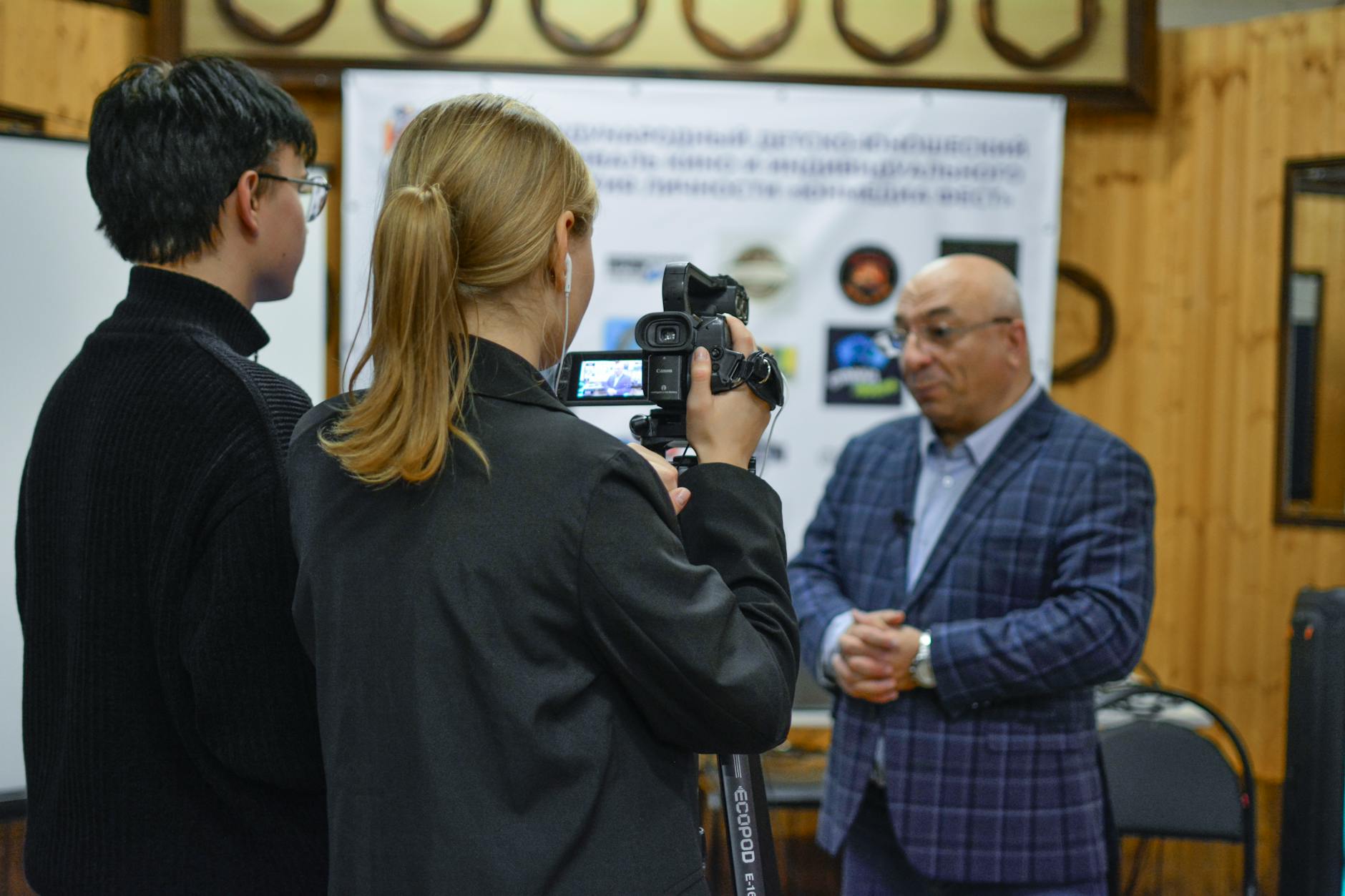
When recording interactions with police in Australia, individuals should remain calm and respectful. Police officers have the right to perform their duties without interference. However, citizens also have the right to document these interactions. The key is to balance these rights effectively. Maintain a safe distance and avoid obstructing police work.
According to legal experts, it's crucial to announce that you are recording. This can prevent misunderstandings and potential conflicts. A simple statement like, "Officer, I am recording this interaction for my safety and yours," can set clear expectations. Studies show that transparency reduces the likelihood of escalation. Over 80% of recorded incidents involving police in Australia have been resolved peacefully when both parties are aware of the recording.
Be mindful of the environment. Recording in public spaces is generally permissible, but private property may have different rules. Always respect the privacy of others. If police request you to stop recording, comply politely but assert your rights. Documenting the interaction can be vital for accountability and legal purposes. Ensure your device is set to capture clear audio and video. Poor quality recordings may not be admissible in court.
Police Response to Citizen Recordings

Australian police forces have developed specific protocols to address the growing number of citizen recordings. Most departments acknowledge the public's right to film interactions, provided it doesn't obstruct police work. Officers are generally trained to remain professional even when being recorded, though incidents of intimidation still occur. A 2022 study by the Australian Institute of Criminology found that 68% of recorded police interactions were initiated by citizens concerned about their own safety.
When police respond to recordings, their approach varies by jurisdiction. Some forces have implemented body-worn cameras to complement citizen footage, creating a more comprehensive record of events. Others focus on public education, emphasizing that recordings should not interfere with law enforcement activities. The New South Wales Police Force, for instance, has released guidelines clarifying when and how citizens can record officers without facing consequences.
Experts agree that clear communication between officers and citizens is key to preventing conflicts. Police are advised to explain their actions calmly, even when being recorded. This approach not only helps de-escalate tensions but also builds public trust. However, challenges remain, particularly in high-stress situations where officers may react instinctively. Continuous training and public awareness campaigns are essential to ensure both police and citizens understand their rights and responsibilities.
Despite progress, inconsistencies persist across different states and territories. Some police departments are more receptive to recordings than others, which can lead to confusion. Advocacy groups continue to push for standardized policies nationwide. Until then, citizens should familiarize themselves with local laws and remain respectful when recording police interactions. Understanding these nuances can help protect both public and officer safety.
Potential Changes to Recording Laws
As Australian states review their recording laws, potential changes could significantly impact citizens' ability to record police interactions. Some jurisdictions are considering explicit protections for bystanders who film officers in public spaces. This shift reflects growing recognition of the role citizen recordings play in promoting accountability. However, legal experts warn that any new laws must carefully balance transparency with operational concerns for law enforcement.
Recent discussions in New South Wales highlight the complexity of this issue. A 2023 survey found that 78% of Australians support the right to record police activity. Yet, police unions argue that unrestricted recording could compromise officer safety and investigative processes. The debate underscores the need for nuanced legislation that addresses both public rights and police operational realities.
Victoria is exploring legislation that would explicitly permit recording of police in public areas. This potential change comes after several high-profile cases where recordings revealed alleged misconduct. Legal analysts suggest such laws could set a national precedent, encouraging other states to adopt similar protections. The outcome of these discussions will shape the landscape of police accountability across the country.
Queensland has already taken steps to clarify recording rights through policy guidelines rather than legislative changes. This approach allows for flexibility as technology and public expectations evolve. While not legally binding, these guidelines provide clear expectations for both officers and citizens. The effectiveness of this strategy remains to be seen as other states consider their own approaches to this complex issue.
The new laws in Australia now clearly affirm citizens' right to record police interactions, marking a significant step towards transparency and accountability. While the specifics may vary slightly by state, the overarching principle remains consistent: recording police officers in public spaces is legal as long as it doesn't interfere with their duties. For those looking to exercise this right, it's crucial to remain calm, avoid obstructing police work, and be aware of local regulations to ensure compliance. As technology continues to evolve, these laws will likely adapt, further solidifying the balance between public safety and individual rights.
Need this answered for your specific case?
Get a flat-fee consultation with a verified U.S. immigration attorney. Engagement letter on every paid consult.
Related guides
This guide provides general legal information and does not create an attorney–client relationship. Information accurate as of July 2026. Always verify current USCIS guidance before acting.