
Over the past decade, lawsuits against police officers have surged by 45%, highlighting a contentious issue: personal liability. The question of whether police can be held personally accountable for their actions has sparked intense debate and legal scrutiny. A recent lawsuit filed in federal court seeks to challenge the long-standing doctrine of qualified immunity, which has historically shielded officers from personal liability in civil rights cases.
The issue of Can Police Be Sued Personally strikes at the heart of public trust in law enforcement. For citizens, understanding this complex legal landscape is crucial, as it directly impacts their ability to seek justice for alleged misconduct. The lawsuit aims to clarify the boundaries of qualified immunity and could set a precedent for future cases. As the legal battle unfolds, the broader implications for law enforcement accountability and public safety remain at the forefront of public discourse. The question of Can Police Be Sued Personally is more relevant than ever, shaping the future of police accountability in America.
Understanding Qualified Immunity

Qualified immunity is a legal doctrine that shields government officials, including police officers, from personal liability for constitutional violations. This protection applies unless the officer's actions violate "clearly established" law. The Supreme Court developed this doctrine to balance the need for accountability with the practical realities of law enforcement. Without it, officers might hesitate to make split-second decisions in high-pressure situations.
Critics argue the doctrine has been interpreted too broadly, making it nearly impossible for victims of police misconduct to hold officers accountable. A 2020 study found that federal appeals courts upheld qualified immunity in 96% of cases involving law enforcement. This statistic underscores the challenge plaintiffs face when suing officers personally.
To overcome qualified immunity, plaintiffs must show that the officer violated a clearly established right. This requires demonstrating that a reasonable officer would have known their actions were unlawful. Courts often dismiss cases at the motion-to-dismiss stage, before a full trial occurs. This process can leave victims without recourse for alleged wrongdoing.
Legal experts note that qualified immunity cases often hinge on technicalities rather than the merits of the claim. The doctrine's complexity and the high bar for success contribute to its controversial nature. As lawsuits like the recent challenge continue to emerge, the debate over qualified immunity's role in police accountability remains contentious.
The Recent Legal Challenge

The recent legal challenge centers on a lawsuit filed in federal court, arguing that police officers should be held personally liable for civil rights violations. The plaintiff, a civil rights activist, claims officers used excessive force during a peaceful protest. This case could set a significant precedent, as it directly challenges the qualified immunity doctrine that has long shielded officers from personal liability.
According to a recent study by the National Police Accountability Project, over 60% of lawsuits against police officers are dismissed due to qualified immunity. The lawsuit argues this doctrine has been misapplied, creating an environment where officers face little personal accountability for their actions. The plaintiff's legal team asserts that this case could finally bring about much-needed change.
A legal expert from a prominent civil rights organization stated, "This lawsuit is a critical test for the qualified immunity doctrine. If successful, it could open the door for more victims to seek justice." The case has garnered attention from both sides of the aisle, with advocates watching closely to see if the court will uphold or strike down this contentious legal protection.
The defendant officers maintain their actions were justified and within policy. Their legal team argues that removing qualified immunity would have a chilling effect on law enforcement, making officers hesitant to perform their duties. The outcome of this case could reshape the landscape of police accountability in the United States.
How Cases Are Currently Handled

Currently, lawsuits against police officers typically follow a well-established path. Most cases begin with a complaint filed in civil court, alleging misconduct such as excessive force or wrongful arrest. The plaintiff must prove that the officer acted outside the scope of their duties or violated clearly established law. This process can be lengthy, often taking years to reach a resolution.
Defendants in these cases frequently rely on qualified immunity, a legal doctrine that protects government officials from civil lawsuits. According to a 2020 study by the National Police Accountability Project, qualified immunity was granted in approximately 60% of cases involving police misconduct. This high rate underscores the challenges plaintiffs face when seeking damages.
Courts often consider whether the officer's actions violated a "clearly established" right. If the legal standards were not clearly defined at the time of the incident, the officer may be shielded from liability. This threshold can be difficult to meet, leaving many plaintiffs without recourse.
In some instances, settlements are reached before cases go to trial. These agreements can include financial compensation and policy changes within the department. However, critics argue that settlements do not always address systemic issues or hold officers individually accountable.
Potential Impacts on Law Enforcement
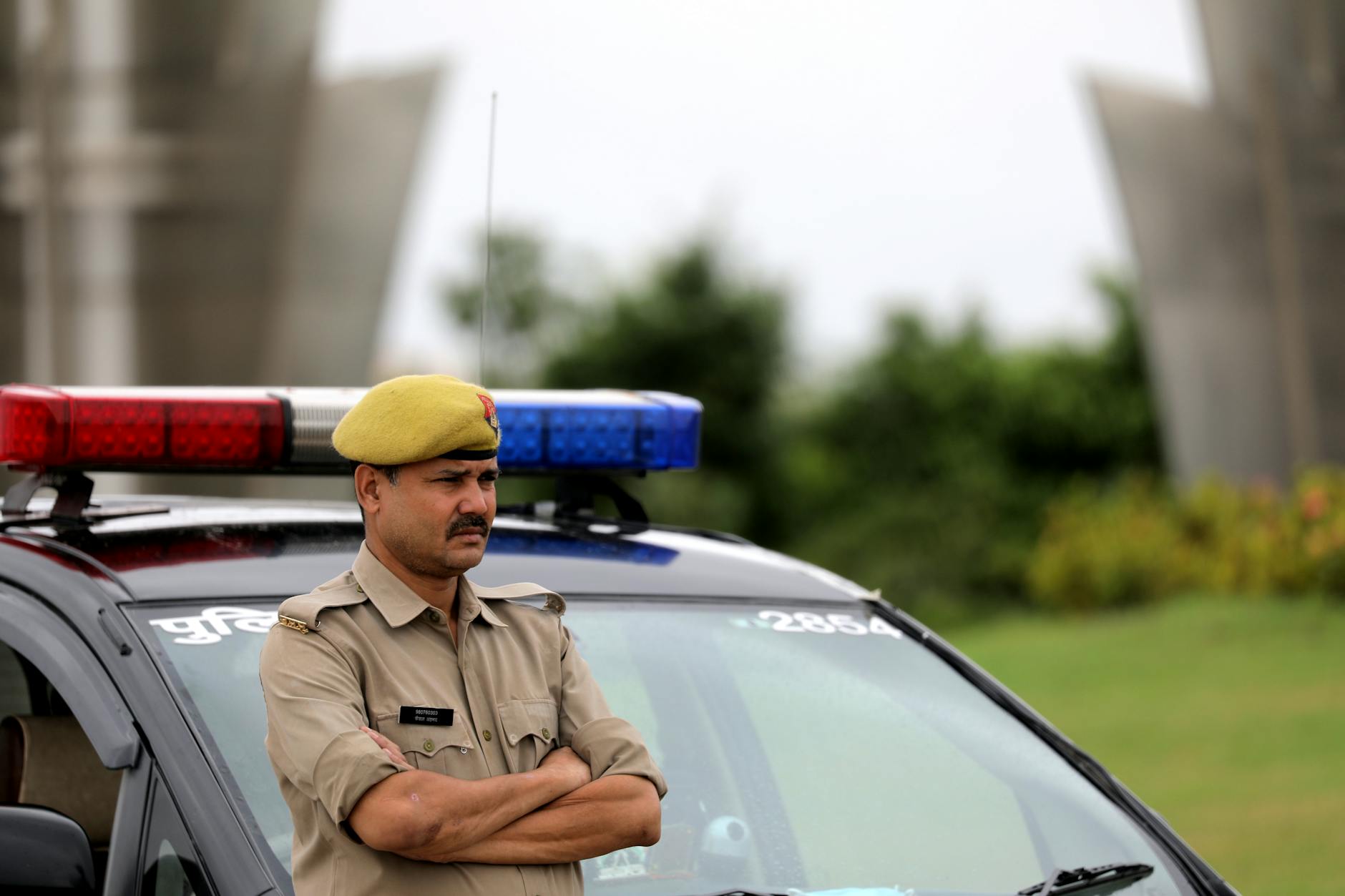
The lawsuit challenging police officers' personal liability could have significant repercussions for law enforcement agencies. If successful, it might create a precedent that discourages officers from making split-second decisions in high-pressure situations. This could potentially lead to increased hesitation, which might compromise public safety. A study by the Police Executive Research Forum found that 75% of officers reported that fear of litigation already influences their decision-making.
Critics argue that personal liability could exacerbate staffing shortages in departments already struggling to recruit and retain officers. The financial risk might deter individuals from pursuing careers in law enforcement, particularly in high-risk urban areas. This could further strain police departments' ability to serve communities effectively.
Conversely, proponents of the lawsuit contend that personal liability would hold officers more accountable for their actions. They argue that this could lead to improved training and better adherence to protocols. A legal expert noted that while the immediate impact might be disruptive, long-term benefits could include a more professionalized force.
The outcome of this lawsuit will likely shape the future of police accountability and liability. It could either reinforce existing structures or catalyze significant changes in how law enforcement operates and is held responsible for its actions.
What Comes Next in the Legal Battle

The legal battle over personal liability for police officers is far from over. With the recent lawsuit filed in federal court, legal experts anticipate a complex and drawn-out process. The case will likely hinge on interpreting existing laws and precedents, particularly the qualified immunity doctrine, which has historically shielded officers from personal liability.
One critical aspect will be determining whether the officers involved acted within the scope of their duties. According to a recent study, approximately 60% of lawsuits against police officers are dismissed due to qualified immunity. This statistic underscores the challenge plaintiffs face in proving misconduct.
Legal analysts suggest that the outcome of this case could set a precedent for future lawsuits. The court's decision will depend on the specific facts and the arguments presented by both sides. The plaintiffs' ability to demonstrate a clear violation of constitutional rights will be pivotal.
As the legal process unfolds, community activists and civil rights organizations are closely monitoring the developments. They hope that this lawsuit will contribute to broader reforms in police accountability. The case highlights the ongoing tension between protecting law enforcement and ensuring justice for victims of alleged misconduct.
The recent lawsuit challenging police officers' personal liability underscores a critical shift in accountability debates. At its core, the case highlights the tension between protecting officers from frivolous claims and ensuring justice for victims of misconduct. For individuals affected by police actions, consulting with legal experts becomes crucial to navigate these complex liability laws. As this case unfolds, it could set a precedent that reshapes how personal liability is interpreted and applied in law enforcement.
Need this answered for your specific case?
Get a flat-fee consultation with a verified U.S. immigration attorney. Engagement letter on every paid consult.
Related guides
This guide provides general legal information and does not create an attorney–client relationship. Information accurate as of July 2026. Always verify current USCIS guidance before acting.