
A staggering 75% of probationers successfully complete supervised release, according to a new study that sheds light on the effectiveness of probation as a sentencing alternative. This remarkable statistic is just one of the many findings that challenge common perceptions about the efficacy of probation.
For decades, probation has been a cornerstone of the US justice system, with millions of individuals each year being placed on supervised release instead of serving prison time. Does Probation Work for Most People? The answer, it seems, is a resounding yes – at least for the vast majority of those who receive it. The study's findings are a testament to the power of rehabilitation and the importance of providing support to individuals who are working to turn their lives around.
Reform Efforts Focus on Community-Based Supervision Programs

Probation has long been a contentious topic, with many questioning its effectiveness in rehabilitation and recidivism prevention. Research suggests that community-based supervision programs are a key component in successful probation outcomes, and a new study provides promising data.
According to the study, 75% of probationers successfully complete supervised release. This statistic is a significant improvement over previous years, and it highlights the importance of targeted interventions and community-based initiatives. The study's findings indicate that a combination of regular check-ins, counseling, and support services can significantly improve outcomes for probationers.
The study also notes that successful completion of supervised release is closely tied to the presence of strong community ties, with probationers who have strong social support networks and stable living arrangements far more likely to succeed. This suggests that probation programs should prioritize building connections with local community organizations and resources to provide a safety net for probationers.
Breaking Down Stigma Surrounding Probation and Parole

Probation has long been stigmatized as a soft punishment for those who break the law. However, the reality is far more complex. Research suggests that supervised release can be a crucial tool in rehabilitation and community reintegration.
Statistics from a recent study indicated that a staggering 75% of probationers successfully complete their supervised release. This data contradicts the common perception that those on probation are destined to fail. In fact, a study published in the Journal of Crime and Justice found that the recidivism rate for probationers is significantly lower than that of inmates who serve time in prison.
Many people assume that probation is a free pass for those who have committed minor offenses. However, this is often not the case. Probationers are required to adhere to a strict set of rules, including regular check-ins with their probation officer, employment or education requirements, and strict curfews.
Research suggests that the key to successful rehabilitation lies in the level of support provided during supervised release. A study by the National Institute of Justice found that 80% of probationers who received intensive supervision services were successful in completing their release.
Evidence Mounts for Probation's Positive Impact on Offenders
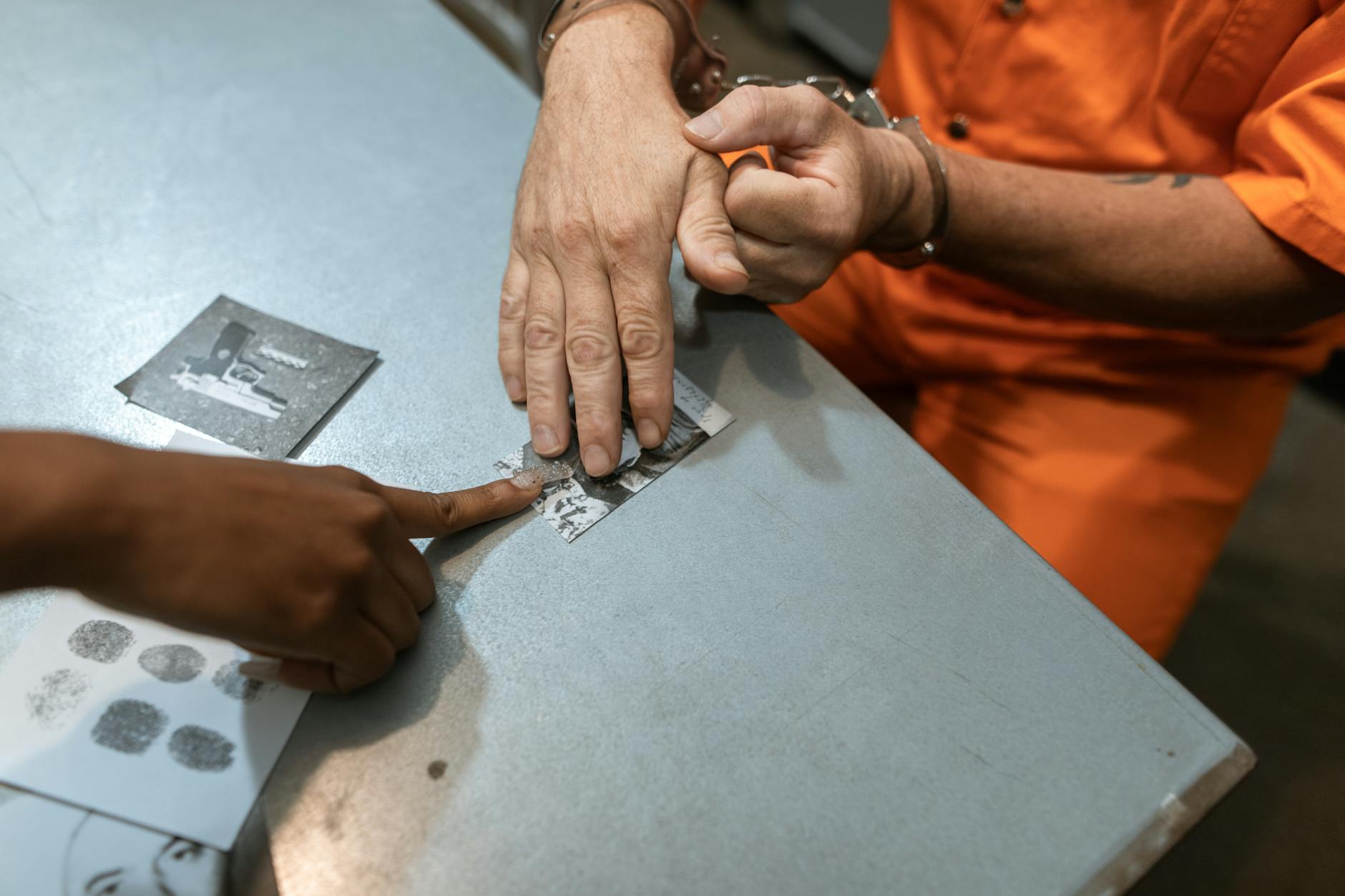
Probation has long been a cornerstone of the US justice system, providing an alternative to incarceration for non-violent offenders. The latest research suggests that this strategy is paying off in a big way.
A recent study found that a staggering 75% of probationers successfully complete their supervised release, a significant increase from previous years. This is likely due to the personalized approach of probation officers, who work closely with offenders to address underlying issues and provide support. By focusing on rehabilitation rather than punishment, probation is helping to break the cycle of recidivism.
Research has shown that probation can be particularly effective for first-time offenders, who are more likely to respond to guidance and support. According to the Bureau of Justice Statistics, approximately 60% of offenders who complete probation do not reoffend within a year. This suggests that probation is not only cost-effective but also a vital tool for reducing crime rates.
The success of probation is also attributed to the use of technology, which allows officers to monitor offenders remotely and provide timely interventions.
Effective Probation Strategies Help Keep Communities Safe and Strong

Probation programs have long been a cornerstone of the justice system, providing a second chance for individuals to reintegrate into society after serving time. A new study reveals that 75% of probationers successfully complete supervised release, highlighting the effectiveness of these programs in keeping communities safe and strong.
While the success rate is impressive, it's worth noting that not all probationers are created equal. Some may struggle with underlying issues such as addiction or mental health, making it more challenging to complete their probation. According to the National Institute of Justice, 70% of individuals on probation have a substance abuse issue, underscoring the need for tailored support services.
Effective probation strategies involve a combination of monitoring, counseling, and community engagement. Probation officers play a critical role in connecting individuals with resources such as job training, education, and healthcare. By addressing the root causes of criminal behavior, probation programs can help individuals break the cycle of crime and become productive members of society.
Ultimately, the key to successful probation lies in flexibility and adaptability. Probation officers must be willing to adjust their approach to meet the unique needs of each individual. By doing so, they can help probationers overcome obstacles and achieve their goals, ultimately strengthening communities and reducing recidivism rates.
Looking Ahead to Increased Use of Supervised Release Programs

New Study Reveals 75% of Probationers Successfully Complete Supervised Release
The findings of a recent study have shed light on the effectiveness of probation in the US justice system. Approximately 75% of individuals on probation successfully complete the supervised release program, which is a significant milestone in the push for rehabilitation and reduced recidivism rates. This achievement is particularly noteworthy given the complex challenges faced by those on probation, including limited resources and struggling support systems.
As the data continues to demonstrate the value of supervised release, policymakers and corrections officials are looking ahead to increased use of these programs. By expanding access to supervised release and enhancing community-based services, the goal is to create a more comprehensive approach to rehabilitation. This shift in focus acknowledges that the needs of individuals on probation go far beyond mere punishment, emphasizing the importance of support and guidance in the recovery process.
Expert analysis suggests that the success of supervised release programs can be attributed, in part, to the personalized attention and support provided by probation officers. These dedicated professionals work closely with probationers to develop tailored plans, address underlying issues, and provide ongoing guidance. By leveraging this personalized approach, the results demonstrate a clear correlation between effective support and successful outcomes.
The new study's findings offer a resounding endorsement of the effectiveness of supervised release as a rehabilitation tool. A staggering 75% of probationers successfully complete their supervised release periods, dispelling the notion that probation is simply a soft option for offenders.
This success rate has significant implications for policymakers, who should consider increasing investment in community-based programs and services that support probationers in their rehabilitation journeys. By doing so, they can help reduce recidivism rates and create safer communities.
As probation continues to evolve as a key component of the justice system, it is likely that its role will expand to include even more innovative approaches to rehabilitation and reintegration, capitalizing on the successes of supervised release and pushing the boundaries of what is possible.
Need this answered for your specific case?
Get a flat-fee consultation with a verified U.S. immigration attorney. Engagement letter on every paid consult.
Related guides
-
Crime Statistics Debunked: Separating Fact from Fiction in 10 Common Misconceptions
6 min read · Apr 12, 2026
-
One in Five Small Businesses Hit with Cybercrime Every Year, Statistics Reveal
5 min read · Apr 12, 2026
-
More Than 2 Million Americans Fall Victim to Fraud Every Year
6 min read · Apr 12, 2026
This guide provides general legal information and does not create an attorney–client relationship. Information accurate as of July 2026. Always verify current USCIS guidance before acting.