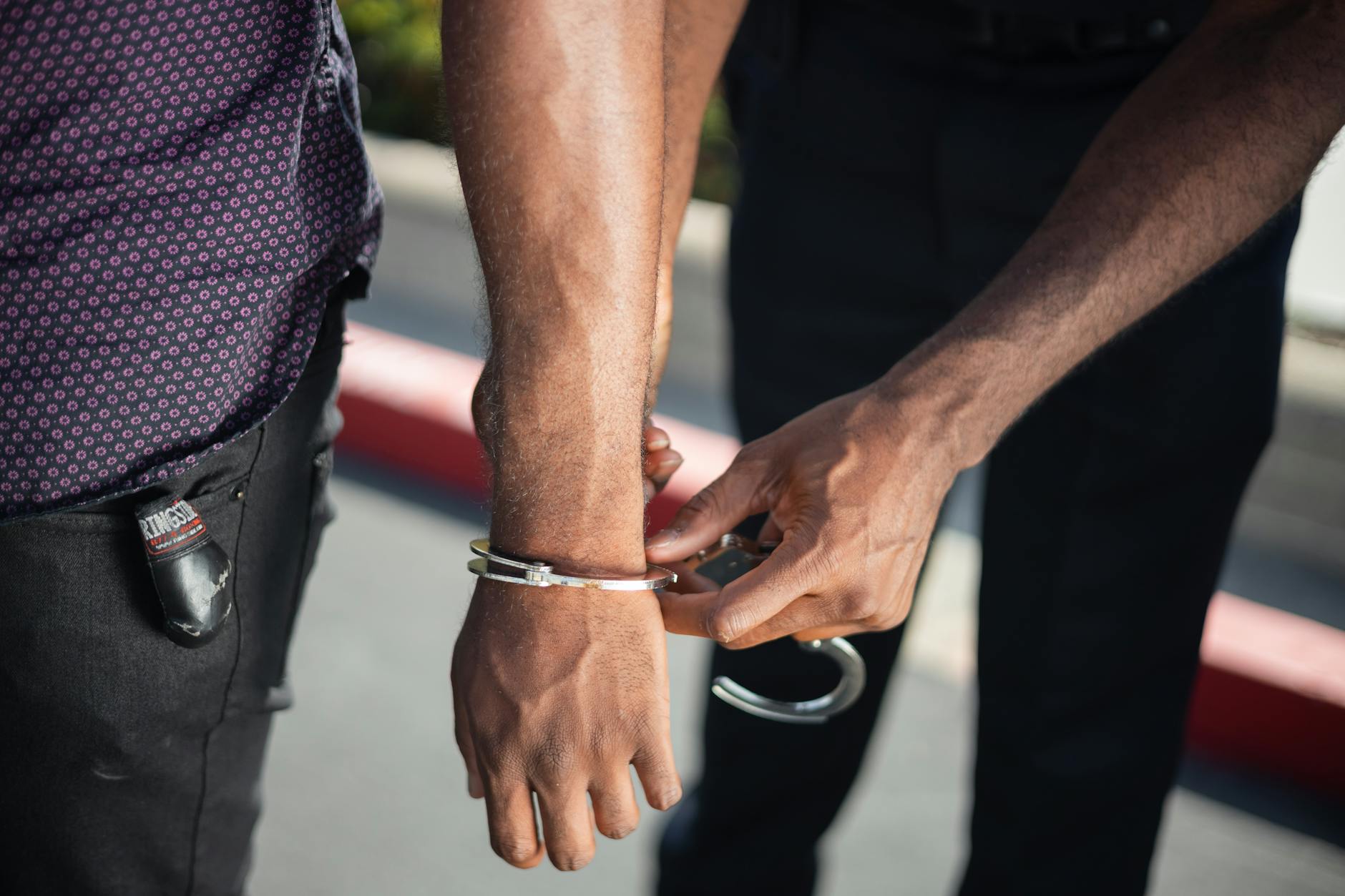
New York police can detain individuals for up to 72 hours under mental health laws, a provision that has sparked debate among advocates and law enforcement. This emergency hold, known as an involuntary commitment, occurs when an individual appears to be a danger to themselves or others due to a mental health condition. In 2022 alone, over 12,000 such detentions were reported in New York City, highlighting the frequency of this practice.
The question of can police detain for mental health reasons is complex and carries significant implications for public safety and individual rights. These laws aim to provide immediate intervention for those in crisis, but critics argue that the process can be traumatic and may not always lead to appropriate care. Understanding the nuances of can police detain for mental health evaluations is crucial for anyone navigating this system, whether as a concerned family member, a mental health professional, or an individual experiencing a crisis.
Understanding New York's Mental Health Laws

New York's mental health laws grant police officers the authority to detain individuals for up to 72 hours under specific circumstances. This provision, outlined in New York's Mental Hygiene Law, aims to provide temporary care and evaluation for those deemed a danger to themselves or others due to mental health concerns. The law emphasizes the importance of timely intervention to prevent harm and facilitate access to necessary treatment.
According to a report by the Treatment Advocacy Center, approximately 15% of individuals with untreated severe mental illness are at risk of harming themselves or others. This statistic underscores the critical role of mental health laws in ensuring public safety and promoting well-being. Police officers, as first responders, often find themselves at the forefront of mental health crises, requiring them to make swift and informed decisions.
Under New York's mental health laws, police can initiate an involuntary detention if they have reasonable cause to believe an individual meets the criteria for involuntary admission. This typically involves a clear and imminent risk of harm, either to the individual or to others. The detention period allows for a comprehensive evaluation by mental health professionals, who then determine the appropriate course of action.
Mental health experts emphasize the importance of balancing individual rights with public safety. The 72-hour detention period serves as a crucial window for assessment and intervention, ensuring that individuals receive the care they need while protecting the community. This legal framework reflects a commitment to addressing mental health crises with compassion and urgency.
Duration and Conditions of Detention
The duration and conditions of detention under New York's mental health laws are designed to balance public safety with the rights of the individual. Police can detain a person for up to 72 hours if they have reasonable cause to believe that the individual is mentally ill and poses a danger to themselves or others. This period allows for an evaluation to determine if further involuntary treatment is necessary.
During this time, the detained individual is typically taken to a hospital or a designated mental health facility. They are evaluated by mental health professionals who assess their condition and the need for continued treatment. According to a report by the Treatment Advocacy Center, approximately 2 million people with untreated severe mental illness are incarcerated nationwide, highlighting the importance of timely and appropriate mental health interventions.
Conditions during detention focus on ensuring the safety and well-being of the individual. This includes providing access to medical care, nutrition, and a safe environment. The goal is to stabilize the individual's condition and make informed decisions about their treatment and care.
Throughout the detention period, the individual's rights are protected. They have the right to legal representation and to challenge the detention if they believe it is unjustified. The process ensures that any extended treatment or hospitalization is based on a thorough evaluation and is in the best interest of the individual's mental health.
How Police Assess Mental Health Emergencies

When responding to mental health emergencies, police officers in New York undergo specific training to assess situations. They look for signs such as erratic behavior, threats of self-harm, or disorientation. Officers also consider the individual's history and any immediate danger to themselves or others. This assessment helps determine if detention under mental health laws is necessary.
According to a report by the Treatment Advocacy Center, nearly 2 million people with untreated severe mental illness are booked into jails each year. Police often encounter individuals in crisis who may not be criminally involved but require immediate psychiatric intervention. Officers rely on their training and experience to make these critical decisions.
Mental health professionals may assist police in assessing the situation. They evaluate the individual's condition and recommend appropriate actions. This collaboration ensures that individuals receive the necessary care while balancing public safety. The process aims to provide timely intervention and support for those in crisis.
Once detained, individuals are typically taken to a designated facility for evaluation. The goal is to stabilize their condition and connect them with appropriate mental health services. This process underscores the importance of a coordinated response between law enforcement and healthcare providers.
Rights of Individuals During Detention
When individuals are detained under New York's mental health laws, they retain fundamental rights. Police cannot detain someone based solely on mental health concerns without reasonable cause to believe the person poses a danger to themselves or others. Detainees have the right to legal representation and access to a mental health professional for evaluation. These rights ensure a balance between public safety and individual liberties.
During the 72-hour detention period, individuals must receive a thorough mental health evaluation. According to a 2020 report by the National Alliance on Mental Illness, timely evaluations reduce the risk of unnecessary detentions. The evaluation determines whether further treatment or hospitalization is necessary. If no immediate risk is found, the individual must be released.
Detainees also have the right to communicate with family members or a support person, unless doing so would pose a risk. This contact helps alleviate anxiety and ensures the individual's needs are met. Additionally, detainees can challenge the detention through legal channels. These safeguards protect against arbitrary or prolonged detentions.
Transparency is crucial in mental health detentions. Police and mental health professionals must document the reasons for detention and the evaluation process. This documentation provides accountability and allows for review if the detention is contested. Adhering to these procedures upholds the rights of individuals while maintaining public safety.
Potential Reforms and Public Response

Critics argue the 72-hour detention policy under New York's mental health laws is outdated and needs reform. Advocates for change point to the policy's potential to infringe on civil liberties, particularly when applied to individuals who may not pose an immediate danger to themselves or others. They propose stricter criteria for detainment, including mandatory psychiatric evaluations within the first 24 hours and regular reviews of each case.
Public response has been mixed. Some residents express concern about the policy's potential for abuse, citing cases where individuals were detained unnecessarily. Others, however, support the measure, believing it provides crucial protection for those in mental health crises. A recent poll found that 45% of New Yorkers support the current policy, while 38% believe it should be reformed.
Mental health experts suggest alternative approaches, such as crisis intervention teams and community-based support services. These alternatives, they argue, could provide more effective and humane care for individuals in crisis. They also emphasize the need for better training for police officers in handling mental health situations.
Legislators have begun discussing potential reforms, including limits on detention periods and increased oversight. However, progress has been slow, with debates often stalled by disagreements over the balance between public safety and individual rights. The conversation continues as stakeholders seek a solution that protects both the community and those struggling with mental health issues.
New York's mental health laws grant police the authority to detain individuals for up to 72 hours if they pose a threat to themselves or others. This measure, while controversial, aims to provide immediate intervention and assessment. Those affected should familiarize themselves with their rights and the process, seeking legal advice if necessary. Moving forward, ongoing dialogue between law enforcement, mental health professionals, and the community will be crucial to balance safety and individual liberties.
Need this answered for your specific case?
Get a flat-fee consultation with a verified U.S. immigration attorney. Engagement letter on every paid consult.
Related guides
This guide provides general legal information and does not create an attorney–client relationship. Information accurate as of July 2026. Always verify current USCIS guidance before acting.